




Best Electric Toothbrush for Kids: What Parents Should Look For
Kids and toothbrushes. There's a whole category of parental frustration nobody prepares you for.My son had a system — and I use that word very loosely. Run the brush under the tap, wave it somewhere near his mouth, and done. Maybe 15 seconds if he was feeling generous. Then he'd look at me like he'd just completed surgery.
You probably know someone exactly like this. Most parents do. The kid who treats brushing as a personal attack on their freedom. The one who stops the moment you turn your back. The one who's technically holding a toothbrush but hasn't visited a molar in months.
Here's what actually helped: finding a brush that fit his mouth, didn't hurt to use, and running a timer so we stopped arguing about whether two minutes was up. That's it. Not a fancy one. Not the most expensive one on the shelf. Just the right one. Usmile is an electric toothbrush brand that builds around exactly that — fit, age-appropriate design, and the basic features kids actually need.
This guide is about finding that brush for your kid.
What to Buy — The Short Version
Rechargeable. Small brush head. Soft bristles. Two-minute timer. That's the whole checklist.
The ADA's guidance on brushing comes down to: twice a day, for 2 minutes, with a soft-bristled brush. Everything else on the packaging is optional. A lot of it is noise.
Best Overall: usmile Q30 Kids Electric Toothbrush

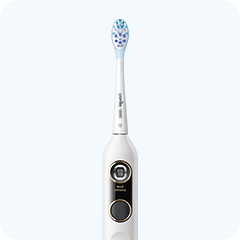
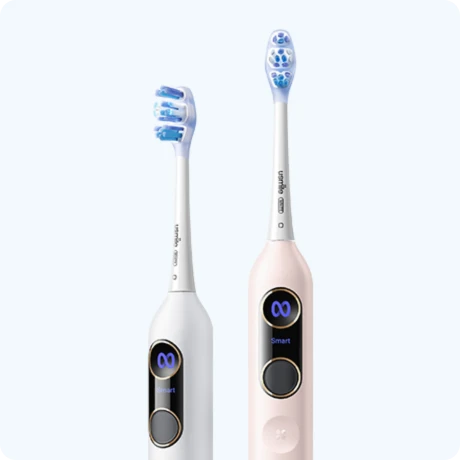
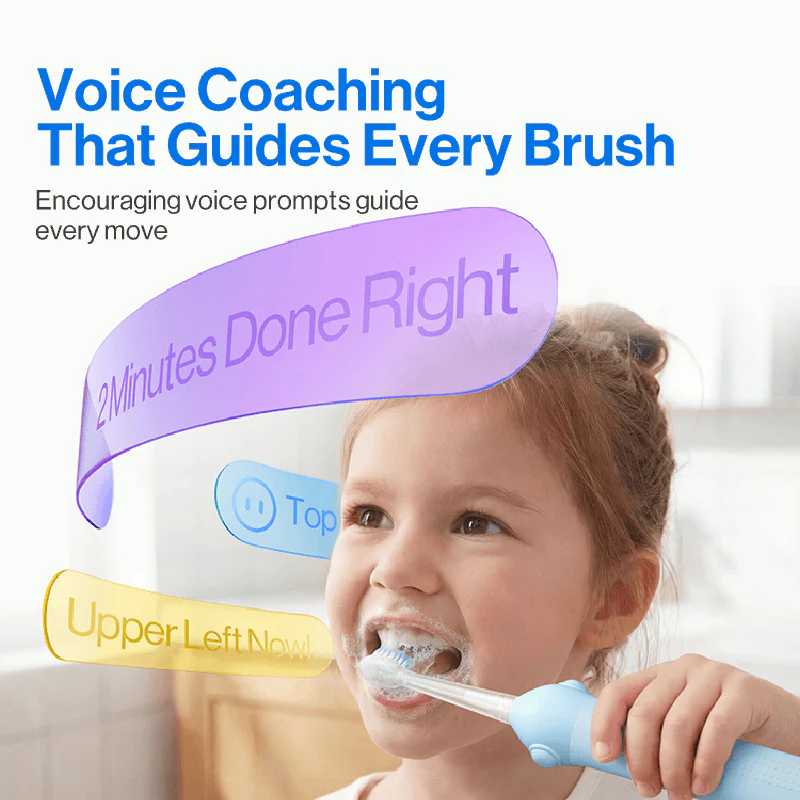
The gentle sonic brush for kids — usmile's Q30 — is what I'd put in most parents' hands. Rechargeable, so no hunting for batteries at 6:45 am. The head is properly small — sized for actual kids' mouths, not just labeled for kids. Bristles are soft. Not 'marketed as soft' soft. Actually soft. The timer runs for two minutes at 30-second intervals, nudging the child to move to a new section every half minute without anyone saying a word. Handle works for smaller hands. Battery holds. And it doesn't try to be twelve things at once — just does the right things well.
For Kids Who Can't Stand Vibration: Go Rotating
Some children find sonic vibration genuinely uncomfortable. Tickly around the front teeth, sometimes almost painful. That's not them being difficult — some kids' nerves are just more sensitive to it. Rotating brushes move differently. More deliberate, more predictable. Many kids who flatly refuse a sonic toothbrush will use a rotating one without any fuss. Try it before you write off electric brushing entirely.
For Anxious or Sensory-Sensitive Kids: Start With It Off

Don't turn it on the first few times. I know that sounds backward. But letting a nervous kid hold the brush, get used to the feel of it in their mouth, explore it on their own terms — that works better than switching it on and hoping. Introduce the vibration once they're comfortable. A few extra days up front saves weeks of resistance later.
Do Kids Actually Need an Electric Toothbrush?

Technically, no. Manual brushes work fine. Pediatric dentists say this plainly and often — the habit and the technique matter far more than the equipment. A kid who brushes carefully with a regular brush is in good shape.
But most kids don't brush carefully. They rush, skip the back, stop whenever they feel done — which is usually about 20 seconds in. An electric toothbrush with a timer handles much of that without anyone having to pick a daily fight over it. That's the real case for buying one.
The Fun Factor Is Legitimate
I used to think 'making brushing fun' was overthought parent advice. Then my son started asking to brush his teeth twice because he wanted to hear the beep again. Lights, characters, the timer sound — these things work on young kids. That's not a gimmick. That's just how children are wired.
There's Real Research Too
A Cochrane review — one of the most rigorous kinds of evidence there is — found powered toothbrushes reduce plaque and gingivitis more than manual brushes, consistently, over time. For kids who rush or use poor technique, the motor picks up the slack. One thing it can't fix: a brush still has to reach the back teeth. No toothbrush cleans teeth; it doesn't touch.
The Features That Actually Matter

Not all of them do. Here's what's worth paying for — and what's just there to justify the price.
Small Brush Head
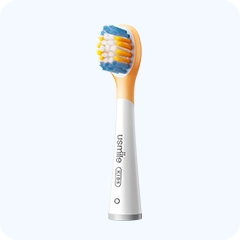
Most important thing on this list. Not the Bluetooth. Not the app. The head size. A brush head that's too big for a child's mouth literally cannot reach the back molars — there isn't enough space between the teeth and the jaw. Most kids' brushes come in two sizes: one for ages 3 and up, and a bigger one for ages 7 and up. Pay attention to when it's time to move up.
Soft Bristles — Actually Soft

Kids have thinner enamel than adults and more sensitive gums. Soft bristles clean just as well as firmer ones and don't damage anything. The ADA recommends soft bristles for everyone. Not medium, not firm — soft. If it's not labeled soft or extra soft, skip it for a child.
Two-Minute Timer
Without one, kids stop when they feel done. That's usually 20 seconds. The timer ends the argument completely. Brushing goes on until the brush says so. This single feature probably does more for kids' daily oral hygiene than everything else on the spec sheet combined.
30-Second Pacing
Different from the timer. The pacing tells kids to move to a new section every 30 seconds. Without it, most kids spend both full minutes on the front four teeth and feel they've done a thorough job. They haven't.
A Grip That Works When Hands Are Wet
Wet bathroom, small hands, smooth plastic handle — the brush ends up on the floor. Rubberized or textured grips give enough control to actually direct the brush where it needs to go.
Replaceable Brush Heads

ADA recommends replacing every 3 to 4 months or when the bristles look worn. A rechargeable brush with swappable heads is a much better long-term purchase than a disposable battery option. Disposable brushes go in the bin when the head wears out — and by the time parents notice, the bristles look like they've survived something.
What to Look for by Age

A 3-year-old and a 10-year-old need completely different things from a toothbrush. Worth knowing before you spend money on the wrong one.
Ages 2 to 3: You're Running This
The child is present, but you're doing the brushing. What matters: very small head, ultra-soft bristles, a handle you can control. If they refuse the vibration — completely normal at this age — use it without power first. The habit matters far more than the motor at this stage.
Ages 3 to 5: Fun Beats Everything Else
They want to hold it themselves now. The technique is rough. That's fine — willingness is the harder thing to build. What keeps them coming back is a brush they want to pick up: a character, some lights, the beep at the end. Keep the timer. Left to their own judgment, they'll brush for 25 seconds and feel they've done a thorough job.
Ages 6 to 8: Technique Starts Having Consequences
Motor skills are better, and kids can mostly manage on their own — but the CDC recommends supervising under-6s, and most dentists say keep checking until they cover all four sections without prompting. The first permanent teeth are arriving now, which means how they brush matters in the long term, actually. A rechargeable brush with 30-second pacing is the right call here. The full range of children's electric toothbrushes from usmile includes options that balance real features with enough simplicity for a 7-year-old to use independently.
Ages 9 to 12: Mostly Independent, With Caveats
Preteens can handle brushing. What they struggle with is pressing too hard on permanent teeth and brushing consistently when nobody's watching. A pressure sensor is worth considering at this age. And pick something that doesn't look like it belongs to a 5-year-old. They won't use it if it embarrasses them.
Rechargeable vs Battery-Powered: Which Is Worth It?
Battery brushes are fine for two things: travel and testing whether your kid will tolerate electric brushing before spending more. For everyday use, they're a poor long-term choice. The head usually can't be replaced, so when it wears out, the whole brush is done. Battery power fades too — the brush that felt okay at week one is noticeably weaker by month three.
Rechargeable holds consistent power the whole way through, takes replacement heads, and lasts considerably longer. For twice-daily use, every day, that comparison isn't close.
5 Parent-Tested Tricks That Turn Brushing Battles Around

There's a lot of general advice out there about making brushing fun. Some of it's real. Here's what I've seen work consistently:
- Brush at the same time — your own teeth, right next to them. Not watching from the door. Kids copy adults. They don't follow instructions as reliably as they copy behavior. This one change makes a noticeable difference, fast.
- Let them pick the brush. Even if it's just between two color options. Having some say in the choice makes them more invested in using it. Small thing. Bigger than it sounds.
- Don't turn it on immediately for nervous kids. Hold it. Put it in the mouth. Get comfortable. Introduce the vibration only once they stop flinching. The extra days up front save weeks of arguments.
- Frame the timer as a challenge, not a rule. "Can you make it to the beep?" gets a completely different reaction than "You have to brush for two full minutes." Same two minutes. Much less pushback.
- Check the brush head monthly if they chew on it. Some kids destroy a head in six weeks. Frayed bristles don't clean properly, and they're rough on gum tissue. Catch it before it becomes a problem.
Looking After the Brush

Replace the Head Every 3 to 4 Months
Or sooner if the bristles look worn. Set a phone reminder the day you open a new head — otherwise you'll forget until the brush looks genuinely terrible. It's one of those maintenance tasks that's completely invisible right up until it isn't.
Keep Heads From Touching
Multiple brushes stored in the same cup, with heads touching, can spread bacteria between them — it matters most after someone in the house has been sick. Separate slots or individual caps. Takes about 30 seconds to fix, and you only have to do it once.
Wipe the Charger Contacts
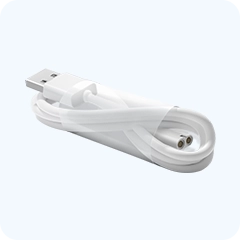
Dried toothpaste on the charging contacts is one of the most common reasons a rechargeable brush won't hold a charge. A dry cloth wipe usually solves what looks like a dying battery. Check this before assuming the brush is dead.
Final Thoughts
Right fit. Soft bristles. Timer. That's the formula. Not the Bluetooth, not the app, not the pressure sensor light show — just those three things done well.
The usmile Q30 is our top recommendation for most families because it gets the basics right without inflating the price with features a 6-year-old doesn't need. You can browse the full range of children's electric toothbrushes from usmile to compare options across age groups. Pick what fits your kid's mouth and their tolerance. Build the habit. Stay involved until they can cover all four sections independently without reminders. That consistency — more than any product decision — is what actually shows up at the dentist.
FAQs
Q1: Which electric toothbrush do dentists recommend for kids?
Dentists rarely give you a brand name. Ask most pediatric dentists what they recommend, and they'll sidestep the product question entirely — what they care about is the criteria.
Small head. Soft bristles. The right handle size for the age. Two-minute timer. That's the actual checklist. The ADA Seal is a useful quality indicator, but past that, the best brush is the one your kid picks up without being asked three times. That answer looks different for every child.
Q2: Are electric toothbrushes suitable for kids?
From around age 3, yeah — with an adult close by. The ADA is pretty clear on this: both electric and manual brushes can clean teeth. Neither has a monopoly on working.
Where electric has the real edge is with kids who rush or who don't have great technique yet. The motor keeps doing its job even when the child isn't trying all that hard. But is manual brushing done well? Still completely fine. Don't let anyone tell you otherwise.
Q3: What's the best toothbrush for chemo patients?
This one's different from everything else in this guide — the normal rules don't apply here.
Chemo can cause mouth sores, make gums bleed easily, and compromise immunity. Regular brushing advice isn't relevant. Most oncology and dental teams use ultra-soft brushes — sometimes child-sized — just to keep cleaning without causing further damage. But the specific answer has to come from whoever's treating the patient. It changes based on the treatment type and where they are in the cycle. Don't guess on this one.
Q4: Should I replace the toothbrush after a norovirus infection?
Yes. Just replace it.
Norovirus survives on surfaces for days — the CDC has documented this clearly. Brush heads are cheap. Swapping one removes a contamination route and costs about 30 seconds of your time. Especially worth doing if the brush was stored anywhere near other people's brushes, which in most bathrooms it was.
Q5: Do dentists recommend electric toothbrushes?
A lot of dentists do, especially for patients who tend to rush through it. There's a Cochrane review — one of the most thorough kinds of research out there — that confirms powered brushes beat manual ones for plaque and gingivitis overall.
But here's the honest part: the gap narrows a lot when someone brushes carefully. For kids, the timer is usually the main point of contention. That's what changes behavior. The rest is secondary.
Q6: At what age should kids start using an electric toothbrush?
Around age 3 is where most pediatric dentists land — a properly sized brush, an adult right there supervising. Before that, a soft manual brush in a parent's hands is the normal approach.
Some gentler electric options exist for younger toddlers, but honestly, those should only happen with full parental control and a dentist saying it's fine. The specific age matters less than two things: that the brush actually fits the child's mouth and that a grown-up is involved. That's the real criterion.
Sources
- American Dental Association —Toothbrushes: Evidence-based guidance on toothbrush types, bristle firmness, and proper brushing techniques for children and adults of all ages.
- Cochrane Oral Health Group —Powered versus Manual Toothbrushing for Oral Health: Systematic review comparing electric and manual toothbrush effectiveness at removing plaque and reducing gum inflammation across multiple clinical trials.
- CDC —Children's Oral Health: National prevention strategies covering childhood cavity rates, fluoride recommendations, and school-based dental sealant programs for families.
- MouthHealthy / ADA —Brushing Your Teeth: Consumer-friendly resource on correct brushing technique, recommended duration, toothpaste amounts, and how often to replace your toothbrush.
- NHS —How to Keep Your Teeth Clean: UK public health guidance on daily brushing routine, flossing basics, and practical oral hygiene tips for both children and adults.
- CDC —Norovirus Prevention: Federal health resource on preventing viral transmission through hygiene practices, including proper handwashing and contamination control in household settings.
- American Cancer Society — Mouth Sores During Cancer Treatment: Clinical guidance on gentle oral care during chemotherapy, including soft-bristle brush recommendations and strategies for managing sensitive mouth tissue.


Looking for something else?

How Long Does Gingivitis Last?
LEARN MORE
Can You Share a Water Flosser
LEARN MORE
Can an Electric Toothbrush Damage Your Gums?
LEARN MORE
Can You Put Mouthwash in a Water Flosser?
LEARN MORELooking for something else?

How to Use a Water Flosser Without Making a Mess
LEARN MORE
How Long Does an Electric Toothbrush Last Without Charging
LEARN MORE
How Long Does an Electric Toothbrush Last: Step-by-Step Guide
LEARN MOREYou may also like
usmile Q30 Kids Electric Toothbrush
Y10 PRO Electric Toothbrush x C10 Portable Water Flosser


Further reading
Kids Brushing Teeth Routine: A Simple Guide for Parents
How to Get a Child to Brush Teeth Without Daily Battles
Best Electric Toothbrush for Kids: What Parents Should Look For
