







How Long Does an Electric Toothbrush Last Without Charging
If you've ever packed for a trip and wondered whether to bring the charger, you're not alone. Battery life is one of the most practical things to know about any electric toothbrush — and the answer varies more than most people expect.
Most modern rechargeable toothbrushes run anywhere from two weeks to over a month on a single charge when used twice daily. But that number shifts based on the model, the brushing mode, and how the battery is maintained over time.
This guide covers what actually drives battery life, how to get the most sessions between charges, what to watch for as the battery ages, and which models are worth looking at if long charge life matters to you.
Understanding Electric Toothbrush Battery Life

Average Duration Per Charge
For most rechargeable toothbrushes, expect somewhere between two and four weeks of regular use on a single charge. That assumes two two-minute sessions per day — the standard recommendation from most dental associations.
|
2–3 wks entry-level models |
3–5 wks mid-range models |
5+ wks premium / AI models |
Basic models with fewer features and a smaller battery cell tend to land in the two-to-three week range. More capable models designed for daily heavy use can push well beyond that. If the packaging lists a number of brushing sessions, dividing by 14 (two sessions per day) gives you the approximate week count.
Factors That Affect Battery Life

Not all sessions drain the battery equally. A few variables have a real impact:
- Brushing mode. Higher-intensity modes draw more power. If your brush has a whitening or deep-clean mode, using it every session will shorten the cycle compared to a standard clean mode.
- Session length. Two minutes twice a day is the baseline. People who brush longer or run a bonus tongue-cleaning pass will naturally hit the charger sooner.
- Battery chemistry. Lithium-ion batteries hold a charge longer and degrade more slowly than older NiMH cells. Most current models use lithium-ion, but it's worth checking older or budget options.
- Battery age. Rechargeable batteries lose some capacity over time. A brush that lasted four weeks when new may run closer to two and a half years later — that's normal degradation, not a defect.
- Temperature. Storing the brush in a cold bathroom or leaving it in a hot car will accelerate battery wear. Room temperature is always the safest option.
How to Maximize Your Electric Toothbrush Between Charges

Proper Charging Practices

The single best habit is letting the battery drop to a low level before recharging — not to zero, but not plugging back in after every session either. Keeping a lithium-ion battery perpetually at 100% actually creates more long-term wear than allowing normal discharge cycles.
Use the original charging cable or dock when possible. Third-party chargers may deliver slightly different voltage, which can affect the battery's conditioning over time. It's a minor thing, but it adds up over hundreds of charge cycles.
Efficient Daily Use

Two minutes per session is sufficient. Brushing for five minutes doesn't produce meaningfully cleaner teeth — it just moves bacteria around longer and drains the battery faster.
If your brush has multiple modes, the standard clean or daily mode handles most situations well. Reserve the higher-intensity settings for when you actually need them rather than using them by default.
- Set a two-minute timer if your brush doesn't have one built in
- Rinse the brush head under water after each session — lingering moisture near the charging contacts can affect connection quality over time
- Switch off after brushing rather than leaving the brush running idle
Travel Tips for Long-Lasting Use

For short trips of a week or less, most mid-range rechargeable toothbrushes don't need to be charged at all. Charge fully the night before and you're covered.
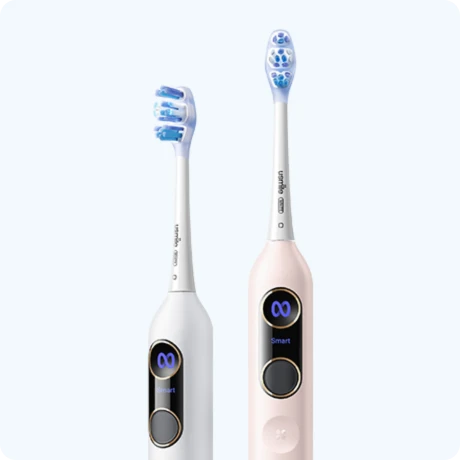
For longer trips, the most practical options are models with documented long battery life or a compact travel design. The Y20 PRO is designed for sustained daily use and fits easily in a toiletry bag. The P10S is a newer compact option suited to lighter travel kits.
- Check voltage compatibility if traveling internationally — most modern chargers handle 100–240V, but confirm before packing
- Carry the charging cable anyway on trips over ten days, even if you don't expect to need it
- Avoid packing the brush at the bottom of a bag where pressure on the power button could leave it running
|
Practical note If you share a bathroom charger with a partner, charging on alternate nights — rather than both brushes overnight every night — is an easy way to reduce constant topping-up and extend battery health for both units. |
Electric Toothbrush Lifespan vs. Manual Toothbrush

Rechargeable Toothbrush Longevity
The device itself typically lasts three to five years with normal use. The battery, being the most wear-sensitive component, is what usually determines the end of a toothbrush's useful life — not the motor or the handle.
Early signs the battery is aging include noticeably shorter run times, a charge that doesn't hold overnight, or the brush feeling weaker than usual during a session. These are normal signs of cell degradation rather than a fault in the device.
|
Stage |
What to Expect |
|
Battery newer than 2 years |
Consistent run time close to original spec |
|
Battery 2–4 years old |
Some reduction in run time is normal |
|
Battery 4+ years old |
Significant reduction — may be time to replace the device |
|
Manual toothbrush |
No battery; replace the head every 3 months, full brush as needed |
When to Replace the Brush Head

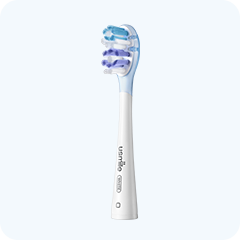
Brush head replacement is separate from battery health. Most dental professionals suggest replacing the head every three months, or sooner if the bristles visibly splay or fray. Worn bristles don't clean as effectively — they lose the angled contact that removes plaque along the gumline.
A common signal: if you're pressing harder than usual to get the same clean feeling, the head has likely worn past its useful life. Lighter pressure with a fresh head always outperforms heavy pressure with an old one.
- Replace heads every three months as a baseline
- After illness — particularly strep throat — replace the head as a hygiene precaution
- Check for frayed outer bristles as the most visible wear signal
Recommended Long-Lasting Electric Toothbrushes

If battery life is a priority when choosing, here are two models worth considering from the electric toothbrushes range:
|
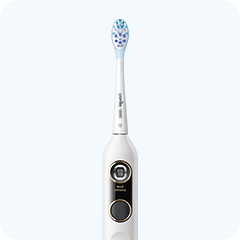
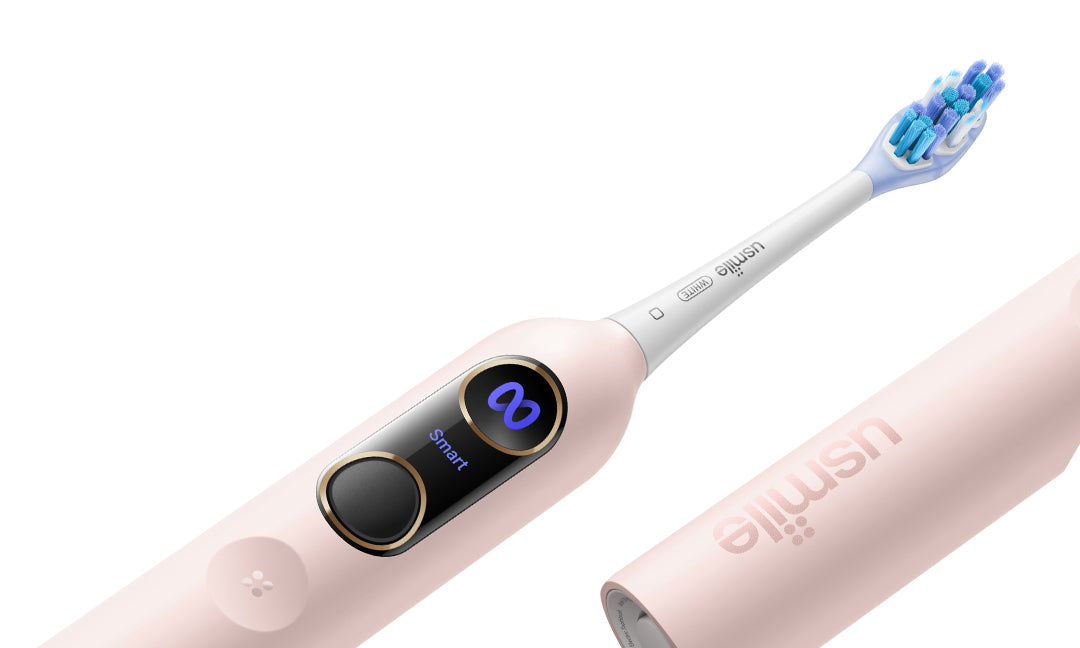
Y20 PRO — AI Electric Toothbrush Designed for sustained daily use. Multiple brushing modes with AI-guided feedback. The handle is travel-sized without compromising on battery performance, making it a reliable option for both home and travel routines. |
P10S — Compact Everyday Toothbrush A newer, streamlined design suited to lighter kits. Good for users who want a capable daily driver without extra bulk. Practical for travel bags and bathroom shelves with limited space. |
Bottom line
Battery life is one of those things that's easy to take for granted until you're mid-trip without a charger. Building a consistent oral care — two minutes, twice a day, standard mode — keeps both your teeth cleaner and your battery cycles healthier.
The best long-term strategy: let the battery discharge naturally between charges, replace brush heads on schedule, and replace the device when run times drop noticeably below their original baseline.
Frequently Asked Questions
Do I need a new toothbrush after strep?
Replace the brush head, not the whole device. The handle and motor aren't exposed to bacteria in the same way the bristles are. A fresh head after a strep infection removes any lingering bacteria on the bristle surface and is a simple, low-cost precaution.
How long does the battery last in an Oral-B electric toothbrush?
Most Oral-B rechargeable models advertise roughly two weeks of use on a single charge. Some higher-end models extend that slightly. That said, actual run time depends on the mode used, session length, and how old the battery is — the same variables that apply to any rechargeable toothbrush.
Can an electric toothbrush help with gingivitis?
Electric toothbrushes may help support gum health as part of a consistent daily routine. They can make it easier to maintain the 45-degree gumline angle that manual brushing often misses. Whether they help with gingivitis specifically depends on consistency — a well-used manual brush beats a poorly used electric one. If you have active gum concerns, it's worth discussing with a dentist alongside your home care routine.
Is 2 minutes of electric toothbrush not enough?
Two minutes is the standard recommendation, and for most people, it's sufficient when the technique is correct. The key is coverage — spending equal time on each quadrant — rather than total time. An extra minute of unfocused brushing does less than two focused minutes done properly.
What is the 2-2-2 rule for teeth?
The 2-2-2 rule is a straightforward brushing framework: brush twice a day, for two minutes each session, and see a dentist twice a year. It covers the basic frequency, duration, and professional care cadence that most dental guidelines recommend.
Can my yellow teeth be white again?
Surface staining from food, coffee, or tea can often be reduced with consistent brushing and whitening-formula products. Deeper discoloration — from medication, age, or enamel changes — is harder to address at home and may need professional whitening. A dentist can identify what's causing the discoloration and suggest the most appropriate path.
Can a 70-year-old's teeth be whitened?
Age alone isn't a barrier to whitening. The main consideration is the condition of the teeth — sensitivity, enamel wear, existing dental work like crowns or veneers — rather than the patient's age. A dentist visit before starting any whitening treatment is the sensible first step, especially for older teeth that may have more wear or restorations that won't respond to whitening products the same way.


Looking for something else?
Best Cheap Electric Toothbrush (2026): Top 5 Budget Picks That Actually Work
LEARN MORE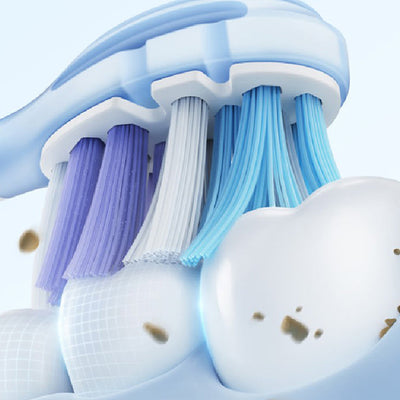
Ultrasonic Toothbrush vs Electric: Which Technology Wins for Your Smile?
LEARN MORE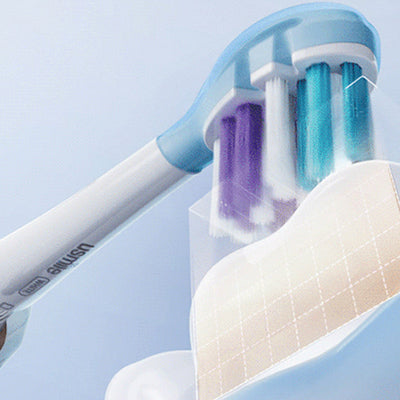
Best Electric Toothbrush for Sensitive Teeth (2026) — 5 Tested
LEARN MORE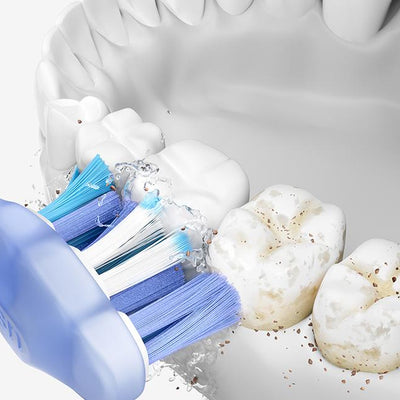
Does an Electric Toothbrush Have a Lithium Battery
LEARN MORELooking for something else?
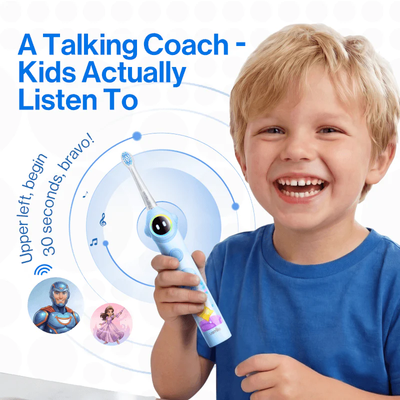
How to Make Brushing Teeth Fun for Kids Without Daily Battles
LEARN MORE
Best Toothbrush for Kids Who Hate Brushing: Parent Guide
LEARN MORE
Best Electric Toothbrush for Kids: What Parents Should Look For
LEARN MOREYou may also like
Y10 PRO Electric Toothbrush x C10 Portable Water Flosser
usmile Y20PRO Adults Toothbrush x Q30 Kids Toothbrush
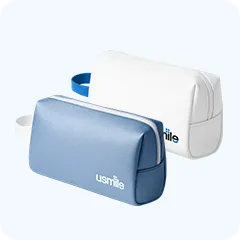
usmile C30 Water Flosser Toiletry Bag Pack
usmile C10 Water Flosser x Q30 Kids Electric Toothbrush
Further reading
Halloween Candy Before Bed: A Kid-Friendly Cleanup Routine to Protect Kids' Teeth
I Thought My Water Flosser Made My Teeth Gaps Bigger—Here’s What May Actually Be Happening

Why Teeth Look More Spaced Out After Water Flossing