















What Do Gum Pockets Look Like? Signs, Depths, and Treatment Options
Look, I've worked chairside for over a decade now, and gum pockets are still what my patients understand the least. Someone sits down for a routine cleaning. No pain, mouth feels totally normal to them. Then I run the probe, and there it is. A 5 mm reading on tooth #14, the upper left back molar, quietly eating bone for who knows how long. So if you've been wondering what do gum pockets look like, here's the weird part —this Mayo overview on periodontitis explains the clinical side. Still, the everyday signs are easier to spot than most people realize. You basically can't see them. The pocket lives below the gumline. Your mirror just shows you the trouble around it. Hang with me, and I'll cover how we actually measure pocket depth using a periodontal probe, what kicks pockets off to begin with, and the home stuff you can do before things get worse.
What Are Gum Pockets?

The quickest way I canexplain this is. Picture your gum hugging your tooth. In a healthy mouth, the gum is snug, with just a tiny groove between it and the tooth called the sulcus. Maybe 1 to 3 millimeters deep. Floss fits into that. Brush bristles reach in there—no big deal.
Now imagine you skip flossing for a few weeks, and plaque just sits there. The gum gets irritated. Inflamed. It starts to pull away from the teeth, and that snug little hug loosens up. The sulcus gets deeper. Past 3 mm and staying there, that's officially a gum pocket. Or a periodontal pocket if my dentist boss is in the. Same thing. The really annoying part is that the bacteria down inside that deeper pocket are basically untouchable by a regular toothbrush. They multiply. The pocket gets worse on its own. It doesn't really stop without intervention.
What Do Gum Pockets Look Like? Visible Signs at Home

Let's look at what you can actually see at home — the surface clues your gums leave behind, even when the pockets themselves stay tucked out of sight. You sort of already know. The pocket itself won't show up in any mirror, period. It hides below the gumline. But the warning signs around it? Loud. Once you've learned to read them, it's basically impossible to miss.
Red, Swollen, or Puffy Gums
Healthy gums feel firm. Pale pink, mostly. When a pocket is brewing under there, the gum tissue gets darker red, sometimes a bit purplish at the edges, and it puffs up. Try this: run your tongue along your gumline right now. Does any of it feel kind of squishy or rubbery instead of firm? That's swollen gums. And honestly, that's the early stage of gum disease, saying hi. Most people miss this for months because nothing really hurts yet.
Bleeding When You Brush or Floss

Quick experiment. After you brush tomorrow morning, look at the sink. Any pink in there? That's blood from your gums mixing with the toothpaste. I cannot tell you how many patients shrug this off aOh, tell me, "oh that's just because I brushed harder than usual." Like... no. Bleeding gums almost always mean that they are already inflamed. It is hands down the easiest way to catch gum disease early at home, and most people walk right past it for months. Don't walk past it.
Gum Recession and Longer-Looking Teeth

This one is sneaky as anything. Gum tissue inches backward away from the teeth, slow enough that you don't really clock it for months. Then one night, mid-brush, you glance up, and a tooth suddenly looks taller than the one next to it. Or the gumline isn't a clean curve anymore, it's bumpy in spots. That exposed root that's showing now? Tender. A cold soda can make you flinch. Patients always tell me it "just happened overnight." It absolutely did not. Receding gums and gum recession take time. Once they're there, periodontal pockets are usually right behind.
New Gaps Between Teeth
Sometimes the change isn't in the teeth themselves but in the spaces between them. You'll catch your smile in a photo and notice these little dark triangles where there used to be none. Or you'll bite into an apple, and one tooth feels like... off like it shifted a hair. Those gaps and shifts? Those usually mean bone loss is happening underneath. Not always, but often.
Bad Breath, a Bad Taste, or Pus
The bacteria living down in these pockets give off sulfur compounds, which is the technical reason your breath smells foul, even after a really thorough brushing. Mints won't fix it. The source is below the gumline, where toothpaste and mouthwash can't really get to. If you also taste something metallic in your mouth, or see actual pus near the gumline (yes, this is a thing), that's an active infection. Don't sit on it. Call somebody.
How Dentists Measure Gum Pocket Depth

We can eyeball your gums and have a pretty solid guess about what's happening, but eyeballing isn't measuring. Pocket depth has to be checked properly, and we use a tool called a periodontal probe to do it. Think a tiny calibrated hook, marked in millimeters. The American Academy of Periodontology considers probing non-negotiable in any real periodontal exam. If your hygienist isn't doing this at your cleanings, it's worth asking why — or considering a second opinion. Probing is a standard part of a thorough exam, and consistent measurements over time are one of the clearest ways to track your gum health.
How the Probe Works
It's basically a tiny ruler with markings every millimeter. I slip it gently between your gum and tooth, let it slide down until it stops at the bottom of the sulcus, and read whatever number comes up. That's your pocket depth at that spot. Then I move over a millimeter or two and do it again. Six readings per tooth total. Three on the cheek side, three on the tongue side. Why six readings? Because the same tooth can have a totally healthy 2 mm pocket on one side and a 6 mm horror story on the other. Gum disease doesn't play fair like that.
What the Numbers Mean
If you've ever been in the chair and heard us rattling off numbers like two, three, two, four, three, five, those are millimeters. Pocket depths. Here's roughly what each range means:
- 1 to 3 mm: healthy attachment, you're fine
- 4 mm: borderline, watch this one (especially if there's bleeding)
- 5 to 6 mm: moderate periodontal pocketing
- 7 mm or more: advanced periodontitis, usually with bone loss
A 4 mm reading on its own isn't automatically a problem, by the way. Lots of perfectly healthy people have a 4 here or there. But 4 mm paired with bleeding and visible tartar buildup is a different conversation entirely. We also look at X-rays, check how much your gums have receded, and figure out how much actual attachment you've lost before we slap the periodontitis label on anything. It takes the whole picture, not just one number.
What Causes Gum Pockets to Form?

Plaque, every single time. That sticky bacterial film starts building right back up along your gumline within hours of you brushing. Hours, not days. If you let it sit too long, it hardens into tartar (or calculus, if you want a more technical term). And tartar buildup won't come off with any toothbrush, no matter how expensive it is. You'll need someone like me to chip it off with a scaler. While it sits there on your tooth, the plaque bacteria keep irritating the gum tissue around it. Gums swell up. The seal loosens. And you're on your way to a pocket.
And this isn't a rare problem, either. According to theCDC, close to half of adults aged 30 and older have some form of periodontal disease. Put that into perspective: in any crowded coffee shop or office, roughly one in two people around you is dealing with it, often without knowing. The numbers add up quickly once you stop and think about it.
What tips the scales toward periodontitis faster:
- Brushing in a rush, or skipping floss
- Smoking or chewing tobacco (a major hindrance to healing later)
- Diabetes, especially when blood sugar isn't dialed in
- Hormonal shifts during pregnancy or menopause
- Prescription meds that dry your mouth out
- Family history of gum disease
Gingivitis vs. Periodontitis

Gum disease comes in two main stages. Two flavors, really. Which one you're sitting in decides how reversible the damage is.
Gingivitis
Gingivitis is the early stage. Red, inflamed gums bleed when you brush. The big deal here, though, is that no bone loss has happened yet. None at all. Which is why gingivitis is almost always fully reversible with one solid regular dental cleaning plus a tighter daily oral hygiene routine at home. Catch it at this stage, and you can basically hit the reset button on your gums. That's huge, and most people don't realize how lucky they are when they're caught early.
Periodontitis
Once the extended section drops below the gumline and starts eating into the bone, you've moved into periodontitis. The pockets get deeper. Some teeth start feeling a little loose. And here's the hard part nobody wants to hear: the bone you've already lost is not growing back on its own. Treatment can slow things way down and stop the disease in its tracks, sure. But fully reversing the damage gets harder the longer you've let it sit. Which is exactly why we keep telling everyone to catch gum disease early. It actually matters, not just SEO talk.
How to Treat Gum Pockets

The treatment of periodontal pockets honestly comes down to two questions. How deep are your pockets? And is there bone loss yet? The answers to those two decide everything else, from "just brush better" to surgery.
Professional Cleaning

Shallow pockets, or pockets just barely over the threshold, often require only a thorough, regular dental cleaning. We clear off the plaque and tartar that's been driving the irritation, you tighten up your home care, and the gums usually firm back up around the teeth within a few weeks. Not every time, but often.
Scaling and Root Planing
At 4-6 mm, it gets more serious. Your dentist will probably recommend scaling and root planing, which many people call a "deep cleaning." That phrase kind of undersells what it actually is, though. We clean plaqueand tartar below the gumline (which a regular cleaning can't reach) and smooth the root surfaces so your gum tissue has a clean surface to reattach to. You'll get local anesthesia for it. Sometimes we split it into two appointments to cover both sides of your mouth separately. It's not a quick stop.
Antimicrobial Therapy
Your dentist might also tack antibiotics onto the scaling. We'll occasionally tuck a tiny antibiotic gel right into the pocket itself. Other times, you'll head home with a prescription antimicrobial rinse, usually chlorhexidine, to swish twice a day. Both knock the bacterial load down while the gums get a real shot at healing.
Surgical Pocket Reduction
Pockets hit 7 mm or deeper, or X-rays start showing actual bone loss, and now you're in surgery territory. Flap surgery is the most commonly performed procedure. The periodontist pulls the gum back, gets a clear look at the deeper area, scrapes it clean, then sews the gum down tighter against the tooth. If a chunk of bone or tissue is already gone, you may also need grafts on top of that, or a procedure called guided tissue regeneration. That one gives your gum or bone a shot at growing back some of what got lost.
Can Gum Pockets Be Reversed?
Short answer? It depends. A 4 mm pocket with no bone loss behind it usually shrinks right back to a healthy depth after a deep cleaning plus consistent home care. That one's reversible. Deeper pockets are a whole different conversation. Treatment can shrink them and stop them from progressing, sure, but they don't growon their own. Your gum tissue can reattach to a smoothed root surface, which is exactly why scaling and root planing is our go-to. But once a pocket has done real structural damage, the goal shifts. You're not really reversing anymore. You're managing.
Home Care to Keep Gum Pockets From Getting Worse
This is the part most people don't take seriously enough. What you do at home matters as much as anything we do in the dental chair, maybe more. In any case of periodontal pockets, I've seen patients pay a lot of money for treatment only to come back six months later with their pockets right back where they started. Every time, the reason is the same: they let the flossing or brushing slip, and the gums stop hurting. Treatment doesn't hold by itself. You have to maintain it.
Brush Along the Gumline With a Soft Brush

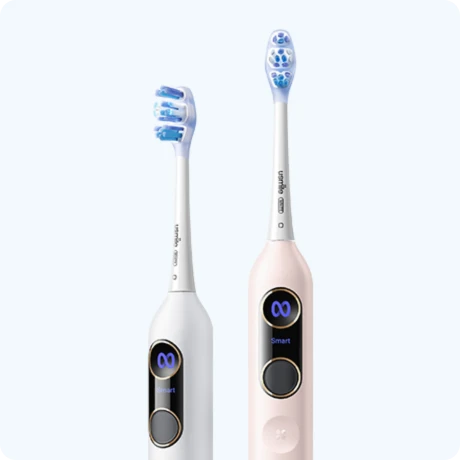
Soft bristles, always. Angled slightly toward the gum, not flat-on against the tooth. Most people get this part wrong, and I include myself for the first few years out of school. A soft-bristle electric toothbrush with built-in pressure control will literally push back when you scrub too hard. That matters more than it sounds, because scrubbing too hard is its own way of causing gum recession. Two full minutes of brushing, every time. Don't shortchange the back molars, please. Those are the ones plaque really likes to hide on.
Consider a Smart Toothbrush for Better Feedback

A smart electric toothbrush with pressure sensing gives you real-time feedback while you brush. Pressing too hard? It tells you. Missing a quadrant? It tells you. After any periodontal treatment, that kind of feedback is honestly gold. Over-brushing irritates gum tissue that's trying to heal up. Under-brushing lets plaque settle right back in. Either way, you lose ground.
Clean Between Teeth Every Day

A toothbrush can't reach what sits between your teeth, and that's exactly where pockets like to form. String floss, interdental brushes, and a water flosser all work. Truly, the tool matters less than the consistency. Daily, not just on days you happen to remember.
Use a Portable Water Flosser at the Gumline

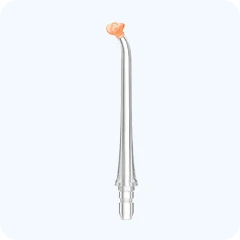
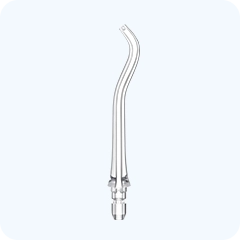
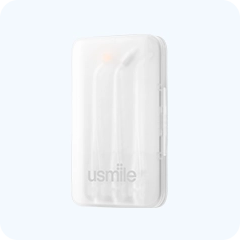
Once pockets get past a few millimeters deep, string floss kind of taps out. It just can't physically reach the bottom of those deeper spots. This is where a water flosser earns its place on your bathroom counter. The pulsing stream of water actually gets down into those pockets that string floss can't reach. A portable water flosser sized for the gumline is small enough to sit on a crowded bathroom counter or fit into a carry-on. The gentle pulsing doesn't smash into sore gum tissue the way aggressive flossing can. To be clear, this isn't a substitute for dental treatment if your pockets are already deep. But for everyday maintenance work? Real upgrade.
When to See a Dentist or Periodontist
If you're noticing any of the warning signs above, book the appointment. Bleeding gums that won't stop. Swelling. Gum recession. Loose teeth,h. Bad breath, no toothpaste can fix—pain when you chew. Don't wait for it. The truth about gum disease is that it moves forward quietly for years before pain ever shows up. That's exactly how most cases of periodontal pockets end up severe before patients even realize something's wrong. If your dentist measures pockets deeper than 5 mm or sees bone loss on your X-rays, just ask about a referral to a periodontist. That's their specialty.
Final Takeaway

Gum pockets themselves hide under the gumline, but the warning signs around them? Pretty obvious once you know what you're looking at. Puffy or swollen gums. Bleeding when you brush. Teeth that look longer than they did a year ago. Bad breath th, that won't quit, no matter what you use. Those are your first clues, and unfortunately, they're the first ones people miss, too. Catch a pocket early, and you can reverse much of the damage. Wait, and you're playing catch-up the rest of your life. Watch your gumline. Build a steadydaily oral care routine at home and actually stick with it. And at your next cleaning, just ask your dentist for your pocket numbers. Most people never do. You should. Track them over time. That's how you stay a step ahead of this. So when people ask what gum pockets look like from the outside, the honest answer is really these visible warning signs — red, puffy gums, bleeding when brushing, and teeth that seem to be stretching out year over year.
FAQs
How do you get rid of pockets in gums?
Honestly, it depends on how deep yours are. Mild ones around 4 mm often shrink on their own after a deep cleaning plus daily flossing or water flossing. At 5 to 6 mm, you're probably looking at scaling and root planing. Past 7 mm, or if there's already bone loss, your dentist will likely bring up pocket-reduction surgery or grafting. There's really no shortcut around the dentist visit, sorry.
How do you tell if you have pockets in your gums?
You can't actually see the pocket, since it sits below the gumline. But the warning signs are usually pretty visible. Bleeding when you brush. Gums that look puffy or darker red than normal. Receding gums that make your teeth look weirdly long. Bad breath that mints don't fix. Loose teeth. New gaps that weren't there a year ago. Your dentist confirms with a probe, but you'll almost always notice the signs first if you're paying attention.
How long does it take for gum pockets to reduce?
Honestly, it depends on the depth and how seriously you take your home care. Mild inflammation can settle in after you've had a thorough cleaning. Pockets in the 5 to 6 mm range usually need a couple of months of scaling, follow-up visits, and consistent flossing and brushing before the gums really reattach. The deeper surgical cases can take 6 to 12 months before things stabilize. Patience helps.
Can 4 mm gum pockets be reversed?
Usually yes, especially if there's no bone loss involved. A 4 mm pocket can normally shrink back to a healthy depth with one good regular dental cleaning, daily flossing or water flossing, and careful brushing along the gumline. The catch is when your dentist also spots bleeding around that pocket, stubborn tartar buildup, or some attachment loss. In that case, you're probably looking at scaling and root planing, too.
What happens if gum pockets go untreated?
They get deeper. That's the simple, kind of awful answer. Bacteria living below the gumline keep eating through the connective tissue and bone that's supposed to hold your teeth in place. Gums recede. Teeth loose,n. Eventually, you start losing them, one by one. Tooth loss is where this whole thing ends up if you ignore it long enough. And it's not just a mouth problem, either, by the way. Research keeps tying untreated periodontitis to higher heart disease risk, plus worse blood sugar if you have diabetes. You have diabetes.
Can I kiss my partner with periodontitis?
Periodontitis isn't contagious the way a cold or the flu is. But yeah, the bacteria involved can technically hitch a ride through saliva. So if you have active bleeding, pus, or open sores anywhere in your mouth, hold off on kissing until you've seen a dentist. Otherwise, normal contact is totally fine. Honestly, your partner's own oral hygiene habits matter way more here than anything they might pick up from you.
What foods should I avoid if I have gum pockets?
Mostly cut back on the sugar. Sticky candy, sugary sodas, and constant snacking on chips or crackers all feed the bacteria that drive your gum disease. And while your gum is healing, hard, crunchyfoods like raw nuts, hard chips, or whole apples can aggravate the tissue. Stick with softer, nutrient-dense foods for a while. Cooked vegetables, eggs, and fish, dairy, and softer fruits like bananas or berries. Boring, but it works.
What does stage 4 periodontitis look like?
Stage 4 is the worst-case scenario, honestly. You'll usually see heavy gum recession, very deep periodontal pockets at 7 mm or more, visibly exposed roots, loose or shifted teeth, breath that's just bad regardless of what you do, sometimes pus near the gumline, and a bite that doesn't quite line up the way it used to. By the time someone's at stage 4, they've often already lost some teeth. Treatment from here almost always involves a periodontist, and recovery can be a long road.
Sources
- Mayo Clinic – Periodontitis: Symptoms and Causes
- Mayo Clinic – Periodontitis: Diagnosis and Treatment
- Centers for Disease Control and Prevention – About Periodontal (Gum) Disease
- Centers for Disease Control and Prevention – Periodontal Disease Fast Facts
- National Institute of Dental and Craniofacial Research – Periodontal (Gum) Disease
- American Academy of Periodontology – Gum Disease Information
- Cleveland Clinic – Periodontitis


Looking for something else?
Best Electric Toothbrush for Teens (2026): Top Picks, Tested and Reviewed
LEARN MORE
Best Electric Toothbrush for Gum Disease (2026): 6 Picks Tested for Real Gum Protection
LEARN MORE
Electric Toothbrush on Plane: The Complete Travel Guide (2026)
LEARN MOREBest Sustainable Electric Toothbrush 2026: 5 Picks Tested for a Greener, Healthier Smile.docx
LEARN MORELooking for something else?
Best Sustainable Electric Toothbrush 2026: 5 Picks Tested for a Greener, Healthier Smile
LEARN MORE
Best Cheap Electric Toothbrush (2026): Top 5 Budget Picks That Actually Work
LEARN MORE
Ultrasonic Toothbrush vs Electric: Which Technology Wins for Your Smile?
LEARN MOREYou may also like
usmile C30SE Portable Dental Flosser

Y10 PRO Electric Toothbrush x C10 Portable Water Flosser


usmile Y20PRO Adults Toothbrush x Q30 Kids Toothbrush

Further reading

The 5 Toothbrushing Spots Kids Miss Most—and How Parents Can Help
The Back-to-School Brushing Reset: A 14-Day Plan for Kids Ages 3–8

Behind usmile D50 OralCam Toothbrush: From Motion Tracking to Visual Intelligence in Oral Care

