













How to Improve Gum Health Quickly: 9 Easy Daily Tips
Bleeding when you brush. Puffy edges that won't calm down. A weird taste that keeps coming back, no matter how much mouthwash you swish. Most of us shrug these off until something gets worse, and that's the part that ends up costing more later. The honest news? Mild gum problems usually clear up faster than people expect, but only when your daily routine actually shifts. If you've been searching for how to improve gum health quickly, you're probably past the ignoring stage already. For background on what's happening below the gumline,this CDC overview on gum disease lays out the basics. So this guide skips the fluff. It covers why your gums matter, the warning signs that actually mean something, the small daily fixes that work, a few home remedies worth trying, and the moment you should stop tinkering and call a dental professional.
Why Gum Health Matters More Than You Think
Cavities pull all the attention. Gums get treated like a footnote. Wrong way round, really.
Think about it like this. Each tooth sits within a thin layer of gum tissue, which blocks bacteria from reaching the bone below. Plaque settles on it. The wrap takes a beating. Tissue weakens. Then early symptoms appear, roughly in this sequence: puffiness around the edges, blood after a floss, soreness in spots that felt totally fine the previous month. That stage is gingivitis. Catch it and act; you can reverse it.
Drag your feet, and gingivitis turns into periodontitis. Bone loss kicks in. Teeth shift around. A few might wobble. By that point, you're dealing with periodontal disease at a stage where buying nicer toothpaste fixes nothing.
How widespread is it? Per the CDC, about 42% of US adults over thirty are carrying some form of periodontitis—almost half of them. Genetics gets blamed a lot for "fine" gums, but really, for most people, it's the daily routine that does the heavy lifting. Researchers have been linking gum disease to diabetes and heart issues, too, which makes caring for your teeth and gums an overall health concern rather than a cosmetic one.

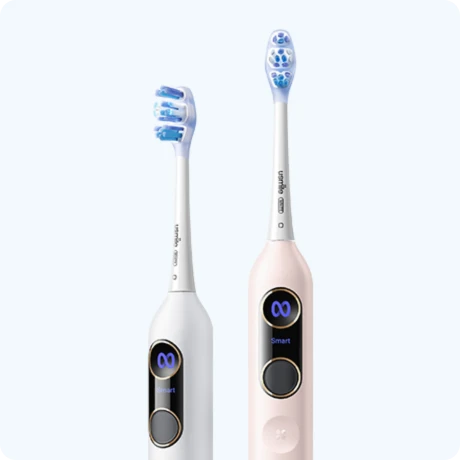
Brands like Usmile, asmart dental hygiene brand, focus their tools on effective plaque removal along the gum line — the exact area where gum disease begins.
Early Signs Your Gums Need Attention

Spot this stuff early, you're looking at maybe two weeks of cleanup. Spot it late, the bill arrives instead — a year of treatment, sometimes more. Worth keeping an eye on:
- Bleeding gums when you brush or floss
- Red, puffy, or tender gums
- Gums that look like they're pulling back from your teeth
- Bad breath that doesn't clear after brushing
- A weird taste hanging around your mouth
- Teeth that feel slightly loose or extra sensitive
- Sore gums when you chew
On their own, none of these screamsan emergency. But pretending nothing's wrong is how minor problems graduate to expensive ones. Most respond to a tighter daily routine plus a quick visit to your dentist.
Can You Really Improve Gum Health Quickly?

It depends on what quickly means to you.
Gingivitis is the reversible stage, and it really does respond. A couple of weeks of doing the basics every day, and the gums settle down visibly. Bleeding fades by the end of week one. Puffy edges go back to a normal pink. Breathing improves. Nothing magical there. It's plaque finally getting cleared off the gum line on a regular schedule instead of sitting there all day.
Anything past gingivitis runs on a different clock. Hardened tartar isn't budging without a scaler at a dental office. Pockets between gums and teeth don't shrink because of better mouthwash. Roots exposed from gum recession stay exposed. Mobile teeth stay mobile. Pus needs antibiotics or worse. Mayo Clinic puts it plainly enough: periodontitis is largely preventable by brushing your teeth twice a day, flossing, and attending checkups—operative word, preventable. Once the bone has started to disappear, prevention isn't the topic anymore.
So, "so quickly" here means about two weeks for early issues. Past that, you need a dental professional involved.
9 Proven Tips to Improve Gum Health Quickly
If you've been wondering how to improve gum health quickly, these nine habits do the heavy lifting. None of them is flashy, but together they reverse early gum trouble within a couple of weeks for most people.
1. Brush Twice a Day with the Right Technique

If the technique is wrong, brushing barely helps. And for most people, it is wrong.Most people brush like they're scrubbing burnt food off a pan — too hard, too fast. The trouble with that is it slowly pushes your gums away from where they should sit against your teeth, and once the gums pull back, they don't really come back on their own. What works way better is a soft brush, tilted around 45 degrees right where your teeth meet your gums, with gentle little strokes for the full two minutes. Pretty much the whole method right there. A quality electric toothbrushtakes care of the timing and motion for you, so you stop running 90 seconds on the front teeth and skipping the back molars with 20.
2. Upgrade to a Smart Brushing Routine

Regular brushes give you zero feedback. Smart ones notice when pressure climbs. They time each quadrant separately. They buzz the second you push too hard on the gums.
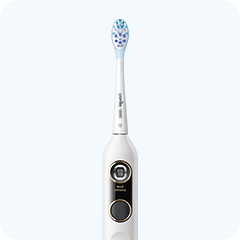
An AI electric toothbrush pushes that further by tracking patterns across weeks and pointing out where you keep missing. Usually, it's the back-left molars or the lingual side of the lower front teeth that nearly everyone rushes. Then the brush nudges you to spend more time there.
For people who've been brushing the same way for twenty years and watching their gums get worse anyway, that's the feedback that actually changes something.
3. Floss Daily or Use a Water Flosser

Roughly a third of every tooth never actually gets touched when you just brush. So all that plaque sitting between your teeth and just under the gum line stays right where it is, doing what plaque does, until something else clears it out. Floss daily. Or, if string floss has been on your "I'll start tomorrow" list for years, pick up a water flosser.
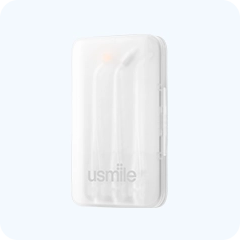
A portable dental water flosser is the easier option, no contest. Way kinder on sore gums than string floss is. Maneuvers around braces, bridges, and dental implants without much fuss. Knocks loose the food particles between teeth that no brush physically reaches. Use one every day, and bleeding gums tend to settle inside the first week or so.
4. Rinse with an Antibacterial Mouthwash

Once the brushing and flossing are done, grab an antibacterial mouthwash and swish for 30 seconds. A proper thirty, not a five-second swirl on your way to the towel. A full half-minute.
That rinse picks up bacteria the brush left behind and helps calm inflamed gums. One thing, though — if your gums are already raw, steer away from high-alcohol mouthwashes. The alcohol dries everything out, which prolongs the irritation instead of helping it.
5. Try a Warm Salt Water Rinse

This one's been around forever. Grandparents swore by it, and plenty of dentists still tell you to do it. Half a teaspoon of regular table salt mixed into a cup of warm water — and yeah, warm, not hot, never hot. Stir it till the salt's gone, then swish for about 15 to 20 seconds. Twice a day, while things are flaring up.
The reason it works comes down to osmosis, basic biology stuff. The salt pulls fluid out of swollen tissue, which is exactly why your puffy gums settle down the moment you spit. There's also a mild antibacterial thing happening, way gentler than the alcohol-based stuff. Salt water isn't going to cure gum disease, let's be clear. What it will do is give you real comfort while the rest of your routine catches up to where it ought to be.
6. Eat Foods That Help Gums Heal

Diet matters way more here than most folks give it credit for. No single food is going to fix gum problems — that's just not how nutrition works. But whatever you eat ends up in your saliva, shapes how your immune system responds, and changes how fast plaque bacteria grow right at your gum line.
Categories that actually pull weight:
- Vitamin C foods — oranges, strawberries, bell peppers, kiwi. Historical sidenote: sailors with scurvy used to get bleeding gums before any other symptoms appeared.
- Calcium — yogurt, cheese, milk, almonds, leafy greens. Keeps the bone around your teeth solid.
- Crunchy, fibrous stuff — apples, carrots, celery. They make you chew; chewing produces saliva, which sweeps food particles out between teeth.
- Green tea is packed with polyphenols that bring down gum inflammation.
- Omega-3 sources: salmon, walnuts, flaxseed. They tackle inflammation right across the whole body.
And the column on the wrong side? Sticky sweets, fizzy drinks, and snacking all day long. Sugar feeds plaque bacteria, plaque drives tooth decay, and tooth decay ends in tooth loss further down the line.
7. Quit Tobacco and Avoid Smoking

Smoking and chewing tobacco wreck your immune system and slow gum healing significantly. NIDCR points out that most gum disease starts with poor brushing and flossing habits. But tobacco products turn a fixable problem into a chronic one—no way around that.
Quitting is one of the fastest interventions for getting gums to respond to treatment again. People often see real improvement within a few weeks of stopping. Hard? Yeah. Worth doing? Also yeah.
8. Stay Hydrated and Manage Stress

Water keeps saliva flowing, and saliva is basically the mouth's built-in cleaning system. Around eight glasses a day is a fair baseline. More if it's hot where you live,e or you're physically active.
Stress is the one nobody flags as dental, but it absolutely is. It generally dampens immune function, and gums feel it. Sleep, walks, even a few minutes of breathing exercises in the day — this matters more for gum healing than people credit. High-stress stretches are also exactly when most people slack off on the routine, which compounds everything.
9. Replace Your Brush Head Every 3 Months

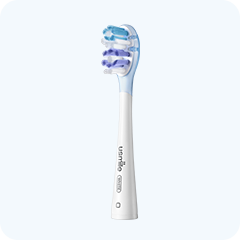
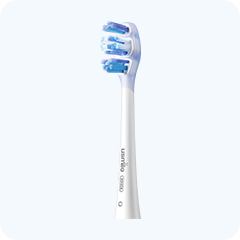
Frayed bristles do a bad job and trap bacteria, which sort of defeats the whole point. Replace brush heads every three to four months, sooner if you can already see the bristles bending out at angles. Stocking a few replacement brush heads in a drawer helps the habit stay in place. Otherwise,e the tired old head ends up in service for another month or two while you mean to reorder.
Simple Home Remedies for Sore or Swollen Gums

These aren't substitutes for an actual dental visit. They're holdovers for while you wait on one.
Green Tea
Two cups of unsweetened green tea a day, that's the practical version. The polyphenols in green tea (EGCG in particular) have a decent body of research supporting their ability to calm gum inflammation. Has to be the unsweetened kind, since adding sugar pretty much undoes the point.
Turmeric Paste
Turmeric has been used on inflamed gums for a couple of thousand years before researchers got around to studying it properly. Curcumin is the compound actually doing the work. Take a pinch of turmeric powder, mix it with just enough water to make a paste, spread it gently along your gum line, leave it there for five or ten minutes, then rinse.
Heads up, though — turmeric leaves yellow marks on anything it touches. The sink. A clean towel. The grout between your tiles. Throw on something old and steer clear of leaning over the carpet.
Aloe Vera Gel
When it comes to gum tissue, aloe pretty much works the way it does on a sunburn — cools things down and takes the sting out of the irritation. Here's the catch though: the cheap aloe sitting on the pharmacy shelf is made for skin, and it's loaded with alcohol, perfume, and preservatives, none of which belong anywhere near your mouth. Get one that's actually labeled dental-grade. Then just dab a small bit onto the sore spots with a clean finger or a cotton swab.
Habits to Avoid:
A few popular ideas online aren't worth trying.
Swishing straight hydrogen peroxide burns soft tissue. Rubbing concentrated essential oils directly onto the gums has the same effect. Scrubbing teeth with baking soda every single day scratches both enamel and gum tissue. Most of the viral whitening hacks doing the rounds fall into the same trap.
The problem behind every one of them is the same — they end up damaging the exact tissue you were hoping to heal.
When Home Care Is Not Enough

Past a certain point,t this isn't a home-care issue anymore. Time to book a dental visit if you're seeing any of:
- Bleeding gums that have continued past 10 to 14 days,s even with better cleaning
- Pus along the gum line
- Loose, shifting, or weirdly sensitive teeth
- Serious gum recession with visible roots
- Bad breath that nothing seems to clear
- Pain when you chew
Treatment from that point typically means a professional dental cleaning, scaling,g and root planing, or in advanced cases,s gum surgery. Catching it early always comes out cheaper than waiting until something actually hurts.
Final Takeaway
There's really no shortcut when it comes to gum health, and how quickly things turn around depends on how far along the issue already is. The stuff that actually moves the needle is the stuff most people skip over. Brush morning and night. Floss before bed every single night, not just the day before your dental appointment. A bacteria-fighting mouthwash pulls its weight too. Drink your water. If tobacco is still part of your life, try to walk away from it. And swap out your brush head when the bristles start fanning out, not when the calendar tells you to.
Early gum trouble — gingivitis — usually settles in about two weeks if you stay consistent. The bleeding stops. Gums look less angry. Brushing stops feeling tender. That's your sign, you caught it in time.
Periodontitis is different. You cannot scrub it away at home. Once the bone underneath starts to give way, only a hygienist can help with a deep cleaning below the gumline. Waiting just makes the bill, and the damage bigger.
So give it two weeks. Watch what your gums do. If the bleeding fades and the soreness drops off, your routine is working. If your gums are still red, still sore, or your mouth still tastes off — book the visit. Small gum problems are cheap to fix. Big ones cost teeth.
FAQs
How can I restore my gum health fast?
Honestly? No real shortcut here. But the quickest route is pretty plain. Soft-bristled brush, twice a day. Floss daily — or water-floss daily if string floss is on your "meaning to do it" list. Stack an antibacterial mouthwash on top of that. Cut back on sugar, drink more water, and book a professional dental cleaning. Run the full routine, and mild gingivitis usually looks noticeably better within a week. Drop bits, the timeline drags out.
Can gums heal in 2 weeks?
Gingivitis can — that's the reversible end of the spectrum. A fortnight of consistent brushing, daily flossing, plus a single professional dental cleaning typically does the job. Past gingiviti,s though, the answer changes. Once bone loss, deep gum pockets, and mobile teeth come into the picture, two weeks won't shift any of it. That falls into periodontist territory, with a much longer recovery timeline.
Which vitamin is good for gums?
Vitamin C is the one most people land on first, and it holds up — gum tissue can't properly repair itself without enough of it. After C, vitamin D supports immune function and bone density. Calcium helps keep the bones that hold teeth in their sockets. Vitamin K is important for clotting (a deficiency often shows up early as bleeding gums, oddly enough). And CoQ10 supports gum tissue overall. Most reasonably varied diets handle this without supplements.
What kills bacteria in your gums?
Mechanical removal does most of the heavy lifting. Brushing, flossing, and water flossing — they physically scrape bacteria off tooth surfaces and push them out from under the gum line. Antibacterial mouthwash chips are chemically on top. If the infection has settled deeper, a dental professional might prescribe a medicated rinse or perform scaling and root planing to remove plaque and tartar below the gum line.
What are Stage 4 receding gums?
Stage 4 firmly falls within advanced periodontitis. You're looking at major bone loss around the teeth. Pockets between the gum and tooth that have gone deep. The tooth roots are visible because the gum has pulled back that far. Teeth that wobble under finger pressure. Nothing about this scenario is a home-care fix — a periodontist needs to assess it, and surgical treatment is often where things head next.
Can weak gums become strong again?
If we're talking about inflamed gums from early gingivitis — yes, they bounce back fully, which is precisely why dentists hammer the prevention message so hard. Gum tissue that's been physically lost to recession is a separate question, because that tissue doesn't grow back on its own. For a severe recession, a periodontist can perform gum grafts. No toothpaste, rinse, or DIY trick will reverse it.
Can receding gums grow back?
Without surgery, no. Lost gum tissue doesn't return on its own,n no matter what online videos claim. What you can actually do is stop whatever's causing it — usually some mix of brushing too hard, untreated gum disease, or grinding teeth at night — so the recession doesn't keep going. For more serious cases, gum grafts or the pinhole surgical technique can physically rebuild the gum line over exposed roots.
What foods fight gum disease?
Anything that backs up the immune system and gum tissue helps. Citrus fruits and berries for vitamin C. Leafy greens and dairy for calcium and vitamin K. Salmon and walnuts for omega-3s. Apples and carrots that get saliva flowing while you chew. Green tea for polyphenols. On the wrong side: sticky candy, sugary drinks, and snacking all day. Those feed plaque bacteria along the gum line.
When should I see a dentist about my gums?
Two weeks is a fair benchmark to start with. Past that — if the bleeding hasn't stopped, if your gums are still swollen or painful, if there's any pus near the gum line — book the visit. The same applies if any tooth starts feeling loose. Late dental appointments always cost more time and money than early ones.
Sources
- CDC – About Periodontal (Gum) Disease
- NIDCR – Periodontal (Gum) Disease
- Mayo Clinic – Periodontitis: Symptoms and Causes
- Cleveland Clinic – Gingivitis and Periodontal Disease
- ADA MouthHealthy – Gum Disease (Periodontal Disease)
- ADA MouthHealthy – Flossing
- ADA MouthHealthy – Water Flossers and Water Flossing
- MedlinePlus – Periodontitis


Looking for something else?
Best Electric Toothbrush for Teens (2026): Top Picks, Tested and Reviewed
LEARN MORE
Best Electric Toothbrush for Gum Disease (2026): 6 Picks Tested for Real Gum Protection
LEARN MORE
Electric Toothbrush on Plane: The Complete Travel Guide (2026)
LEARN MOREBest Sustainable Electric Toothbrush 2026: 5 Picks Tested for a Greener, Healthier Smile.docx
LEARN MORELooking for something else?
Best Sustainable Electric Toothbrush 2026: 5 Picks Tested for a Greener, Healthier Smile
LEARN MORE
Best Cheap Electric Toothbrush (2026): Top 5 Budget Picks That Actually Work
LEARN MORE
Ultrasonic Toothbrush vs Electric: Which Technology Wins for Your Smile?
LEARN MOREYou may also like


usmile Y20 PRO Upgraded AI Electric Toothbrush


usmile Q30 Kids Electric Toothbrush

usmile Q30 Kids Electric Toothbrush Trio Pack
Further reading
The 5 Toothbrushing Spots Kids Miss Most—and How Parents Can Help
The Back-to-School Brushing Reset: A 14-Day Plan for Kids Ages 3–8
Behind usmile D50 OralCam Toothbrush: From Motion Tracking to Visual Intelligence in Oral Care

