



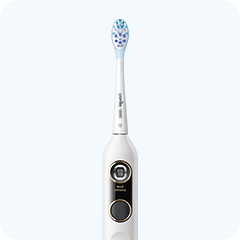


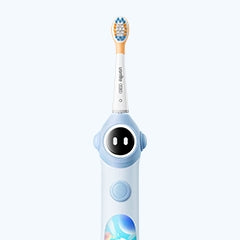



How Long Does an Electric Toothbrush Last: Step-by-Step Guide
Three things people get wrong about electric toothbrushes: they assume the whole device needs replacing when the battery weakens, they keep the same brush head for six months, and they never charge the brush until it literally dies mid-session.
Here's what the actual numbers look like. The device — motor, handle, internals — generally runs three to five years. The brush head wears out in about three months. And a single charge? Somewhere between two and six weeks, depending on what you're working with.
The difference between those ranges is real and it matters. This guide explains what drives them, how to read the wear signals, and which habits either extend or cut short the life of your brush.
How Long Does an Electric Toothbrush Last?

Average Lifespan of an Electric Toothbrush
|
3–5 yrs device lifespan |
2–6 wks per full charge |
3 months brush head life |
For the device itself, three to five years is honest. That's assuming regular daily use and normal care. Budget models sometimes fall short of that — two to three years before the battery starts losing its edge is common in the cheaper segment.
Premium brushes tend to outlast entry-level ones. Better internal components, tighter seals, higher-quality battery cells. The gap becomes obvious around year three.
How Long Does a Charge Actually Last?

Two to six weeks, twice daily, two minutes each session. That's the range. Travel-oriented models typically land on the longer end — longer battery life is partly why people buy them. Standard home models vary based on motor draw and mode intensity.
If the box lists a session count — say, 60 sessions — divide by 14 to estimate weeks at twice-daily use. That's a more useful number than vague marketing language.
How Long Do Brush Heads Last?

Three months. That's the consistent recommendation from most dental associations, and it holds up in practice. The bristle tips round off with use. Once they lose their original shape, the angle against the gumline changes — and plaque removal drops off.
Some people wear them out faster. Firm brushers, or households where two people share a handle, often need a replacement closer to six or eight weeks. The bristles tell you — if the outer ones flare outward when viewed from the back, the head is done.
What Affects the Lifespan of an Electric Toothbrush

Battery Type and Quality
Lithium-ion and NiMH are the two common types. Lithium-ion holds longer, stays consistent throughout the discharge, and degrades more slowly over years of use. NiMH fades faster — you'll notice the brush feel weaker toward the end of a charge cycle before it needs replacing.
Most mid-range and premium models these days use lithium-ion. Budget options sometimes don't. It's not always listed prominently, but it explains why two brushes at different price points behave so differently after two years.
How You Actually Use It

A brush used twice a day by one person lives a different life than one used three or four times, or shared between household members. More runtime means more motor cycles, more heat, faster battery consumption.
Mode selection matters too. The highest-intensity setting pulls more power than the standard clean mode. Using it occasionally is fine. Running it by default every session shortens the charge cycle and puts more long-term stress on the drive mechanism.
Cleaning and Care
Residue buildup around the brush head connection is one of the most overlooked causes of wear. Dried toothpaste in the joint between head and handle creates friction and can accelerate wear on the attachment mechanism over months.
A quick rinse of the handle — not just the head — after each session keeps that from accumulating. Most models are water-resistant, not waterproof. A thorough rinse is fine. Soaking or prolonged moisture exposure around the charging contacts isn't.

Storage and Environment
Bathroom humidity is hard to eliminate, but storing the brush away from direct shower steam reduces exposure. Upright storage lets moisture drain naturally rather than pooling around the neck.
Travel cases trap humidity if they're fully sealed. A ventilated cap or a half-open case is better for the brush head between uses. For the handle, a hard case protects it from the impact of bouncing around in a bag — something the internal motor mount doesn't love.
|
One thing most people don't consider Dropping an electric toothbrush — repeatedly — shifts the internal drive assembly. The brush still runs. But it may sound different or feel less effective, because the vibration mechanism is calibrated and relies on precise mounting. Hard floors are harder on these things than they look. |
How Long Does an Electric Toothbrush Battery Last

Charge Duration in Practice
Two weeks at the low end, six weeks at the high end. The variables: battery cell size, the mode you use most, and whether the battery is relatively new or a few years old.
A brush that used to last four weeks and now needs charging after ten days hasn't broken. That's normal battery degradation. Lithium-ion cells lose capacity gradually over hundreds of charge cycles — it's not a cliff, it's a slope.
Charging Time
Most models take eight to twenty-four hours for a full charge from empty. Some newer designs with faster charging circuits reach 80% in two to three hours. A fifteen-minute top-up is usually enough for a few sessions if you're tight on time.
USB-C charging appears on some portable models now — useful because you're already carrying that cable. Wireless inductive dock charging is still the most common setup for home use.
When the Battery Is Going
The clearest sign is runtime that's noticeably shorter than it used to be, with no change in how you're using the brush. That's degradation, not a charging issue.
- Motor sounds weaker or vibration intensity drops mid-session
- Charge indicator behaves erratically — full light after a short charge
- Takes noticeably longer to reach a full charge than it did when new
- Performance drops sharply before two minutes rather than fading gradually near the end
How Long Does an Electric Toothbrush Head Last
When to Replace
Every three months. That covers roughly 180 sessions at standard twice-daily use. It's not arbitrary — bristle tips flatten and splay with that much contact, losing the cleaning geometry that makes them effective along the gumline.
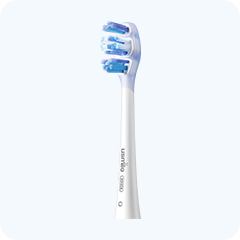
Heavy users need to replace sooner. Firm pressure compresses bristles faster. Some heads include a color-fade indicator that goes from blue to white as the bristles wear — that's worth looking for, because it's more reliable than tracking calendar dates.
What to Watch For
- Splayed bristles. Viewed from the back of the head, outer bristles angling outward instead of standing upright. That's the key visual signal.
- Gum irritation. Worn or bent bristles create uneven pressure. If brushing has started feeling scratchy on the gums, check the head first.
- Less clean feeling. The teeth don't feel as clean after a session as they used to with the same brush. The head is usually the culprit before anything else.
- Visible staining on bristles. Discoloration that doesn't rinse off suggests bacterial and residue accumulation — replace the head regardless of wear level.
How to Make Your Electric Toothbrush Last Longer

Charging Habits
Don't keep it on the dock permanently. Lithium-ion batteries do better with charge cycles — let the battery deplete to low, then charge fully. Constant top-up charging at 100% creates more long-term cell wear than normal use does.
Equally, don't let it drain to zero repeatedly. Deep discharge is hard on cells too. Somewhere in the middle — use it until it signals low, then charge before extended use — is the practical approach.
Daily Cleaning
Rinse the head under cool water for a few seconds after each session. Rinse the neck of the handle too, especially around where the head attaches. That's where dried toothpaste accumulates and creates wear over time.
Once a week, remove the head and rinse the connection point directly. If you see mineral deposits on the metal contacts, a damp cloth clears them. Don't share brush heads — cross-contamination is a hygiene issue separate from equipment longevity, but the wear from multiple users on one head is also real.
Storage and Travel

Store the handle upright, separate from the charging base. Upright keeps moisture from pooling. For travel, a ventilated hard case protects the handle without trapping humidity against the brush neck.
When flying, make sure the brush is packed so the button can't accidentally activate. A running brush vibrating for hours in luggage arrives with a dead battery and an annoyed seat neighbor.
If you're looking at specific models, the smart toothbrush for daily brushing covers the practical checklist for a daily driver. The full electric toothbrushes range has options at different battery life and feature levels worth comparing.
Signs It's Time to Replace Your Electric Toothbrush
Battery No Longer Holds Charge
When the run time shrinks to a fraction of what it used to be — a few days instead of a few weeks — and that persists through a full charge cycle, the battery has degraded past the useful range. Most built-in batteries aren't user-replaceable, so a new device is the realistic answer.
Motor Weakening
A healthy motor holds consistent intensity for the full two-minute session. If it starts strong and fades noticeably before the timer, or stalls intermittently and recovers, the motor is wearing. Intermittent stalling usually progresses to full failure within weeks.
Physical Damage
A cracked casing near the charging port or the head attachment is a problem — it compromises water resistance and lets moisture into the motor housing. Corrosion develops fast after that. Inspect any dropped brush carefully before continuing to use it.
Strange Noise or Changed Vibration
A rattling sound during use usually means a loose internal component from repeated drops. Changed vibration character — the brush feels different rather than just weaker — suggests the drive mechanism has shifted. Both are worth paying attention to before they progress.
Electric vs. Manual Toothbrush: Lifespan Compared
Durability
A manual brush has no battery, no motor, no contacts. It's a handle and bristles. Nothing fails except the head — same three-month schedule as an electric replacement head. Simple.
An electric toothbrush adds a device layer that lasts three to five years with normal care. That's roughly twelve to twenty head replacements before the handle needs attention. Unlike a manual brush, the handle is a durable component and only the consumable part cycles out.
Cost Over Time

|
Option |
Cost |
Annual View |
|
Manual brush |
$2–6 per unit, every 3 months |
$8–24 per year |
|
Electric (device) |
$40–120+ upfront, heads $10–20/year |
Higher year one, lower ongoing |
|
Electric (5 years) |
Device cost amortized + annual heads |
Often comparable or cheaper long-term |
Cleaning Effectiveness
Research from dental institutions generally supports that electric toothbrushes may remove more plaque along the gumline than manual brushing for most people. The advantage comes largely from consistent motion and built-in timers that support better coverage not magic in the bristles.
A manual brush used well beats an electric brush used poorly. Technique and consistency matter more than the tool. Building a steady usmile around whatever you'll actually use twice a day is the real win.
Frequently Asked Questions
How often should you replace electric toothbrushes?
The device: every three to five years, or sooner if the battery degrades significantly. The brush head: every three months, or earlier if the bristles show visible wear. Those are separate timelines — people often conflate them, which leads to either changing too early or too late.
Do electric toothbrushes have a lifespan?
They do. The battery is usually what goes first — hundreds of charge cycles gradually reduce capacity, and after three to five years the difference from when the brush was new becomes hard to ignore. The motor can outlast the battery, but both accumulate wear over time.
Should I get a new toothbrush after norovirus?
Replace the brush head — not the whole device. The handle doesn't have the same bristle contamination risk. Norovirus particles are resilient and can survive on surfaces for days, according to the CDC. A new head removes the primary exposure point. The handle just needs a wipe-down around the attachment area.
Can an electric toothbrush help with gingivitis?
It may, as part of a consistent daily routine. Electric toothbrushes can make it easier to maintain the correct gumline angle and spend adequate time on each section — the two things people most often cut short with manual brushing. The American Dental Association notes that consistent plaque removal is central to managing early gum inflammation. Whether it helps in a specific case depends on consistency and what else is going on.
What are the downsides of electric toothbrushes?
The upfront cost is real — a decent rechargeable model starts around $40 and good ones run higher. Head replacements add up over time. The brush needs charging, and if the battery is dead and there's no charger available, you're stuck.
Some people find the vibration uncomfortable at first, especially on sensitive gum tissue. Most adjust within a couple of weeks, but it's a genuine adaptation period for some users.
How long do viruses live on toothbrushes?
It varies. Cold viruses typically survive a few hours to a few days on hard surfaces. Influenza lasts around 24 hours. Norovirus can persist for days on non-porous materials. The practical rule: replace the head after any viral illness, don't share heads, and store brushes away from others in a household.
What are Stage 4 receding gums?
Gum recession is staged by the degree of root exposure and the depth of periodontal pockets. Stage 4 refers to advanced recession with significant root surface exposed, deep pockets, and often underlying bone loss. This is a clinical condition — a toothbrush, electric or otherwise, can't reverse it. A periodontist is the right person to see for an assessment and treatment plan at that level.
Why does my mouth taste bad when I have the flu?
A few things happen at once. Dehydration reduces saliva, which normally keeps bacteria in check. Mouth breathing from congestion dries things out further. The immune response itself can affect how things taste. It mostly resolves once the illness passes — rinsing with water regularly and staying hydrated helps manage the symptom in the meantime.


Looking for something else?
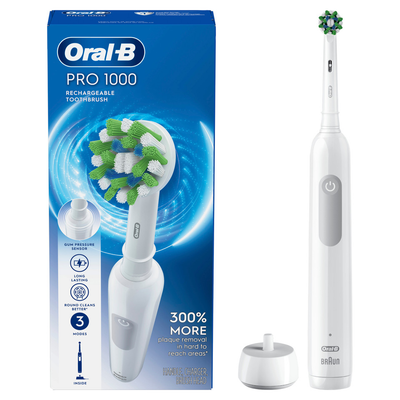
Best Cheap Electric Toothbrush (2026): Top 5 Budget Picks That Actually Work
LEARN MORE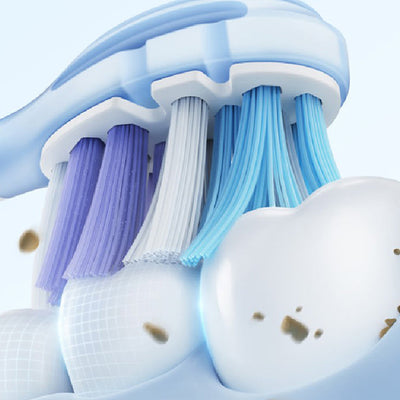
Ultrasonic Toothbrush vs Electric: Which Technology Wins for Your Smile?
LEARN MORE
Best Electric Toothbrush for Sensitive Teeth (2026) — 5 Tested
LEARN MORE
Does an Electric Toothbrush Have a Lithium Battery
LEARN MORELooking for something else?
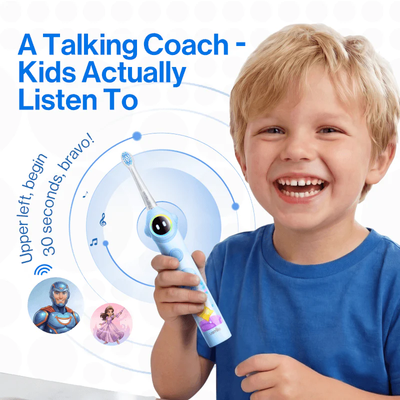
How to Make Brushing Teeth Fun for Kids Without Daily Battles
LEARN MORE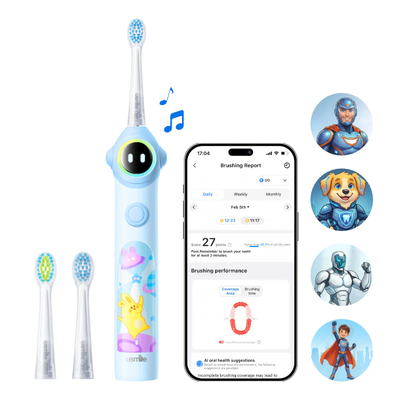
Best Toothbrush for Kids Who Hate Brushing: Parent Guide
LEARN MORE
Best Electric Toothbrush for Kids: What Parents Should Look For
LEARN MOREYou may also like

usmile Q30 Kids Electric Toothbrush Trio Pack


Y10 PRO Electric Toothbrush x C10 Portable Water Flosser


usmile Y20PRO Adults Toothbrush x Q30 Kids Toothbrush

Further reading
Halloween Candy Before Bed: A Kid-Friendly Cleanup Routine to Protect Kids' Teeth
I Thought My Water Flosser Made My Teeth Gaps Bigger—Here’s What May Actually Be Happening

Why Teeth Look More Spaced Out After Water Flossing