








Can You Put Mouthwash in a Water Flosser?
Can You Put Mouthwash in a Water Flosser?

Yes. But there's a version of doing this that works, and another that quietly damages your device — and from the outside, they look identical.
The difference comes down to dilution, mouthwash type, and how your flosser handles additives. Most people skip all three checks. That's usually where things go wrong.
|
✅ Quick verdict Yes — diluted 1:1 with warm water, plain water flush after every session. Go alcohol-free when you can. Your device will last longer. Plain warm water handles it for most people. Mouthwash is a specific tool, not a default upgrade. |
Is It Safe to Put Mouthwash in a Water Flosser?

Yes — with conditions. Never fill the tank with mouthwash from a straight tube. The 1:1 ratio with warm water isn't a suggestion; concentrated formula wears down seals and internal components faster than you'd expect, especially with daily use.
Check your device manual before anything. Other brands may differ — some have explicit warnings against any non-water additive. If your manual doesn't address it, that's not permission. Rinse the reservoir with plain warm water after every mouthwash session, then briefly run the unit in the sink.
When Mouthwash May Make Sense in a Water Flosser
Three situations where mouthwash actually earns its place — versus when it doesn't:
|
🌬️ Fresher Breath A diluted standard mouthwash delivers on this one promise reliably — breath is noticeably fresher afterward. Worth noting: you'd get the same result by rinsing separately after water flossing, with zero risk to the device. |
🦷 Dentist-Recommended Support For active gum disease, periodontal pockets, or recurring cavities, an antibacterial rinse (especially chlorhexidine) adds real clinical value. Key phrase: your dentist recommended it. Not a forum, not TikTok. |
⚙️ Braces, Bridges, Implants Hardware creates crevices where bacteria settle — brackets, under bridge margins, around implant collars. Adding an antiseptic rinse to the water pressure helps in areas where a plain stream barely has any effect. |
When Plain Warm Water Is Usually the Better Choice

Water flossers do their core job with water. The pressurized stream is what actually cleans — mouthwash adds chemistry on top of mechanical action, which only matters if you need that chemistry.
For everyday cleaning
For most people with a solid brushing habit, the marginal benefit of adding mouthwash to the tank is hard to measure and easy to overstate. Plain warm water is what dental professionals default to — and the reasoning is sound.
If you have sensitive gums or irritation
Some users who switch from water to diluted mouthwash notice bleeding that wasn't there before, at the same pressure setting. That's irritation from the formula, not cleaning. If that happens — stop, go back to water.
If you are not sure what your device allows
Safest move: water floss first, follow with a separate mouthwash swish. You get both benefits fully, no dilution compromise, and the device stays clean. Many dental professionals prefer this sequencing.
What Kind of Mouthwash Is Best for a Water Flosser?
Three categories — with different uses, different risks, and different protocols:
|
Standard / Cosmetic |
Antiseptic |
Prescription (Chlorhexidine) |
|
|
Main benefit |
Freshens breath, odor control |
Kills bacteria, reduces gingivitis |
Treats active periodontal disease |
|
Safe diluted? |
✓ Yes, 1:1 with warm water |
✓ Yes, 1:1 with warm water |
⚠ Follow the dentist's instructions only |
|
Best for |
Daily freshness preference |
Gum disease prevention, extra cleaning |
Periodontal pockets, dentist-prescribed |
|
Alcohol risk |
Varies — choose alcohol-free |
Varies — choose alcohol-free |
No alcohol — prescription formula |
|
Device wear |
Low if alcohol-free |
Low if alcohol-free |
Low — follow professional guidance |
Standard vs antiseptic mouthwash
Standard handles odor and freshness. Antiseptics target bacterial growth, which is why it gets used for gum disease management. Both follow the same protocol: 1:1 dilution, rinse after.
Why alcohol-free is usually the safest default
Alcohol content gradually dries out seals and plastic components. That degradation is slow enough that most people don't connect it to mouthwash when things eventually fail. Alcohol-free sidesteps the problem entirely. With kids using the device, it's a non-negotiable — swallowing alcohol-based formula causes GI issues.
When prescription rinses like chlorhexidine belong in the conversation
Chlorhexidine is prescription-only for specific periodontal conditions. If your dentist prescribed it, follow their instructions exactly — concentration, tip type, pressure, post-rinse protocol. This is not territory for general experimentation.
What Should You Never Put in a Water Flosser?
The additive category matters. These aren't preference calls — they cause measurable damage.
|
✓ Safe to use (diluted 1:1) |
✗ Never use |
|
Standard mouthwash |
Concentrated essential oils (tea tree, etc.) |
|
Antiseptic mouthwash |
Iodine |
|
Therapeutic rinse (dentist-prescribed) |
Baking soda |
|
Hydrogen peroxide 3% |
Salt/saline in cordless handheld units |

How to Use Mouthwash in a Water Flosser Safely
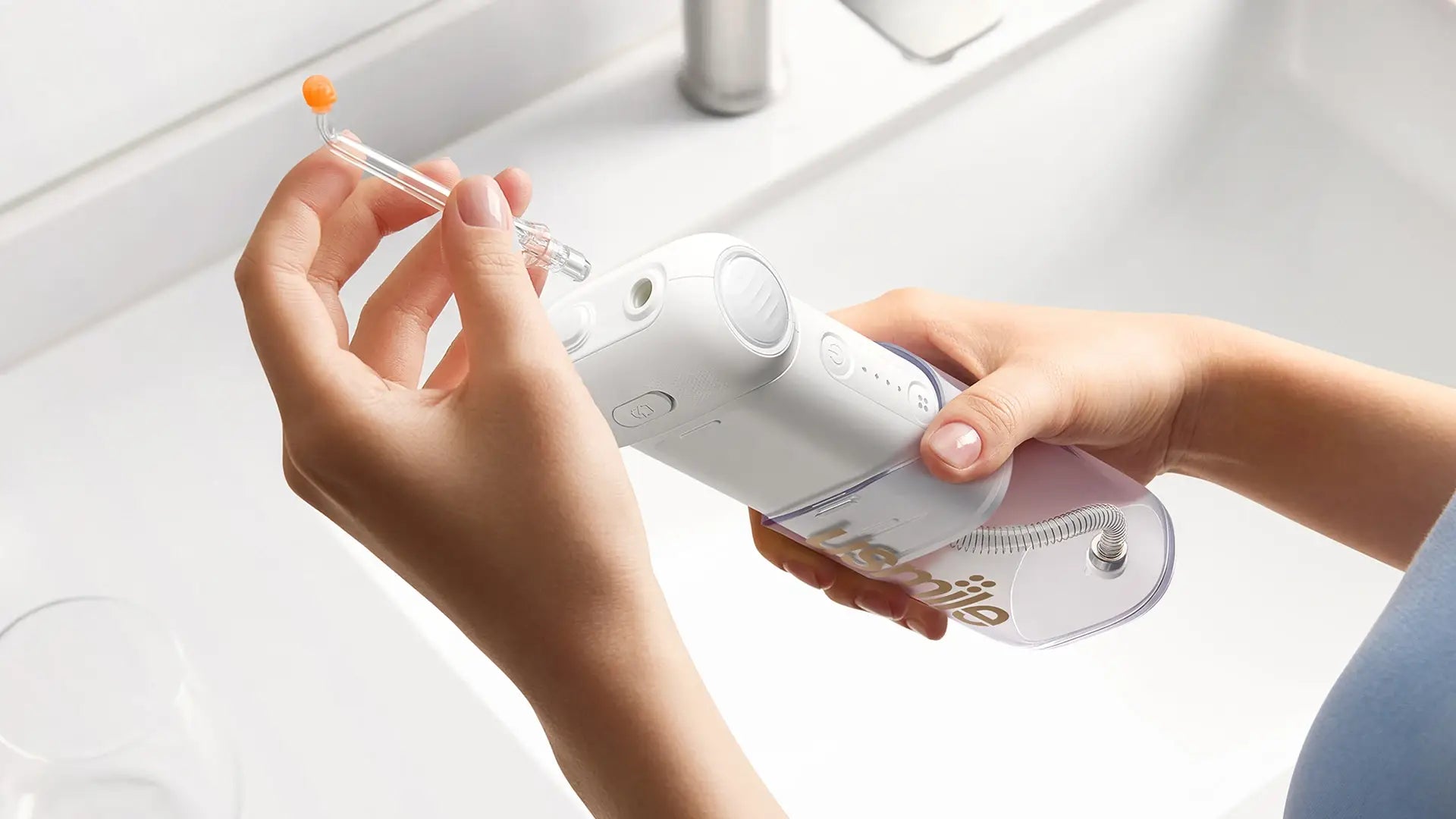
Confirmed your device allows additives? Here's the process. If you're still deciding on a unit, look for a flosser that's easy to maintain — a removable reservoir and accessible tubing make the post-mouthwash flush actually quick.
|
# |
Step |
What to do |
|
1 |
Dilute with warm water |
Fill with warm water first, then add mouthwash. 1:1 is the maximum — at least half the tank should be water. Warm water also helps with tooth sensitivity. |
|
2 |
Start at the lowest pressure |
Mouthwash solutions can feel more intense against gum tissue than plain water. First session — go to the lowest setting regardless of what you normally use. Increase when ready. |
|
3 |
Aim along the gumline |
Direct the stream at ~90° to the gumline and trace slowly. The goal is to flush debris and deliver the solution along the tissue margin — not to inject it under the gum at high pressure. |
|
4 |
Flush the reservoir after |
After every mouthwash session: empty the tank, refill halfway with plain warm water, and run it into the sink. This clears residue from the pump, tubing, and tip. Takes 30 seconds. Non-negotiable if you use alcohol-based formulas. |
Does Mouthwash Work Better Than Water Alone?
For most people, in most situations — no. Not in any measurable way. See the comparison:
|
What you're cleaning for |
💧 Plain warm water |
🧴 Diluted mouthwash |
|
Remove food particles |
✓ Excellent |
✓ Excellent |
|
Disrupt plaque along the gumline |
✓ Effective |
✓ Effective |
|
Kill bacteria (antibacterial) |
✗ None |
✓ Yes — if antiseptic |
|
Freshen breath |
Neutral |
✓ Yes |
|
Risk to device seals |
None |
Low–medium (depends on formula) |
|
An extra step is required after |
None |
✓ Plain-water flush needed |
|
Worth it for healthy gums? |
✓ Enough |
Not measurably better |

What Water Already Does Well
The cleaning in a water flosser is mechanical — pressurized pulses dislodge debris and disrupt bacterial colonies. Plain water does all of that. It's not a passive carrier for another ingredient. It's doing the actual work.
What Mouthwash May Add
Antibacterial mouthwash extends antiseptic contact time in areas the device reaches. For early-stage gum disease or a periodontist's recommendation, extended contact is genuinely useful. The clinical evidence here is mostly in the chlorhexidine space, not cosmetic mouthwash.
Why Most Users Should Not Expect Dramatic Extra Cleaning Benefits
Its documentation states standard mouthwash at 1:1 is "not clinically evaluated to determine any benefits beyond using water alone" for the general population. If your gums are healthy and you're already flossing consistently, mouthwash in the tank is an aesthetic preference — valid if you enjoy it, just not a clinical upgrade.
When to Stop and Ask a Dentist
|
🩸 Bleeding, pain, or swelling Some initial bleeding when first using is normal — gums that haven't been fully cleaned tend to bleed briefly. Bleeding that starts after switching to mouthwash, or that persists and worsens after going back to water, needs a dentist. Don't self-adjust and wait. |
⚕️ Existing oral conditions Oral health recommendations don't generalize. People with oral mucositis (common with radiation therapy) should avoid mouthwash entirely. If you have an active condition being managed by a specialist, ask before changing anything in your routine. |
💊 Prescription rinse questions If you've been prescribed chlorhexidine or a therapeutic rinse, follow the instructions as given — concentration, tip type, pressure, post-rinse. If the instructions didn't specifically cover water flosser use, call the office and ask before improvising. |
FAQs
Do you need to dilute mouthwash in a water flosser?
Yes — always. Full-strength mouthwash damages internal seals over time and can irritate gum tissue. The 1:1 ratio is the upper limit; more water, less mouthwash is fine.
What kind of mouthwash is safest for a water flosser?
Alcohol-free standard or antiseptic mouthwash. Avoid anything with concentrated essential oils, abrasive particles, iodine, or heavy dye formulations.
Is alcohol-free mouthwash better for a water flosser?
Yes. Alcohol degrades rubber seals and plastic components gradually — you won't notice until something fails months later. Alcohol-free formulas provide the same freshening or antibacterial effect without that wear pattern.
Can you use Listerine in a water flosser?
You can dilute 1:1 with warm water. Traditional Listerine contains 21–26% alcohol, depending on the formula, so long-term use adds up for device health. The alcohol-free Listerine versions are a better choice for regular use.
What should you never put in a water flosser?
Concentrated essential oils, iodine, baking soda, and salt or saline solutions in cordless handheld units. Each causes different damage — clogging, staining, corrosion, abrasive buildup — but all shorten device life.
Is it bad to use a water flosser every day?
Not at all. Daily use is the standard recommendation. There's no downside to more frequent use as long as pressure settings are appropriate for your gums.
Do I brush my teeth before using a water flosser?
After works better for most people. Floss first to remove debris, then brush so the fluoride in your toothpaste stays on your teeth rather than being rinsed away.
Why does my gum bleed when I use mouthwash in my water flosser?
Two likely causes: the pressure is too high, or the mouthwash formula is irritating tissue in a way plain water wasn't. Drop the pressure first. If you recently switched to a mouthwash solution and that's when bleeding started, go back to water. Try alcohol-free if it persists.
Conclusion
You can put mouthwash in a water flosser — diluted 1:1 with warm water, alcohol-free when possible, and a plain water flush afterward. Check the manual for your device. And if you're wondering whether you actually need it: for most people, keeping your whole-mouth routine consistent matters far more than what goes into the tank.
Save the mouthwash for situations where it earns its place: active gum disease, a dentist's recommendation, or hardware that traps bacteria in ways water pressure alone doesn't fully clear. Outside those cases, the performance difference is minimal.


Looking for something else?
Best Electric Toothbrush for Gum Disease (2026): 6 Picks Tested for Real Gum Protection
LEARN MORE
Electric Toothbrush on Plane: The Complete Travel Guide (2026)
LEARN MOREBest Sustainable Electric Toothbrush 2026: 5 Picks Tested for a Greener, Healthier Smile.docx
LEARN MORE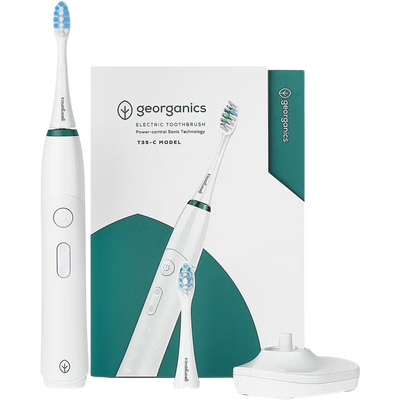
Best Sustainable Electric Toothbrush 2026: 5 Picks Tested for a Greener, Healthier Smile
LEARN MORELooking for something else?
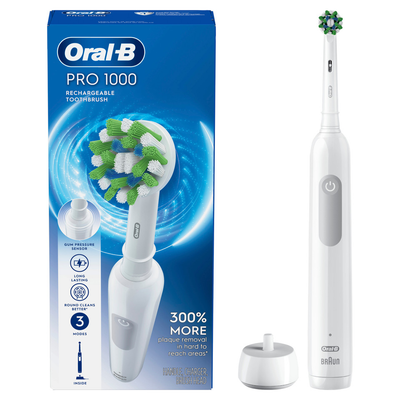
Best Cheap Electric Toothbrush (2026): Top 5 Budget Picks That Actually Work
LEARN MORE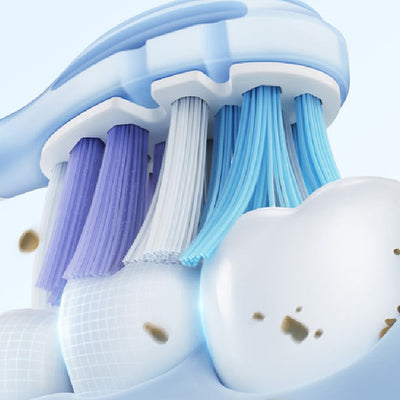
Ultrasonic Toothbrush vs Electric: Which Technology Wins for Your Smile?
LEARN MORE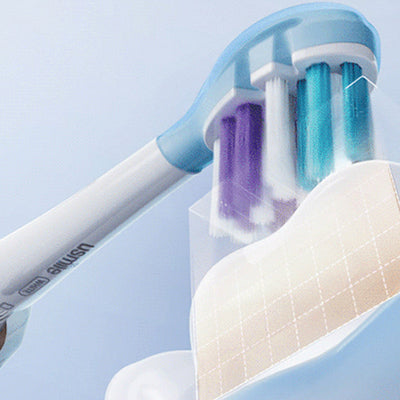
Best Electric Toothbrush for Sensitive Teeth (2026) — 5 Tested
LEARN MOREYou may also like
usmile Y20PRO Adults Toothbrush x Q30 Kids Toothbrush

usmile C30 Water Flosser Toiletry Bag Pack


Further reading
Plaque, Stains, or Food Debris? How to Interpret What a Toothbrush Camera Shows
The 5 Toothbrushing Spots Kids Miss Most—and How Parents Can Help
The Back-to-School Brushing Reset: A 14-Day Plan for Kids Ages 3–8