







Ultrasonic Toothbrush vs Electric: Which Technology Wins for Your Smile?

You probably didn't expect shopping for a toothbrush to get this complicated.
But walk into any pharmacy these days, and there's sonic, ultrasonic, oscillating, AI-powered, UV sterilizing — and every single one is apparently going to change your life. It's a lot.
Here's what actually matters: sonic and ultrasonic brushes aren't just two names for the same thing. The technology inside them is genuinely different. One scrubs. The other disrupts. And for some people, that distinction makes a real difference at every dental visit.
So let's get into it — straight, no fluff, just what you need to know.
How Sonic Toothbrushes Work

Most electric toothbrushes you'll see today are sonic. There's a small motor in the handle that moves the brush head back and forth at a very high speed — typically somewhere between 20,000 and 48,000 strokes per minute, depending on the model.
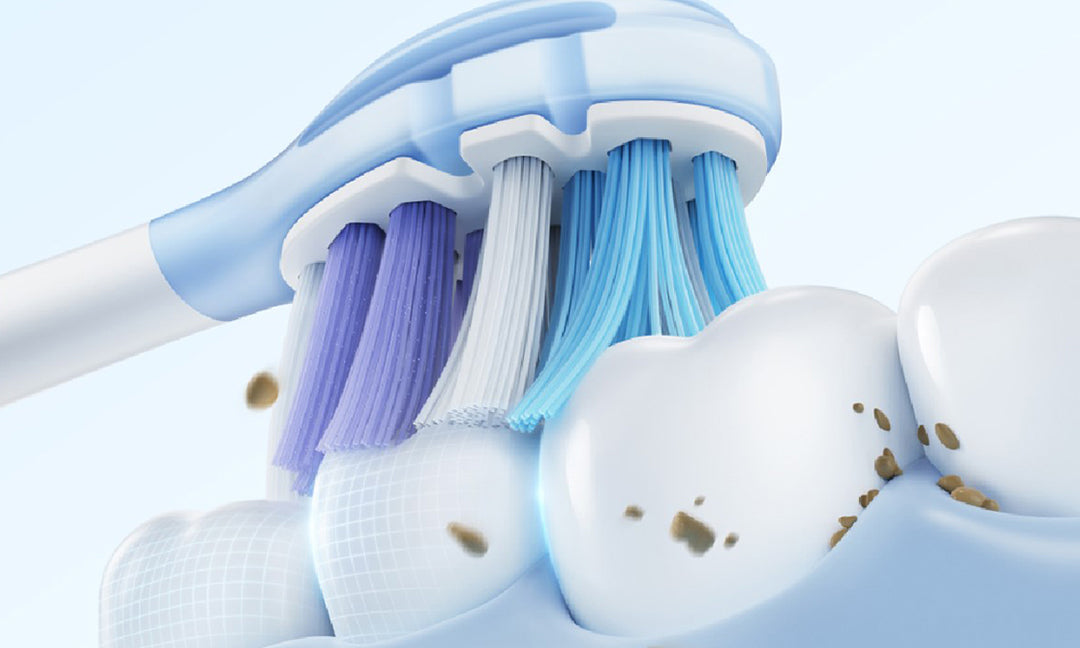
Now, fast bristles are nice and all. But the real magic is what happens to the liquid in your mouth at those speeds. The water, toothpaste, and saliva get whipped into a foam that actually seeps into spaces the bristles never physically touch — up to 4mm past the bristle tips, into the gaps between your teeth, and below the gumline.
Dentists call this acoustic fluid dynamics. It sounds technical, but the takeaway is simple: sonic brushes clean beyond what you can see. That's the main reason they beat manual brushes in study after study.
And you feel it working. There's a buzz, a clean tingle. Your teeth feel polished when you're done. A lot of people need that tactile confirmation — it's part of why they keep using the brush.
How Ultrasonic Toothbrushes Work

Completely different story here.There's no motor. Instead, ultrasonic brushes use a piezoelectric transducer — a crystal that vibrates when an electric current passes through it. And it vibrates fast. We're talking 1.6 MHz, or about 2.4 million movements per minute, way above the range of human hearing. You can't hear it at all.
That frequency creates something called acoustic cavitation. Tiny bubbles form and collapse on the surface of your teeth millions of times per second. Those collapses release bursts of energy that break apart the molecular bonds holding plaque biofilm together. The bacteria in your plaque don't get scrubbed off — their structure falls apart.
And because ultrasonic waves travel through solid material, they go deeper than bristles ever could. We're talking 5–6mm below the gumline, into the periodontal pockets where gum disease lives and where no toothbrush physically reaches.
Here's the weird part, though: it barely feels like anything. No strong buzz, no satisfying tingle. First-time users often feel like the brush isn't working at all. That takes some getting used to.
Sonic vs. Ultrasonic — How They Stack Up
|
Feature |
Sonic (Electric) |
Ultrasonic |
|
Cleaning Method |
Physical scrubbing + fluid dynamics |
Acoustic cavitation/biofilm disruption |
|
Speed |
12,000–48,000 strokes/min |
~2,400,000 cycles/min (1.6 MHz) |
|
Gum Reach |
Up to 4mm past bristle contact |
Up to 5–6mm into periodontal pockets |
|
Sound |
Moderate hum |
Near-silent |
|
Feel |
Noticeable vibration; satisfying |
Minimal sensation |
|
Clinical Data |
Decades of strong RCT data |
Solid but still building |
|
Price |
$20–$250 |
$150–$400+ |

On Plaque Removal
Honestly, on accessible tooth surfaces — the flat enamel you can see and reach — both technologies perform similarly. Both destroy manual brushing in the research. The real gap shows up in the places you can't see.
Sonic brushes are excellent on surfaces. Fast, physical, effective, satisfying. But they cap out around 4mm past the bristle tips. Ultrasonic waves go to 5–6mm. That extra depth is where gum disease starts, and it's where the meaningful clinical difference between these two technologies lives.
On Gum Sensitivity
This is where ultrasonicsclearly pull ahead.
The CDC reports that roughly half of American adults over 30 have some form of periodontal disease — and a lot of that damage is caused or made worse by brushing too hard. Pressing too hard, wrong angle, medium-stiff bristles on already-irritated gums.
Sonic brushes with a pressure sensor help — the motor reduces speed when you press too hard, so you get a warning before damage occurs. That's genuinely useful. But physical contact is still happening. On very inflamed or receding gum tissue, even careful sonic brushing can feel like too much.
Ultrasonic removes that problem entirely. No mechanical contact, no abrasion. You can run the brush head right along the gumline,e and the bacteria get disrupted without anything pressing against the tissue. For someone recovering from a deep cleaning, or managing chronic gingivitis, that's not a minor thing — it's the whole game.
On Braces and Implants
If you have braces, brushing is already a nightmare. Brackets and wires create dozens of little recesses where plaque builds up constantly, and no bristle gets everywhere.
Ultrasonic waves travel through metal brackets and into the surrounding tissue, reaching bacteria in areas the brush never physically contacts. For anyone two years into orthodontic treatment who doesn't want white-spot lesions on their teeth when the braces come off — this actually matters.
Same thing with implants. The gum-implant junction is a known failure point. A condition called peri-implantitis — basically gum disease around an implant — is one of the leading causes of implant loss. Ultrasonic waves cleaning 5–6mm into that interface is genuinely different from anything a sonic brush can do.
Who Should Buy Which?
Healthy Adults — Just Get a Sonic
If your last few dental check-ups were clean, your gums are fine, and you don't have braces or implants — buy a good sonic brush. You don't need ultrasonic tech. The price premium doesn't come with a proportional benefit for your situation.
A quality sonic brush with a pressure sensor and a two-minute timer is everything you need. Full stop.
Gum Disease Patients — Think Seriously About Ultrasonic

If your dentist has mentioned gingivitis, periodontitis, or "you need a deep cleaning," an ultrasonic is worth having a real conversation about. Disrupting bacteria below the gumline between professional appointments is clinically meaningful. It won't replace your scaling appointments, but it slows things down in between.
Ask your periodontist directly. Some actively recommend ultrasonics for maintenance patients. Some are fine with a good sonic brush paired with a water flosser. Your specific pocket depth and inflammation levels matter — this isn't a one-size answer.
Aggressive Brushers — Fix the Habit First
More people than you'd think press too hard. If a dentist has mentioned thinning enamel or gum recession, that habit carries over from manual to electric toothbrush use. You'll press just as hard with a sonic brush as you did by hand, which turns a great cleaning tool into something that actively damages your gums.
Two options: a sonic brush with a pressure sensor that cuts the motor when you push too hard, or an ultrasonic brush that removes the mechanical variable entirely. Either works. The sensor-equipped sonic brush is usually cheaper.
Brace and Implant Wearers — Ultrasonic Earns Its Price Here
Covered above, but worth repeating: if you're protecting orthodontic enamel or fighting peri-implantitis risk, the acoustic penetration of an ultrasonic brush is genuinely valuable. If the budget doesn't stretch there, a slim-headed sonic brush used carefully is still miles better than the average routine — just not quite the same.
Chemo Patients — Ultrasonic or Softest Sonic, Nothing Else
Chemotherapy causes mucositis — severe inflammation of the mouth lining. Gum tissue gets fragile, bleeds easily, and basic brushing can be genuinely painful. Skipping it makes the bacterial environment worse fast.
Ultrasonic in pure mode is the safest tool here. No physical contact pressure on already-damaged tissue. If it's not accessible, the lowest setting on the softest sonic brush available is the fallback — but ultrasonic is the right call if you can get it.
Our 2026 Picks
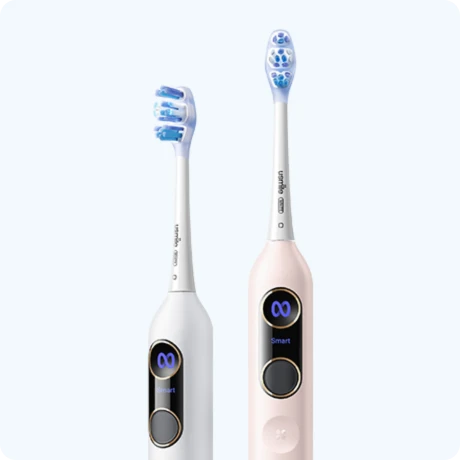
Best Overall: usmile Y20 PRO

This is what we'd hand most people, and it's not a close decision.The AM/PM mode is smarter than it sounds. Morning brushing gets a lighter, gentler action — your gums are typically more sensitive right after waking up. Evening shifts to a deeper clean automatically. You don't adjust anything; it just happens based on the time of day.
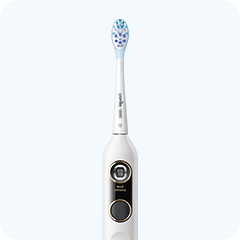
The AI pressure mapping of usmile Y20 PRO is genuinely the standout feature. The smart screen on the handle tracks where you've been brushing — and shows you the spots you've been skipping. Most people are surprised the first time. Turns out almost everyone under-cleans the same two or three spots every single day without realizing it. Using this brush for a week tends to fix that permanently.
The 4.3mm slim head is worth mentioning, too. It reaches the back molars without the awkward angle that most people rush through because it's uncomfortable—a lot of the plaque problem in adults'lives is in exactly those spots.
Best Value: usmile P10S

One charge. Six months of brushing. That's the headline.
Most electric brushes need charging every two to three weeks. The usmile P10S needs it twice a year. If you travel, share a bathroom, or just hate managing cables — that's a completely different experience with the product. You put it down and don't think about it for months.
The cushioned brush head is a nice touch, too. There's a small amount of flex built into the base, so if you do press harder than you should, some of that force gets absorbed before it reaches your gums. Not a full pressure sensor, but thoughtful passive protection.
Best True Ultrasonic: Megasonex M8S
If you've read everything here and decided ultrasonic is what your situation calls for, the Megasonex M8S is the one to get. It runs at the clinical 1.6 MHz frequency, as referenced in the research literature. Not a marketing frequency. The one from the studies.
It also has a hybrid mode where you can layer sonic vibration underneath the ultrasonic frequency. Pure ultrasonic mode is completely silent and feels like almost nothing, which is great clinically, but takes adjustment. The hybrid mode adds tactile feedback for people who find the silence disorienting at first. Smart design.
It's not cheap, and replacement heads cost more than standard sonic ones. But for someone managing active periodontal disease, protecting implants, or navigating two years of orthodontic treatment, it's a legitimate investment with real expected returns.
Mistakes That Cancel Out Your Technology

Pressing Too Hard
This is number one, by a wide margin. Pressing hard doesn't clean better — it bends the bristle tips sideways, cuts the effective contact area, and scrubs gum tissue instead of enamel. Hold the brush the way you'd hold a pe—light, resting contact. Let the motor do what it's designed to do.
Running Old Brush Heads
Three months is the standard. Most people push it to six, sometimes longer. Worn, splayed bristle tips don't sit flat against the tooth surface — they've bent outward and make poor contact. A worn head on a $200 brush performs worse than a fresh head on a $40 one.
Rushing the Back Molars
Decay and gum disease disproportionately hit the back teeth — because they're awkward to reach, so people rush them—thirty seconds per quadrant: front top, back top, front bottom, back bottom. The timer on your brush exists for this exact reason.
Brushing Right After Eating
Food acids temporarily soften your enamel. Brushing within 30 minutes of a meal — especially anything acidic — is basically scrubbing a softened surface. Rinse with water and wait. Come back when the pH in your mouth has settled down. Simple.
FAQs
Are ultrasonic toothbrushes better than electric toothbrushes?
Neither wins universally — they're built for different things.
Ultrasonic is better for deep gum work, periodontal disease management, and cleaning around implants and braces. The acoustic waves reach places bristles can't, and they clean without mechanical contact — which matters a lot for people with sensitive or already compromised gum tissue.
Sonic is better for everyday plaque removal, cost, accessibility, and variety. The clinical evidence behind sonic brushes spans decades. The best models now come with pressure sensors and AI mapping. For the vast majority of people with healthy gums and normal plaque levels, a good sonic brush covers everything.
Best move: bring it up with your dentist. Ask specifically, based on your chart. That question takes 30 seconds and cuts through all the noise.
Do dentists recommend ultrasonic toothbrushes?
Some do, but it's specific. Periodontists working with patients who have deep pockets, active disease, or complex hardware are the most likely to recommend ultrasonic. For the typical patient — healthy gums, normal check-ups — most dentists still recommend quality sonic brushes because the evidence base is larger and the cost is realistic.
If your dentist hasn't specifically recommended one type over the other, it's worth asking. Most will give you a direct answer in about half a minute based on your actual clinical situation.
What is the best toothbrush for chemo patients?
Chemotherapy causes mucositis — severe inflammation of the mouth lining. Tissue gets fragile, painful, and prone to bleeding. Even a soft sonic brush can feel brutal during treatment.
Ultrasonic in pure mode is the safest option here because it cleans without any physical contact pressure on the tissue. If that's not accessible, the lowest setting on the softest available sonic brush is the practical fallback. Oncology care teams often include specific oral hygiene guidance in their protocols — it's worth asking your care team for a recommendation tailored to your specific treatment.
What are the disadvantages of a sonic toothbrush?
Three things: vibration, noise, and gum risk without a pressure sensor.
The vibration is noticeable and takes a few days to adapt to. Most users adjust fine. Some with significant sensitivity don't ever love it — starting on a low or "sensitive" mode helps with the transition.
The sound is real but not loud — around 60 decibels, similar to a normal conversation. Early morning in a quiet bathroom, it's noticeable.
The gum risk is the most clinically significant issue. Without a pressure sensor, an aggressive brusher using a sonic brush can accelerate gum recession. The mechanical power that makes them effective is also what makes them damaging when misused. This is why pressure sensors are genuinely protective, not just a premium feature.
What is the healthiest toothbrush to use?
Straight answer: whichever one you'll actually use for two full minutes, twice a day, with soft bristles and a light hand. That's not a dodge — technique and consistency beat technology every single time.
But within that: soft bristles, always. A pressure sensor, if you can get one. Any brush at any price point that tells you when you're pushing too hard is healthier than one that doesn't. Enamel doesn't grow back. Neither does receded gum tissue. The prevention side of this conversation is real.
Can I use a Sonic toothbrush every day?
Yes, absolutely — that's what it's for. Twice daily, every day. There's no risk of overuse, no rest period needed.
The only caution is the same one throughout this whole piece: pressure. Daily use with too much force does accumulate over time. Bristles splay faster, gum tissue wears, and your dentist notices. Light pressure, soft bristles, new heads every three months. That's the whole checklist.
How long should you brush with a sonic toothbrush?
Two minutes. Most adults are convinced they brush for two minutes. Most actually brush for 45 to 90 seconds. There's a real gap there.
The 30-second-quadrant pulses built into most decent brushes exist specifically for this. Front top, back top, front bottom, back bottom — 30 seconds each. If your brush doesn't have a timer, set one on your phone. It feels silly the first time and automatic by the end of the week.
What is the 3-3-3 rule for brushing teeth?
It's a habit framework: brush three times a day, for three minutes each session, waiting 30 minutes after eating before you start. Useful for people who've been getting poor check-up results despite brushing twice daily — it audits all the variables at once.
The post-meal wait is the part people skip most. Food acids soften enamel temporarily. Brushing right after eating — especially anything citrusy or acidic — scrubs that softened surface. Wait, rinse with water, then brush.
For healthy adults with clean check-ups, twice daily for two minutes is fine. The 3-3-3 rule is more of a reset tool than a permanent standard.
Is a sonic toothbrush worth the money?
Yes. Straightforwardly yes.
One cavity filling costs $150 to $300. One quadrant of deep cleaning runs $200 to $400. A good sonic brush costs between $50 and $200 and lasts several years. The math doesn't need much explaining.
But honestly, the bigger point isn't the money — it's that oral health damage compounds quietly for years before it's visible. You don't feel gum recession happening. You don't notice enamel thinning. By the time your dentist flags it, the damage has been building for a long time. A brush that actually works is one of the cheaper things you can do to protect against genuinely irreversible problems.
Bottom Line

The ultrasonic toothbrush vs. electric toothbrush debate doesn't have a clear winner. It has a winner for your specific dental situation — and that's the answer that matters.
Choose ultrasonic if you're managing active periodontal disease, protecting dental implants, navigating orthodontic treatment, or dealing with sensitivity severe enough that standard vibration causes discomfort. The acoustic technology justifies the premium for those specific cases.
Choose Sonic if you're a generally healthy adult who wants a dramatically better brushing experience than manual, with smart features to catch your blind spots, at a price point that doesn't require a second thought. For the majority of people, a well-designed sonic brush covers every base in a complete
Whatever you choose — use it properly. Two minutes. Soft bristles. Light pressure. Gumline every time. The technology gets you most of the way there. Technique gets you the rest.
Sources
1. American Dental Association (ADA), Toothbrushes — Oral Health Topics, 2024
2. Centers for Disease Control and Prevention (CDC), Oral Health Data and Statistics, 2023
3. National Institute of Dental and Craniofacial Research (NIDCR), Gum Disease — Periodontal (Gum) Disease, 2022
4. National Center for Biotechnology Information (NCBI/PMC), Effectiveness of Sonic and Ultrasonic Toothbrushes — Systematic Review, 2023


Looking for something else?
Best Electric Toothbrush for Gum Disease (2026): 6 Picks Tested for Real Gum Protection
LEARN MORE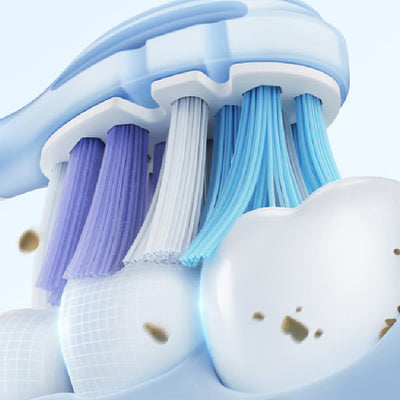
Electric Toothbrush on Plane: The Complete Travel Guide (2026)
LEARN MORE
Best Cheap Electric Toothbrush (2026): Top 5 Budget Picks That Actually Work
LEARN MORE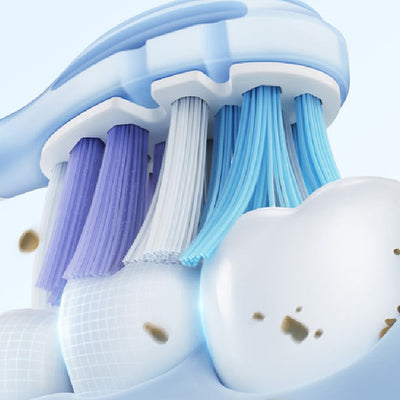
Ultrasonic Toothbrush vs Electric: Which Technology Wins for Your Smile?
LEARN MORELooking for something else?
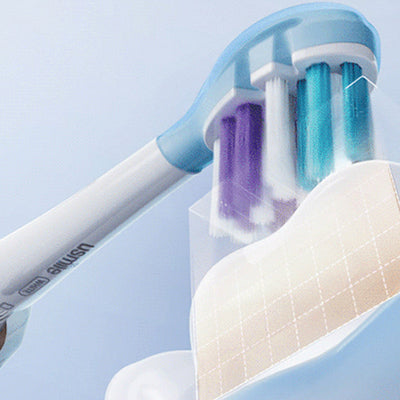
Best Electric Toothbrush for Sensitive Teeth (2026) — 5 Tested
LEARN MORE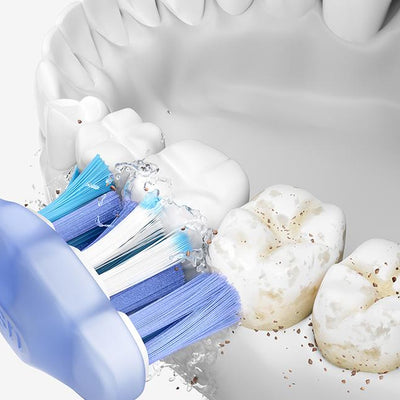
Does an Electric Toothbrush Have a Lithium Battery
LEARN MORE
How to Make Brushing Teeth Fun for Kids Without Daily Battles
LEARN MOREYou may also like

usmile C30SE Portable Dental Flosser

usmile Q30 Kids Electric Toothbrush Trio Pack


Y10 PRO Electric Toothbrush x C10 Portable Water Flosser
usmile Y20PRO Adults Toothbrush x Q30 Kids Toothbrush
Further reading

Why Teeth Look More Spaced Out After Water Flossing
Best Sustainable Electric Toothbrush 2026: 5 Picks Tested for a Greener, Healthier Smile
Plaque, Stains, or Food Debris? How to Interpret What a Toothbrush Camera Shows