







Is a Water Flosser Good for Braces?
Flossing with braces is a nightmare. That’s not an exaggeration — anyone who’s spent 20 minutes threading wax string under every archwire knows exactly what this means. Most people start skipping it after week two. Not because they don’t care, but because it’s genuinely time-consuming and frustrating in a way that regular brushing isn’t.
A water flosser doesn’t just make this easier — it reaches areas that string floss physically can’t get to with hardware in the way. That’s the real story here, and it’s worth understanding why before deciding whether it’s worth the investment.
|
|
Bottom line up front Yes, a water flosser is good for braces — genuinely useful, not just a nice-to-have. It doesn’t replace string floss entirely, but for the areas around brackets and wires, it’s actually the better tool. Most orthodontists recommend one for exactly this reason. |
|
3× more effective than string floss around braces (clinical study) |
~90s average time to water floss with braces vs. 15+ min with threaders |
70% of braces patients develop white-spot lesions — mainly from missed cleaning |
Why Keeping Teeth Clean With Braces Is Actually Hard

Here’s the thing nobody tells you before you get braces: your standard oral hygiene routine basically stops working.
Brushing gets harder because brackets break up the smooth surface of each tooth and create new surfaces your brush can’t reach. Flossing gets harder because the archwire runs across the front of all your teeth — you can’t just slide floss down from the top the way you normally would. You have to thread it under the wire for every single gap, which takes forever.
And here’s what happens when people rush or skip: plaque builds up around the base of brackets. Acids from that bacteria start demineralizing the enamel. When the braces come off, there are white rings around every bracket. Those are called white-spot lesions, and they’re essentially early-stage enamel damage that’s permanent.
Nobody wants to spend two years in braces and come out with visible damage to their teeth. The whole point is the opposite.
|
“I thought it was a luxury product. But once I had braces, it was so hard and time consuming to normally floss, so I invested in one, and it’s amazing. It cleans so well in less time.” — Reddit user, r/braces — on switching to a water flosser mid-treatment |
What a Water Flosser Actually Does Differently

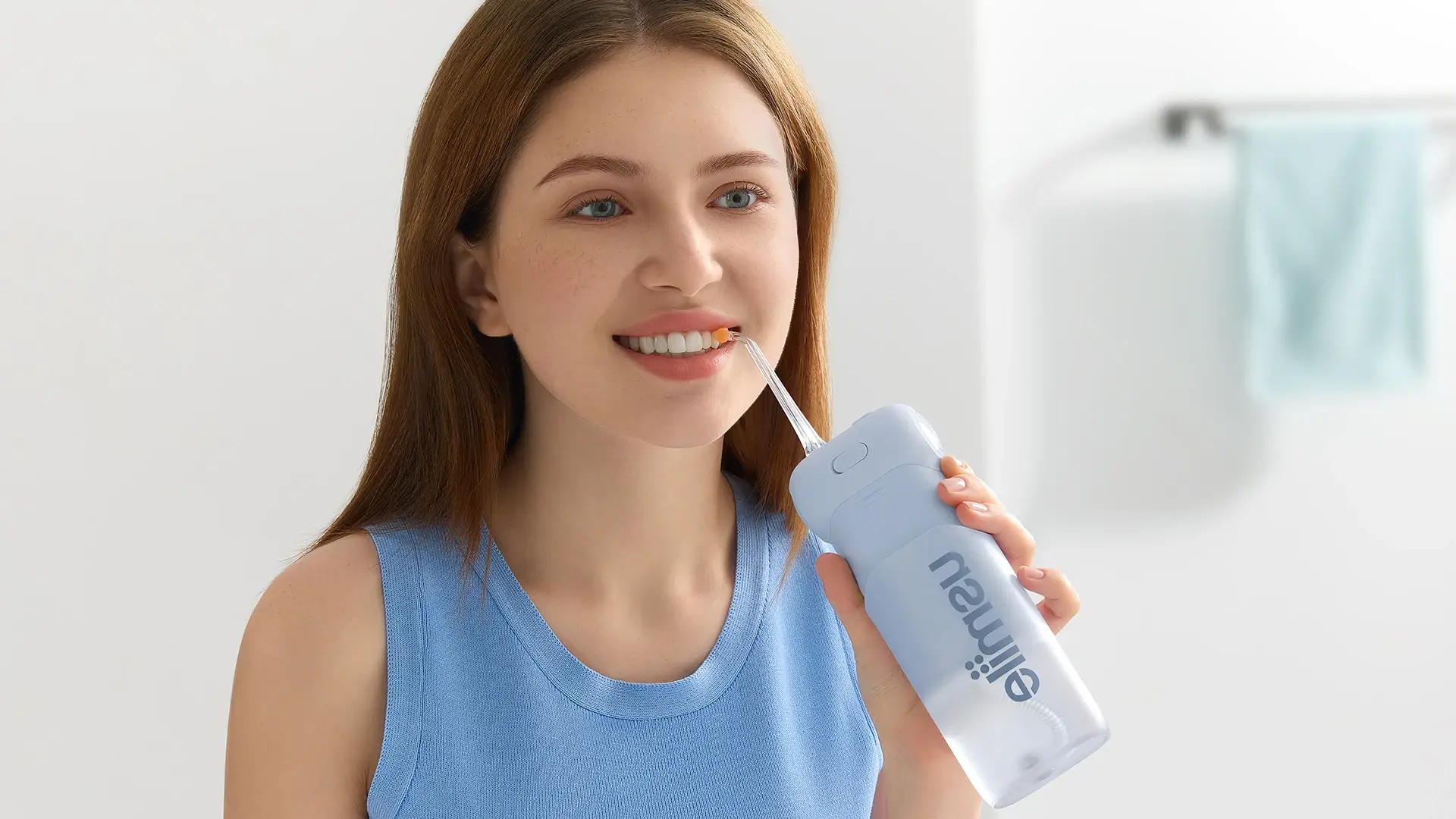
A water flosser sends a pressurized, pulsating stream of water between your teeth and along the gumline. That stream slips under archwires, gets around bracket bases, and flushes out food particles from spaces that a toothbrush or string floss can’t navigate.
There’s also a secondary benefit that gets less attention: the pulsating action massages gum tissue and reduces inflammation. Gums are almost always tender during orthodontic treatment — especially in the first few days after an adjustment. Adjustable pressure settings let you go very gently when they’re sore and increase as they settle down.
For people with permanent retainers bonded to the backs of their front teeth, a water flosser is basically essential. String floss requires a threader just to get around the wire, and most people either skip those teeth entirely or do it so poorly that it barely counts.
Water Flosser vs. String Floss: What Each One Does Better

Most guides frame this as a competition. It’s not — the two tools have different jobs. The comparison does get interesting for braces, though, because the balance shifts significantly:
|
Task |
String Floss |
Water Flosser |
|
Clean tooth contacts (plaque) |
✓ More thorough |
Good — less precise |
|
Work around brackets & wires |
Very difficult |
✓ Excellent |
|
Flush food from under archwires |
Nearly impossible |
✓ Built for this |
|
Get below the gumline |
✓ Reaches under the gum |
Surface level only |
|
Time required (braces) |
10–20 min w/ threader |
✓ Under 2 minutes |
|
Pressure control for sore gums |
Fixed |
✓ Adjustable settings |
|
Permanent retainer cleaning |
Needs threader |
✓ Reaches easily |
The most honest take: string floss is still better at scraping plaque from the exact contact points between teeth. Water pressure disrupts bacteria, but doesn’t have the same physical scraping action.
For someone without braces, this distinction matters a lot. For someone with braces, the areas where a water flosser excels — around brackets, under wires, along the gumline — are where plaque buildup is most dangerous during orthodontic treatment.
Doing both takes about three minutes. That’s the recommendation most orthodontists land on.
How to Use a Water Flosser With Braces

The technique matters more than most people expect. Bad form mostly means missing areas — but the first few uses can be messy if you haven’t done it before.
|
1 |
Fill with lukewarm water. Cold water can aggravate sensitivity on recently adjusted teeth. Not hot either — just warm enough to be comfortable. Some people add a small amount of alcohol-free mouthwash for an extra antibacterial rinse. |
|
2 |
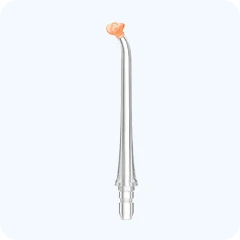
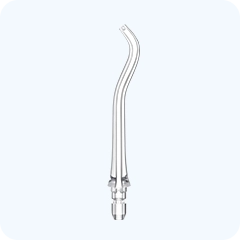
Pick the right tip. If your device came with an orthodontic tip (the one with a small tapered brush at the end), use it. It gets into bracket corners in a way a standard round tip can’t. A standard tip still works — just move more slowly. |
|
3 |
Lean over the sink before you start. Position the tip in your mouth and close your lips loosely around it — enough to stop splashing, but leave a small gap at the corner so water drains out. First three sessions will probably still get water everywhere. That’s normal. |
|
4 |
Start on the lowest pressure. This is the most skipped step and the one that causes the most complaints. High pressure on the tender, inflamed gum tissue feels like getting hit with a tiny fire hose. Start low, give it a week or two, then increase if you want. |
|
5 |
Move slowly, 90 degrees to the gumline. Trace the gumline from back to front, pausing briefly at each bracket. Direct the stream at the base of each bracket, then slightly below the gumline. The whole mouth should take 60 to 90 seconds once you’re comfortable with it. |
|
6 |
Use it before brushing. This is the order that works best: water flosser first to loosen and flush debris, then brush to sweep away what’s been dislodged, and apply fluoride. Don’t rinse with water immediately after brushing — let the toothpaste sit. |
|
|
How often? Once a day minimum. After the biggest meal of the day is ideal. Several orthodontists recommend after every meal — even a 30-second rinse after lunch makes a real difference when food has been sitting around brackets for hours. |
What to Look for When Buying One for Braces

A few features matter a lot more than others when braces are in the picture. Here’s what to prioritize before buying a portable dental water flosser:
|
Look for this |
Why it matters with braces |
|
Orthodontic or angled tip |
Tapered bristles get into bracket corners — a round tip works, but misses a lot |
|
Multiple pressure settings |
A low setting is essential in the first few weeks when gums are most tender |
|
Reservoir ≥ 150ml |
Smaller tanks run out mid-arch, which breaks the routine |
|
Cordless design |
Easier to angle over the sink, especially for back teeth |
|
Easy-to-find replacement tips |
Tips wear out every 3–6 months — make sure spares aren’t hard to source |
The brand matters less than these features. A mid-range device with adjustable pressure, an orthodontic tip, and a 150ml+ reservoir handles braces cleaning as well as expensive countertop models for most people.
The Limitations — What It Can’t Do

A water flosser is not a complete solution on its own. Some important caveats:
It doesn’t scrape plaque at tooth contacts.
Water pressure flushes and disrupts bacteria, but doesn’t have the physical scraping action of string floss. Skipping string floss entirely over months of treatment means plaque can build up slowly at the contact points between teeth.
The reservoir needs regular cleaning.
Standing water breeds bacteria. Empty the tank after every session. Once a week, run a diluted white vinegar solution through the device and flush with plain water. Skipping this turns the device into a bacteria dispenser, which defeats the whole point.
It doesn’t replace professional cleanings.
Plaque hardens into tartar faster around orthodontic hardware. Professional cleanings every six months are non-negotiable during treatment — no home device removes hardened tartar below the gumline.
|
|
The honest recommendation Water flosser daily around brackets and the gumline. String floss (or superfloss) two to three times a week at the contacts between teeth. Professional cleaning every six months. That combination covers everything a toothbrush misses. |
The Complete Braces Cleaning Routine

Consistency matters more than any individual tool. Here’s what a solid oral care routine looks like during orthodontic treatment:
- Brush twice a day. After breakfast and before bed. An electric toothbrush handles the awkward angles around brackets better than a manual. Soft bristles, two minutes minimum.
- Water flosser once daily. After dinner or before brushing at night. After the biggest meal if you can only do it once. Sixty to ninety seconds covers the whole mouth.
- String floss 2–3 times a week. Use a floss threader, superfloss, or an orthodontic flosser pick. Focus on the contact points between teeth that the water flosser doesn’t physically scrape.
- Fluoride rinse if recommended. Particularly useful for protecting enamel around brackets. Ask your orthodontist whether your situation warrants it.
- Professional cleanings every 6 months. Every 3–4 months if your orthodontist has flagged early plaque issues or tender gums that aren’t resolving.
The people who come out of treatment with clean, undamaged teeth aren’t necessarily the ones who spent the most time on their routine. They’re the ones who were consistent. A water flosser makes consistency easier because it’s genuinely faster and more comfortable than threading floss around wires night after night.
Frequently Asked Questions
Should I use a water flosser if I have braces?
Yes. Several orthodontic practices hand them out to new patients specifically because consistent flossing is so much harder with hardware in the way. The Mayo Clinic notes that a water flosser is particularly helpful for anyone with braces or orthodontic work that makes traditional flossing difficult. That’s not a mild endorsement — it’s the clinical recommendation for your situation.
Is a water flosser enough on its own with braces?
Not quite. It handles brackets, wires, and the gumline exceptionally well. But the tight contacts between teeth still need string floss to be properly cleaned. Used together, they cover everything. If you only have time for one, water flossing covers more of the braces-specific problem areas — but don’t drop string floss entirely.
How often should I use a water flosser with braces?
Once a day at a minimum. After meals if possible, or at least before brushing at night. There’s no downside to more frequent use as long as the pressure is comfortable for your gums.
Can kids safely use a water flosser for braces?
Yes, with supervision for the first few sessions. Start at the lowest pressure setting and show them the technique before letting them do it alone. For most kids, the time savings over floss threaders are significant enough that they actually stick with it.
What age is it best to get braces?
The typical window is 10 to 14, when most permanent teeth are in, but jaw development is still active. Adults can get braces at any age with comparable results — treatment just sometimes takes a bit longer because adult bone is denser. Clear aligners are increasingly popular with adults, partly for this reason.
Do braces change your face shape?
Subtly, yes. Moving teeth changes how the jaw sits and how the lips rest against them. Most changes are modest and most visible in profile. Significant jaw restructuring — where needed — typically requires orthognathic surgery in addition to braces.
Is $7,000 a lot for braces?
It’s squarely in the middle of the typical US range, which runs from around $3,000 to $10,000 depending on case complexity, location, and type of braces. Metal braces are at the lower end. Clear aligners and ceramic braces sit higher. Insurance often covers a portion for patients under 18.
Is 25 too late to get braces?
Not at all. Adult orthodontic treatment has increased significantly over the past decade, and outcomes are comparable to those of teenage treatment. The main practical difference is that treatment sometimes takes slightly longer. Many adults choose clear aligners to avoid the visibility of metal hardware.


Looking for something else?
Best Electric Toothbrush for Gum Disease (2026): 6 Picks Tested for Real Gum Protection
LEARN MORE
Electric Toothbrush on Plane: The Complete Travel Guide (2026)
LEARN MOREBest Sustainable Electric Toothbrush 2026: 5 Picks Tested for a Greener, Healthier Smile.docx
LEARN MORE
Best Sustainable Electric Toothbrush 2026: 5 Picks Tested for a Greener, Healthier Smile
LEARN MORELooking for something else?
Best Cheap Electric Toothbrush (2026): Top 5 Budget Picks That Actually Work
LEARN MORE
Ultrasonic Toothbrush vs Electric: Which Technology Wins for Your Smile?
LEARN MORE
Best Electric Toothbrush for Sensitive Teeth (2026) — 5 Tested
LEARN MOREYou may also like
Y10 PRO Electric Toothbrush x C10 Portable Water Flosser


usmile Y20PRO Adults Toothbrush x Q30 Kids Toothbrush


usmile C30 Water Flosser Toiletry Bag Pack
Further reading
Plaque, Stains, or Food Debris? How to Interpret What a Toothbrush Camera Shows
The 5 Toothbrushing Spots Kids Miss Most—and How Parents Can Help
The Back-to-School Brushing Reset: A 14-Day Plan for Kids Ages 3–8