







Can You Share a Water Flosser
The question comes up more often than you’d expect. Someone gets a water flosser on their dentist’s recommendation, their partner or roommate asks why they can’t just use it too, and suddenly there’s a hygiene conversation nobody was prepared to have. The tips come off — so it seems like it should be fine. But “seems like it should be fine” is where most sharing mistakes start.
The answer is yes, you can share a water flosser — under one firm condition. The device body is fair game. The tip is not. Getting those two things mixed up is where the hygiene problems actually come from.
|
|
The rule in one sentence Share the device. Never share the tip. Each person in the household needs their own nozzle, clearly labeled, stored separately. That single habit eliminates most of the risk that comes with shared oral hygiene tools. |
Why the Tip Is the Only Part That Actually Matters

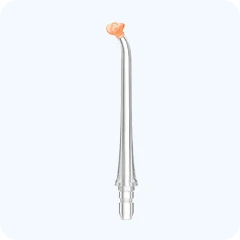
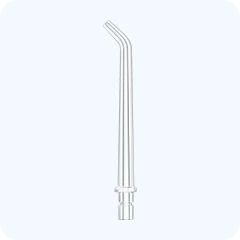
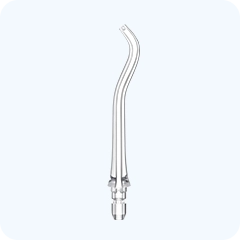
To understand the hygiene concern, it helps to think about what the device body does versus what the tip does. The handle, reservoir, and motor never touch your mouth. They move water. The nozzle is the only part that enters your mouth, makes contact with gum tissue, and picks up saliva in the process.
Even after rinsing, a used nozzle retains trace amounts of saliva and oral bacteria. That’s not a design flaw — it’s just physics. What you do with that nozzle next is the entire question.
If person A’s tip goes into person B’s mouth, you’ve created a direct transfer route for whatever bacteria are present in A’s mouth. The water pressure doesn’t change that. The reservoir size doesn’t change that. Rinsing the tip under the tap reduces surface bacteria but doesn’t sterilize it.
|
|
Worth putting in context Most water flossers are sold with multiple color-coded nozzles. That’s not a bulk discount — it’s an explicit acknowledgment from the manufacturer that these devices are designed for multi-user households. The tip system is the solution they built in. |
The Hygiene Risks — Ranked by Likelihood
Not all sharing scenarios carry the same risk. Here’s an honest breakdown of what actually matters:
|
Scenario |
Risk Level |
What It Means |
|
Sharing the device body |
Low |
No oral contact — handle, reservoir, motor are fine |
|
Different tips, device regularly cleaned |
Low |
The right way to share |
|
Different tips, device rarely cleaned |
Medium |
Reservoir bacteria builds up over time |
|
Same tip between users |
High |
Direct saliva and bacteria transfer |
|
Any sharing during active illness |
High |
Reservoir can become a contamination route |
|
Sharing post dental surgery |
High |
Vulnerable tissue, avoid until healed |
Bacteria and cross-contamination

The mouth contains somewhere between 500 and 700 species of bacteria at any given time, according to oral health research from the NIH. Most are harmless in their native environment. Transfer them to a mouth that hasn’t developed tolerance for them, particularly a mouth already dealing with inflammation or infection, and you’ve changed the equation.
Gum disease, specifically the bacteria associated with gingivitis and periodontitis, can spread through shared oral contact. If one person has active gum disease and shares a tip with someone else, those specific bacteria travel with it. Inflamed gum tissue is more permeable than healthy tissue — which means the recipient isn’t starting from neutral ground.
Viral transmission
Cold sores are the clearest example. Herpes simplex virus type 1 can survive on surfaces long enough to transfer through shared contact. The Mayo Clinic’s dental hygiene guidance is explicit that sharing oral hygiene tools carries real transmission risk during illness. Flu, strep, and respiratory infections work the same way.
This is why the “we kiss anyway” argument — common among couples — only goes so far. When you’re sick, kissing stops. But if you haven’t paused your shared flosser routine, the device doesn’t know that.

The reservoir is a secondary concern
This one gets less attention than the nozzle, but it’s real. Water left sitting in the reservoir can grow bacteria over time. If one person has an active oral infection and uses the device, trace contamination can enter the reservoir and potentially reach the next user through the shared water supply. It’s a smaller vector than the nozzle, which is why regular cleaning matters even when the tips are separate.
Who’s Sharing and What That Changes
The right approach looks a bit different depending on who’s in the household. Here’s a quick read for the most common situations:
|
|
Situation |
Notes |
|
|
Couples |
Completely fine with separate, labeled tips. Only pause sharing when one person is actively sick — cold, flu, cold sore. Resume once recovered. |
|
|
Families |
One device can work for the whole household. Each member gets a labeled tip. Supervise younger kids on pressure settings and replace their tips more often — kids are rougher with the equipment. |
|
|
Travel |
Separate tips in individual bags. Quick reservoir rinse every couple of days. Short trips (under a week) are easy to manage without your full cleaning routine. |
|
New housemates |
Don’t assume. Have the conversation up front. If anyone’s uncomfortable sharing, a second device is inexpensive enough that it's not worth the friction. |
The one consistent thread across all of these: separate nozzles, labeled to avoid ambiguity. Everything else is details.
How to Share a Water Flosser Without the Hygiene Risk
If you’re going to share a device, this is the routine that keeps it safe. None of these steps are complicated, but skipping any of them is where problems start.
|
1 |
Assign tips before anything else. Each person gets one nozzle. Non-negotiable. If the device only came with one tip, order extras before setting up the shared routine — not after. |
|
2 |
Label them so mix-ups are impossible. Colored rings, permanent marker on the base, name stickers — whatever works. The goal is that someone grabbing a tip at 6am before coffee doesn’t have to think about which one is theirs. |
|
3 |
Store tips separately. Not in the same cup or loose in a drawer. Small pouches, separate compartments, or individual cups. Tips that touch each other in storage defeat the point. |
|
4 |
Clean the reservoir weekly. Empty it after each session (don’t leave water sitting). Once a week, run a solution of warm water and white vinegar through the internals, then flush with plain water. This is the step most people skip, and it’s where bacteria accumulate over time. |
|
5 |
Rinse your tip after every use and let it dry. Standing moisture is a breeding ground. Rinse under warm water, shake off excess, air dry before capping or storing. |
|
6 |
Replace tips every 3 to 6 months. Or sooner if there’s visible buildup, discoloration, or a weakened water stream. Worn tips don’t clean as effectively and are harder to properly disinfect. |

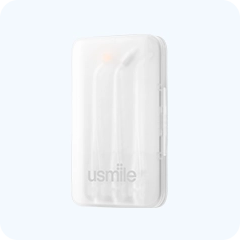
For households with two users, a portable dental water flosser with adjustable pressure settings handles a shared routine cleanly — compact enough that it doesn’t take over the sink, and the pressure range means both users can dial in their own preference. If you’re managing a larger household with multiple users, the cordless water flosser with a higher-capacity reservoir reduces the refill frequency and works well for family use.
The Shared Water Flosser Checklist
Keep this as the standard for your household routine:
|
✓ |
Each person has their own labeled tip — no exceptions |
|
✓ |
Tips are stored separately, not loose together |
|
✓ |
The reservoir is emptied after every session |
|
✓ |
Full reservoir flush-clean is done weekly |
|
✓ |
Tips are rinsed and dried after each use |
|
✓ |
Tips are replaced every 3 to 6 months |
|
✓ |
Sharing is paused completely when anyone has an active illness or oral infection |
When Sharing Should Stop Entirely
Separate tips cover most scenarios. These situations are different — here the recommendation is to pause shared use of the device altogether, not just the tip.

|
|
Pause shared use during: Active cold sores, flu, strep, or any respiratory illness Oral thrush, bacterial mouth infections, or active gum disease flares Recovery from dental surgery — extractions, gum grafts, scaling, and root planing
Any situation where the reservoir may have been contaminated and hasn’t been fully cleaned yet |
The reasoning for dental procedures specifically: freshly treated gum tissue is temporarily more permeable than healthy tissue. Bacteria that wouldn’t normally cause problems have an easier path inward through healing tissue. During that window, even trace contamination carries more weight. A new tip on a freshly cleaned device is the right standard for recovery periods.
How long to pause? For illness, until fully recovered with a buffer of a few days. For dental procedures, ask your dentist directly — the answer depends on what was done and how extensive the work was.
The Honest Downsides of Sharing
Sharing works when everyone follows the routine consistently. Here’s what goes wrong when they don’t — and one downside that applies regardless:

Hygiene slips accumulate
One forgotten reservoir rinse isn’t a crisis. Two months of forgotten reservoir rinses, a tip mix-up here and there, and tips that should have been replaced three months ago — that adds up to a meaningfully less hygienic setup than either person would maintain with their own device. The system only works if everyone holds up their end.
Wear happens faster
A device used by two or four people goes through more water cycles than one used by a single person. The pump, seals, and internal components wear more quickly. This isn’t a dealbreaker, but it’s worth knowing when comparing the cost of one shared device against two individual ones over three to four years.
Mix-ups still happen
Even with color-coded tips and the best intentions, households with kids — or anyone who’s rushing — will have mix-ups. Labeling reduces this significantly but doesn’t eliminate it. If that bothers you, or if one person in the household would be uncomfortable even with the risk being low, separate devices are the cleaner solution.
|
|
The practical math A second device costs less than a dental visit. For households where the shared routine feels too high-maintenance, or where one person isn’t comfortable with any sharing scenario, just getting two devices is a legitimate and often underrated option. |
Frequently Asked Questions
Can two people share a water flosser?
Yes, with separate tips. The device body — handle, reservoir, motor — doesn’t make contact with oral tissue, so sharing it is fine. The nozzle is the part that enters your mouth and picks up bacteria. Each person needs their own, clearly labeled tip. With that in place, two-person sharing is safe and practical.
Can a family share a water flosser?
A single device can work for a whole household as long as each member has a dedicated nozzle stored separately. For families with kids, label tips with names rather than just colors — kids mix up colors more easily. Replace children’s tips a bit more often, since kids tend to be harder on equipment. Supervise younger children on pressure settings.
Is it okay to use someone else’s water flosser?
Using someone else’s device is fine. Using their tip is not. If you’re using another person’s flosser, attach a clean nozzle that only you’ve used. Sharing a tip is hygienically equivalent to sharing a toothbrush — most people wouldn’t do that with someone outside their immediate household, and even within a household, it’s worth avoiding.
Can a husband and wife use the same water flosser?
Yes — this is probably the most common sharing scenario. Separate nozzles, clean the reservoir weekly, replace tips every few months. That routine handles it. The only exception is illness: if one partner has a cold, flu, or active oral infection, pause shared use until they’ve recovered.
Can you share a water flosser if you use different tips?
Yes. Different tips for different users is exactly the right approach — it’s why most devices include multiple nozzles at purchase. The tip is the only part of the device that creates a direct transfer route between mouths. With individual tips, that concern disappears. The rest of the device body is safe to share with regular cleaning.
Can a husband and wife share a toothbrush?
Dentists consistently advise against it. Toothbrush bristles trap bacteria and can cause micro-abrasions in gum tissue, making bacteria transfer more directly than with a rinsed oral irrigator nozzle. The hygiene case against sharing toothbrushes is actually stronger than the case against sharing water flosser tips — though both carry real risk.
Can only one person use a water flosser?
No — these devices are designed with multi-user households in mind. Interchangeable, color-coded nozzles exist precisely to support multiple users. One device per household is the practical standard for most people and works well with proper tip management.
What are the downsides to using a water flosser?
For shared use specifically, the routine requires everyone to stick to their habits consistently, tips need replacing every few months, and the device wears faster with more users. For individual use, the main downsides are the upfront cost compared to string floss, the need for charging or a power source, and some bulk for travel. None of these are serious issues — they’re just useful to know before buying.


Looking for something else?
Best Electric Toothbrush for Gum Disease (2026): 6 Picks Tested for Real Gum Protection
LEARN MORE
Electric Toothbrush on Plane: The Complete Travel Guide (2026)
LEARN MOREBest Sustainable Electric Toothbrush 2026: 5 Picks Tested for a Greener, Healthier Smile.docx
LEARN MORE
Best Sustainable Electric Toothbrush 2026: 5 Picks Tested for a Greener, Healthier Smile
LEARN MORELooking for something else?
Best Cheap Electric Toothbrush (2026): Top 5 Budget Picks That Actually Work
LEARN MORE
Ultrasonic Toothbrush vs Electric: Which Technology Wins for Your Smile?
LEARN MORE
Best Electric Toothbrush for Sensitive Teeth (2026) — 5 Tested
LEARN MOREYou may also like
Y10 PRO Electric Toothbrush x C10 Portable Water Flosser
usmile Y20PRO Adults Toothbrush x Q30 Kids Toothbrush
usmile C30 Water Flosser Toiletry Bag Pack
Further reading
Plaque, Stains, or Food Debris? How to Interpret What a Toothbrush Camera Shows
The 5 Toothbrushing Spots Kids Miss Most—and How Parents Can Help
The Back-to-School Brushing Reset: A 14-Day Plan for Kids Ages 3–8