








Water Flosser and Gum Recession: Can It Help or Make It Worse?
Here’s a situation that comes up all the time: someone notices their gums look a little “off,” teeth seem longer than they used to, maybe some cold sensitivity that wasn’t there before. They mention it to their dentist, who says “gum recession” almost immediately. And the first thing that person does when they get home is stare at their water flosser and wonder if it’s the culprit.
It’s not. But the more interesting question is what the device can actually do for you at this point and where its limits are.
|
|
Quick answer A water flosser, when used correctly, does not cause gum recession. It can slow further damage by reducing the bacterial activity that drives tissue loss. What it cannot do is regrow gum tissue that’s already gone, which requires professional treatment. |
What Is Gum Recession?
The gum tissue around each tooth isn’t just decorative. It seals against the root, helps anchor the tooth in place, and forms a physical barrier that keeps bacteria out of areas they really shouldn’t reach. When that tissue starts pulling back, it exposes the root.
Tooth roots don’t have enamel, the hard protective coating on the crown. Without it, exposed roots are noticeably more sensitive to cold, and they’re softer and more prone to decay than enamel surfaces. According to the National Institute of Dental and Craniofacial Research, untreated recession raises the long-term risk of tooth loss. It’s not a cosmetic issue to watch indefinitely.
Early signs to watch for:
- Teeth that look longer than you remember
- A faint ridge or groove you can feel along the base of a tooth
- Dark triangular gaps between teeth where the gum used to fill in
- Cold sensitivity that appears before any visible change
What Actually Causes a Recession

Almost everyone who asks about water flossers and gum recession is really asking: Did I do this to myself? The honest answer is: probably not with the flosser. Recession is rarely traced to a single cause.
What Actually Causes a Recession

Almost everyone who asks about water flossers and gum recession is really asking: Did I do this to myself? The honest answer is: probably not with the flosser. Recession is almost never traced to a single cause.
The full picture causes, how common, and whether a water flosser helps:
|
Cause |
How Common |
Can Flosser Help? |
|
Chronic gum disease/plaque |
Most common |
Yes removes bacteria daily |
|
Aggressive brushing |
Very common |
Indirectly (reduces the need to scrub) |
|
Teeth grinding (bruxism) |
Common |
No need for a night guard |
|
Smoking/tobacco use |
Moderate |
No quit is the only fix |
|
Genetics / thin gum tissue |
Moderate |
Partially better hygiene helps |
|
Bite misalignment |
Less common |
No need for bite adjustment |
A water flosser directly addresses the most common cause and supports overall gum health across several other areas. But it can’t fix grinding, correct a bite, or undo the damage from years of smoking.
Why does this matter?
Because if you’re focusing exclusively on your water flosser while ignoring the grinding, the aggressive brushing, or the untreated gum disease, you’re solving the wrong problem.
Can a Water Flosser Actually Help With Receding Gums?

Yes and not in a vague, “good oral hygiene is important” kind of way.
The device works by sending a pulsating water stream along the gumline and between teeth. What that does in practice: it clears the plaque and bacteria that accumulate in the exact spots your toothbrush doesn’t reach well, especially around the gumline, where bacterial activity tends to concentrate.
When that bacterial load drops consistently, gum inflammation follows. Less inflamed gums bleed less, feel less tender, and are less likely to develop the deeper pockets that characterize advancing periodontal disease.
|
|
Worth knowing A lot of people who never consistently floss with dental floss will actually use a water flosser every day. Consistency beats technique. A water flosser used daily beats string floss used occasionally. |
The ceiling: lost tissue doesn’t come back. A water flosser can stop the situation from worsening; it cannot undo what’s already happened. That’s not a knock on the device; it’s just what “help” actually means in this context.
The Recession-After-Flossing Confusion

This one trips a lot of people up. They start using a water flosser regularly, and after a couple of weeks, their gums look like they’ve pulled back further. So they stop using it.
What’s actually happening: chronically inflamed gums are swollen. Consistently cleaning the area reduces the inflammation, and swollen tissue shrinks down to its healthy size. In doing so, it reveals a recession that was already there, previously hidden under the puffiness.
|
|
Important The water flosser didn’t cause the recession. It made the existing recession visible for the first time. Frustrating to realize but genuinely useful information. |
There is one real caveat. Starting immediately at the highest pressure setting, pointing the tip straight into already sore gum pockets, which can irritate the tissue. You might get some temporary soreness. Irritation is not the same as tissue loss, and the fix is simple: start low, aim at the gumline rather than into it.
How to Use One If Your Gums Are Already Sensitive
Getting the technique right from the start saves a lot of trial and error. Three things that matter most:
|
1 |
Start on the lowest pressure setting and stay there for at least two weeks. Sensitive or receding gum tissue reacts badly to high-pressure streams when you haven’t built up any tolerance. There’s no benefit to going hard from the start. |
|
2 |
Angle the tip at 90 degrees to the gumline. Not pointing down into the gum pocket. Not horizontal across the tooth. Perpendicular to the gumline, moving slowly, pausing briefly at each gap. Let the water do the flushing. |
|
3 |
Once daily is the target. An extra rinse after meals if something’s stuck is fine. But running it multiple times a day on already-sensitive tissue isn’t more effective. If things feel tender after use, reduce pressure rather than frequency first. |

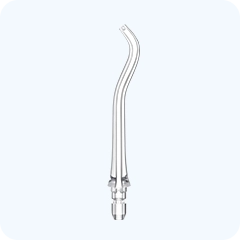
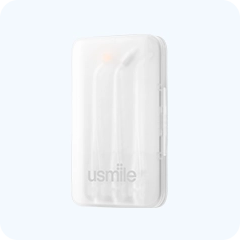
Used this way, a water flosser fits into a routine that also includes a soft-bristle toothbrush and fluoride toothpaste. The usmile portable dental water flosser has adjustable pressure settings. It is compact enough to actually use at the sink every day, which, as mentioned, is the part that matters most.
What About Periodontal Pockets?

Gum recession and periodontal disease often coexist. As the infection progresses, it creates pockets that deepen the gaps between the tooth and the surrounding gum, where bacteria accumulate and become increasingly hard to reach.
Water flossers handle shallow pockets reasonably well. ADA-supported research found them effective at clearing debris and bacteria from around the gumline and from pockets in the shallower range. For day-to-day maintenance, that’s meaningful.
|
|
The hard limit No home device reaches the base of a deep pocket. If your pockets measured 5mm or more at your last appointment, a water flosser is useful for maintenance, but it’s not going to close those pockets. That requires scaling and root planing, a clinical procedure done under local anesthetic. |
Think of it this way: home care and professional treatment are the same strategy operating at different scales. They work together, not instead of each other.
When to Stop Managing This Yourself

You can stabilize most mild recessions by building better daily habits. But some situations call for professional evaluation sooner rather than later:
|
⚠ |
Bleeding that keeps happening weeks after you’ve improved your cleaning habits. |
|
⚠ |
Any tooth that feels even slightly mobile |
|
⚠ |
Persistent bad breath that doesn’t respond to better oral hygiene |
|
⚠ |
Visible swelling near the gumline, or anything that looks like it might be infected |
|
⚠ |
Sensitivity that keeps getting worse instead of plateauing |
If recession is clearly progressing, not just present but actively worsening, a periodontist is worth seeing. They can determine whether the primary driver is infection, mechanical trauma, bite problems, or some combination. Gum grafting, night guards, and occlusal adjustments all treat different underlying problems.
Building a consistent oral care routine is genuinely protective against further recession. But it works alongside professional treatment not as a substitute or as a reason to delay it.

Frequently Asked Questions
Do water flossers make gums recede?
No. The confusion usually comes from this: when you consistently clean the gumline, chronic inflammation decreases, and swollen tissue shrinks to its healthy size. Any recession hiding under that puffiness becomes visible.
Can you regrow gums from gum recession?
No, not naturally. Gum tissue that has receded doesn’t regenerate on its own; that’s just not how the tissue works. You can sometimes stabilize early-stage recession (meaning it stops getting worse), which is different from reversing it.
How do I shrink my periodontal pockets?
Pocket depth responds to consistently lower bacterial load and to professional removal of deposits, which drive the infection. For pockets under 4mm, diligent home care and regular cleanings often help.
Can 5mm gum pockets be reversed?
Sometimes, but not reliably and not without professional treatment. Outcomes depend on how much bone loss has occurred underneath. A periodontist can assess both and give you a realistic answer, expecting home care alone to close a pocket that size is usually wishful thinking.
What are Stage 4 receding gums?
Stage 4 is the most severe classification of periodontal disease. Extensive tissue destruction, significant bone loss, and teeth that have shifted or become mobile. This is not something that responds meaningfully to water flossers or improved brushing.
What is the average age for receding gums?
It becomes more common from the mid-30s onward and tends to increase with age. But this isn’t an inevitable part of getting older; plenty of people in their 60s have minimal recession because they’ve brushed gently, stayed on top of cleanings, and don’t smoke or grind. Age is a risk multiplier, not a cause.
Can I live with receding gums?
Old recession, yes, a lot of people have been doing so for years. It’s manageable if you’re actively maintaining your oral health and seeing a dentist regularly. “Living with it” becomes a problem when you use it as an excuse to do nothing. Recession tends to progress, and the further it goes, the more limited the treatment options become.
What is the life expectancy of someone with periodontal disease?
There’s no direct number attached to it. What research does show is an association between severe, untreated periodontal disease and elevated cardiovascular risk and diabetes complications. The CDC has cited this connection.
Suggested word count
- 1,000–1,200 words
Suggested SEO angle
- Primary intent: informational + myth-busting
- Secondary intent: practical guidance
- Tone: clear, reassuring, medically responsible
- Positioning: explain that a water flosser is a helpful support tool, not a cure for gum recession


Looking for something else?
Best Electric Toothbrush for Gum Disease (2026): 6 Picks Tested for Real Gum Protection
LEARN MORE
Electric Toothbrush on Plane: The Complete Travel Guide (2026)
LEARN MOREBest Sustainable Electric Toothbrush 2026: 5 Picks Tested for a Greener, Healthier Smile.docx
LEARN MORE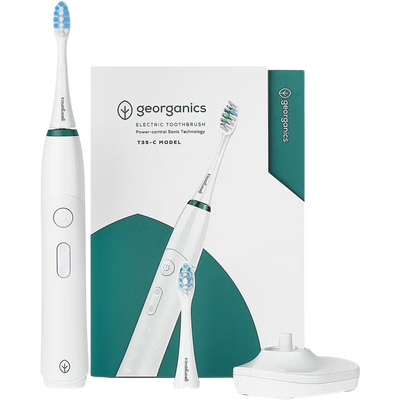
Best Sustainable Electric Toothbrush 2026: 5 Picks Tested for a Greener, Healthier Smile
LEARN MORELooking for something else?
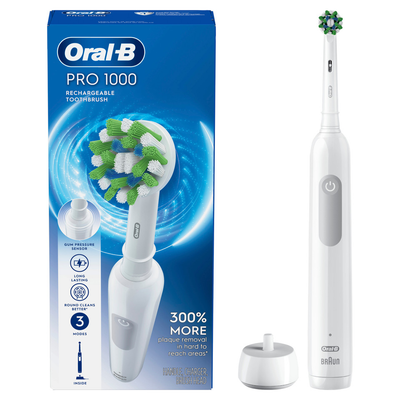
Best Cheap Electric Toothbrush (2026): Top 5 Budget Picks That Actually Work
LEARN MORE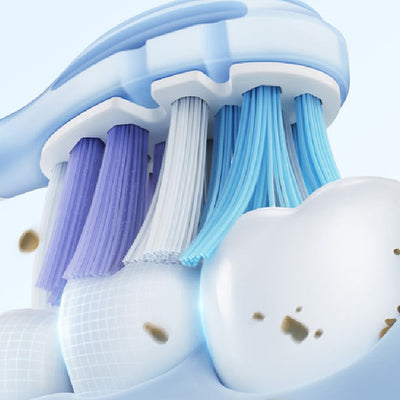
Ultrasonic Toothbrush vs Electric: Which Technology Wins for Your Smile?
LEARN MORE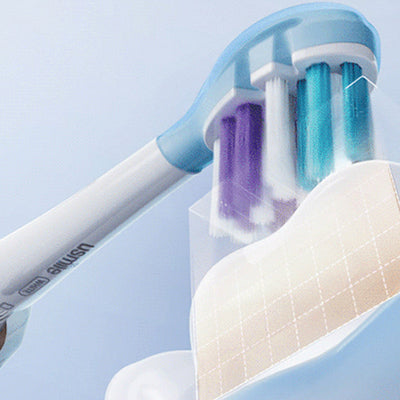
Best Electric Toothbrush for Sensitive Teeth (2026) — 5 Tested
LEARN MOREYou may also like
usmile P10 S Electric Toothbrush
usmile Q30 Kids Electric Toothbrush
usmile C30SE Portable Dental Flosser
usmile Q30 Kids Electric Toothbrush Trio Pack
Y10 PRO Electric Toothbrush x C10 Portable Water Flosser
Further reading
Plaque, Stains, or Food Debris? How to Interpret What a Toothbrush Camera Shows
The 5 Toothbrushing Spots Kids Miss Most—and How Parents Can Help
The Back-to-School Brushing Reset: A 14-Day Plan for Kids Ages 3–8