







Best Toothbrush for Kids Who Hate Brushing: Parent Guide
You've tried the songs. You've tried the sticker chart. You've tried the dentist talk about invisible sugar bugs living in the back molars. Your kid still opens their mouth like they've been asked to eat a lemon.
At some point, most parents land on the same conclusion: maybe the brush itself is the problem.
Sometimes it really is. The wrong toothbrush makes a reluctant brusher worse. Too big, too loud, too scratchy — any one of those things can turn a manageable two minutes into a full standoff. The right brush won’t guarantee peace, but it removes a lot of the friction.
We’ve put together this guide as an electric toothbrush brand that works closely with parents navigating exactly this problem. Below: five specific brushes worth trying, a complete breakdown of what to look for, and age-by-age guidance for kids from one year old through the preteen years.
5 Best Toothbrushes for Kids Who Hate Brushing
A quick look at all five picks before the full reviews:
|
Toothbrush |
Best For |
Brush Type |
Timer |
Noise Level |
|
uSmile Q30 ★ Top Pick |
Most reluctant brushers |
Sonic electric |
2 min + 30-sec pacing |
Very quiet |
|
Philips Sonicare for Kids |
First-time electric users |
Sonic electric |
2 min, auto shut-off |
Quiet |
|
Oral-B Kids Electric |
Kids who grip tightly |
Oscillating |
2 min (no auto off) |
Moderate |
|
Colgate Kids Extra Soft |
Sensory-sensitive kids |
Manual |
None (use song/timer) |
Silent |
|
Quip Kids Electric |
Lightweight, travel use |
Sonic vibrating |
2 min |
Very quiet |
#1 uSmile Q30 Kids Electric Toothbrush — Best Overall Pick

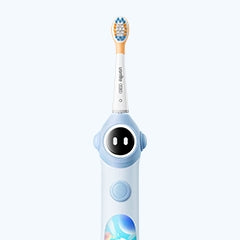
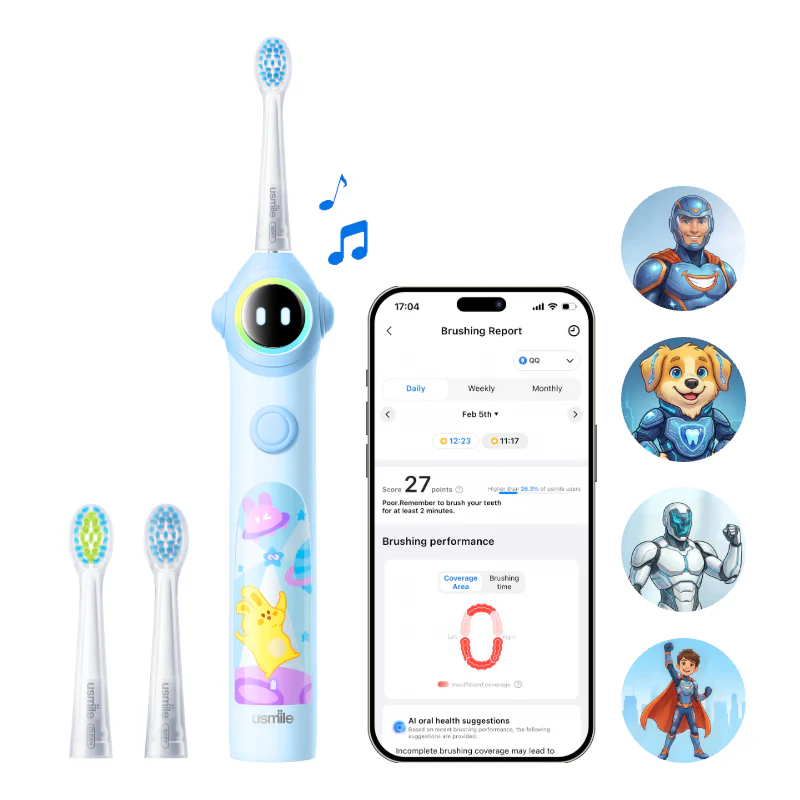
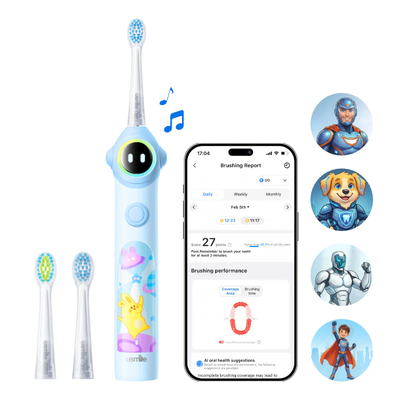
Our top recommendation for most kids who resist brushing. The gentle sonic brush for kids who resist brushing runs a quiet sonic motor that sits noticeably below the noise level of most rotating brushes on the market. That distinction matters. Loud brushes are one of the most common reasons children who might have been fine with electric toothbrushes reject them outright.
The Q30 brush head is sized specifically for young mouths, and the handle was built for small hands — not a scaled-down adult handle, but an actually child-appropriate grip. It runs a two-minute timer with built-in 30-second zone changes, which eliminates the most common brushing argument entirely. When the buzz changes, they move to the next section. Done.
The soft sonic bristles handle gentle cleaning without the gum irritation that some kids experience with firmer heads. For children who are new to powered brushing, or who’ve tried other electric brushes and found them overwhelming, the Q30 is consistently the one that works where others haven’t.
Best for: Most reluctant brushers, first-time electric brush users, kids who are sensitive to loud sounds.
#2 Philips Sonicare for Kids Design a Pet Edition — Best for Personalizing

There's a reason this Philips Sonicare brush keeps showing up on every "best kids toothbrush" list — it actually earns its spot. The handle fits small hands without being bulky, the vibration won't scare a three-year-old, and it shuts off automatically after two minutes. That auto-shutoff thing sounds minor until you realize you no longer have to stand there counting in your head every night.
But here's what really sells it for families with stubborn brushers. The box comes with a bunch of animal stickers, and your kid gets to design their own brush. I know — stickers. Sounds ridiculous. Except it works. A child who picked out the eyes, the ears, and the tail on their own toothbrush treats that thing completely differently than one you just handed them out of the packaging. It becomes theirs. And kids who feel a sense of ownership over something use it without nearly as much fuss.
There's an app you can pair with it, where a little character brushes alongside your child in real time. Some kids get obsessed with it. Others couldn't care less. Don't stress about the app either way — the brush does its job perfectly fine sitting on the bathroom counter with no phone in sight.
One thing worth knowing before you buy — the rubber-backed brush heads wear down quicker than you'd expect. If your kid is a chewer (and honestly, most young ones are), you'll probably swap heads out more often than the usual three or four-month window. Not a dealbreaker, just something to budget for.
Best for: Kids who want to make things "mine," ages 3 and up.
#3 Oral-B Kids Electric Toothbrush — Best for Small Hands That Need a Firm Grip

The Oral-B Kids brush oscillates rather than vibrates — the head spins in small circles instead of humming side to side. It’s louder than the Q30 or the Sonicare. That’s the main tradeoff here.
What it gives back: the rubberized handle is noticeably thicker than most kids’ brushes, which helps children who grip tightly or who struggle to hold slimmer handles steady. Testers aged three to five found it easier to maneuver without dropping than longer, thinner alternatives.
The brush head has an extra-soft inner bristle that rotates within the outer ring, which cleans effectively. Replacement heads are available in multiple character themes and cost less than Sonicare heads, which adds up to a meaningful difference over time.
The timer works well, but the brush doesn’t auto-shut off — someone has to switch it off after two minutes. Minor, but worth knowing.
Best for: Kids aged 3 and up who need a chunkier grip, children who aren’t bothered by moderate brush noise.
#4 Colgate Kids Extra Soft Manual Toothbrush — Best for Sensory-Sensitive Kids

Some kids genuinely cannot tolerate vibration. The buzzing, the sensation, the sound — for a sensory-sensitive child, any of those things can cause real distress, making brushing harder every single time you try. For those kids, an electric brush is the wrong starting point.
The Colgate Kids Extra Soft Manual toothbrush does one thing and does it well: it’s quiet, it’s gentle, and it puts the parent in complete control of pressure and speed. No buzz, no surprises, no motor to startle anyone. The head is small, the bristles are genuinely extra-soft rather than merely labeled as such, and the handle is straightforward to grip for both the parent doing the brushing and the child who eventually takes over.
It’s also cheap enough that if your child bites through it or insists on a new one in two weeks, it’s not a financial discussion. Colgate’s kids line includes character designs (Bluey, Minions, various others depending on retailer) that provide some motivation without relying on a motor to generate interest.
No built-in timer, so pair it with a song or a sand timer. That’s the only practical gap.
Best for: Sensory-sensitive children, kids who reject all powered brushes, and toddlers being introduced to brushing for the first time.
#5 Quip Kids Electric Toothbrush — Best Lightweight Option for Travel

The Quip Kids brush is slim, quiet, and light in a way that most kids’ electric brushes are not. It runs on a single battery, has no charging dock to worry about, and clips to a mirror with a small adhesive holder that also works as a travel case. For families who are often on the road or want something bathroom-counter-friendly that’s genuinely useful.
The vibration is gentler than most. One testing family found their daughter — previously scared of louder brushes — tolerated the Quip on the first try. It’s not going to suit every child, but for kids who specifically dislike intensity, the low vibration level is worth considering.
The brush requires more manual movement than a sonic or rotating brush to achieve the same level of plaque removal. Worth knowing upfront: the Quip cleans well enough but it does need the child or parent to actually move it around rather than letting the motor do the work. For kids with consistent technique, fine. For kids who barely brush at all, better to pair it with a firm hand from the parent.
Replacement heads run about $5 every three months and ship automatically if you set up a subscription. Replacement heads for kids' brushes are notoriously easy to forget, so the auto-delivery option is more useful than it sounds.
Best for: Travel, kids who prefer a minimal brushing experience, families who want no charging dock on the bathroom counter.
Why Some Kids Hate Brushing Their Teeth

Understanding the reason behind your child’s specific resistance tells you which fix to try first. ‘They just hate it’ covers at least four different problems.
The Brush Head Is Too Large
A toothbrush head that doesn’t fit a child’s mouth correctly feels genuinely uncomfortable. It can’t reach back baby molars without pushing too hard on the jaw, and it triggers the gag reflex more easily. If your child regularly gags during brushing, start here before changing anything else.
The Bristles Are Too Stiff
Medium and firm bristles are for adults. The ADA recommends soft bristles for everyone, kids included — they clean effectively without irritating young gums or wearing enamel. If the packaging on your current brush doesn’t say ‘soft’ or ‘extra soft,’ swap it out this week.
The Sound or Sensation Is Too Much
Rotating brushes spin the entire head and run noticeably louder than sonic models. For an anxious child, that sound alone can end the session before it starts. Sonic brushes vibrate rather than spin — they’re quieter and feel less aggressive on gums. The Q30 and the Sonicare for Kids are both in this quieter category; the Oral-B is not.
Toothpaste Is Secretly the Problem
Mint flavoring is genuinely spicy to many children. The burn, the foam, the strong smell — all of it adds up to an experience they start dreading before the brush even appears. Switch to unflavored, strawberry, bubblegum, or watermelon paste and see what happens. This single change ends brushing battles in more households than any brush upgrade.
What to Look for in a Toothbrush for Kids Who Hate Brushing

Small Brush Head
Should look noticeably smaller than an adult brush. Needs to fit comfortably over one tooth at a time and still reach back molars without the child gagging. When in doubt, go smaller. Most parents underestimate how tiny young mouths actually are.
Extra-Soft or Soft Bristles
Non-negotiable for a reluctant brusher. Anything rougher adds to the discomfort of an already difficult session, making the next one harder.
Built-In Two-Minute Timer
The ADA recommends brushing for 2 full minutes twice a day. A timer removes the guesswork and the ‘I already brushed’ argument. Look for 30-second quadrant pacing if possible — it prompts the child to move through all four sections of the mouth.
Easy-Grip Handle
For toddlers, a thick rubberized grip means the parent can hold the brush securely while the child squirms. For older kids brushing themselves, a non-slip handle gives better control than a smooth plastic one.
Gentle or Sensitive Mode

For electric brushes, a low-intensity starting mode lets you introduce vibration gradually rather than at full power on day one. This matters enormously for children who’ve had bad experiences with electric brushes before.
Replaceable Brush Heads
Kids chew through brush heads faster than adults. Before committing to any electric toothbrush, check that replacement heads are easy to find, reasonably priced, and available in a kid-appropriate size.
Electric vs Manual Toothbrush: Which Works Better for Reluctant Kids?
Neither type wins automatically. The right choice depends entirely on what's driving your child’s resistance.
When Electric Usually Wins

Electric brushes work better for kids who rush through brushing, kids who lack consistent technique, and kids who respond well to gadgets and novelty. The timer removes the argument. The motor does some of the plaque removal work, which helps when the technique is inconsistent — and technique is almost always inconsistent in children under eight. Browse children’s electric toothbrushes designed specifically for young mouths if you want age-appropriate options with soft sonic heads and proper handle sizes for small hands.
When Manual Is Actually the Better Starting Point
If the vibration, buzz, or sound is the actual problem — if your child panics or shuts down the moment a powered brush appears — start with a soft manual brush. Silent. Fully parent-controlled. No surprises. The Colgate Kids Extra Soft is our recommendation here.
Sonic vs Rotating — Short Explanation
Sonic brushes vibrate side to side. Rotating brushes spin in circles. Rotating brushes are louder and feel more intense. For kids who are already stressed about brushing, Sonic is almost always the gentler entry point.
Parents Still Need to Be Involved
An electric brush doesn’t mean a seven-year-old is brushing independently now. Most children don’t develop the dexterity to clean every surface properly until around age eight. The brush does some of the work. The parent still does the supervision.
Best Toothbrush by Age Group
Quick reference by stage:
|
Age |
Brush Type |
Key Feature |
Parent Tips |
|
0–2 yrs |
Finger brush / tiny manual |
Rice-grain fluoride smear |
Start at the first tooth; keep sessions very short |
|
2–4 yrs |
Soft manual; gentle electric optional |
Chunky grip, small oval head |
Two brush choices cut pushback fast |
|
5–8 yrs |
Child-sized electric with timer |
30-sec quadrant pacing |
Still check brushing quality daily |
|
9–12 yrs |
Junior electric or manual |
Progress tracking or reminder app |
Independence + occasional parent check |
Babies and 1-Year-Olds
Start at the first tooth. A silicone finger brush or a tiny infant toothbrush with a rice-grain smear of fluoride toothpaste is all you need. The AAP is clear: fluoride from the first tooth, rice-grain amount until age three. Keep sessions at thirty seconds or less. Getting them used to the routine is the goal, not thorough cleaning.
2-Year-Olds Who Refuse
This is the age group in which brushing resistance is at its loudest. Toddlers want control, and brushing is something that gets done to them, not by them. Start with a manual brush, small head, chunky handle. Offer two choices and let them pick which one. The choice doesn’t matter — the sense of control does.
3- to 5-Year-Olds
Motor skills are improving, but parents still need to finish the job. This is the sweet spot for introducing a kids’ electric brush with a timer. The uSmile Q30 fits this age particularly well — the sonic motor is quiet enough that most kids don’t find it alarming, the head size is right, and the timer keeps sessions honest without requiring the parent to count.
Use pea-sized fluoride toothpaste from age three onward.
6- to 8-Year-Olds
More independent, but independence doesn’t mean reliable. A brush with 30-second quadrant pacing teaches them to cover the whole mouth instead of just hammering the easy front teeth. A parent check at the end is still worth doing.
9- to 12-Year-Olds
Rushing is the main issue at this age, not refusal. An electric brush with a timer addresses it without requiring the parent to nag. Optional app tracking can help kids who respond to accountability.
Best Toothbrush Features for Sensory-Sensitive Kids

If your child gags, cries, bites down on every brush, or full-on panics when it comes near their face, this section is specifically for you.
Start With the Least Intense Option
A soft manual brush with unflavored or very mild toothpaste. No sound, no vibration, no surprises. Get comfortable with that first — even if it takes weeks or months. The Colgate Kids Extra Soft is the right tool here.
Try Gradual Desensitization
Touch the brush to the lips. Then the front gums. Then try one or two teeth. Don’t push for two minutes on day one. University of Utah Health guidance for autistic children recommends exactly this approach — start small, go slow, build incrementally. Thirty seconds of calm brushing is a bigger win than two minutes of distress.
Silicone and Finger Brushes as a Bridge
Softer and less invasive than nylon bristles. They won’t clean as thoroughly in the long term, but for a child who won’t tolerate any brushing at all, they create a workable starting point.
Avoid Loud Brushes Completely at First
If sound sensitivity is part of the picture, a rotating brush like the Oral-B Kids is likely to set things back. Stick to quiet sonic or manual until the child is genuinely comfortable with the routine, then introduce anything louder.
Best Toothbrush Features for Kids With ADHD or Focus Challenges

Not every child with ADHD has trouble brushing. But transitions, multi-step routines, and tasks that require sustained focus can make brushing harder for kids who struggle with executive function.
A Built-In Timer Takes One Decision Off the Table
Instead of the parent asking, ‘are you done?’ and getting a shrug, the brush signals when the time is up. One fewer negotiation point in what can already be a difficult transition.
30-Second Pacing Provides External Structure
Kids with ADHD often start strong and lose momentum. A brush that pulses every 30 seconds to signal a zone change — the Q30 and Sonicare both do this — provides external structure rather than asking the child to self-monitor.
Visual Routine Alongside the Brush
A simple three-step checklist on the bathroom wall makes the routine predictable. Research on children with ADHD and oral hygiene notes that they may need more consistent external support with brushing than their peers. The chart doesn’t replace the brush — but it holds the structure around it.
Should Parents Buy a U-Shaped or Automatic Toothbrush?
Why They Sound Appealing
Bite down, press a button, thirty seconds, done. The marketing is genuinely attractive when you’re dealing with a child who fights every session.
The Cleaning Problem
Independent testing found that some mouthguard-style brushes miss gums and back molars entirely — food residue was still visible after two passes. A brush that can’t reach the areas where cavities actually form isn’t doing the job, regardless of how fast or easy it is.
When They Might Help
If absolutely nothing else is working and the choice is a U-shaped brush versus no brushing at all, something is better than nothing. But as a daily primary tool, ask your pediatric dentist before committing. Most will recommend a conventional soft-bristle brush.
Toothbrush Buying Checklist for Parents
Quick reference before you buy:
|
Must-Have |
Nice to Have |
Watch Out For |
|
Soft / extra-soft bristles |
Built-in lights |
Brush heads too large |
|
Small brush head |
Music or app rewards |
Hard/medium bristles |
|
Comfortable non-slip grip |
Decorative stickers |
Very loud rotating motors |
|
Age-appropriate sizing |
Travel cap included |
Strong vibration as the only mode |
|
Built-in 2-minute timer |
Bluetooth/app pairing |
Complicated apps for young kids |
|
Replaceable brush heads |
Pressure sensor |
Expensive or hard-to-find heads |
How to Help Kids Who Still Hate Brushing
The right brush is part of the solution. These strategies are the other part.
Offer Two Choices — Neither Skips Brushing
‘Blue brush or the dinosaur one?’ They pick, they cooperate, brushing happens. It’s a redirect, not a real decision, but the sense of control is enough to break the standoff most of the time.
Your Turn, My Turn
They brush first. You finish. Frame it as teamwork: ‘I’ll get the very back ones’ rather than ‘you missed a bunch.’ Same result, completely different response from the child.
Brush Together
Kids copy what adults do. Brushing at the same time normalizes the routine in a way that being told to do it never will.
One Song, Every Session
A consistent two-minute song as the timer. Same song, every night. When it ends, brushing ends. No countdown, no negotiation, no clock-watching.
Reward Showing Up, Not Technique
Sticker chart, extra bedtime story, choosing the next family activity — whatever motivates your kid. You’re rewarding the habit of appearing at the sink, not dental perfection.
Change the Toothpaste
If you haven’t tried a non-mint flavor yet, try it this week. It’s consistently one of the fastest fixes for brushing resistance, and consistently the last thing parents think of.
When to Replace Your Child’s Toothbrush
Every 3 to 4 Months
The ADA recommends replacing toothbrushes or brush heads every 3 to 4 months, or sooner if the bristles visibly splay outward. Frayed bristles clean poorly and feel worse on the gums — both of which make brushing more resistant.
Sooner if They Chew the Brush
Kids who bite down on brush heads will go through them faster. That’s completely normal at certain ages. Keep a spare and replace as needed.
Upright Storage, No Closed Cases
Closed containers trap moisture and accelerate bacterial growth on bristles. Open, upright drying between uses is all you need.
Never Share Brushes
Even a brief share passes bacteria. Each child gets their own, clearly separate.
The Best Toothbrush Is the One Your Child Will Let You Use
Perfect brushing technique with the wrong brush is worse than an imperfect technique with the right one. Start with soft bristles, the right head size, and something your child doesn’t immediately want to throw across the room.
The uSmile Q30 is our top pick for reluctant brushers of most ages — quiet, properly sized, and with a timer included. The Philips Sonicare for Kids and Oral-B Kids Electric are both solid alternatives, depending on whether your child needs a slimmer or chunkier grip. Colgate Kids Extra Soft is often the place to start for sensory-sensitive kids. The Quip Kids is worth having if you travel frequently.
None of these brushes is magic. They work because they remove specific barriers. Identify the barrier first, then pick the brush. That’s the whole thing.
FAQs
Q1. What toothbrush works for kids who refuse to brush?
Go small and go soft — that's it. Big heads gag them, stiff bristles hurt, and loud motors send half these kids running out of the bathroom. If your child tolerates a little buzz, grab a quiet sonic brush with a built-in timer so you're not standing there counting anymore. If they won't go near anything electric, an extra-soft manual with a fat handle you can grip while they wiggle around does the job just fine. Nobody needs the fancy stuff when the basics are wrong.
Q2. Why does my kid scream when I try to brush their teeth?
Could be teething pain. Could be the paste burning their tongue. Could just be that something foreign touching their gums feels terrible to them right now. Here's what worked for many families I've talked to over the years — ditch the paste entirely for a few days. Dry brush. Just let them feel the bristles on their lips, then one or two front teeth, nothing more. You're not cleaning anything yet. You're just proving the brush won't hurt them. Add paste back later once they stop flinching.
Q3. Electric or manual toothbrush for toddlers?
Ask yourself one question first — is it the buzzing they hate, or the boredom? Because those need opposite solutions. A kid who panics at vibration needs a dead-silent manual brush, full stop. A kid who's just uninterested and sprints through the whole thing in twelve seconds? The novelty of an electric with a timer and maybe some lights can completely change the dynamic overnight. Wrong diagnosis means wrong fix.
Q4. How do I know if the brush head is too big?
Gagging on back teeth is your clearest sign. Hold the head next to your kid's thumbnail — for a two to four-year-old, those should be roughly the same size. I've watched parents pull a "kids" brush out of the packaging that could barely fit sideways in their toddler's mouth. The label means nothing. Your child's actual jaw size is what matters.
Q5. Why does my child gag during brushing?
Nine times out of ten, an oversized brush head. The other time, you're going at those back molars too directly. Come in from the side, not straight on. And don't start back there. Work front to back and let their mouth relax into it before you reach the tricky spots. Swapping to a smaller head usually fixes the gagging within a day or two. Costs three bucks. Try it before anything else.
Q6. Are expensive kids' electric toothbrushes worth it?
I'll put it this way. If your kid brushes perfectly fine with a cheap manual, spending forty dollars on an electric is just spending forty dollars. But if bedtime turns into a hostage negotiation every single night and nobody's teeth are actually getting clean? That forty-dollar brush starts looking like a bargain real quick. Just check replacement head prices before you commit — some brands quietly bleed your wallet dry every three months.
Q7. Can a 5-year-old brush their own teeth?
Sure, let them have a go. Then you follow up. Every night, no exceptions. I've never met a five-year-old who brushes anything past their front teeth with any real effort. Their little hands can't angle the bristles properly yet, and they definitely aren't reaching those back molars. Most dentists I've spoken to say parent involvement remains necessary until seven or eight — about the same age when they can tie their shoes on their own.
Q8. What's the fastest way to end brushing battles?
Change the toothpaste first. I'm dead serious. This one fix has solved more brushing fights than every toothbrush upgrade combined. Mint genuinely stings for a lot of young kids, and they start dreading the whole routine before you even pick up the brush. Swap it for strawberry or watermelon, hand them two brush options so they feel like they chose something, and keep those first sessions short. Most families tell me things shift within a week once the paste changes.
Sources
- American Dental Association —Toothbrushes: Evidence-based research on toothbrush types, bristle firmness, and brushing technique recommendations for children and adults.
- CDC —Oral Health Tips for Children: National strategies for preventing childhood cavities, fluoride use guidelines, and dental sealant programs for families.
- HealthyChildren.org / AAP —Good Oral Health Starts Early: Pediatrician-backed advice on first dental visits, age-appropriate brushing habits, and fluoride toothpaste amounts for young children.
- Better Health Victoria —Toothbrushing Children 0–6 Years: Step-by-step brushing instructions for babies through school-age kids, including positioning techniques and fluoride recommendations.
- MouthHealthy by ADA —Babies and Kids Oral Health: Parent-friendly resource covering teething, first teeth care, brushing milestones, and fun strategies to encourage daily oral hygiene in children.
- Forsyth Pediatric Dentistry —Best Toothbrush for Kids by Age: Age-specific toothbrush recommendations from a pediatric dental practice, with expert notes on electric versus manual options for different stages.
- NIDCR / NIH —Children's Oral Health: Government health resource covering tooth decay prevention, fluoride safety, and research-backed dental care guidance for kids from infancy through adolescence.
- Bozic DDS —Child-Friendly Toothbrushes Guide: Pediatric dentist perspective on choosing the right brush for reluctant kids, with ADA Seal guidance and electric versus manual comparisons by age group.


Looking for something else?
Ultrasonic Toothbrush vs Electric: Which Technology Wins for Your Smile?
LEARN MORE
Best Electric Toothbrush for Sensitive Teeth (2026) — 5 Tested
LEARN MORE
Does an Electric Toothbrush Have a Lithium Battery
LEARN MORE
How to Make Brushing Teeth Fun for Kids Without Daily Battles
LEARN MORELooking for something else?
Best Toothbrush for Kids Who Hate Brushing: Parent Guide
LEARN MORE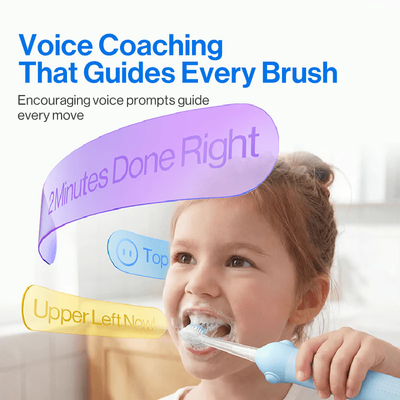
Best Electric Toothbrush for Kids: What Parents Should Look For
LEARN MORE
How to Get a Child to Brush Teeth Without Daily Battles
LEARN MOREYou may also like

usmile Y20 PRO Upgraded AI Electric Toothbrush

usmile P10 S Electric Toothbrush
usmile Q30 Kids Electric Toothbrush
usmile C30SE Portable Dental Flosser
usmile Q30 Kids Electric Toothbrush Trio Pack
Further reading

What Candy & Holiday Foods Can You Eat With Braces? Plus How to Get Food Out of Braces in 2 Minutes
Halloween Candy Before Bed: A Kid-Friendly Cleanup Routine to Protect Kids' Teeth
I Thought My Water Flosser Made My Teeth Gaps Bigger—Here’s What May Actually Be Happening