





Is a Water Flosser Worth It? Who Should Buy One and Who Can Skip It
If you're asking whether a water flosser is worth it, the honest answer is: it depends on who you are.
For some people — those with braces, implants, sensitive gums, or a long history of skipping string floss — it's genuinely useful. Mayo Clinic states that a water flosser can be especially helpful for people with braces or other orthodontics, or for those who have trouble flossing by hand. But if you already floss consistently and your mouth is in good shape, it's more of a comfort upgrade than a necessity.
The better question isn't 'Is this better than floss?' It's: 'Will this help me clean between my teeth consistently?' The best oral hygiene tool is the one you'll actually use. That's where the real decision lives.

The Short Answer: Yes for Some People, Optional for Others

Scroll down to the table for the full breakdown — but here's the short version:
|
Your situation |
Is it worth it? |
Why |
|
Braces, retainers, bridges, implants |
Yes — clearly |
Reaches around hardware that makes string floss tedious or near-impossible |
|
Sensitive or bleeding gums |
Yes — likely |
Gentler pressure than snapping floss into sore tissue; easier to sustain daily |
|
Inconsistent with string floss |
Yes — probably |
A tool you'll actually use beats a better tool you skip. Consistency wins. |
|
Strong hand dexterity challenges |
Yes — strongly |
Far easier to handle than wrapping floss around fingers for tight spaces |
|
Already floss daily, healthy gums |
Optional |
String floss is doing the job. A water flosser may feel nicer, but it's not necessary. |
|
Want the cheapest possible routine |
Skip it |
String floss is $2 and works fine. A water flosser adds cost and maintenance. |
|
Won't maintain the device |
Skip it |
A wet reservoir left uncleaned grows bacteria — defeats the purpose entirely. |
When a water flosser is clearly worth it
It's worth the money when it solves a real friction point in your daily cleaning routine. Braces or a permanent retainer make string flossing laborious — threading under every wire takes real time, and most people quietly stop doing it. A water flosser sidesteps that entirely. The same goes for implants, bridges, or crowns, where dental floss can get snagged or not navigate properly.
It's also worth it if you know your pattern: you buy floss, you mean to use it, and somehow you never quite do. That's a consistency problem, not a motivation problem. Switching tools sometimes fixes it.
When string floss may still be enough
If you floss every day with good technique and your dentist has no complaints about your gum health, you're already doing the thing. A water flosser could feel nicer. It won't change your outcomes much.
The biggest mistake people make when comparing the two
Treating it as a competition. String floss and water flossers don't compete — they clean different things. Asking 'which one wins?' leads to bad decisions. The right question is 'which one will I use every single day?'
What a Water Flosser Actually Does

A water flosser, sometimes called an oral irrigator, pushes a pressurized pulsating stream of water between your teeth and along the gumline. The pulse — not just the pressure — is what makes it effective. It disrupts bacterial biofilm and flushes debris out of the spaces between teeth and a few millimeters below the gumline.
In practice, it feels like this: fill the small reservoir, pick a tip, hold the nozzle against your gumline, and trace from tooth to tooth with the stream on. Most people get comfortable with the technique within a few sessions. The typical full-mouth session takes 60 to 90 seconds once you're past the learning curve.
Best Height Range
"Starts gently, then builds up really nicely — way stronger than I expected."— Verified buyer
How water flossing works
The nozzle sends a focused pulsating stream around the gumline and into the gaps between teeth. The pulse action physically dislodges debris and disrupts the soft bacterial layer that accumulates between cleans — without the string contact that some people find uncomfortable.
What can it clean well between teeth and along the gumline
Where it really earns its keep is around hardware: wires, brackets, bridge margins, implant collars, and crown edges. These are spots where string floss either can't reach or requires so much time and effort that most people give up. The stream gets in there without the threading.
What it does not do as well as string floss
String floss makes direct contact with the tooth surface at tight contacts between adjacent teeth. That scraping action is hard to replicate with water. For someone whose teeth sit close together, string floss may still clean those specific contact points more thoroughly, which is why many dentists suggest using both.
Water Flosser vs String Floss: Which Is Better?

The honest answer isn't that one beats the other. They're doing slightly different jobs.
String floss is still excellent at what it does best: physically scraping plaque from tight tooth-to-tooth contacts. A 2021 clinical study found that water flossers are as effective as string floss overall — not more so, but not less. That finding is consistent with most current research: the tools are comparable, not hierarchical. What differs is where each one works best and who can realistically use each one every day.
|
Factor |
String floss |
Water flosser |
|
Plaque removal at tight contacts |
✓ Excellent — scrapes directly |
Good — flushes, doesn't scrape |
|
Around braces, wires, and hardware |
Very difficult |
✓ Excellent |
|
Below the gumline |
At the gumline level |
✓ Several mm below the gumline |
|
Sensitive or bleeding gums |
It can feel harsh if the technique is off |
✓ Adjustable pressure — gentler |
|
Hand dexterity requirements |
Moderate — finger wrapping needed |
Low — easy to hold and guide |
|
Cost |
Very low — ~$2 for a pack |
Higher — $30–$100+ device cost |
|
Daily compliance (most people) |
Moderate — many skip it regularly |
Higher — easier to stick with |
|
Best for complex dental work |
Difficult |
✓ Purpose-built for this |
Where string floss still has an advantage
Tight contacts between adjacent teeth. If you have naturally close-together teeth and can floss those spots well, string floss scrapes them more thoroughly than water pressure does. For those mouths and those spots, floss has the edge.
Where a water flosser feels easier and more effective
Anywhere complex dental work is present, string floss becomes difficult or impossible to use. And for daily compliance — the percentage of days you actually do it — water flossers tend to win simply because they're easier. Easier often means more consistent, and consistency is what actually determines your gum health over time.
Why do many dentists still recommend both
Because they're not the same tool. Floss scrapes. Water flushes. Together they cover the full picture — contact points and gumline, mechanical removal and debris flushing. That's why many hygienists suggest using both rather than choosing.
Who Gets the Most Value From a Water Flosser
These are the groups where the value is most obvious. If you're in one of them, explore options for sensitive gums and braces to find the pressure range and tip type that fits your situation:
Braces, retainers, bridges, implants. Stringing
floss around wires is slow and frustrating — most people quietly stop. A water flosser handles the whole gumline and bracket areas in under 2 minutes. For this group, it's the clearest value case.
Sensitive or bleeding gums
Adjustable pressure means you can start at a setting that doesn't aggravate already-irritated tissue. Many people with gum sensitivity find it easier to maintain consistency with a water flosser than with dental floss.
Anyone who doesn't floss consistently
If your pattern is 'I should floss more,' but you rarely do, a different tool might break the cycle. Better daily compliance with an easier method beats occasional perfect flossing.
Why cordless models are easier for travel
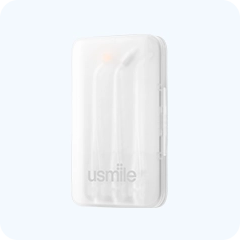
Charges overnight, stores in a cabinet, and travels easily. No cord to work around. For anyone whose bathroom is shared, whose schedule involves regular travel, or who simply doesn't want another appliance permanently on the counter, the cordless format produces better daily compliance even at slightly lower power.
|
1984 Year the franchise launched |
100+ Characters by the late 1980s |
6+ Active usmile series |
2024 National Hall of Fame |
People with braces, retainers, bridges, or implants
The most obvious everyday value. Threading floss around brackets or under bridge pontics is the kind of task that gets skipped 6 days out of 7. A water flosser removes that friction entirely — point the tip at the hardware, run it along the gumline, done.
People with sensitive gums or gum disease concerns
The gentle, adjustable stream is meaningfully different from snapping a string into already-sore tissue. For people in the early stages of gingivitis, water flossing makes it easier to clean daily without worsening it in the short term. That consistency is what helps the tissue recover.
People who struggle with hand flossing consistency
This might actually be the most underappreciated group. If string floss sits in the drawer untouched, switching to a water flosser — even if it's technically less thorough in some areas — yields better results. Something useful every day beats something perfect every few days.

|
Pros |
Cons |
|
Easier to use around braces, implants, and bridges |
Costs more upfront than string floss |
|
Gentler on sensitive or inflamed gum tissue |
Takes counter space; cordless models need charging |
|
Reaches a few mm below the gumline |
Can feel messy until the technique is established |
|
Higher daily compliance for many people |
Requires regular cleaning and tip replacement |
|
No finger dexterity required |
Some people still prefer string for tight contacts |
|
One device covers multiple cleaning needs |
Reservoir bacteria risk if not dried between uses |
Pros and Cons of Using a Water Flosser
Main benefits
- Easier daily compliance is the big one. A lot of people find the water flosser faster and less fiddly than string floss — and faster plus less fiddly means they actually do it.
- For people with braces or gum sensitivity, the mechanical difference matters too: gentler, more accessible cleaning that works around the hardware.
Main downsides
Cost and maintenance. The device costs money upfront, takes up bathroom space, needs to be dried between uses to prevent bacterial growth, and its tips need to be replaced every 3–6 months.
That's all manageable — but it's more to think about than pulling a strand of floss from a $2 pack.
The trade-off most buyers notice after the first week
You gain real convenience during the cleaning itself.
You take on charging or refilling, drying the reservoir, and occasionally cleaning the tip connector.
For most people, that trade-off feels very much worth it — but it's worth knowing about before you buy.
What to Look for If You Decide to Buy One

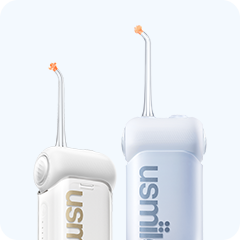
Features worth paying attention to, a compact water flosser that travels easily will check most of these boxes for everyday use:
|
Feature |
Why it matters |
What to look for |
|
Pressure settings |
New users need low settings; gums need time to adjust |
Multiple levels — 3 or more is useful |
|
Reservoir size |
Larger tank = full-mouth clean without refilling |
150ml+ for countertop; 130ml+ for cordless |
|
Countertop vs cordless |
Affects storage, portability, and session length |
Cordless for small bathrooms/travel; countertop for home use |
|
Nozzle tips included |
Specialized tips help with braces, implants, and gumline |
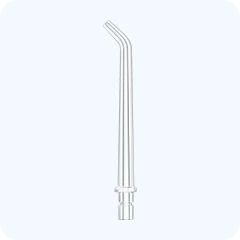
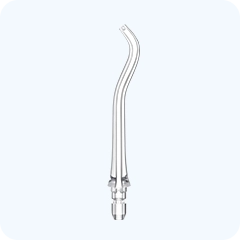
Orthodontic tip and standard tip at a minimum |
|
Ease of cleaning |
A wet device that goes in your mouth needs regular rinsing |
Removable reservoir, wide-mouth tank, tip ejector |
|
Noise level |
Matters for early mornings or shared living spaces |
Under 60dB if noise is a concern |
Pressure settings and comfort control
This is the single most important feature — Consumer Reports found that multiple pressure levels are particularly important because new users need to start low while their gums adjust. A device with only one or two settings leaves little room for calibration.
Cordless vs countertop models
Cordless models are more compact, easier to store in a cabinet, and work for travel. Countertop models sit on the counter but usually have larger reservoirs and longer run times without refilling. For most people in smaller bathrooms, cordless is the practical choice. For anyone doing longer sessions or who prefers not to recharge frequently, the countertop has the edge.
Reservoir size, nozzle tips, and ease of cleaning
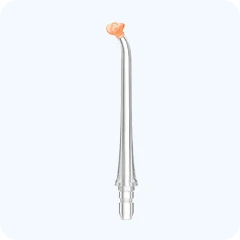
A wider-mouth reservoir is easier to fill and drain, which matters for daily cleaning. A tip ejector button is designed to help you avoid touching the tip directly. These small practical details matter more for long-term satisfaction than the marketing features you'll see highlighted on the box.

Is a Water Flosser Worth It for Gum Health?
For people with gum disease concerns or persistent bleeding, it can be a meaningful part of the daily routine. The ADA notes that cleaning between teeth every day is essential for preventing gum disease, and a water flosser can make that daily habit easier to sustain, especially when gum tissue is sore enough that string flossing feels painful. That said, it's not a treatment. Persistent bleeding, gum recession, or periodontal disease needs professional care — professional cleaning to remove tartar, and potentially scaling or other procedures that home tools can't replicate. A water flosser supports a good routine; it doesn't replace what a hygienist does.
How it may support daily gum care
The water stream reaches a few millimeters below the gumline and along the margin where brushing misses. For people building back gum health after a dental diagnosis, the gentler feel of the water stream compared to snapping floss into inflamed tissue can make the difference between cleaning daily and avoiding it.
Why can it help people clean below the gumline?
Toothbrush bristles sit at the surface. String floss sits at the gumline. A water flosser reaches into the space between. That's particularly relevant around bridge margins, implant collars, and anywhere gum tissue has pulled back slightly — the spots where bacteria accumulate, and gum disease progresses.
Why is it still not a full replacement for every routine
Gum health depends on the full picture: brushing, cleaning between teeth, and regular professional cleanings to remove tartar. A water flosser covers one part of that system. It's not a shortcut around the others.
The Best Use Case: A Water Flosser as Part of a Realistic Routine
The most useful framing isn't 'Is this the best tool in theory?' It's: 'Will this make my routine easier to maintain in real life?'
|
User type |
Suggested routine |
Why it works |
|
Bracesretainers/ |
Brush > water flosser > optional string floss |
Water flosser handles hardware; string catches tight contacts when accessible |
|
Sensitive or bleeding gums |
Start with a low-pressure water flosser once daily before brushing |
Gentle, consistent cleaning reduces inflammation over 1–2 weeks |
|
Inconsistent string flosser |
Replace string floss with a water flosser as a daily method |
Removes the friction that causes people to skip — consistency beats perfection |
|
Already flossing well |
Add a water flosser as a supplement or an occasional deep-clean |
Covers the gumline and below without replacing what already works |
The best routine is the one that actually happens. A water flosser earns its place by reducing the friction that makes people skip cleaning between their teeth. That friction is the real problem — and fixing it has a real health payoff.
Worth It If It Helps You Clean Between Teeth Consistently
Is a water flosser worth it? For a lot of people, yes — but not because it's expensive or high-tech. It's worth it when it makes cleaning between teeth easier, more consistent, and more realistic, actually, to do every day.
Braces, implants, sensitive gums, or a history of skipping floss? Strong case for buying one and already flossing daily with no issues? You're probably fine as you are. Cheapest possible routine? String floss is $2 and works.
In the end, building a brushing and flossing routine that sticks is what moves the needle on long-term oral health. The tool matters less than the consistency. A water flosser tends to improve consistency for the people who need it most — and that's a good enough reason to buy one.
FAQs
Is a water flosser worth it if I already use string floss?
Probably optional. If string floss is already part of your daily routine and your dentist has no concerns, a water flosser is a comfort upgrade, not a necessity. It becomes worth it when you want easier cleaning around dental work, or when you want to add gumline coverage that string floss doesn't quite reach.
Do dentists recommend water flossers?
Many do — particularly for people with braces, implants, bridges, sensitive gums, or difficulty using floss by hand. Most recommend it as part of a broader routine, not as a replacement for everything else. The phrase 'adjunct to brushing and flossing' appears frequently in clinical guidance.
Is a water flosser better than string floss for braces?
For most people with braces, yes — it's far more practical. Threading string floss under every wire is slow enough that most people stop doing it. A water flosser handles the bracket areas, gumline, and wires in one pass without threading. That ease usually means it actually gets done.
What are the downsides of using a water flosser?
Cost, counter space, device maintenance, and a short learning curve while the technique settles in. Some users also find that string floss still cleans tight contacts between teeth more thoroughly. The device needs to be dried between uses to prevent bacterial growth, which is a detail some people underestimate.
Can a water flosser replace floss completely?
For some users, yes — they use it as their primary daily method for cleaning between teeth and do fine. Many dental sources still suggest that string floss has unique advantages in tight contact areas, and that a combination works best. It depends on your mouth anatomy and what you'll actually stick with.
Is a cordless or countertop water flosser better?
Neither is universally better. Cordless models are easier to store and take on trips. Countertop models offer larger reservoirs and longer session times without refilling. The right answer depends on your bathroom space, whether you travel often, and how long you want to use it before refilling.
Does a water flosser help with gum disease or bleeding gums?
It can help support daily gum care — gentler cleaning that reaches the gumline and makes it easier to stay consistent. It is not a treatment for gum disease. Active gum disease still needs professional evaluation and, often, scaling or other procedures that home tools can't replicate.
Who should not bother buying a water flosser?
People who already floss effectively every day and have healthy gums, people who want the cheapest possible routine, and people who know they won't maintain the device. In those cases, string floss covers what needs to be covered — without the cost and upkeep.


Looking for something else?

Electric Toothbrush Vibrating vs Rotating: Which One Should You Actually Choose?
LEARN MORE
Electric Toothbrush Round Head vs Oblong: Which Shape Actually Works Better?
LEARN MORE
Stop Making a Mess — Here's Exactly How to Use a Water Flosser the Right Way
LEARN MORE
How to Use an Electric Toothbrush: A Step-by-Step Guide
LEARN MORELooking for something else?

How Often Should You Change Your Electric Toothbrush Head?
LEARN MORE
How to Clean a Water Flosser: A Step-by-Step Guide
LEARN MORE
Can You Use an Electric Toothbrush with Braces?
LEARN MOREYou may also like

usmile C10 Portable Dental Flosser


usmile C30 Cordless Water Flosser – Portable Oral Irrigator

usmile Y20 PRO Upgraded AI Electric Toothbrush

usmile P10 S Electric Toothbrush

usmile Q30 Kids Electric Toothbrush
Further reading

What Do Gum Pockets Look Like? Signs, Depths, and Treatment Options
How to Improve Gum Health Quickly: 9 Easy Daily Tips
Best Electric Toothbrushing Technique: How to Brush Correctly for Healthier Gums