









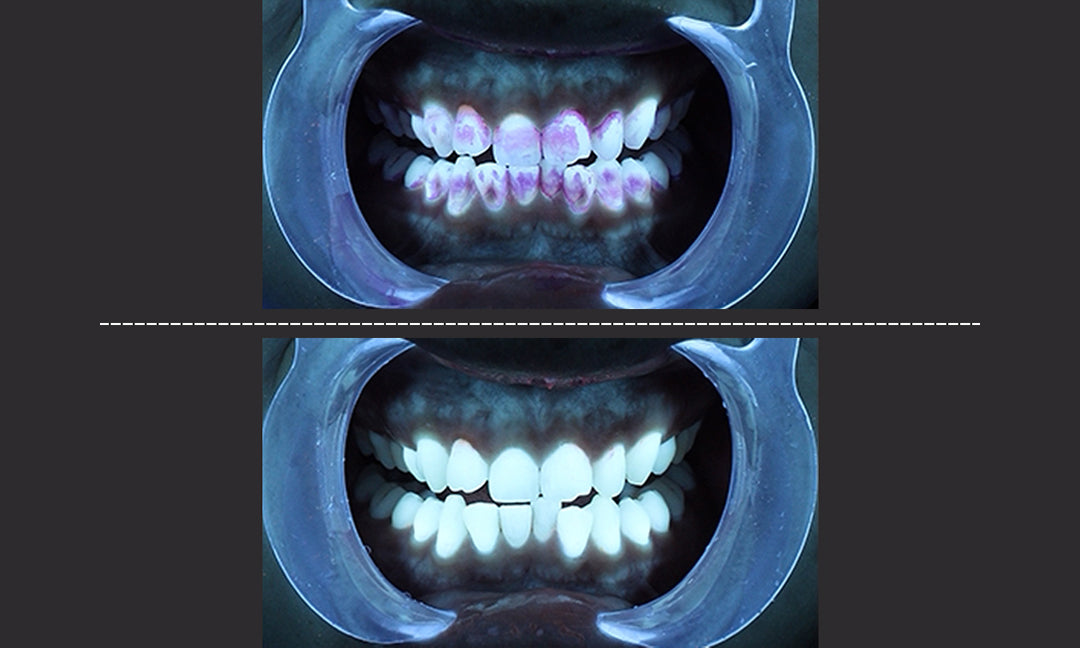
How to Maintain Oral Hygiene: 7 Smart Dentist Tips for a Healthy Smile
Taking care of your mouth goes beyond a beautiful smile — it’s about keeping your teeth and gums healthy for life. Poor oral hygiene can lead to bad breath, gum disease, and even tooth loss. Based on a dentistry student’s advice, here are 7 practical, science-backed tips to maintain your oral health every day.
1. Use Floss Daily
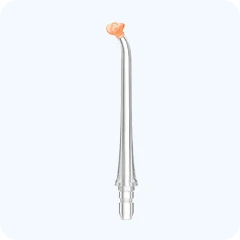
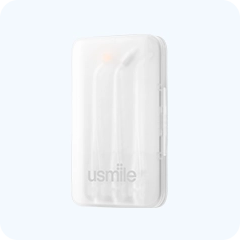
Flossing isn’t just a suggestion — it’s essential. Food debris can get stuck between your teeth where a brush can’t reach. If you skip flossing, that trapped food breaks down and causes bad breath (and yes, it smells). Try using a water flosser if traditional string floss feels inconvenient; it’s faster and gentler on your gums.
💡 Tip: Brands like usmile offer easy-to-use water flossers that help clean between teeth without irritation — ideal for sensitive gums.
2. Brush Your Teeth the Right Way
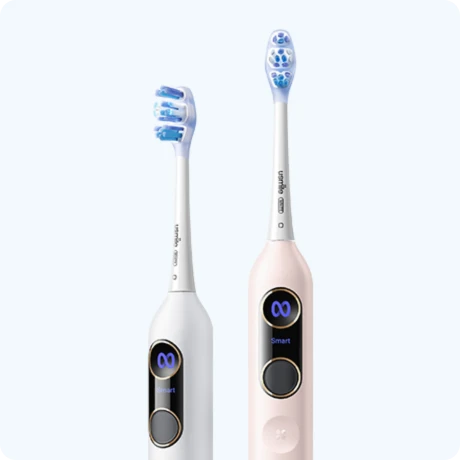
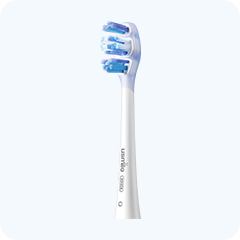
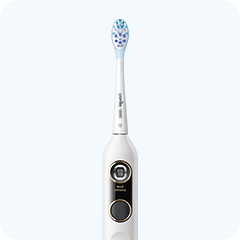
Brushing incorrectly can do more harm than good. Too much pressure or the wrong angle may cause abrasion, leading to gum recession and enamel loss. Use a soft to medium bristle brush, or better yet, an electric toothbrush with pressure sensors to help you clean effectively without overbrushing.
3. Manage Gum Problems with Antibacterial Mouthwash
If you often struggle with gingivitis (gum inflammation) or halitosis (bad breath), try using an antibacterial rinse like Orahex or chlorhexidine-based mouthwash. These help kill bacteria that brushing can’t reach, especially along the gumline. Just don’t overuse them — once or twice a day is enough.
👉 For more details on mouthwash use, visit the American Dental Association’s MouthHealthy guide.
4. Visit Your Dentist Regularly
Even if your teeth “feel fine,” plaque and calculus deposits can build up where your brush can’t reach. Regular checkups every 6 months — or at least once a year if you’re on a budget — allow your dentist to perform oral prophylaxis (cleaning) and detect problems early.
As many students admit, it’s easier to commit to routine dental care once you’re working, but prevention is always cheaper than repair.
5. Fix Cavities Early Before They Grow
If you notice small cavities, get them filled right away. Delaying treatment means deeper decay — and higher costs. Once the tooth damage is severe, you might need a root canal treatment, which can be expensive since dentists charge per canal (molars often have four or more).
If root canal therapy isn’t within your budget, extraction becomes the last option — but it’s better to save the tooth whenever possible. Early action saves both your smile and your wallet.
6. Watch What You Drink — Use a Straw for Colored Beverages
Love coffee or tea? Those drinks can stain your teeth over time. To minimize discoloration, drink through a straw and rinse your mouth with water afterward. For extra protection, use a whitening-friendly electric toothbrush or toothpaste formulated for stain removal.
7. Build a Sustainable Oral Care Routine
Good oral hygiene isn’t a one-time effort — it’s a lifestyle. Create a simple daily routine:
-
Brush twice daily with an electric toothbrush
-
Use floss or a water flosser once a day
-
Rinse with antibacterial mouthwash if needed
-
Visit your dentist regularly
Small, consistent steps keep your teeth and gums healthy for years. Explore more practical oral care tips and product recommendations on the usmile Blog.
💬 Final Thoughts
Maintaining oral hygiene doesn’t need to be complicated or expensive — it’s all about consistency. With the right tools, habits, and regular dental care, you can prevent most oral issues long before they start. Your smile is worth it!


Looking for something else?
Best Electric Toothbrush for Gum Disease (2026): 6 Picks Tested for Real Gum Protection
LEARN MORE
Electric Toothbrush on Plane: The Complete Travel Guide (2026)
LEARN MOREBest Sustainable Electric Toothbrush 2026: 5 Picks Tested for a Greener, Healthier Smile.docx
LEARN MORE
Best Sustainable Electric Toothbrush 2026: 5 Picks Tested for a Greener, Healthier Smile
LEARN MORELooking for something else?
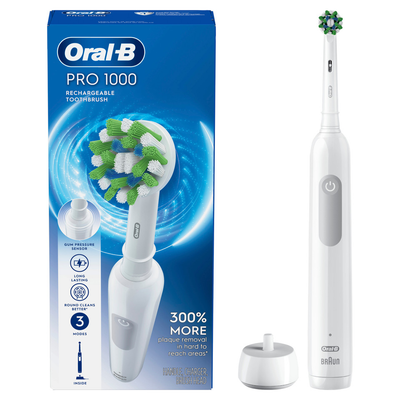
Best Cheap Electric Toothbrush (2026): Top 5 Budget Picks That Actually Work
LEARN MORE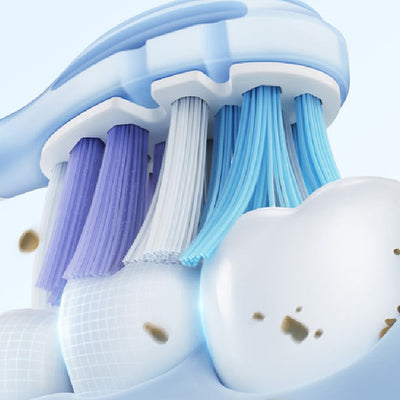
Ultrasonic Toothbrush vs Electric: Which Technology Wins for Your Smile?
LEARN MORE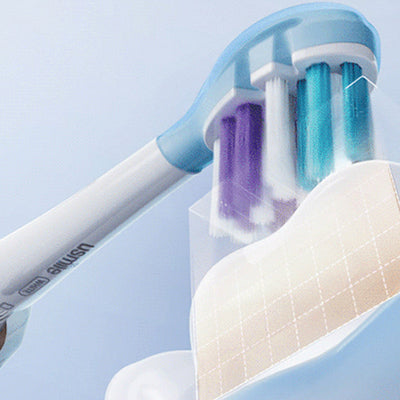
Best Electric Toothbrush for Sensitive Teeth (2026) — 5 Tested
LEARN MOREYou may also like
usmile Q30 Kids Electric Toothbrush
usmile C30SE Portable Dental Flosser
usmile Q30 Kids Electric Toothbrush Trio Pack
Y10 PRO Electric Toothbrush x C10 Portable Water Flosser
Further reading
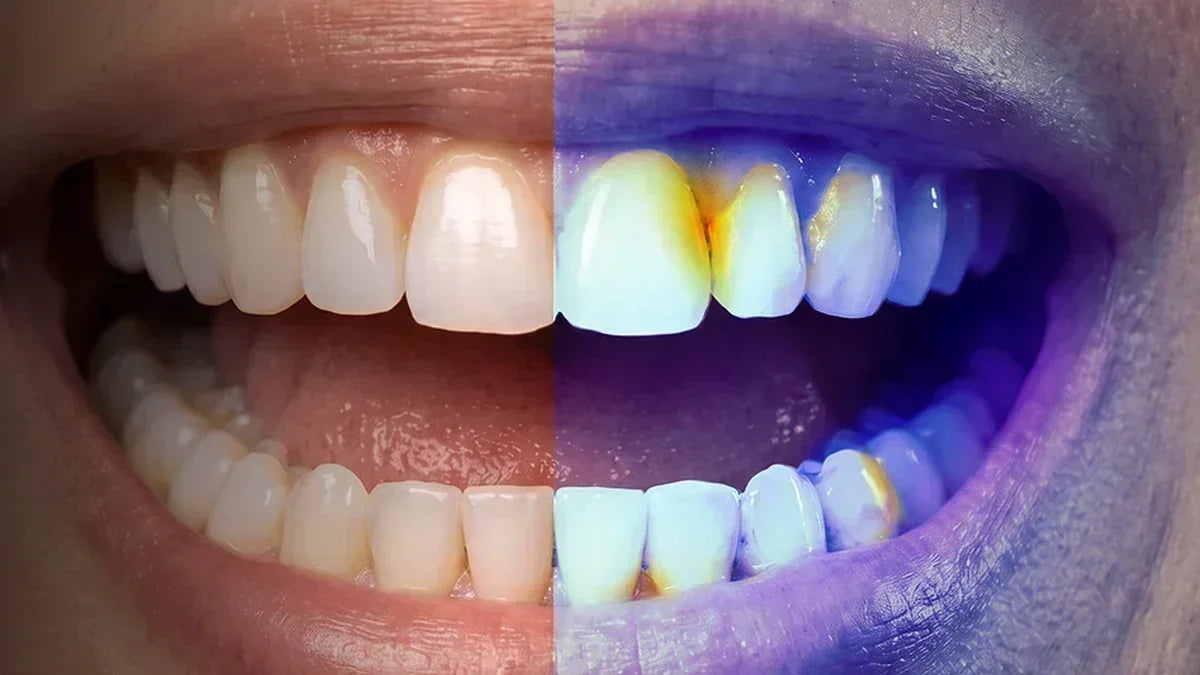
Plaque, Stains, or Food Debris? How to Interpret What a Toothbrush Camera Shows
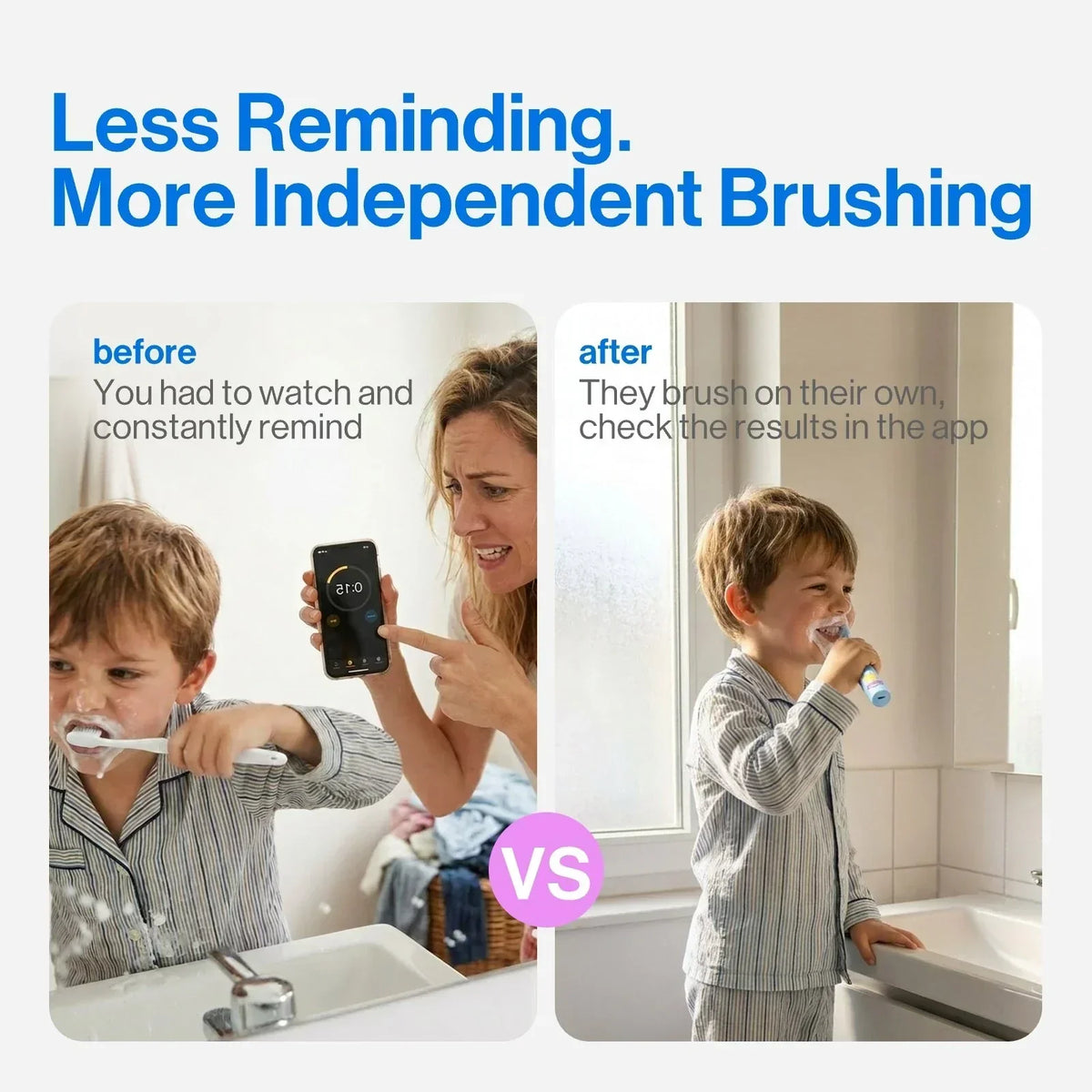
The 5 Toothbrushing Spots Kids Miss Most—and How Parents Can Help
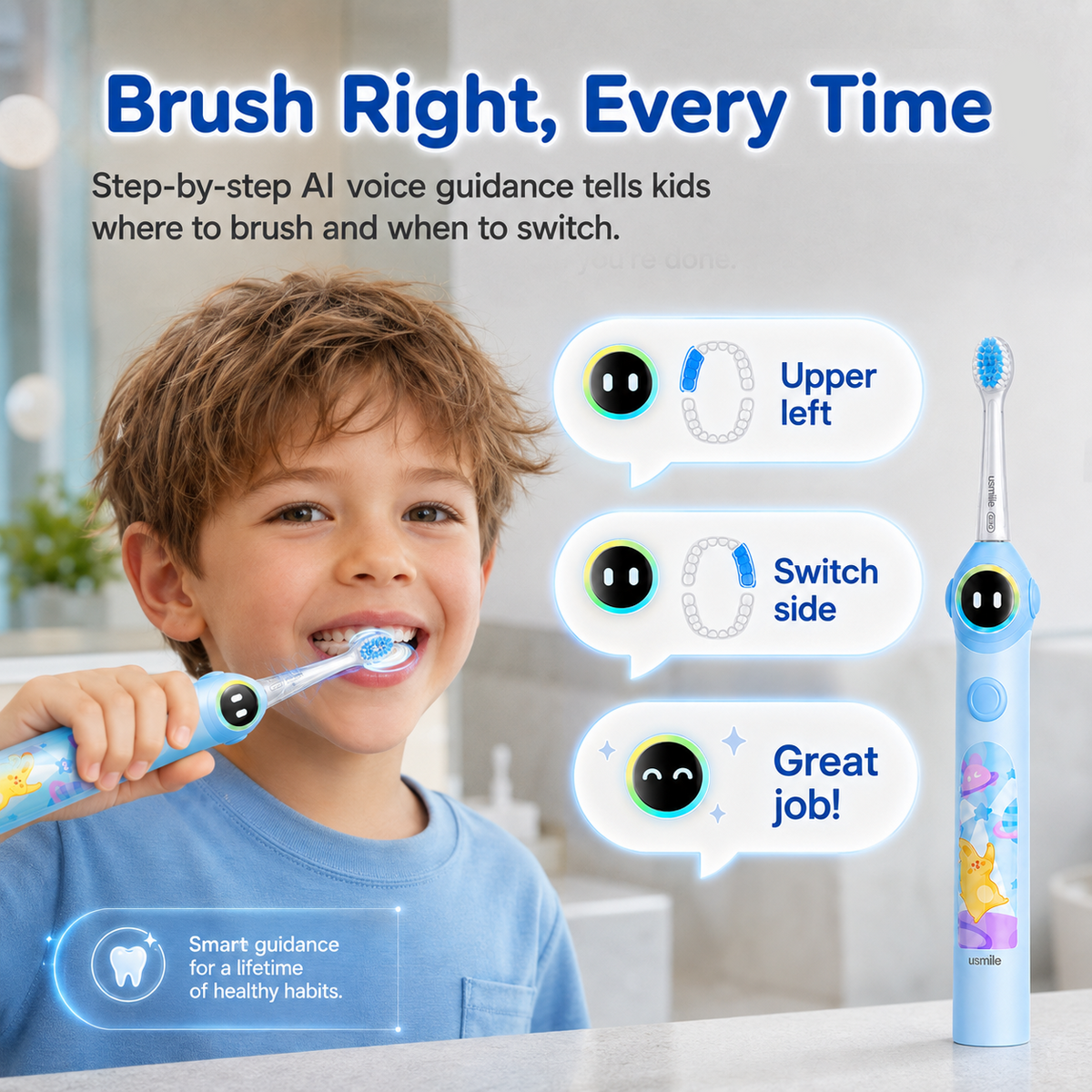
The Back-to-School Brushing Reset: A 14-Day Plan for Kids Ages 3–8