


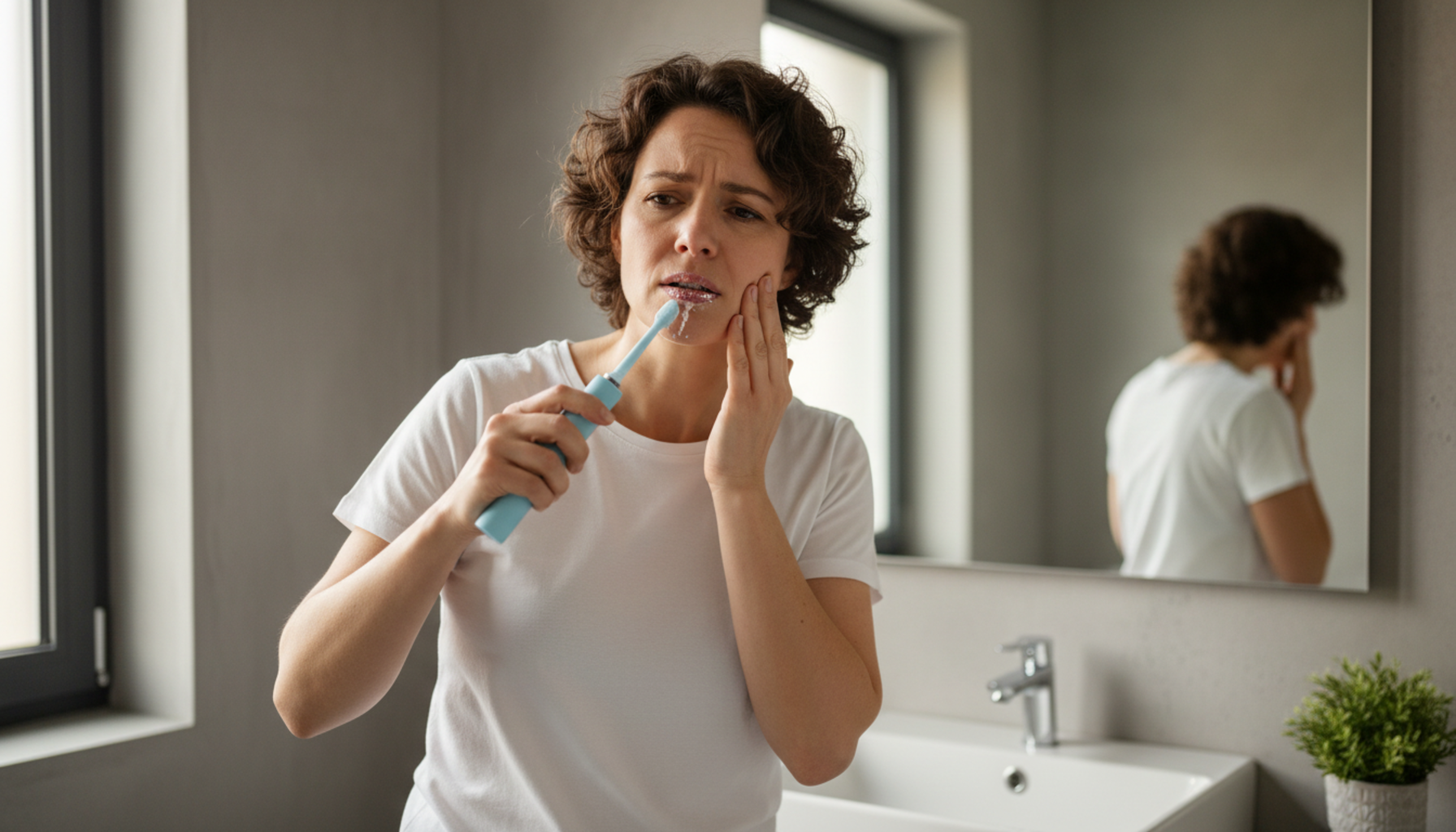
Why Do My Teeth Hurt After Brushing? Causes, Fixes, and When to See a Dentist
Brushing your teeth shouldn’t hurt. And yet for a lot of people, it does. A sharp sting as the bristles pass over the gum line. A dull ache that follows you into the morning. So, it's sometimes just a vague discomfort you can’t quite locate. Not dramatic, but impossible to ignore.
Most causes have a clear explanation — and most are fixable. If you've been wondering why your teeth hurt after brushing,this Johns Hopkins guide on sensitive teeth confirms what dental professionals consistently say: exposed dentin, enamel wear, and gum recession are the most common structural reasons behind that pain. What's causing it specifically in your case — and what to do about it — is exactly what this article covers.
Quick Answer — Why Your Teeth Hurt After Brushing

Usually, it’s one of five things. Tooth sensitivity from dentin that’s become exposed. Enamel gradually thins from acid or overnight grinding. Plaque-driven gum inflammation that makes gum tissue painful to brush over. Hard bristles or too much pressure during brushing. Or something localized — a cavity, a cracked tooth, or a failing filling in one specific spot.
And here’s the part nobody explains well: the pain experience across all of these often feels identical from the inside. Which is exactly why “just try a different toothpaste” rarely works.
When It’s Probably Temporary
Tenderness for a few days after a professional cleaning. Sensitivity after starting a whitening product. Some soreness when getting back into a brushing routine after a break. Normal. All of it typically resolves within a week or two of consistent gentle care—no alarm required.
When It’s Not
Pain in one specific tooth that doesn’t settle fast. Gums that bleed consistently and won’t improve. Discomfort that lingers seconds after you stop brushing. A bad taste that brushing doesn’t clear. Swelling near a tooth. Those aren’t adjustment symptoms. Those need a dentist.
Tooth Sensitivity — The Most Common Culprit
Many people notice that several teeth react when the brush passes over them, especially near the gum line or the biting edges. Sensitivity is where to start. It accounts for more dental pain complaints than anything else, and it’s also one of the most misunderstood.

What It Feels Like Before You Can Name It
Short. Sharp. Electric, sometimes. It hits during contact and fades within a few seconds — not a slow background ache, but a quick, definite jolt triggered by specific stimulation. Hot coffee, ice water, sweet food, cold air through an open mouth. Any of those. Not a slow ache. A jolt.
The Dentin Problem — Why the Pain Is So Sharp
Enamel covers the outside of each tooth. Under it sits dentin — a layer filled with microscopic tubules that connect to the tooth’s nerve. Once enamel wears thin or gum tissue pulls back enough to expose dentin, a toothbrush bristle touching that surface sends a signal straight to the nerve with almost no buffer. That’s the jolt. And here’s the thing about dentin exposure: it doesn’t repair itself. The nerve doesn’t stop being accessible just because some time passes.
What Pushes Sensitivity Further — and Faster
Acidic food and drink. Abrasive or whitening toothpastes. Brushing too hard. Nightly teeth grinding. Gum disease that slowly pulls tissue away from the tooth. These causes also stack. Enamel that’s been softened by acid is more vulnerable to brushing pressure. Gum recession from overbrushing increases sensitivity before any disease enters the picture. Address one, and you often ease the others.
You’re Brushing Too Hard or Using the Wrong Toothbrush

The most immediately fixable cause on this list. Also, the most underestimated — because the damage doesn’t produce obvious pain in the moment. It accumulates silently over months and years until brushing becomes consistently uncomfortable.
What Hard Bristles Actually Do Over Time
They don’t just clean. They abrade. Hard bristles and excess pressure wear enamel from tooth surfaces, irritate the gum margin session after session, and over time contribute to recession that exposes root surfaces with no enamel protection whatsoever. The tell: bristles that look frayed and flattened within a few weeks of a new brush. That’s pressure — not normal wear. Investing in advanced oral care solutions built for effective cleaning without requiring force protects enamel in a way that sheer brushing intensity never can.
The Right Technique — What It Actually Looks Like

Soft bristles are honestly the first thing to look at. The pressure should be light enough that the bristles don't bend or splay out the moment they hit your teeth. Instead of scrubbing side to side, go for small angled strokes right along the gum line, and stick to a full two minutes. Modern electric toothbrushes handle the actual motion for you — that oscillating or sonic action runs at a steady, controlled speed, so all you really need to do is guide it along. The plaque still comes off just as well, but you avoid the enamel damage that tends to sneak up on people who scrub by hand. And if your gums are still sore after brushing, no matter what you change, getting a brush that manages pressure for you is probably the easiest fix you've got left.
Gum Disease and Gingivitis

Gum disease often presents as tooth pain. This trips people up. Gum tissue wraps the base of every tooth — when that tissue is inflamed, and you brush across it, it hurts. Calling that “my teeth hurt” accurately reflects the experience, even when the tooth itself is structurally sound.
How Plaque Turns Brushing Painful
Plaque builds along the gum line when it isn’t consistently removed. The bacteria in that film irritate the surrounding tissue constantly — not just during brushing. Gums become swollen, tender, and prone to bleeding. Once they reach that state, even light contact during brushing produces soreness that seems to come from multiple teeth at once. It’s coming from the tissue around all of them.
What Gum Disease Actually Looks Like Day to Day
Gums that bleed every time you brush. Not occasionally — every time. Tissue that looks redder or puffier than it used to. Bad breath that clears with brushing and returns within an hour. Teeth that feel looser or more temperature-sensitive than before. The NIDCR identifies red, swollen, tender, or bleeding gums,along with sensitive teeth, pain when chewing, and persistent bad breath, as the primary symptoms of gum disease. Any consistent combination of those is worth a professional look.
The Early-Stage Window — Why It Matters
Gingivitis reverses. That’s the critical fact most people don’t know clearly. Professional cleaning and improved home care can completely reverse early-stage gingivitis. Periodontitis — the stage after — involves bone loss around tooth roots that cannot be undone. The treatment goal shifts from healing to managing. That gap between reversible and irreversible is real. Catching gum disease early is the only way to stay on the right side of it.
Cavities, Cracked Teeth, or Worn Fillings
Is one toothhurting rather than several? The cause is almost certainly localized. One spot. One structural problem. And probably one that won’t improve on its own.
What This Pain Usually Points To
A cavity removes protective enamel in one area, exposing dentin or nerve tissue closer to the surface. Brushing over that spot produces a jolt that doesn’t happen on adjacent teeth. A crack in a tooth flexes under brushing pressure — momentarily widening just enough to create sharp pain. A worn or failing filling leaves the same unprotected surface behind. All three feel similar: specific, localized, and inconsistent with general gum soreness.
When to Stop Waiting and Make the Call
Sharp pain in one tooth that doesn’t settle within seconds. Pain specifically when biting. Swelling of gum tissue near one tooth. A sour or bad taste brushing doesn’t resolve visible damage. The Mayo Clinic's guidance on tooth pain after brushing is direct: untreated cavities can progress to infection and lead to tooth loss. No version of waiting makes a cavity cheaper, simpler, or less painful to treat.
Enamel Erosion From Acidic Foods and Drinks
Enamel doesn’t grow back. Most people know this somewhere in the back of their minds. Fewer actually connect it to what theyeat and drink three or four times a day.
The Main Offenders
Carbonated drinks — including sparkling water. Citrus fruit and juice. Wine. Sports drinks. Sweetened coffee. Vinegar-based foods. Sour candy. Occasional exposure to any of these isn’t the problem. Repeated daily exposure is. Several servings throughout the day keep the oral environment acidic for extended periods, and enamel softens and erodes during those periods without any obvious signal.
Brushing Right After Acid Makes the Damage Worse — Not Better
After exposure to anything acidic, enamel is temporarily softened — more vulnerable than normal. So when you reach for the toothbrush right away, you're not just cleaning your teeth; you're scrubbing already-weakened enamel, which is one of the most overlooked reasons your teeth hurt after brushing. Brushing during that window physically scrubs away already chemically weakened enamel. The fix sounds backward: don’t brush immediately after eating or drinking acidic foods or drinks. Wait thirty minutes. Rinse with plain water right away to start neutralizing the acid while you wait. The chemistry explains what the instinct gets wrong.
Teeth Grinding, Recent Dental Work, and Whitening Products
Grinding — The Damage You Can’t Feel Happening
Most grinders have no idea until a dentist shows them the evidence. Flattened molars. Small cracks in the back teeth. Enamel visibly thinned along biting edges in ways that don’t match normal wear patterns. Morning jaw soreness or recurring dull headaches are often the only conscious signs. Each grinding session applies far more force than chewing ever does. A custom night guard distributes that load across the entire arch rather than concentrating it in one area.
Post-Cleaning Sensitivity — Real, and Temporary

Professional scaling removes tartar from around and below the gum line. For anyone with pre-existing gum recession or sensitivity, this temporarily exposes more tooth surface than usual. Uncomfortable. But short-lived — a week or two of gentle brushing with desensitizing toothpaste typically brings things back to where they were before the appointment.
Whitening Products as the Direct Trigger
Sensitivity that started within a day or two of introducing a whitening product? That product is almost certainly responsible. Whitening toothpastes, strips, and bleaching trays increase sensitivity for many people — especially anyone with thinner enamel or receded gum margins that expose root surfaces. Pause it. Switch to a gentler formula. Reassess after a few weeks before adding anything else back.
How to Stop Teeth Hurting After Brushing
Soft Bristles First — The Most Impactful Immediate Change

Soft bristles do a great job clearing plaque without grinding away at your enamel or beating up your gums every time you brush. And honestly, anergonomic toothbrush head that's shaped to sit gently along the gum line kind of does the work for you — you end up using the right technique even when you're brushing half-asleep at six in the morning or rushing out the door.
Fluoride Toothpaste — And Possibly a Desensitizing Formula

Fluoride toothpaste gradually strengthens enamel and slows the exposure of dentin. Desensitizing formulas block the tubules in dentin so stimulation reaches the nerve less directly. Both work cumulatively over several weeks — not in one session. Switching products every few days, expecting immediate results, doesn’t give either formula long enough to do anything.
Warm Salt Water for Gum Soreness
Half a teaspoon of table salt in warm water. Rinse gently for 30 seconds, 2 or 3 times a day. Reduces bacteria. Soothes inflamed tissue. No harsh chemicals. Consistently useful for the gum-origin soreness that flares when brushing disturbs already-inflamed tissue. Not a fix for cavities, cracks, or infections — just for gum surface irritation.
Wait Before Brushing After Acidic Food or Drink
Thirty minutes. That’s the window. Drink plain water immediately after anything acidic to begin neutralizing the oral environment. Use a straw for acidic drinks when practical — significantly reduces direct contact with tooth surfaces.
When to See a Dentist

The Signals That Mean Book the Appointment
Pain in one tooth that doesn’t fade quickly. Pain when biting down. Swelling of gum tissue near one specific area. A bad taste that brushing doesn’t resolve. Bleeding that hasn’t improved after two full weeks of gentle, consistent care. Visible damage to a tooth or filling. Facial swelling alongside dental pain. Sensitivity that wakes you up or makes eating genuinely difficult.
What the Exam Actually Covers
Cavity check across every surface. Gum pocket depth measurements around each tooth. X-rays for decay, bone loss, or hidden problems below the gum line. Enamel wear pattern assessment. Cracked tooth screening. Condition review of existing fillings and crowns. Bite evaluation if grinding is suspected. All of it together gives the dentist what they need to identify the real cause and match it to the right treatment, which might be a fluoride application, a filling, a crown, a gum graft, or a custom night guard.
How to Prevent Tooth Pain When Brushing

Honestly, that pain after brushing? It rarely fixes itself with one quick change. You just gotta build up a few simple habits and stick with 'em. So grab yourself a soft-bristled toothbrush, put a bit of fluoride toothpaste on it, go easy with the pressure, and actually time those two minutes — morning and night, every single day. Flossing? Yeah, don't skip that one either. The stuff packed between your teeth is what gets your gums all inflamed, and that's pretty much why brushing feels like punishment afterward.
Cut back on the constant acidic stuff too — sodas, citrus, sparkling water all day long — and let your mouth settle for a bit before you brush after eating any of it. And if you're waking up with a sore jaw or noticing your teeth look flatter on the edges, that's usually grinding, and your dentist can sort you out with a night guard.
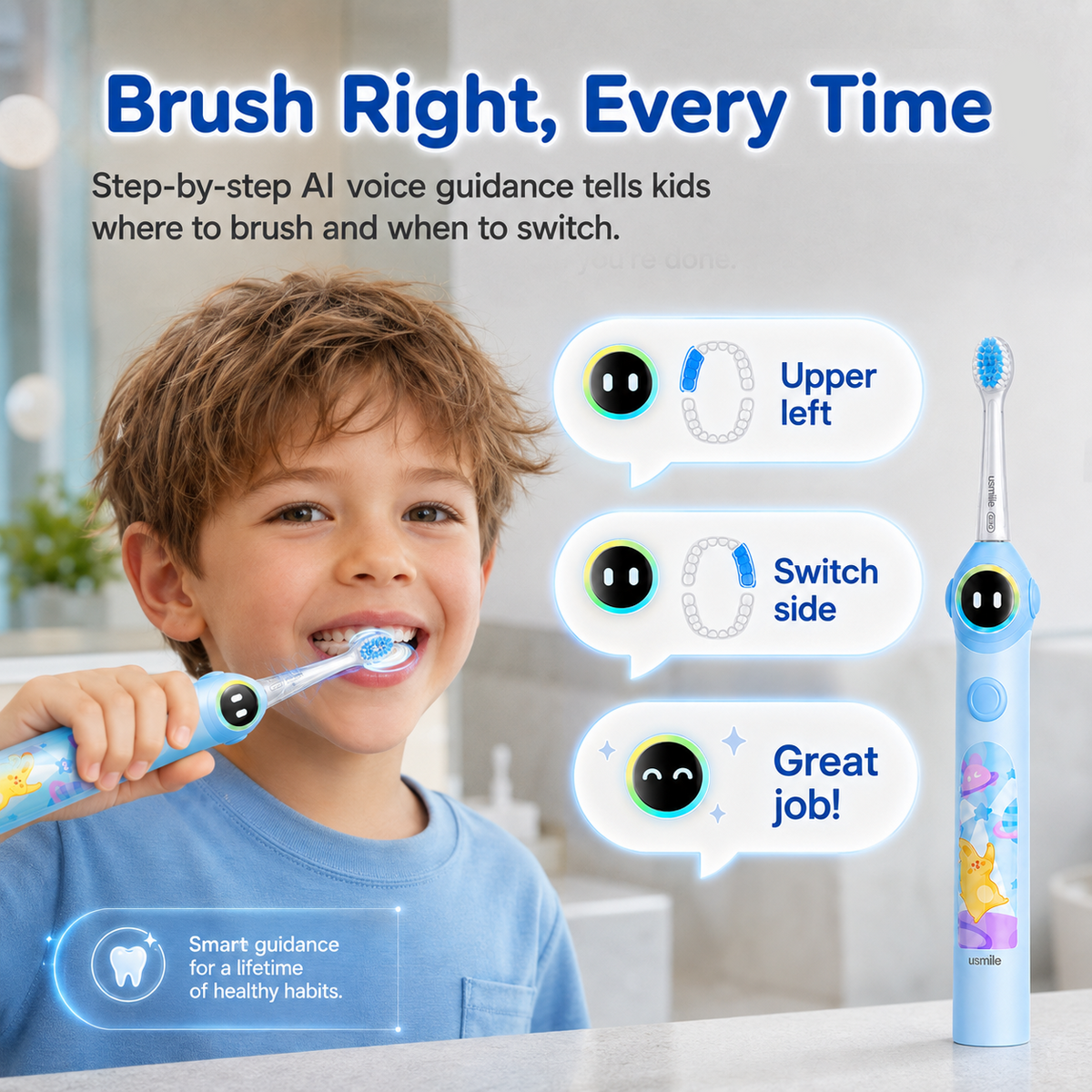
If you've got kids, the routine you set up for them now matters way more than people realize. Achildren's electric toothbrush with a built-in timer and a properly sized head — like the uSmile Q30 — gets them locked into the two-minute-twice-a-day habit early, way before sensitivity or cavities ever show up. And don't skip those two yearly cleanings either. That's how you keep tartar from quietly piling up and turning into gum problems between appointments.
FAQs
Is it normal for my teeth to hurt after brushing?
Brief, mild sensitivity during or just after brushing can be normal — especially after a professional cleaning or if teeth are already sensitive. Pain that persists, worsens, keeps recurring, or concentrates in one specific tooth is not. If that’s the pattern, a dental exam identifies whether the cause is technique, sensitivity, or something structural.
Why are all my teeth aching?
Widespread aching across several teeth usually points to generalized sensitivity, gum inflammation from gingivitis, a brushing technique that’s too aggressive, or enamel erosion from frequent acidic food and drink. Sinus pressure can also create diffuse dental aching that doesn’t originate in the teeth at all. If it’s persistent and doesn’t connect to an obvious trigger, a dental exam identifies what’s actually causing it.
Can a toothbrush cause a toothache?
Yes — directly. Hard bristles and excessive pressure physically wear away enamel and traumatize gum tissue over time. For people already dealing with sensitivity, the wrong brush amplifies every brushing session. Often, the first thing worth changing when sensitivity is new or getting worse.
What kills toothache pain fast?
Short-term: gentle brushing away from the painful area, avoiding hot, cold, and sweet triggers, warm salt water rinse, and over-the-counter pain relief as directed. These manage discomfort temporarily. None of them fixes decay, cracks, infections, or structural problems. Severe or persistent toothache needs professional attention — not additional rounds of home management.
What is the 3-3-3 rule for brushing teeth?
The 3-3-3 rule describes brushing three times a day, within three minutes of meals, for three minutes each session. In practice, most dentists recommend twice daily for two minutes. Brushing three times a day doesn’t significantly improve outcomes for most people. And brushing immediately after acidic food or drink harms temporarily softened enamel rather than protecting it.
Can I kiss my boyfriend with gingivitis?
Gingivitis isn’t transmitted like a cold — but the bacteria linked with gum disease do transfer through saliva. For most people in ordinary daily life, this isn’t alarming. But it is a solid reason to treat gingivitis rather than leave it alone. Treatment substantially reduces the bacterial load in the mouth — better for your own oral health, regardless of anything else.
Can dental sensitivity go away?
Sometimes. Sensitivity triggered by a new product, a recent professional cleaning, or a temporary irritant often improves within a few weeks of gentle care and the right toothpaste. Sensitivity from structural causes — thinned enamel, exposed root surfaces, gum recession, cavities, cracks — typically doesn’t resolve without dental treatment. Desensitizing toothpaste manages the symptom. It doesn’t repair the structural problem that created it.
What are the two early signs of gum disease?
Gums that bleed when you brush or floss, and tissue that looks red, swollen, or puffy instead of firm and pale pink. The NIDCR lists these as the primary gum disease warning signs alongside sensitive teeth, pain while chewing, and persistent bad breath. Two that are consistently present together are enough reason to see a dentist.
Sources
- Johns Hopkins Medicine – Sensitive Teeth
- Mayo Clinic – Sensitive Teeth
- American Dental Association – Brushing Your Teeth
- National Institute of Dental and Craniofacial Research – Periodontal (Gum) Disease
- Cleveland Clinic – Gingivitis
- Mayo Clinic – Cavities / Tooth Decay
- MouthHealthy by ADA – Sensitive Teeth


Looking for something else?
Best Electric Toothbrush for Teens (2026): Top Picks, Tested and Reviewed
LEARN MORE
Best Electric Toothbrush for Gum Disease (2026): 6 Picks Tested for Real Gum Protection
LEARN MORE
Electric Toothbrush on Plane: The Complete Travel Guide (2026)
LEARN MOREBest Sustainable Electric Toothbrush 2026: 5 Picks Tested for a Greener, Healthier Smile.docx
LEARN MORELooking for something else?
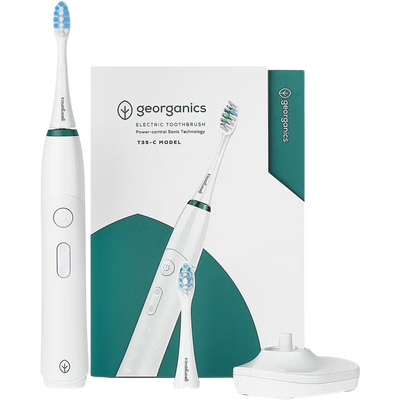
Best Sustainable Electric Toothbrush 2026: 5 Picks Tested for a Greener, Healthier Smile
LEARN MORE
Best Cheap Electric Toothbrush (2026): Top 5 Budget Picks That Actually Work
LEARN MORE
Ultrasonic Toothbrush vs Electric: Which Technology Wins for Your Smile?
LEARN MOREYou may also like
usmile C30 Cordless Water Flosser – Portable Oral Irrigator
usmile Y20 PRO Upgraded AI Electric Toothbrush


usmile Q30 Kids Electric Toothbrush

usmile Q30 Kids Electric Toothbrush Trio Pack

Further reading
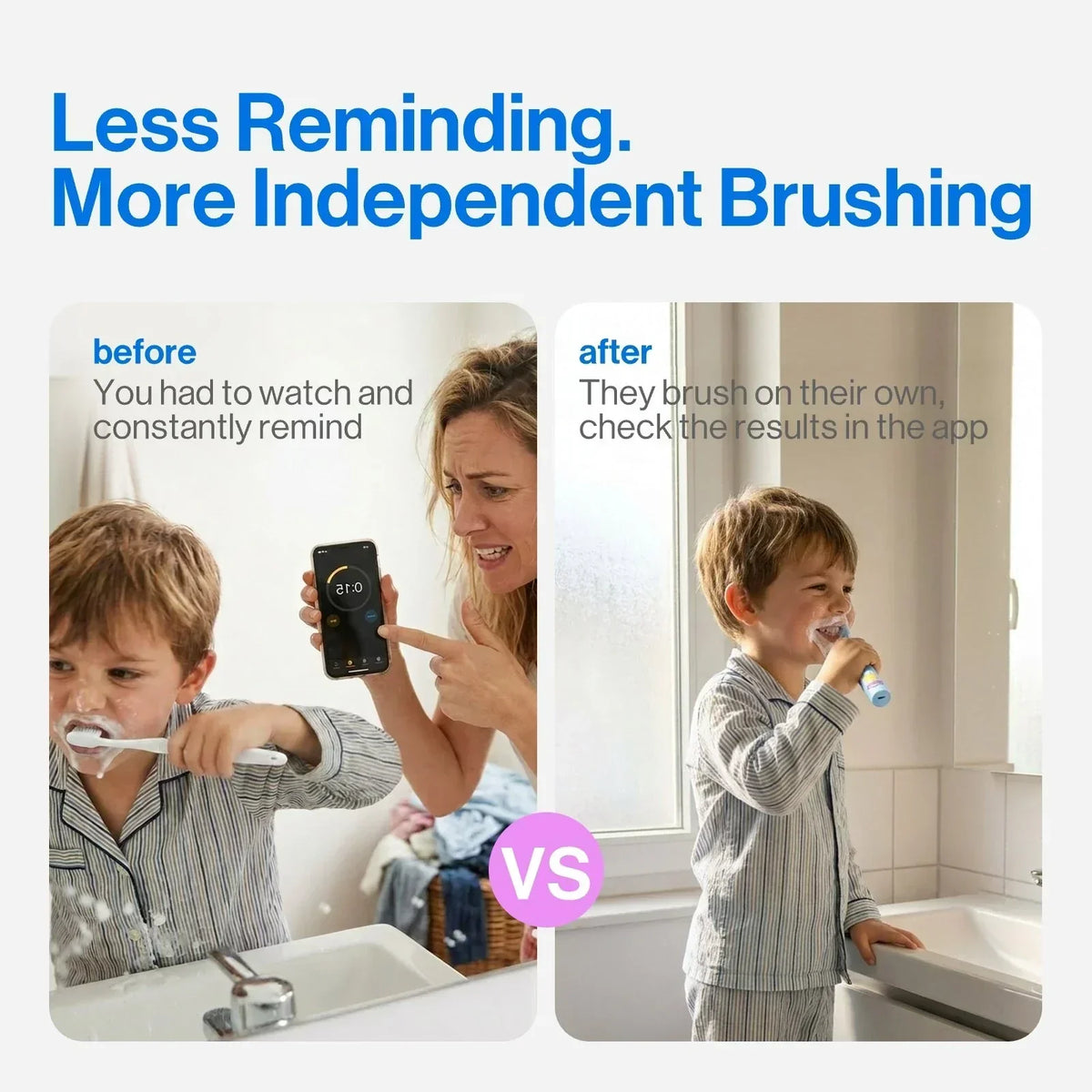
The 5 Toothbrushing Spots Kids Miss Most—and How Parents Can Help
The Back-to-School Brushing Reset: A 14-Day Plan for Kids Ages 3–8
Behind usmile D50 OralCam Toothbrush: From Motion Tracking to Visual Intelligence in Oral Care

