Electric Toothbrush in Carry-On Complete Travel Guide
Short answer: yes, you can. TSA allows electric toothbrushes in carry-on bags, and there's no special process — you just pack it.
That said, there are a few things worth knowing before you zip up your bag. Lithium batteries have their own rules. Wet brush heads cause problems. And a brush that turns on mid-flight is an awkward situation. None of these are complicated, but knowing them beforehand saves the hassle.
This guide covers the TSA rules clearly, explains the battery stuff without making it complicated, and gives you practical packing tips so your toothbrush makes it through without incident.
Can You Bring an Electric Toothbrush in Carry-On?

What TSA Actually Says
TSA lists electric toothbrushes as permitted in both carry-on and checked luggage. No restrictions, no special declaration, no separate screening tray required. According to the official TSA 'What Can I Bring' database, electronic toothbrushes are treated the same as other small personal electronics.
So if that's all you needed to know — you're good. Pack it and go.
Carry-On vs Checked Bag
|
Option |
Status |
Notes |
|
Carry-on bag |
✓ Allowed |
Safest option — avoids luggage loss and handling damage |
|
Checked luggage |
✓ Allowed |
Fine for backup or larger models, but higher risk of damage |
Carry-on is genuinely the better choice for most people. Checked bags get tossed around. A brush with a cracked housing that picks up moisture isn't fun to deal with mid-trip.
Why Electric Toothbrushes Are Allowed on Planes

Battery Safety Rules
The main regulation that people confuse with toothbrushes is the lithium battery rule. Airlines and the FAA restrict large lithium batteries — the kind in laptops and power banks — based on watt-hour capacity.
Electric toothbrushes have very small batteries. A typical rechargeable toothbrush uses a battery well under 2Wh, which is far below the 100Wh threshold where restrictions kick in. There's no practical issue here.
- Built-in batteries: no removal required, allowed in both carry-on and checked bags
- Removable batteries: if the battery comes out, keep it in carry-on rather than checked luggage — this is standard lithium battery travel guidance
Where It Sits in Electronics Rules
TSA doesn't ask you to pull your toothbrush out at the security checkpoint — unlike laptops. It goes through the scanner inside your bag, just like an electric razor or a hair trimmer. Same category, same treatment.
The only time you'd need to take it out is if a TSA officer asks — which is rare and usually happens when a bag is flagged for secondary inspection. If that happens, just take it out calmly and explain what it is.
Do Electric Toothbrushes Have Lithium Batteries?

Battery Types You'll Find
|
Battery type |
Common in |
Travel notes |
|
Lithium-ion (Li-ion) |
Most modern rechargeable toothbrushes |
Longer charge, slower degradation, very small capacity |
|
NiMH |
Older or budget models |
Shorter charge, not subject to lithium rules regardless |
|
AA/AAA alkaline |
Non-rechargeable spin brushes |
No battery rule applies — completely unrestricted |
The short version: almost all rechargeable toothbrushes use lithium-ion, but the battery is so small that no travel restrictions apply. Non-rechargeable models are completely unrestricted.
How to Check Your Battery Type
Look at the bottom of the handle — many models print the battery type there. If not, check the product manual or the manufacturer's website. Search the model name plus 'battery type' and you'll usually find the spec within two clicks.
For most people, this check is unnecessary. If it's a standard rechargeable toothbrush bought in the last five years, it almost certainly uses lithium-ion with a capacity well under any travel threshold.
How to Pack an Electric Toothbrush in Carry-On
Use a Protective Case
A hard case or travel sleeve keeps the brush head from picking up anything it shouldn't inside a bag. It also protects the handle from getting bent against other items in a tight carry-on.
Many toothbrushes come with a ventilated travel cap that fits over the brush head. If yours did and you still have it — use it. Ventilated is better than sealed. A sealed cap traps moisture against the bristles, which you don't want after a travel day.
Prevent It Turning On
This is the one people skip and then regret. A brush that activates inside your bag will have a flat battery by the time you land — and it's loud enough to be noticeable in overhead bins.
- Some models have a travel lock. Usually activated by holding the power button for a few seconds — check your manual for the specific method
- No travel lock? Pack it facing down, or with the head end wedged against something soft so pressure on the button can't turn it on
- Removing the brush head entirely and packing it separately also prevents accidental activation on most models
Keep It Dry Before Packing

Rinse the brush head, shake off excess water, and let it sit out for a few minutes before putting it in its case. Packing it wet is the fastest way to get mildew on the bristles by the time you open your bag at the hotel.
The handle is fine to pack after a quick wipe. You just don't want standing water trapped in the head case.
Quick packing checklist: brush head dry, travel cap on, power locked or head removed, charger in a separate pouch. That's it.
Carry-On vs Checked Bag: Which Is Actually Better?

Why Carry-On Wins for Most People
Checked bags get thrown. Not gently loaded — thrown. A toothbrush with a cracked housing from luggage handling is more annoying than it sounds, especially if it ends up wet from other bag contents during a long flight.
- No risk of luggage loss — the brush arrives when you do
- Accessible during long layovers or overnight flights
- Lithium battery stays in the cabin, which is the safer place for it anyway
When Checked Luggage Makes Sense
If you're carrying a backup brush — an older manual or a non-rechargeable model — checked is fine. Some people also prefer to pack a countertop model with a larger charging base in checked luggage and use a compact travel brush in carry-on.
Non-rechargeable models with AA batteries have zero battery-related concerns and can go anywhere without a second thought.
Travel Tips for Using an Electric Toothbrush
Charge Before You Leave
Sounds obvious, but it gets skipped. Charge the night before departure, not the morning of. If your brush has been sitting uncharged for a week, it may need a full cycle rather than a quick top-up.
Most rechargeable toothbrushes hold enough charge for a week or two of regular use. For longer trips, bring the charger. For short trips — a long weekend, say — leaving the charger at home is usually fine.
Voltage Compatibility
If you're traveling internationally, check the charger's label for the voltage range. Look for "100–240V" — that means it works everywhere. If it only says "110V," you'll need a voltage converter, not just a plug adapter.
USB-C charging models sidestep this issue almost entirely. You're just using a standard USB-C cable, same as your phone. That's a practical reason to prefer USB-C models for frequent travelers.
Choosing a Travel-Friendly Brush

Compact handle, long battery life, USB-C or universal charging — those are the three things that matter most for travel. Big countertop charging docks are inconvenient. A slim brush that charges off a standard cable and lasts two weeks between charges is worth the upgrade if you travel often.
The electric toothbrushes range includes compact options designed with portability in mind — worth comparing if you're shopping for something travel-specific. The travel-friendly toothbrush is one of the slimmer options in the lineup, useful for tighter toiletry bags.
Common Mistakes When Traveling With an Electric Toothbrush

Packing It Wet
The most common one. Bristles packed wet in a sealed case for 12+ hours develop that smell, and sometimes visible spots, that don't rinse out easily. Two minutes on the bathroom counter before packing prevents the whole thing.
Forgetting the Charger
For trips over a week, this is a real problem. The charger is easy to leave on the bathroom counter at home. Some people keep a dedicated travel charger permanently packed — especially useful for USB-C models where you're already carrying that cable.
Not Checking Voltage
Most people figure this out the hard way the first time they travel internationally. The adapter fits, they plug in, the charger gets hot and stops working. Check the label before you go — the information is always printed on it.
Letting It Turn On in the Bag
Already covered in packing, but worth repeating here because it's so common. Use the travel lock if there is one. If there isn't, remove the brush head or position it so the button can't catch. A running brush in overhead luggage is embarrassing and drains the battery completely by arrival.
Building these habits into your oral care before every trip takes about 30 seconds and saves a genuinely irritating airport moment.
FAQs
Can I take an electric toothbrush on carry-on?
Yes. TSA explicitly lists electric toothbrushes as allowed in carry-on bags with no restrictions. You don't need to declare it or take it out at the security checkpoint. It goes through the scanner inside your bag, same as any other small personal device.
Are electric toothbrushes allowed in cabin or checked luggage?
Both. The TSA allows them in either. Carry-on is generally the better choice — less risk of damage from handling, no chance of the bag being lost, and the lithium battery stays in the cabin where it's supposed to be. Checked is fine for backups or non-rechargeable models.
Do electric toothbrushes have batteries?
Rechargeable ones do — usually lithium-ion for modern models, NiMH for older or budget ones. Non-rechargeable 'spin brushes' use standard AA or AAA batteries. The battery type matters a little for how you pack, but for most people the short answer is: yes, and it's not a travel problem either way.
How do I know if my electric toothbrush has a lithium battery?
Check the base of the handle — the battery type is often printed there. Not there? Check the manual or search the model name plus 'battery type' online. People magazine's 2024 TSA coverage notes that most major brand toothbrushes produced since 2015 use lithium-ion, so if it's a relatively recent rechargeable model, that's almost certainly what you have.
Does my Oral-B electric toothbrush have a lithium battery?
Most Oral-B rechargeable models do use lithium-ion. Older models from the early 2010s may use NiMH. Oral-B's support pages list battery types by model — a quick search of your specific model name will confirm it. Either way, the battery capacity in a standard toothbrush is so small that no travel restrictions apply.
Can an electric toothbrush go in a checked bag?
Yes. TSA allows it in checked luggage too. The main reason people prefer carry-on is practical — luggage handling can crack the housing or damage internal components. A Reddit thread in r/travel with hundreds of responses found most frequent flyers keep their toothbrush in carry-on specifically to avoid checked bag damage, not because of any rule.
Which electric toothbrushes have lithium batteries?
Almost all modern rechargeable electric toothbrushes use lithium-ion — Oral-B, Philips Sonicare, and most current mid-range and premium models. Budget models and older devices sometimes use NiMH. Non-rechargeable spin brushes use alkaline AA batteries. The brand or model's spec page will confirm it, but for most people shopping in the last few years, lithium-ion is the default.
Does the Sonicare 4100 have a lithium battery?
The Sonicare 4100 uses a lithium-ion battery. Philips' own product documentation confirms this. It's a small capacity cell — nowhere near the watt-hour threshold where airline restrictions apply. You can pack it in carry-on or checked luggage without any battery-related concern.


Looking for something else?
Best Electric Toothbrush for Gum Disease (2026): 6 Picks Tested for Real Gum Protection
LEARN MORE
Electric Toothbrush on Plane: The Complete Travel Guide (2026)
LEARN MOREBest Sustainable Electric Toothbrush 2026: 5 Picks Tested for a Greener, Healthier Smile.docx
LEARN MORE
Best Sustainable Electric Toothbrush 2026: 5 Picks Tested for a Greener, Healthier Smile
LEARN MORELooking for something else?
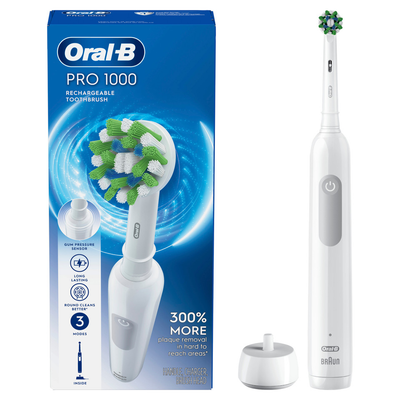
Best Cheap Electric Toothbrush (2026): Top 5 Budget Picks That Actually Work
LEARN MORE
Ultrasonic Toothbrush vs Electric: Which Technology Wins for Your Smile?
LEARN MORE
Best Electric Toothbrush for Sensitive Teeth (2026) — 5 Tested
LEARN MOREYou may also like
usmile C10 Portable Dental Flosser
usmile C30 Cordless Water Flosser – Portable Oral Irrigator
usmile Y20 PRO Upgraded AI Electric Toothbrush
usmile P10 S Electric Toothbrush
usmile Q30 Kids Electric Toothbrush
usmile C30SE Portable Dental Flosser
Further reading
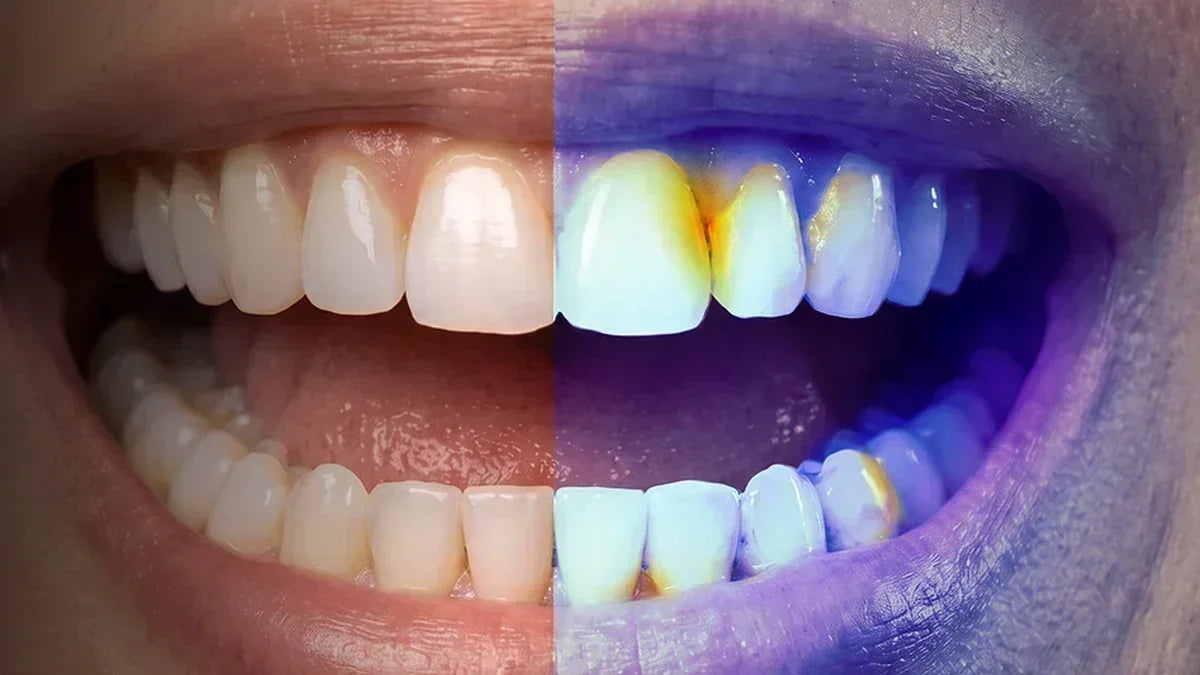
Plaque, Stains, or Food Debris? How to Interpret What a Toothbrush Camera Shows
The 5 Toothbrushing Spots Kids Miss Most—and How Parents Can Help
The Back-to-School Brushing Reset: A 14-Day Plan for Kids Ages 3–8