




Electric Toothbrush Round Head vs Oblong: Which Shape Actually Works Better?
Most people who pick an electric toothbrush spend fifteen minutes comparing handle features and then completely ignore the head shape. That's backward. The head is what actually touches your teeth.
Round heads. Oblong heads. Compact. Full size. And then the whole sonic-versus-oscillating question layered on top. No wonder shoppers end up just grabbing whichever box has the nicest photo.
Here's the plain version: head shape and brush motion are related but not the same thing. Round heads usually pair with oscillating-rotating motion. Oblong heads usually come with sonic technology. Both clean your teeth. They just do it differently — and one of them is probably going to feel more natural in your mouth depending on how it's built.
What 'Round' and 'Oblong' Actually Mean

Before anything else, these are descriptions of the physical shape of the brush head. Not the motion. The head shape affects how you position the brush and how much surface area it covers in a single pass. The motion (rotating or sonic) is a separate characteristic that usually — but not always — pairs with a given shape.
Round brush heads
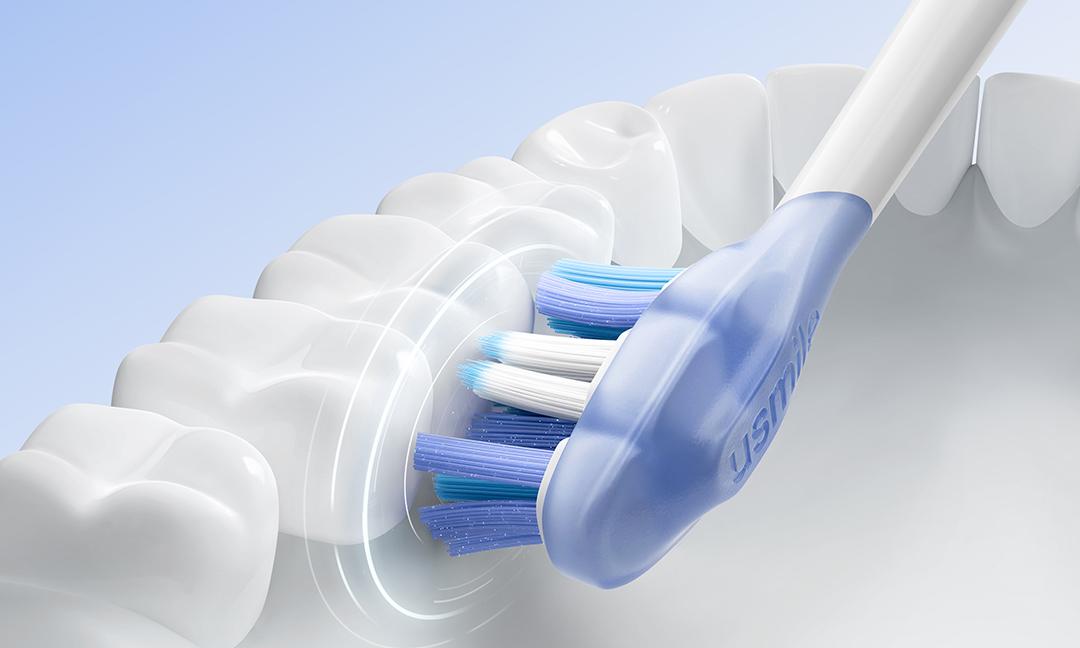
A round head is compact, small, and circular. It's designed to sit over one tooth at a time and wrap around it. The idea is precision — the head cups the tooth, and the bristles work the surfaces and gumline in a tight,t focused area before you move on. These heads are almost always paired with oscillating-rotating motion.
Because the head is small, it fits into places a bigger head skips over. The back molars. The tricky angles behind the lower front teeth. Anywhere there's not much room to maneuver. That's the trade-off — more precise reach, but you're covering one or two teeth at a time instead of three or four.
Oblong (rectangular) brush heads
An oblong head is longer and oval, much closer in shape to a standard manual toothbrush. This is what you'll find on sonic brushes like Philips Sonicare. You can cover a few teeth in one pass without constantly repositioning. It moves more like how you already brush by hand, which is partly why people transitioning from manual brushes find it more intuitive.
The longer shape means more surface contact per stroke. But it also means less precision in tight areas. Not every corner of every tooth is going to get the same attention; a small round head gives it.
Why shoppers mix up shape and motion
The confusion is understandable. Oral-B uses round oscillating heads. Philips Sonicare uses oblong sonic heads. So 'round vs oblong' and 'rotating vs sonic' end up meaning the same thing in most shopping scenarios. They don't have to — a brand could put a round head on a sonic brush — but in practice, the pairings are consistent enough that the shorthand stuck. If you see someone comparing round vs oblong, they're almost always really comparing oscillating-rotating versus sonic.
How Each Shape Cleans Your Teeth

The cleaning experience is noticeably different day to day — not dramatically, but enough that personal preference matters quite a bit here.
With a round head, you place the brush on each tooth, let it work for a couple of seconds, then move to the next one. It's more deliberate and methodical. Some people love this — they feel in control and know exactly which teeth they've covered. Others find it tedious, especially coming from years of sweeping motions with a manual brush.
With an oblong head, you're gliding along a row of teeth the same way you would manually. The sonic vibration is doing the heavy lifting, not your hand movement. It's a more passive technique — you direct, the brush cleans. Many people find this easier to sustain for a full two minutes without getting bored or impatient.
|
Feature |
Round Head (Oscillating) |
Oblong Head (Sonic) |
|
Shape |
Small, compact, circular |
Long oval — like manual toothbrush |
|
Motion |
Oscillates / rotates back and forth |
High-frequency side-to-side vibration |
|
Coverage per pass |
1–2 teeth at a time — focused |
3–4 teeth — broader sweep |
|
Brushing feel |
Deliberate, tooth-by-tooth |
Gliding, familiar manual-like motion |
|
Tight spaces |
✓ Excellent — small head fits anywhere |
△ A longer head can miss tight corners |
|
Gumline access |
✓ Wraps each tooth — precise gum contact |
✓ Fluid dynamic action reaches the gumline |
|
Transition from manual |
△ New technique required |
✓ Very similar to manual brushing |
|
Sensitive gums |
△ Mechanical pressure on each tooth |
✓ Often feels gentler — gliding motion |
|
Shape matters — but so does mouth size. If you have a small mouth, a large oblong head will feel bulky and miss the back teeth entirely. If you have a spacious mouth and normal dexterity, oblong is usually fine and fast. When in doubt: try compact first. You can always switch heads — you can't uncrowd your mouth. |
Pros and Cons of Each Head Shape

Here's the honest comparison — no brand bias. Both shapes work. Both have trade-offs. What tilts the decision is your mouth, your habits, and what you find easiest to use consistently.
|
"The most effective toothbrush is the one that fits your mouth comfortably and makes it easy to brush all surfaces correctly for the full two minutes." — ADA guidance summary. |
|
Aspect |
Round Head |
Oblong Head |
|
Plaque Removal |
✓ Small head cups each tooth — strong direct plaque control |
✓ Sonic vibration + fluid dynamics — effective on surfaces and gumline |
|
Precision |
✓ Excellent — tooth-by-tooth is hard to beat for targeted cleaning |
△ Less precise — broader sweeps can miss individual tooth curves |
|
Back Molars |
✓ Small head navigates tight back corners easily |
△A longer head can be bulky in small or crowded mouths |
|
Gum Sensitivity |
△ Oscillating pressure can feel intense on delicate tissue |
✓ Gliding motion gentler — often preferred for sensitive gums |
|
Braces & Dental Work |
✓ Compact head fits around brackets and crown margins |
△ A longer head is less maneuverable around orthodontic hardware |
|
Familiar Feel |
△ New technique — tooth-by-tooth requires adjustment |
✓ Closest to manual brushing — fastest to learn |
|
Mouth Size |
✓ Suits small to average mouths well |
△ Can feel large and unwieldy in smaller mouths |
|
Brushing Speed |
△ Slower — each tooth gets individual attention |
✓ Covers more teeth per pass — full mouth faster |
|
Entry-Level Cost |
✓ Basic oscillating models are often more affordable |
△ Sonic brushes trend slightly more expensive at the entry level |
|
Head Replacement |
✓ Wide range of head types and price points |
✓ Compatible heads widely available — varies by brand |
|
One thing both types get wrong equally. Neither round nor oblong heads are clean between teeth. That's not a brush job — it's a floss or water flosser job. No matter which shape you use, daily interdental cleaning remains non-negotiable for preventing gum disease. |
Which Head Shape Is Better for Different Users?

The research doesn't declare a winner, which is actually useful information. It means the right choice is genuinely personal. Here's how to think about it for your specific situation.
Small mouths and hard-to-reach areas
Round head. Not a close call. If you struggle to get a normal toothbrush behind your lower back molars, an oblong head will make it worse. The compact round head fits into corners that the longer oblong head physically can't reach without cramming. People with smaller jaws consistently report more comfortable maneuvering with a round head — and their back teeth actually get cleaned.
Sensitive gums or early recession
Oblong tends to feel gentler for this group. The gliding motion doesn't deliver the same direct oscillating pressure that a round rotating head does tooth by tooth. That said, the real danger to sensitive gums is how hard you press, not the shape of the head. An oblong brush pressed hard is worse than a round brush used lightly. Technique wins over shape here. But if you're shopping and sensitive gums are the main concern, an oblong sonic is the more comfortable starting point for most people.
Braces, crowns, implants, or lots of dental work
Round head, clearly. Small heads navigate around bracket hardware, crown margins, and implant collars in a way that longer heads don't. The tooth-by-tooth approach also means you can pay specific attention to tricky areas rather than sweeping past them. If your dentist has mentioned any concerns about cleaning around existing dental work, a compact round head gives you more control.
Switching from manual brushing
Oblong. The whole point is that it doesn't require you to learn a new technique: the same grip, the same general motion, the same head shape. The sonic technology upgrades the cleaning without changing how you move the brush. For anyone who's brushed manually for years and just wants to upgrade without relearning everything from scratch, an oblong head is the path of least resistance.
|
⚙️ Round Head Works Best When... |
🔊 Oblong Head Works Best When... |
|
✓ You have a small or crowded mouth ✓ You have braces, crowns, or implants ✓ You want precise, tooth-by-tooth cleaning ✓ You're okay with learning a slightly different technique ✓ You want more affordable entry-level options |
✓ You're switching from manual and want familiarity ✓ You have sensitive gums or recession ✓ You prefer glide-and-go brushing ✓ You have a larger mouth with no dental appliances ✓ You find tooth-by-tooth technique tedious |
How to Use Each Head Type Correctly

Buying the right head shape matters. Using it right matters more. A lot of people switch to advanced electric brushes and keep brushing the same way they always did — manual scrubbing motions, too much pressure, 45 seconds and done. That defeats the point.
Round and oblong heads need slightly different techniques, but they share the same non-negotiable baseline. Here's the full process:
|
Step |
What to Do |
|
01 |
Wet the head and apply a pea-sized amount of toothpaste. Not more. The thick foam people use is mostly unnecessary — it doesn't improve cleaning, and it makes the session messier. |
|
02 |
Round head: Position the head against one tooth at a time, angled 45 degrees toward the gumline. Let it sit for 2–3 seconds before moving to the next tooth. Don't scrub. The oscillation does the cleaning — you're just positioning. |
|
03 |
Oblong head: angle the head 45 degrees at the gumline and glide slowly along each row of teeth. Let the vibration do the work—one slow pass per row, front and back surfaces, upper and lower. |
|
04 |
Use the 2-minute timer and split into four 30-second zones. Upper left, upper right, lower left, lower right. Both head types should cover the entire mouth — don't rush the back teeth, because they're less visible. |
|
05 |
Light pressure only. Plaque is soft. It doesn't need force — it needs bristle contact. If you're pressing hard, you're wearing down your enamel and irritating your gum tissue. Soft grip, fingertip hold, no fist. |
|
06 |
Replace the head every three months. Frayed bristles clean badly and harbor bacteria. If your bristles splay before the three-month mark, you're still pressing too hard regardless of head shape. |
|
The one mistake both head types make is worse. Scrubbing hard with any electric brush — round or oblong — accelerates gum recession. Unlike manual brushing, the motor adds cleaning power you don't need to supplement with pressure. If anything, hold an electric brush more lightly than you would a manual brush. Let the head work. |
What Else to Look For Beyond Head Shape

Head shape gets most of the attention in this comparison. In practice, two other features move the needle more — and most people don't factor them in until they've already had a problem.
A two-minute timer with 30-second zone alerts. Full stop. Average brushing time without a timer is around 45 seconds. A timer costs nothing extra on most mid-range brushes and fixes this immediately. Whatever head shape you choose, the timer is the feature that actually changes outcomes.
A pressure sensor. The single most useful protective feature on any electric toothbrush, for both head types. It alerts you — usually by slowing the motor or lighting up — when you're pushing hard enough to damage enamel or gum tissue. Round heads can feel more intense on each tooth, and people compensate by pressing harder. Oblong heads get pressed hard because the familiar brushing feel fools people into applying manual brushing force. Either way, you need the sensor.
Replacement head availability is the unglamorous, practical issue. You're buying new heads every three months. Check what they cost and whether you can actually find them locally or online easily before committing to a brand. Some brands lock you into expensive proprietary heads. Others offer cheap generic options that work fine.
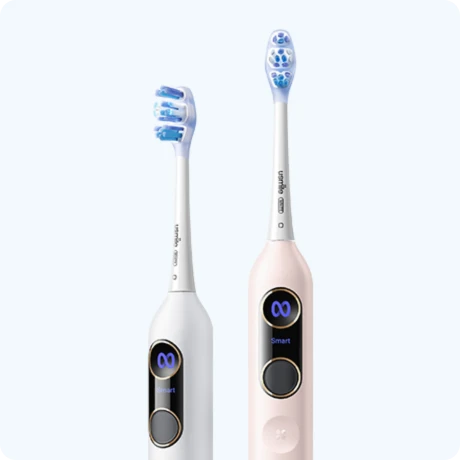
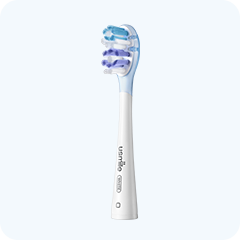
When you're building a solid smart oral hygiene, the brush handle and head need to work together consistently. uSmile's range of electric toothbrushes comes with both a timer and a pressure sensor as standard — no paying extra for features that should be baseline. If you're specifically after a well-designed head, their replacement brush heads is worth looking at — designed for better contact at the gumline without requiring aggressive pressure.

|
Features that matter more than head shape → 2-minute timer with 30-second quadrant alerts — most impactful habit fix available. → Pressure sensor — prevents gum damage in both head types. → Soft bristles — non-negotiable regardless of round or oblong. → Replacement head cost and availability — often overlooked until it's inconvenient. → ADA Seal of Acceptance — confirms independent safety and efficacy testing. |
FAQs
Is a round or rectangular electric toothbrush better?
Neither is universally better — that's the honest answer. Round heads are better for tooth-by-tooth precision, small mouths, and dental work. Rectangular (oblong) heads are better for a familiar feel, sensitive gums, and an easier transition from manual brushing. The best one is whichever you'll use correctly for two full minutes, twice a day.
Are round-brush toothbrushes better?
For some people, yes — particularly if you have a small mouth, braces, or want direct plaque control on each tooth individually. The oscillating motion of round heads has a modest edge in some research comparisons. But that edge only matters if you're actually using the brush properly. Sloppy technique with a round head will underperform decent technique with an oblong one.
Which style of electric toothbrush is best?
The one that fits comfortably in your mouth and makes it easy to brush all surfaces for 2 minutes, gently. Sounds boring, but it's accurate. Look for soft bristles, a 2-minute timer, and a pressure sensor. Head shape comes after those three things on the priority list.
Is the Circle electric toothbrush better?
If you mean round/circular heads in general, they have a slight average edge in some independent research for plaque removal. If you mean a specific brand called Circle, that's a different product and would need its own evaluation. Round oscillating heads have solid evidence supporting them, but 'better' always depends on who's using them and how.
Which head shape is best for an electric toothbrush?
Compact round for small mouths, dental appliances, or anyone who wants targeted cleaning—Oblong for larger mouths, sensitive gums, and people who want the smoothest transition from manual brushing. If you genuinely can't decide, most dentists lean toward compact heads because they're versatile and better able to handle the hardest-to-reach areas.
What toothbrush do dentists recommend most?
Soft-bristled electric toothbrush with a 2-minute timer and pressure sensor — that's the consensus. Most dentists don't have a strong preference between round and oblong, as long as it fits your mouth and you use it correctly. Some lean toward oscillating-rotating for plaque control; others recommend sonic for sensitive patients. Personal fit matters more than brand.
What is the 3 3 3 rule for brushing teeth?
A non-official memory aid suggesting you brush three times a day, for three minutes, thirty minutes after eating. It's not the clinical standard. The ADA recommends two minutes, twice a day, with fluoride toothpaste and daily interdental cleaning. Three times a day is fine, but the extra session doesn't replace the twice-daily baseline — it supplements it.
What is the #1 electric toothbrush?
There isn't one. It depends entirely on your mouth size, gum sensitivity, budget, and whether you have dental work. Oral-B and Philips Sonicare consistently rank at the top of independent reviews — one uses round oscillating heads, the other oblong sonic heads. The 'best' brush is the one that fits your mouth and includes a timer and pressure sensor.
What is the healthiest toothbrush to use?
A soft-bristled electric toothbrush used with light pressure, for two minutes twice daily, with replacement heads every three months and daily flossing or water flossing. The head shape is secondary to those habits. The healthiest routine includes professional cleanings twice a year — no toothbrush can replace the scaler for tartar removal.
Bottom Line

No knockout winner in the electric toothbrush round head vs oblong match. What tips the decision is your specific situation — and once you know what to look for, it's actually a pretty quick choice.
Round head if you have a small mouth, dental appliances, or want tight tooth-by-tooth plaque control. Oblong if you're coming from manual brushing and want the smoothest possible adjustment, or if your gums are sensitive and the gliding motion feels better.
Both clean well. Both beat manual brushing for most people. The head shape gets you to the right starting point — but technique, consistency, and replacing heads on schedule determine what actually happens to your teeth over time.
|
Quick decision guide → Small mouth or dental work → Round head (oscillating). → Sensitive gums or switching from manual → Oblong head (sonic). → Timer + pressure sensor — get both, regardless of head shape. → Soft bristles always. No exceptions. → Replace heads every 3 months. Frayed bristles don't clean. → Neither shape replaces flossing. That part still requires you. |
Resources & References
- Consumer Reports:Which Kind of Electric Toothbrush Is Better: Rotating or Sonic? — Independent consumer testing analysis of round oscillating vs. oblong sonic brushes, including comments from Philips on rectangular head shape benefits and Procter & Gamble on oscillating plaque removal data. Concludes that the two types are essentially equivalent overall.
- Van der Sluijs E, et al. (2023) — PMC / International Journal of Dental Hygiene:Oscillating-Rotating vs. Sonic Toothbrush — Systematic Review and Meta-Analysis — 32 publications and 38 head-to-head comparisons; 54% of analyses showed a plaque and gingival inflammation advantage for oscillating-rotating (round head) technology in longer-term studies.
- National Institute on Aging (NIA):Taking Care of Your Teeth and Mouth — NIH guidance on oral hygiene for older adults, covering fluoride toothpaste use, gum disease prevention, and the importance of brushing technique regardless of brush type.
- Coolblue:What's the Difference Between Rotating and Sonic Brushing? — Clear retail-level explanation of how round oscillating heads cup each tooth individually versus how oblong sonic heads replicate the familiar back-and-forth manual brushing motion; useful for practical technique guidance.
- Alpine White:Sonic Toothbrush or Round Brush Head — Which Is Better? — Pros and cons breakdown of both types from a dental hygienist-endorsed brand perspective; covers sensitive gums, stubborn plaque scenarios, and which type suits different user needs.
- PMC / Healthcare (2024):Oscillating-Rotating Toothbrushes and Interdental Plaque Removal — Systematic Review and Meta-Analysis — Analyzed 14 studies from three databases; 12 of 14 found oscillating-rotating heads more effective than sonic for interproximal (between-tooth) plaque removal specifically.
- Consumer Reports:Electric Toothbrush Buying Guide — Lab-tested buyer guidance distinguishing round oscillating heads from oblong sonic heads; confirms the 2-minute timer and pressure sensor as the two most impactful features regardless of head shape.
- PMC / International Dental Journal (2024):Meta-Analysis Comparing Oscillating-Rotating, Sonic, and Manual Toothbrushes on Gingivitis and Plaque — 21 gingivitis and 25 plaque RCTs; oscillating-rotating brushes produced 29% greater bleeding reduction and 5% better plaque reduction than sonic brushes, with 72% vs. 54% transition-to-gingival-health rates.


Looking for something else?
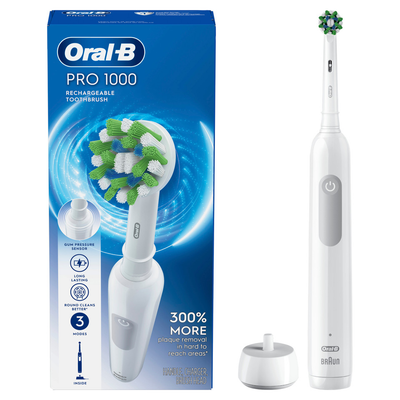
Best Cheap Electric Toothbrush (2026): Top 5 Budget Picks That Actually Work
LEARN MORE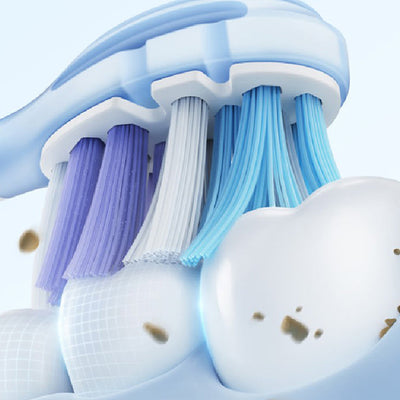
Ultrasonic Toothbrush vs Electric: Which Technology Wins for Your Smile?
LEARN MORE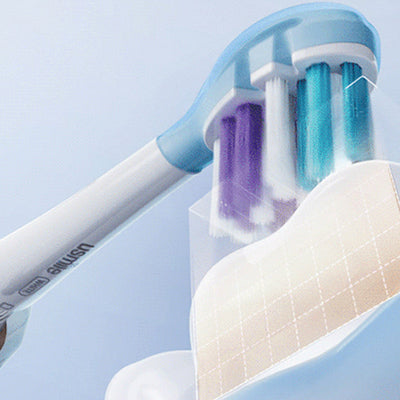
Best Electric Toothbrush for Sensitive Teeth (2026) — 5 Tested
LEARN MORE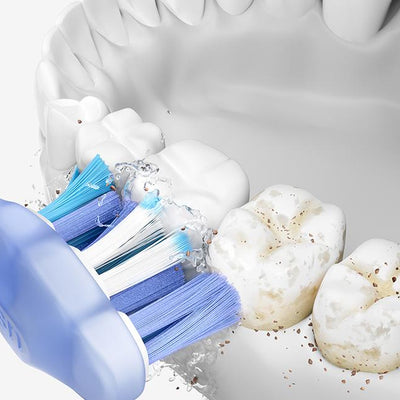
Does an Electric Toothbrush Have a Lithium Battery
LEARN MORELooking for something else?

How to Make Brushing Teeth Fun for Kids Without Daily Battles
LEARN MORE
Best Toothbrush for Kids Who Hate Brushing: Parent Guide
LEARN MORE
Best Electric Toothbrush for Kids: What Parents Should Look For
LEARN MOREYou may also like
usmile Y20PRO Adults Toothbrush x Q30 Kids Toothbrush
usmile C10 Water Flosser x Q30 Kids Electric Toothbrush
Further reading

Halloween Candy Before Bed: A Kid-Friendly Cleanup Routine to Protect Kids' Teeth
I Thought My Water Flosser Made My Teeth Gaps Bigger—Here’s What May Actually Be Happening

Why Teeth Look More Spaced Out After Water Flossing