





Can You Use an Electric Toothbrush with Braces?

Yes. And honestly, you probably should. That’s the short version. The longer one is that a lot of people get braces and immediately start treating their teeth as if they might shatter. They switch to a floppy manual brush, barely graze the brackets, and then wonder why their orthodontist keeps pointing at the same spot on every X-ray.
Here’s the reality: brackets and wires make your mouth harder to clean, not your toothbrush harder to use. An electric brush doesn’t threaten your hardware. It solves the problem that the hardware creates.
This covers what type works best, which features matter, how to actually use one with braces, and what else your routine is probably missing.
Why Electric Toothbrushes Work Better with Braces
Every bracket on your teeth creates two new plaque ledges — one above, one below. The wire adds a whole channel behind it that a normal brush can’t reach without awkward contortions. After you eat, food tucks into spots that your wrist motion alone won’t find.
A manual brush can technically handle it. But only if your angle is right, your timing is right, and you’re giving it two full minutes of real attention. Most people aren’t doing all three. An electric brush picks up the slack — the motor runs the mechanical work, and you just steer.
Sonic vs. Oscillating: What Actually Differs

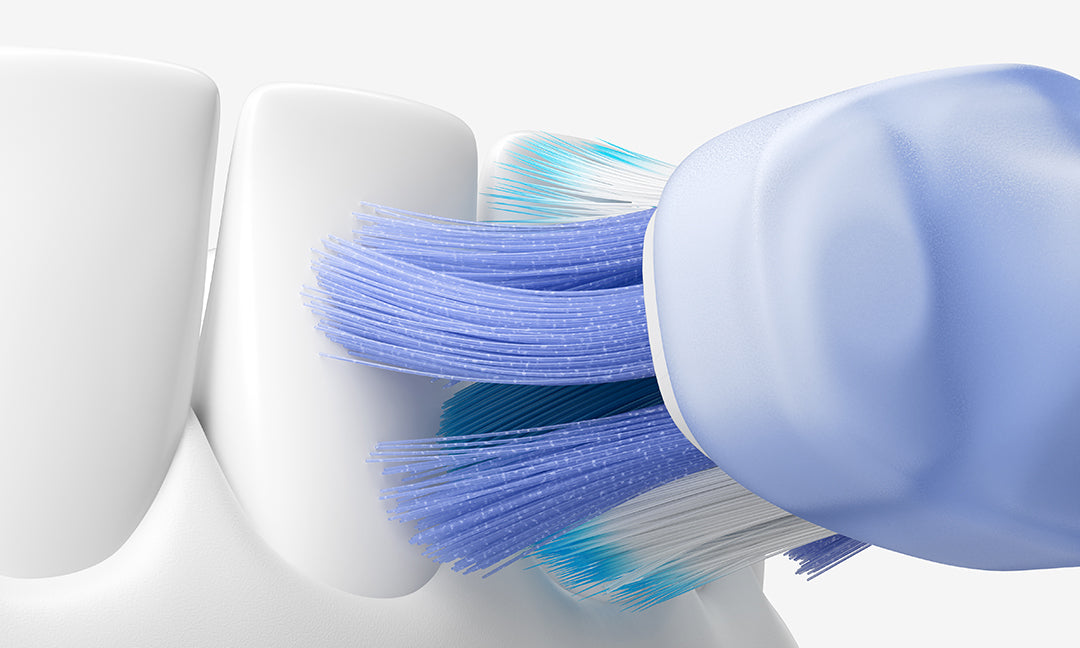
Sonic toothbrushes vibrate at 30,000+ strokes per minute. At that frequency, they don’t just scrub — the movement creates a secondary fluid effect that disrupts plaque in spots the bristles never physically contact. Around brackets and under the wire, that matters more than most people expect.
Oscillating-rotating brushes spin the head in small, tight circles. That motion is particularly good at cleaning the base of each bracket — the rim where the metal meets the tooth. That’s where white spots form first, and it’s the spot most manual brushers skip without knowing.
Both types are safe with braces. Both outperform manual brushing for most people. Pick whichever feels more comfortable in your mouth. The brand war matters less than the habit.
Will It Pop a Bracket Off?

No. This question comes up constantly, and the worry isn’t really grounded in how orthodontic adhesive works. The stuff holding your brackets on is designed to survive the cumulative pressure of chewing, actual bite force, thousands of times over months. Vibrations from a toothbrush aren’t in the same category.
The American Journal of Orthodontics has looked at this directly. Powered brushes are safe on orthodontic appliances. The bigger clinical risk is the opposite one — not brushing well enough. Three things happen when plaque builds up unchecked around brackets:
|
□ White Spot Lesions Patches of dissolved enamel. Permanent — whitening won’t touch them. |
🦷 Hidden Cavities Invisible under brackets until they come off — already established. |
⚪ Chronic Gum Inflammation Ongoing infection — not just sensitivity. Can progress to serious disease. |
What to Look for When You Buy One
Don’t get distracted by marketing. A few things actually change how well it cleans with braces on.
Soft Bristles and Brush Head Size

Go soft. Only soft. Medium and firm bristles are rougher on bracket edges and irritate gum tissue that’s already reactive from adjustment pressure. And here’s the part people often miss: firmer bristles don’t clean any better. Softness isn’t a compromise. It’s the right call for the job. An advanced electric toothbrush model with tightly packed soft bristles cleans more thoroughly around bracket edges than a toothbrush with stiff bristles.
Compact head sizes help too, especially in the back. Molar brackets sit in tight, awkward positions. A small head fits; a full-size one often just bumps into things.
Pressure Sensor — Worth More Than You Think

Here’s something that happens to almost everyone new to braces: they press harder because they feel like they’re not quite reaching everything. That’s the wrong instinct. Pressing harder doesn’t improve cleaning — it bruises gum tissue and shreds bristles in two weeks. A pressure sensor catches this automatically. The motor slows when you’re overdoing it. It’s one of those features that seems minor until you realize how much damage it prevents.
Rechargeable, Not Battery-Powered
Rechargeable wins every time. Consistent motor output, real features, no dead-battery surprises mid-routine. Battery-powered models are fine as a travel backup. For a daily braces cleaning routine over a two-year treatment period, get the rechargeable version.
How to Actually Brush with Braces

The brush does the mechanical work. You handle the positioning and pacing. Here’s the routine that holds up:
|
🦷 |
Brush — 2 full minutes. Soft bristles, fluoride toothpaste, small circular strokes angled toward the gumline. Spend extra time on the areas just above and below each bracket. That’s where plaque hides. A pressure-sensor brush takes most of the guesswork out. |
|
💧 |
Water Floss — 60–90 seconds, every single day. Hit all four zones plus the archwire channel. This isn’t optional if you have braces. |
|
🧵 |
String Floss — 2 to 3 nights a week. Use a threader or orthodontic superfloss. You’re targeting the contact points between teeth, not every bracket. |
|
🧪 |
Fluoride Rinse — last step, always. Sixty seconds, then spit. It remineralizes enamel and puts a protective layer down against the acid environment that forms overnight around brackets. |
|
🦷 |
Interdental Brush — between meals. Tiny pipe-cleaner brush that sweeps the bracket-wire channel. Fits in a pocket. Takes 90 seconds. |
A Few Things Worth Knowing
- Don’t rinse right after fluoride toothpaste. Let it sit. With brackets providing bacteria with extra surface area, contact time adds up.
- Back teeth always get skipped. Go back there on purpose.
- Replace brush heads every two months with braces on. Metal hardware wears bristles down faster than enamel does.
- Bleeding gums usually mean you need to brush more, not less. Gently. Healthy gum tissue doesn’t bleed.
FAQs
Can Electric Toothbrushes Knock Brackets Off?
No. The adhesive your orthodontist uses is engineered for chewing — sustained mechanical force, repeatedly, for months. Toothbrush vibrations don’t register on the same scale. Multiple clinical studies, including research cited in the American Journal of Orthodontics and Dentofacial Orthopedics, confirm this. The brackets aren’t going anywhere because of a toothbrush. They’ll stay put just fine.
Can the Bristles Get Caught on the Wire?
With a soft, flexible brush head in normal condition? Extremely unlikely. The issue only comes up when someone is using a brush head that’s been in use for four or five months — frayed bristles lose their flex and can catch hardware. Keep to a two-month replacement schedule when you have braces. It’s a small thing that prevents a frustrating one.
Is it Safe to Use an Electric Toothbrush with Braces?
Yes, full stop. Soft bristles, normal pressure, two minutes — you’re not going to damage anything. Most orthodontists tell patients to make the switch from manual. It’s one of those recommendations that doesn’t come with a catch.
Are Teeth 100% Straight After Braces?
In most cases, yes. But they don’t stay there on their own. Teeth have positional memory and will drift without consistent retainer use. Braces move them. Retainers keep them from undoing the work.
What is Stage 4 of Braces?
The finishing stretch. Your orthodontist is making fine adjustments at this point — millimeter-level tweaks to bite alignment and individual tooth position before the brackets come off.
What is the 3-3-3 Rule for Brushing Teeth?
Brush three times a day for three minutes per session, and replace the brush head every three months. With braces, that last number drops to two. The metal framework breaks bristles down faster than bare enamel does.
Why Do Koreans Brush Their Teeth So Much?
Brushing after every meal is woven into everyday South Korean culture — not a medical recommendation, just what people do. You’ll see it in workplace bathrooms and school hallways without a second thought. That habit is a big part of why Korean dental brands have become legitimate global leaders in oral care design.
Does Brushing Twice a Day Actually Make a Difference?
Yes, and it’s the bare minimum. Twice daily is enough to break up the bacterial biofilm that causes cavities and gum disease. With braces on and all those extra surfaces to harbor plaque? Brushing after lunch, whenever possible, closes a gap that twice-daily brushing alone leaves open.
Choosing the Right Electric Toothbrush
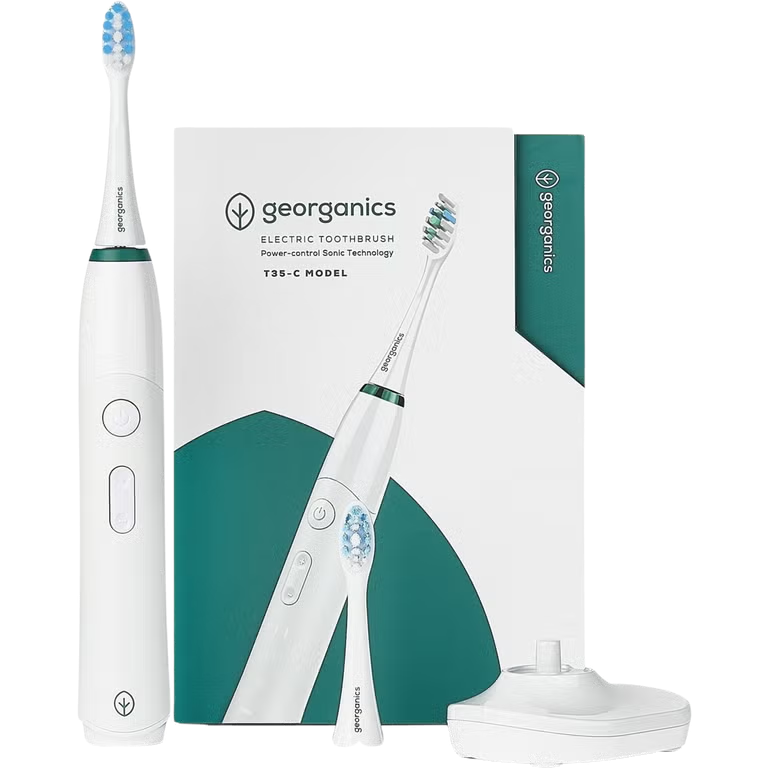
Not every model is built with braces in mind. If you’re shopping, look for soft replaceable heads, a built-in pressure sensor, and at least a two-minute timer. A cordless water flosser for braces pairs with any toothbrush you choose and handles the interdental work that brushing alone can’t reach.
|
Model |
Why It Works for Braces |
The Key Feature |
|
Oral-B iO Series |
The round oscillating head wraps around each bracket individually |
Real-time pressure coaching, Ortho-specific brush head |
|
Philips Sonicare |
Sonic frequency clears debris from behind the wire and bracket edges |
Pressure sensor, up to 2-week battery life |
|
Colgate Hum |
Smaller compact head handles tight molar bracket positions well |
App coverage coaching, budget-friendly entry point |
Maintaining Oral Hygiene with Braces — The Full Picture
This Is Why Consistency Matters
When your braces come off, you want clean teeth — not white squares where the brackets sat. Those marks are decalcification: permanent enamel damage from bacterial acid sitting against your tooth surface for weeks at a time. They don’t polish out. They don’t respond to whitening. The only fix is prevention. A solid routine built around daily oral hygiene essentials — brushing, water flossing, and a fluoride rinse — is what keeps that from happening.
Water Flosser vs. String Floss — The Honest Comparison

Both tools clean between teeth. But with an archwire in the way, they’re not equal. Not even close. Here’s the side-by-side:
|
✓ Water Flosser |
✕ String Floss |
|
✓ No threading — slides around every bracket directly |
Threading a needle under each wire, every time |
|
✓ Full mouth in under 90 seconds |
15–20 minutes if you’re doing it properly |
|
✓ Reaches comfortably below the gumline |
Gets contact points well — when it can actually reach |
|
✓ Still usable right after a tightening |
Rough when your gums are already angry from the adjustment |
|
✓ People actually keep doing it long-term |
Most give up within 6 weeks. The threading just kills compliance. |
|
WATCH OUT If your tap water is hard — which applies to many US cities — mineral scale builds up in the flosser reservoir faster than a monthly flush can clear it. Do a white vinegar rinse every two weeks. Or just fill it with filtered water if deposits keep coming back. |
|
KEY TAKEAWAY Water floss every day as your main interdental tool. Use string floss 2–3 nights a week at the contact points between teeth. That combo covers everything without the 20-minute nightly ordeal that almost nobody actually does consistently. |
Interdental Brushes — The One for Between Meals
A water flosser is the main event. Interdental brushes — the small pipe-cleaner ones — are the quick fix between meals. They slide into the bracket-wire channel, clear out loose debris in under two minutes, and fit in a jacket pocket. Not a replacement for the full routine. But for the hours between brushing sessions when plaque is actively building, they’re worth carrying.
Conclusion
Can you use an electric toothbrush with braces? Yes. Should you? Probably. Pair it with a water flosser and a bit of discipline on the timing, and you’ve got a routine that’s genuinely hard to beat for people in orthodontic treatment. The work you put in now shows up when the brackets come off — as clean enamel, not white squares.
Sources
- American Association of Orthodontists (AAO):Do Braces Cause White Spots on Teeth? — explains how plaque around brackets causes white spot lesions and why daily cleaning is non-negotiable during treatment.
- American Association of Orthodontists (AAO):Living with Braces: Food, Oral Hygiene, & Care Tips — orthodontist-backed guidance on hygiene habits and product choices throughout active treatment.
- American Dental Association (ADA) / MouthHealthy:Water Flossers and Water Flossing — ADA overview confirming water flossers as an effective and recognized option for patients with braces.
- American Dental Association (ADA):Home Oral Care — evidence-based guidance on brushing technique, fluoride use, and daily care routines applicable to orthodontic patients.
- PubMed / AJODO (2008):Effect of a Dental Water Jet with Orthodontic Tip on Plaque and Bleeding in Adolescent Patients with Fixed Orthodontic Appliances — foundational clinical study on water flosser effectiveness in braces patients, frequently cited in orthodontic hygiene literature.


Looking for something else?
Best Cheap Electric Toothbrush (2026): Top 5 Budget Picks That Actually Work
LEARN MORE
Ultrasonic Toothbrush vs Electric: Which Technology Wins for Your Smile?
LEARN MORE
Best Electric Toothbrush for Sensitive Teeth (2026) — 5 Tested
LEARN MORE
Does an Electric Toothbrush Have a Lithium Battery
LEARN MORELooking for something else?
How to Make Brushing Teeth Fun for Kids Without Daily Battles
LEARN MORE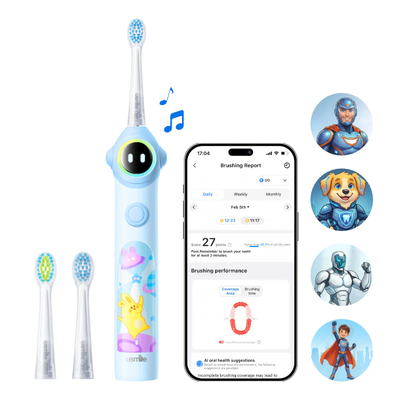
Best Toothbrush for Kids Who Hate Brushing: Parent Guide
LEARN MORE
Best Electric Toothbrush for Kids: What Parents Should Look For
LEARN MOREYou may also like
usmile Q30 Kids Electric Toothbrush Trio Pack


usmile Y20PRO Adults Toothbrush x Q30 Kids Toothbrush


usmile C10 Water Flosser x Q30 Kids Electric Toothbrush
Further reading
Halloween Candy Before Bed: A Kid-Friendly Cleanup Routine to Protect Kids' Teeth
I Thought My Water Flosser Made My Teeth Gaps Bigger—Here’s What May Actually Be Happening

Why Teeth Look More Spaced Out After Water Flossing