


How to Repair Enamel and Prevent Further Damage
Sensitive teeth and a dull yellow tinge usually trace back to lost enamel. People want to know how to repair enamel and whether it can come back at all. The plain truth has two halves. Fully grown enamel never grows back. But enamel that is only weakened can be hardened again through a process called remineralization, the same early-stage repair the NIDCR explains in its tooth decay process guide. That gap between weakened and gone changes everything. This guide walks through what enamel does and what damaged enamel looks like. It covers the causes behind tooth enamel loss. You will see how fluoride toothpaste, saliva, smarter brushing, and a few dietary swaps help keep your enamel strong. We also cover the treatments a dentist uses when home care is not enough.
Can Tooth Enamel Really Be Repaired?

Yes and no. It comes down to how bad the damage is. Tooth enamel is the hard outer layer of each tooth. It guards the softer dentin and pulp inside. It is the hardest substance in your body, and yet it has no living cells. So once a piece physically wears off, your body has no way to rebuild it.
Here is the part most people miss. Enamel softens before it disappears. During that softening stage, minerals leach from the surface. That early mineral loss can often be reversed. Push calcium, phosphate, and fluoride back into the weak spots, and the surface hardens up again. A chip, a deep groove, or an open cavity is a whole different story. No toothpaste fills a hole. That needs a dentist.
Remineralization vs. Regrowing Enamel
Two words get mixed up here. Let us pull them apart.
-
Remineralization. This strengthens the enamel that is still on the tooth. Minerals move back into softened areas and reharden them.
-
Regrowth. This means making brand-new natural enamel after the old layer is gone. No home product does this. A dentist cannot either.
See a label that promises to grow enamel back? Read it as strengthening what is left. Fluoride and saliva, calcium, and phosphate do the real work behind tooth enamel remineralization.
What Does Damaged Enamel Look and Feel Like?

Damaged enamel rarely announces itself. It creeps in slowly. There are still a few signs worth watching for.
-
Sharper sensitivity to cold, heat, sweets, or sour foods
-
A yellow tint as the darker dentin shows through the thinning outer layer
-
Edges that look thin, glassy, or see-through
-
Rough, jagged, or chipped edges
-
Smooth shiny patches where the surface texture has flattened out
-
Small dents or cupping on the chewing surfaces
-
Teeth that slowly change shape or length
One word of caution. Stains, gum recession, cavities, and tooth enamel erosion can all look alike in the bathroom mirror. Only a dental exam tells you which one you have. So do not try to diagnose it from a photo.
What Causes Tooth Enamel Erosion?

Enamel breaks down for three broad reasons, and they overlap more than you would think. Acid does the chemical damage, friction does the mechanical kind, and a few health problems quietly drive both. Figure out which bucket your own habits fall into, and the fix usually sorts itself out.
Dietary Acids and Plaque Acids
Acid is the big one. Think soda, the energy and sports drinks, citrus juice, the sour candy kids love, all of it washing acid over your teeth and pulling minerals out of the surface as it goes. Plaque bacteria make a bad situation worse. Give them sugar, and they brew up their own acid, right where it sits against the enamel.
How often matters more than how much. Sip one acidic drink slowly over three hours, and your teeth take a worse beating than if you finished it in five minutes. The acid just keeps coming back to the tooth surfaces. Bits of food and plaque wedged between teeth or along the gumline feed the same problem. And people tend to lump two things together that are not the same. Erosion from food or stomach acid is one process. Bacterial tooth decay is another. Either way, your teeth end up weaker.
Medical and Lifestyle Causes
Some of the worst offenders have nothing to do with what you eat or drink at all.
-
Acid reflux or GERD sends stomach acid up toward the teeth
-
Frequent vomiting, including bulimia, coats teeth in acid
-
Dry mouth or low saliva production is often a side effect of certain medications
-
Grinding or clenching wears the surface flat
-
Brushing too hard or reaching for a hard-bristled brush
-
Biting ice, pens, or fingernails
-
Naturally thin enamel, you were simply born with
How to Repair Enamel Through Remineralization

This next part is the daily routine that shores up early damage. It will not fill a cavity or rebuild a chunk that is already gone. What it does, and this matters, is keep weak enamel from sliding the rest of the way into decay. Everything below hinges on one thing: a steady, smart oral care routine you actually stick to.
Brush With Fluoride Toothpaste
Fluoride is what makes the difference. Brushing puts it on the tooth, and it helps move calcium and phosphate back into the areas that have softened. Give it a few weeks, and that surface gets harder, hard enough to shrug off an acid hit it would have lost to before. A handful of small habits push it along.
-
Brush twice a day for about two minutes
-
Grab a fluoride toothpaste that has earned the ADA Seal of Acceptance
-
Stay gentle. Scrubbing harder does not clean better
-
Spit instead of rinsing with a big mouthful of water, so the fluoride lingers on your teeth
-
Cavity risk on the high side? Your dentist can set you up with prescription-strength fluoride
Use a Soft-Bristled Toothbrush and Watch Your Pressure

Keep the bristles soft. Enamel that has already thinned does not need a stiff-bristle brush scraped over it. And bearing down harder will not pull off any more plaque. Mostly, it wears the enamel and roughs up your gums. The thing that actually cleans is small, controlled circles worked along the tooth surfaces and the gumline. Many of our readers reach for an electric toothbrush with pressure sensors because it buzzes the moment they press too hard. Once the bristles start splaying, swap the head.
If you want to weigh a few gentler picks against each other, usmile brings its soft-bristled electric toothbrushes together so the bristle softness and modes are easy to compare.
Do Not Brush Right After Acid
Anything acidic leaves the enamel soft for a little while. Brush during that stretch and you end up scraping away the exact surface you meant to protect. Rinse with plain water instead. Give it an hour or so before the toothbrush comes out. And no swishing soda or juice around your mouth while you wait.
Clean Between Your Teeth Daily

A toothbrush cannot reach the tight gaps between teeth, and those gaps are where plaque and food particles tend to accumulate. Floss clears part of it. a water flosser for cleaning between teeth handles what is left, pushing debris out from under the gumline where acid tends to collect. Whichever you use, cleaning between the teeth every day keeps that acid from sitting against the enamel.
How Saliva Helps Strengthen Enamel Naturally

People ask how to rebuild enamel naturally, and honestly, the answer is sitting in your own mouth. Saliva. It works like a built-in repair fluid, carrying calcium and phosphate to the teeth while it neutralizes acid and rinses away food particles left behind. After a meal, it also helps wash your mouth back toward a safe pH.
So the natural route really comes down to keeping saliva flowing.
-
Sip water throughout the day
-
After meals, a stick of sugar-free gum gets saliva production going
-
Skip tobacco
-
Alcohol or heavy caffeine drying you out? Pull back on them
-
If dry mouth sticks around, bring it up with your dentist or doctor, but do not stop a prescribed medication on your own to chase it
What Is the Best Toothpaste for Enamel Repair?
No single tube wins for everyone. Match the toothpaste to your own teeth instead. Here is what to look for.
-
Fluoride as an active ingredient. Stannous or sodium fluoride are the. common forms
-
An ADA Seal of Acceptance or a similar independent review
-
A formula built for cavity prevention or enamel erosion
-
Low abrasion, which matters most when teeth are sensitive or visibly worn
-
Desensitizing ingredients in cold or sweet foods makes you wince
Hydroxyapatite toothpastes are everywhere now, all of them selling the remineralization story. One or two actually look worth a try. Still, marketing is not proof, and a fluoride-free option does not always have the same research backing. Whitening pastes, especially the grittier ones, can be hard on enamel that has already thinned, so go easy there. And if your risk is on the higher end, a dentist can prescribe a prescription-strength fluoride paste.
What Foods Strengthen Tooth Enamel?

No food regrows a layer that is gone. What the right ones do is feed the remineralization process along and keep your saliva pulling in the same direction.
Enamel-Friendly Foods
-
Milk, plain yogurt, and cheese for calcium and phosphate
-
Fiber-rich vegetables that get you chewing
-
Whole fruit rather than constant sips of juice
-
Nuts and other low-sugar snacks
-
Water. Fluoridated tap water is even better where you have it
Foods and Drinks to Limit
-
Soda and energy drinks
-
Sour candy
-
Citrus drinks and sweetened coffee or tea
-
Sports drinks and sticky sweets
Keep the frequency rule in mind. Contact time is what wears enamel down. Have your soda with lunch, and you are fine. Sip it slowly all afternoon and that is the part that hurts.
How Dentists Treat Enamel Erosion

Once the damage passes what home care can handle, treatment gets matched to the stage. None of these regrows natural enamel. They repair or cover the tooth, so it works right and looks right.
Fluoride Treatments for Early Damage
Caught it early? A dentist may paint on fluoride varnish or gel. Those topical applications firm up the soft spots and reduce your risk of cavities. They can take the edge off sensitivity, too, well before any hole shows up.
Dental Bonding for Minor Damage
Dental bonding is the fix for worn areas, small chips, or rough edges. The dentist shapes a tooth-colored composite resin over the spot. It tidies up how the tooth looks and shields what is underneath. It can chip over time, so plan on the odd touch-up.
Veneers for Front-Surface Damage
Sometimes the erosion, discoloration, or shape change lands on the front teeth, the ones people actually notice. Thin porcelain or composite veneers sit over them. The smile gets its look back and gains a protective layer on top.
Crowns for Severe Enamel Loss
Bad enough, and the whole tooth gets capped. That is a crown. Dentists reach for one when a tooth is badly worn or cracked, weakened, or already heavily restored. If erosion has dug into a cavity, a filling handles that part first. What the dentist picks rides on how much healthy tooth is left, plus your bite and your symptoms.
When Should You See a Dentist?
Does any of this ring true? Time to book an exam.
-
Sensitivity that lingers or keeps getting worse
-
Visible pits, chips, cracks, or see-through edges
-
Yellowing paired with surface changes
-
Pain when you chew, or a cavity you suspect is forming
-
Repeated acid reflux or vomiting, dry mouth, or grinding
Bad pain, a swollen face, or a fever is a different matter. That points to infection. Get to a dentist fast, do not sit on it for a week.
How to Prevent Further Enamel Loss
Hanging on to the enamel you have beats having to fix damage later. Here is the short checklist.
-
Brush twice daily with fluoride toothpaste
-
Use a soft-bristled brush and a light hand
-
Clean between teeth every single day
-
Had something acidic? Rinse with water, then hold off on the brush. ing for a bit
-
Keep acidic drinks to mealtimes rather than all day long
-
Sugar-free gum and steady water both help
-
Treat dry mouth, reflux, vomiting, or grinding
-
Stop using teeth as tools. And keep your regular dental checkups
Final Takeaway
Gone enamel does not come back. The enamel that is only weakened can still be hardened and protected. Fluoride toothpaste pulls its weight. So does healthy saliva, a gentle hand at the sink, and easing off acid through the day. When the damage runs deeper, that is, fluoride treatment or bonding, veneers, fillings, or crowns. Catch it early, and more of your own tooth stays yours.
FAQs
Can you restore enamel in teeth?
Partly. Catch the mineral loss early, and it can be remineralized, with the surface hardening back up. Enamel that has physically worn off will not regrow. At that point, a dentist replaces or covers the missing structure with a filling, veneer, or crown.
What does damaged enamel look like?
Think yellow tint. Glassy or see-through edges. Corners that go rough or chipped. Smooth shiny patches with shallow dents on the chewing surfaces. The sensitivity usually shows up first, before any of that is easy to spot.
How do dentists treat enamel erosion?
Earlis treated with magic get fluoride varnish or gel. Bonding, fillings, veneers, or crowns take over once the loss becomes structural. How far the erosion has gone determines it.
How can I rebuild my enamel naturally?
Natural enamel will not regrow. What you can do is back up remineralization. That means fluoride toothpaste, plenty of water, steady saliva production, sugar-free gum, and fewer acid hits throughout the day.
Can you thicken enamel on teeth?
Not at home, no. Fluoride does harden the enamel that is still on the tooth, but it stops there. It will not lay down a fresh thick layer on top. If you need more coverage than that, a bonding or a crown can provide the additional protection.
What is the best toothpaste for enamel repair?
The safest bet is a fluoride toothpaste with independent approval. After that, it really turns on your own situation, your sensitivity and cavity risk, age, and how worn the teeth already are. A dentist can steer you to the right one.
Is enamel loss reversible?
Early demineralization, yes. Past that point, the answer flips. Once enamel has physically eroded or chipped, or opened into a cavity, the loss is permanent and may require a dental restoration to put it right.
What foods strengthen enamel?
Dairy mostly, plus fiber-rich vegetables, nuts, whole fruit, and water. They prop up saliva and hand over the minerals it works with. None of them regrow missing enamel, to be clear, but they do help whatever surface you have left.
How long does it take to remineralize enamel?
There is no clock on it. Early soft spots can firm up over weeks to months if you stay steady with fluoride and ease off the acid. More serious damage is a different story; it will not remineralize on its own and needs a dentist.
Sources
-
Cleveland Clinic – Tooth Enamel: What It Is, Function & Care
-
Cleveland Clinic – Tooth Erosion: Stages, Causes & Treatment
-
NIDCR – Fluoride
-
ADA MouthHealthy – Dietary Acids and Your Teeth
-
ADA MouthHealthy – Tooth Erosion and Acid Reflux
-
American Dental Association – Dental Erosion
-
National Library of Medicine (PMC) – The Remineralization of Enamel from Saliva: A Chemical Perspective


Looking for something else?
Best Electric Toothbrush for Gum Disease (2026): 6 Picks Tested for Real Gum Protection
LEARN MORE
Electric Toothbrush on Plane: The Complete Travel Guide (2026)
LEARN MORE
Liquid error (snippets/recommend-article line 11): invalid url input
Best Sustainable Electric Toothbrush 2026: 5 Picks Tested for a Greener, Healthier Smile.docx
LEARN MORE
Best Sustainable Electric Toothbrush 2026: 5 Picks Tested for a Greener, Healthier Smile
LEARN MORELooking for something else?
Best Cheap Electric Toothbrush (2026): Top 5 Budget Picks That Actually Work
LEARN MORE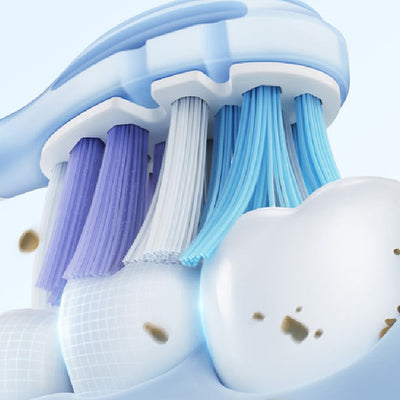
Ultrasonic Toothbrush vs Electric: Which Technology Wins for Your Smile?
LEARN MORE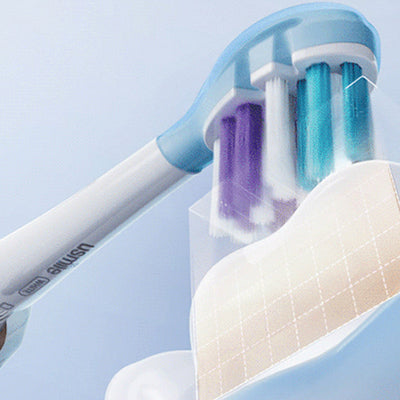
Best Electric Toothbrush for Sensitive Teeth (2026) — 5 Tested
LEARN MOREYou may also like
usmile Y20 PRO Upgraded AI Electric Toothbrush
$111.99
$167.99
usmile P10 S Electric Toothbrush
$55.99
$69.99

usmile Q30 Kids Electric Toothbrush
$83.99
$111.99

usmile Q30 Kids Electric Toothbrush Trio Pack
$226.76
$396.12

usmile C30SE Portable Dental Flosser
$64.26
$69.86

Further reading
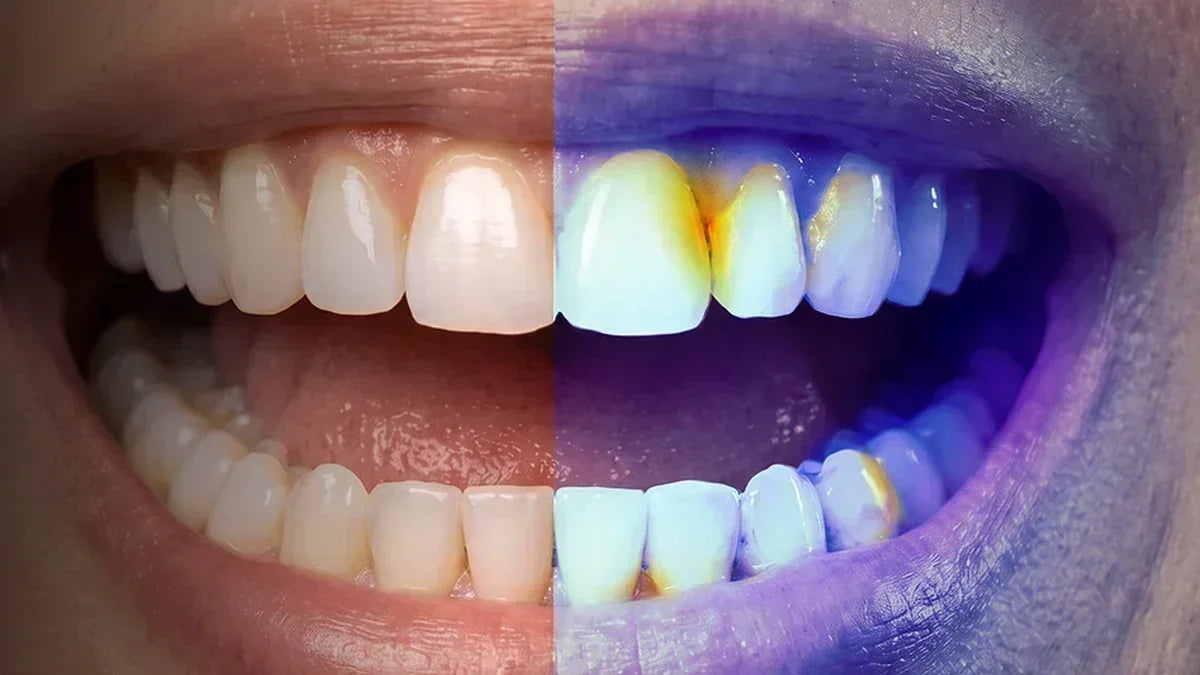
Plaque, Stains, or Food Debris? How to Interpret What a Toothbrush Camera Shows
Quick answer: A toothbrush camera can help locate and compare areas that deserve attention. A color, glow, or enlarged image alone cannot identify plaque, stain, food debris, tartar, decay, or a c...
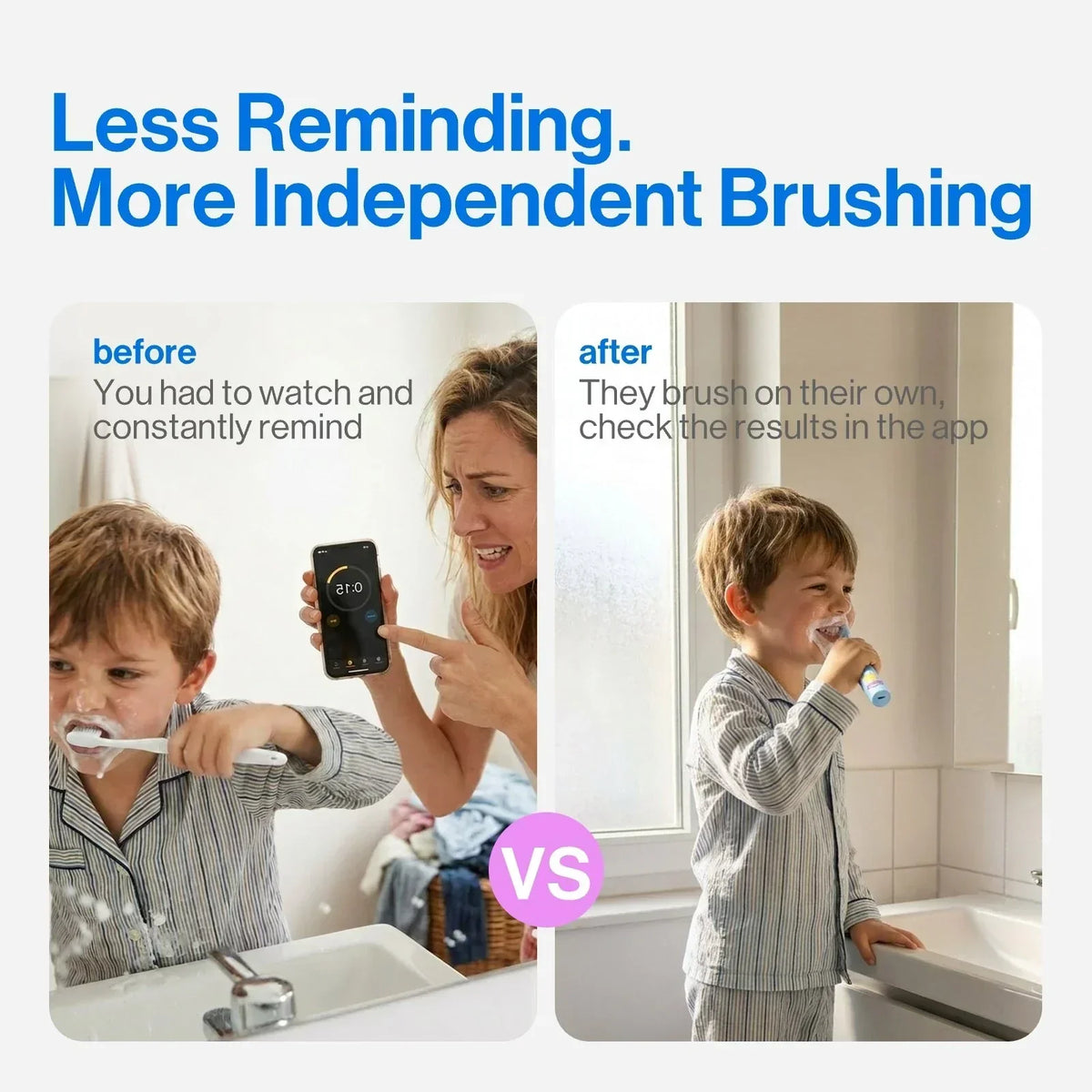
The 5 Toothbrushing Spots Kids Miss Most—and How Parents Can Help
Your child brushed for two full minutes. The timer ended, the toothpaste foamed and the toothbrush looked busy. But did every tooth actually get attention? For many children ages 3–8, the challenge...
The Back-to-School Brushing Reset: A 14-Day Plan for Kids Ages 3–8
September changes the rhythm of a household. Wake-up times move earlier, breakfasts become faster, after-school activities return and bedtime can feel compressed. In that transition, children may ...
Behind usmile D50 OralCam Toothbrush: From Motion Tracking to Visual Intelligence in Oral Care
After six years of development, the oral-care company has combined fluorescence imaging, tooth-level recognition, motion sensing and on-device computing into a technology platform designed to show...
