Periodontal Disease: Symptoms, Causes, Stages, and Treatment
My dentist once told me something about meat stuck. “Gums don’t scream. They whisper.” He meant that by the time most people feel pain, the damage is already serious. And he was right. Periodontal disease usually opens with nothing more than a faint pink rinse when you spit, an infection of the gums and the bone that anchors your teeth, and almost nobody takes that first sign seriously. They should. National surveys suggest that many adults over 30 have some level of periodontal disease.
Here's the deal. Caught early, you can reverse it. Left alone, it costs you teeth. That gap is the whole reason this article exists. By the time you finish this, you'll have a real handle on what gum disease actually is, the warning signs folks keep brushing aside, what kicks it off, the four stages it works through, what goes on once you're in the dentist's chair, the ways it gets treated, and those unglamorous little daily habits that keep the bone and gum tissue around your teeth intact.
What Is Periodontal Disease?

Periodontal disease and gum disease? Same thing, just two labels for it. The word “periodontal” traces back to “around the tooth,” and that's the exact spot where it does its damage: your gums, the ligaments, and the jawbone that anchor each tooth where it belongs.
It doesn't show up overnight. It creeps. A cranky gum here, a bit of bleeding there, and then one day it's not so minor anymore.
It's gum disease, not cavities, that sends the most adults to the dentist for a lost tooth. So if your gums feel sore or you're seeing blood while you read this, no need to panic, but please don't wave it off either.
Periodontal Disease vs Gum Disease

Like I said, same condition. The terms cover everything from mild swelling to severe bone loss. Two types come up constantly at the dentist: gingivitis, the early form you can still undo, and periodontitis, the advanced form where bone loss has already begun.
Why It Matters
Left untreated, periodontal gum disease quietly chews through the gum tissue and the bone propping your teeth up. Bit by bit, the bone gives way, the teeth begin to loosen, and eventually they're lost. A quick chain of events, and not a pretty one.
What catches people off guard is how far it travels. Researchers have linked gum disease to heart disease, stroke, and trickier blood sugar control for anyone managing diabetes. A sore gum, in other words, isn't only a gum problem; it throws a much longer shadow across the rest of you.
What Are the Symptoms of Periodontal Disease?

A trace of pink in the sink. For most of us, that's the first sign of periodontal disease: a little blood seeping from the gums as you brush or floss. And here's the kicker, it's the very sign people manage to convince themselves is nothing. From there, it branches out, running anywhere from mild gum irritation to teeth that honestly start to wiggle, all depending on how far down it's gotten.
Early Warning Signs
The early stuff is sneaky because it does not really hurt:
- Bleeding gums when you brush or floss
- Red, swollen, or tender gums
- Bad breath that will not quit
- Gum sensitivity along the tooth line
- Plaque buildup you can actually see near the gumline
Advanced Symptoms
Once it crosses into periodontitis, subtlety is over:
- Gum recession, gums shrinking back from the teeth
- Teeth that suddenly look longer than before
- Loose or shifting teeth
- Pus is building up between the gums and teeth
- Pain when you chew
- New gaps shaped like little black triangles between teeth
- A change in how your teeth meet when you bite
Can Gum Disease Be Painless?
That is the trap, honestly. Early gum disease usually doesn't hurt much, so people can carry it for years without realizing it—a little bleeding, some puffiness, and done.
That is the whole argument for those checkups you keep rescheduling. A dentist sees the problem way before your nerves bother to mention it.
What Causes Periodontal Disease?

It comes down to plaque, more or less. Dental plaque, the sticky bacterial film that forms on your teeth day and night, is the leading cause of periodontal disease. Get lazy with your brushing and flossing, and the film goes to work, wearing down the gums and the bone beneath them little by little. Throw in smoking, diabetes, your family genes, a few medications, and you're feeding the fire. But let's be honest: plaque is the spark that starts the whole thing.
Plaque Buildup Is the Main Cause
The bacteria live off the food you eat, that food meets your saliva, and plaque just keeps stacking up, day after day after day. Let it sit, and this is the road it heads down:
- Soft plaque sticks to the teeth and irritates the gums
- Give it a day or two, and it hardens into tartar
- Tartar cements on, and brushing does nothing to it
- Only a professional cleaning scrapes tartar off
How Gum Pockets Form

Once the gums begin pulling back, they leave behind tiny gum pockets, and that's the hiding place for the real trouble. Plaque and bacteria tuck themselves into those gaps, somewhere no toothbrush or strand of floss is ever getting to.
Flushing the area out really does help, and it's why plenty of dentists point patients toward water flossers and oral irrigators in their day-to-day routines, especially folks already dealing with early gum pockets or wearing braces.
Why Bone Loss Happens
Now for the cruel part. Your body notices the infection camped out in those pockets and hits back with inflammation. Right idea, wrong result, because that long, drawn-out inflammation winds up breaking down the very tissues and bone wrapped around your teeth.
Less bone, less support. That is the road that takes advanced periodontitis straight to tooth loss.
Risk Factors for Periodontal Disease
Bad brushing is the obvious culprit. It is not the only one, though, and that catches people off guard. I know folks who floss religiously and still got hit, because other risk factors were quietly working against them. Figuring out yours tells you and your dentist how hard you need to fight back.
Lifestyle and Oral Care Factors
- Poor oral hygiene and skipped flossing
- Smoking or chewing tobacco is the strongest risk factor on this list
- Skipping your regular dental cleanings
- A diet loaded with sugar
- Grinding or clenching your teeth
Health and Body Factors
- Diabetes, which makes any infection harder to control
- Hormonal swings during puberty, pregnancy, or menopause
- Medicines that dry the mouth or change the gums
- Autoimmune conditions like lupus or Crohn’s disease
- Stress, which quietly drags the immune system down
- Genetics, since gum disease tends to run in families
Who May Need More Frequent Cleanings?
Twice a year is the textbook answer. Some mouths just need more, and that is fine, not a failure.
You're probably in that group if you smoke, live with diabetes, battle dry mouth, have a gum disease history, or already carry deep gum pockets. Easiest thing to do? Just ask your dentist point-blank what schedule suits you best, rather than assuming the standard six-month interval is right for everyone.
What Are the Stages of Periodontal Disease?
Periodontal disease moves through four stages. Gingivitis sits at the gentle end, and advanced periodontitis at the rough end. Catch it early, and the fix is straightforward, though only that first stage reverses all the way. Here's each one in plain terms.
Stage 1: Gingivitis

Gums turning red and puffy, bleeding a little when you brush or floss. There's no bone loss yet, and that one detail changes the whole picture because it means gingivitis can be completely reversed with a professional cleaning and a reasonably consistent oral hygiene routine at home. It hardly hurts at all, which is precisely why so many people walk right past it.
Stage 2: Mild Periodontitis
Bacteria have crossed under the gums and started picking at the supporting bone. Small pockets show up. A bit of early bone support quietly disappears. This is the stage where scaling and root planing usually enter the conversation, a deep cleaning that drops below the gumline to clear what is festering down there.
Stage 3: Moderate Periodontitis
More gum tissue and bone are in trouble now. Bad breath creeps in. Some gum recession. Maybe pus near the gumline and an ache that was not there last month.
Professional treatment becomes non-negotiable here because the damage digs in and the pockets keep deepening whether you act or not.
Stage 4: Advanced Periodontitis
Heavy bone loss, teeth that feel loose or have started shifting, chewing that genuinely aches, and a very real chance of losing teeth for good. At this stage, advanced periodontitis usually means surgical treatment, or working out a plan to replace teeth too far gone to save, with a periodontist generally steering things from here on out.
How Do Dentists Diagnose Periodontal Disease?

Honestly, getting diagnosed with periodontal disease is a bit of a non-event, and that's a relief. Your dentist examines the gums and measures the pockets around your teeth during a regular exam. It's fast, it doesn't hurt, and it spells out clearly how healthy your gums really are. Nothing about it should rattle you.
Gum Exam and Pocket Measurements

The dentist checks for inflammation and runs a slim little ruler, called a periodontal probe, around each tooth to read the pocket depth. In a healthy mouth, those pockets measure somewhere between 1 and 3 millimeters. Anything deeper starts to hint at gum disease, and, as a rule, the deeper the reading, the further the disease has progressed.
Dental X-Rays
X-rays catch what your eyes never will. They show how much bone is left around each tooth, bone loss and all, the kind you'd have no way of spotting yourself. Dentists like to set new images beside old ones to see how the bone has shifted over time, and that little side-by-side is what shapes the plan, instead of anyone working off a hunch.
Referral to a Periodontist
Advanced case? Your dentist may refer you to a periodontist, the specialist who works on gum disease all day, every day. And a referral is not a surgical sentence. Most of the time, it just means your gums need deeper expertise to hold on to the teeth you have.
How Is Periodontal Disease Treated?
Depends how deep the hole is. Early cases get a cleaning. Severe ones can mean surgery. A handful of options sit in between. Every single one chases the same two targets, though: kill the infection, save whatever support the teeth still have.
And one thing we notice over and over in the routines we look at is that the people who actually hold their results are the ones who pair professional treatment with real habits at home. Drop either half, and it tends to unravel.
Professional Cleaning and Better Home Care
For gingivitis or very early gum disease, a professional cleaning plus a tighter home care routine often does the trick. The hygienist clears the plaque and tartar, you hold the line at home with proper brushing and flossing, and since there is no bone loss yet, you can stop the whole thing before it spreads.
Scaling and Root Planing
Scaling and root planing is the deep clean that happens below the gumline, and it's the real workhorse of gum disease treatment. The hygienist clears plaque and tartar off the tooth roots, then smooths out those root surfaces so bacteria have a tougher time grabbing hold again. It's the usual call for mild to moderate periodontitis, normally done over one or two visits with a little numbing so you're comfortable.
Medication and Antibacterial Rinses
Some dentists toss in a medicated rinse or slip a local antibiotic right into the gum pockets. Useful. But backup, not the headliner. The plaque and tartar still have to come off the old-fashioned way, or none of it sticks.
Surgical Treatment
Deep pockets or advanced disease can push you toward surgery. The usual three are pocket reduction surgery, gum grafting to cover exposed roots, and bone grafting to rebuild lost support. Which route makes sense comes down to your bone loss, the state of your gum tissue, and your general health, and your periodontist will talk you through the whole thing before anything actually begins.
Can Periodontal Disease Be Cured?
Gingivitis? Yes. You can reverse it and put it behind you. Periodontitis, though, is a different story. Once the bone and the structure holding your teeth are gone, you don't win all of it back. That's the part nobody likes hearing.
Still, solid periodontal treatment can knock down the infection, rebuild some of the lost tissue and bone, and protect whatever's still there. So don't let the word incurable talk you out of getting care. The real mistake is skipping treatment just because there's no perfectly clean fix.
How Can You Prevent Periodontal Disease?
Let's end on the bright side: most cases of periodontal disease are preventable with oral hygiene that's almost embarrassingly basic. Brush twice a day, clean between your teeth, and actually show up for your dental visits. That, on its own, clears out the plaque that kicks off the entire cascade.
Prevention beats treatment every time. Cheaper, less painful, less time in the chair.
Build a Daily Oral Care Routine

Your routine is the first line of defense, so build it and protect it. Brush twice a day with a fluoride toothpaste, clean between your teeth daily, and go easy on the pressure so you are not shredding your gums in the name of cleanliness.
A powered brush makes the whole thing easier to stick with for most people. We tend to point readers toward an AI electric toothbrush built for gum protection, mostly because it guides your technique and nudges you when you are leaning too hard near the gumline.
Clean Below the Gumline

Brushing takes care of the tooth surfaces. Great. The trouble is the spaces between teeth and that narrow strip right under the gums, which need attention of their own, and that's exactly where daily flossing or a water flosser earns its keep by clearing out the plaque tucked into those tight spots.
Travel a lot, wear braces, or have teeth packed in close together? A portable water flosser that reaches below the gumline makes sticking with it so much easier, and sticking with it, not owning some fancy gadget, is what genuinely keeps your gums safe.
Get Regular Dental Care and Lower Your Risk

Professional cleanings remove tartar you can't quite reach at home, and routine checkups catch gum disease early, when it's still minor and easy on the wallet to treat. Outside the chair, chipping away at your own risk factors quietly does plenty of the work, too.
Building the whole thing around smart oral hygiene tools and habits is what makes the daily part actually stick. To round it out:
- Quit smoking or using tobacco for good
- Manage diabetes with your doctor in the loop
- Treat dry mouth and keep yourself hydrated
- Eat a balanced diet and ease off the sugar
- Tell your dentist about your meds and health conditions
Can You Live a Normal Life With Periodontitis?
Yes. Most people with periodontitis live completely normal lives, as long as they treat it and stay on top of their oral hygiene. It won't pack up and leave on its own, but steady care boxes it in and keeps your teeth right where they belong. I've watched people manage it for twenty-plus years without it ever running their lives. The disease sets the terms once, then you take over.
Yes, With Ongoing Care
Treat it like a chronic condition you manage, not a one-time repair. Regular dental visits, deep cleanings when they are needed, good care at home, all of it slows the disease down.
The real risk is letting the routine slide. Miss enough cleanings and the infection finds room to creep back.
When to See a Dentist Quickly
Do not wait for a painful decision to come your way. Book a visit if any of this is going on:
- Bleeding gums that will not settle
- Swollen or tender gums
- Loose or shifting teeth
- Pus around the gumline
- Bad breath that refuses to improve
- Pain when you chew
Final Takeaway
Periodontal disease starts as plain gum inflammation and, ignored long enough, marches all the way to bone loss and missing teeth. Bleeding gums, swelling, stubborn bad breath, and loose teeth do not warrant a wait-and-see approach. The earlier you treat gum disease, the better your odds of keeping every tooth you have.
Good oral hygiene, regular dental visits, and professional treatment when it is called for. That is the combination that keeps gums healthy. If any of the warning signs sound familiar, the easiest next move is to book a checkup and let someone take a proper look.
FAQs
Can you recover from periodontitis?
Partly, and that word matters. You can manage periodontitis really well, but you can't fully reverse it once the bone is gone. Now, gingivitis is the early stage? That one you can turn around completely. Periodontitis is a control game instead: treatment knocks down the infection and protects the support you still have. What actually moves the needle is scaling and root planing when it's needed, plus serious daily brushing and flossing, and people hate hearing this, not ghosting your dentist.
What is the cause of periodontal disease?
Dental plaque, mostly. That sticky bacterial film hardens into tartar, keeps irritating the gums, and, once it slides below the gumline, sets off inflammation and infection that wear down gum tissue and bone. But plaque rarely works alone. Smoking, diabetes, genetics, stress, and poor oral hygiene all crank up your risk and can speed the whole thing along. Stack a few of those together, and you've got a fast track.
What are the four signs of periodontal disease?
Bleeding gums, red or swollen gums, breath that stays bad no matter what, and gums creeping away from the teeth. Those are the four people who clock first. Loose teeth, pus, or pain while chewing? That usually means it has dug in deeper. My rule of thumb: spot any of them, get to a dentist. The early signs are cheap and quick to handle. The latter ones are neither.
Can I live a normal life with periodontitis?
Yes, and most people do. The catch is getting professional treatment and keeping your oral hygiene tight, no slacking. Regular dental visits and deep cleanings keep the infection in check. Ignore it, and it slides backward, so honestly, the routine is the whole game here. Stay on it, and plenty of people hold onto their teeth for decades. I've seen patients in their seventies with periodontitis and a full mouth of teeth, purely because they never skipped.
Can I kiss my partner with periodontitis?
Go ahead, kiss away. Gum disease doesn't spread like a cold. That said, the bacteria associated with tuberculosis can be transmitted through saliva over time, and yes, kissing counts. It doesn't doom your partner to periodontal disease, though, because healthy gums and a working immune system usually keep those bacteria in their lane. Both of you brushing properly and nobody sharing a toothbrush keeps the risk pretty much negligible.
What kills periodontal bacteria?
No single magic thing, which is the answer nobody wants. Professional cleaning, scaling, and root planing strip out the bacteria-laden plaque and tartar; that's the heavy lifting. At home, thorough brushing, daily flossing, and a dentist-recommended antibacterial rinse are the key habits you rely on between dental visits.Advanced cases might call for local antibiotics or surgery. The point is, professional care plus daily habits beats any one product sitting on a shelf.
What is Stage 4 periodontal disease?
Stage 4 is advanced periodontitis, the worst of the bunch. We're talking heavy bone loss, deep pockets, loose or shifting teeth, bite changes, and a real risk of losing teeth altogether. Treatment involves a periodontist and can mean surgery, grafting, or a plan to replace teeth. Here's the thing, though: even at stage 4, moving fast can save the teeth that are left and protect the rest of your health. It's never quite as hopeless as it sounds.
What does stage 1 periodontitis look like?
When people refer to stage 1, they usually mean gingivitis or very early gum disease. Picture red, puffy, or tender gums that bleed when you brush or floss. There's usually no bone loss yet, and that's the part that actually matters, because it makes this stage reversible with a professional cleaning and catching it right here. Honestly, the best outcome you can hope for. Most people just never look.
How often should I see a dentist if I have gum disease?
Every six months is the default everyone quotes. With gum disease, though, you'll often need cleanings every three to four months instead. It really comes down to your pocket depth, your risk factors, and how you respond to treatment. Smokers and people with diabetes usually land on the more-frequent end. Bottom line, let your dentist build the schedule around your actual mouth, not some one-size calendar that ignores what's going on in there.
Sources
- Cleveland Clinic, Periodontal Disease (Gum Disease): Causes, Symptoms & Treatment (2025)
- Centers for Disease Control and Prevention (CDC), About Periodontal (Gum) Disease (2024)
- Centers for Disease Control and Prevention (CDC), Gum Disease: Fast Facts
- National Institute of Dental and Craniofacial Research (NIDCR), Periodontal (Gum) Disease
- Mayo Clinic, Periodontitis: Symptoms and Causes (2023)
- MedlinePlus (U.S. National Library of Medicine), Periodontitis
- American Academy of Periodontology (AAP), Gum Disease Information


Looking for something else?

Best Electric Toothbrush for Gum Disease (2026): 6 Picks Tested for Real Gum Protection
LEARN MORE
Electric Toothbrush on Plane: The Complete Travel Guide (2026)
LEARN MOREBest Sustainable Electric Toothbrush 2026: 5 Picks Tested for a Greener, Healthier Smile.docx
LEARN MORE
Best Sustainable Electric Toothbrush 2026: 5 Picks Tested for a Greener, Healthier Smile
LEARN MORELooking for something else?
Best Cheap Electric Toothbrush (2026): Top 5 Budget Picks That Actually Work
LEARN MORE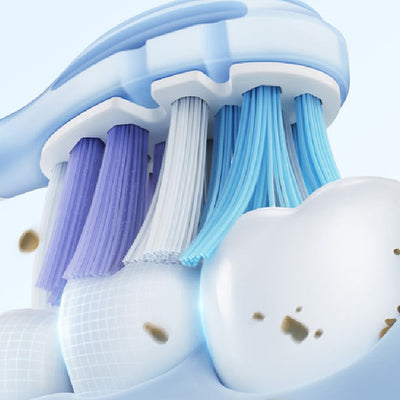
Ultrasonic Toothbrush vs Electric: Which Technology Wins for Your Smile?
LEARN MORE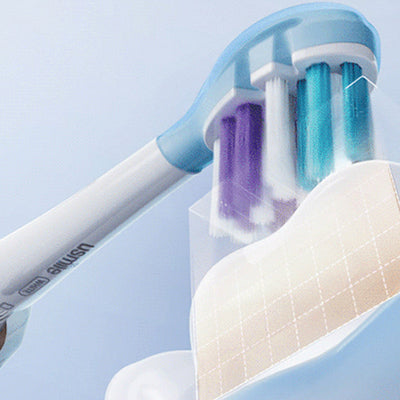
Best Electric Toothbrush for Sensitive Teeth (2026) — 5 Tested
LEARN MOREYou may also like
usmile P10 S Electric Toothbrush
usmile Q30 Kids Electric Toothbrush

usmile Q30 Kids Electric Toothbrush Trio Pack

usmile C30SE Portable Dental Flosser


Further reading
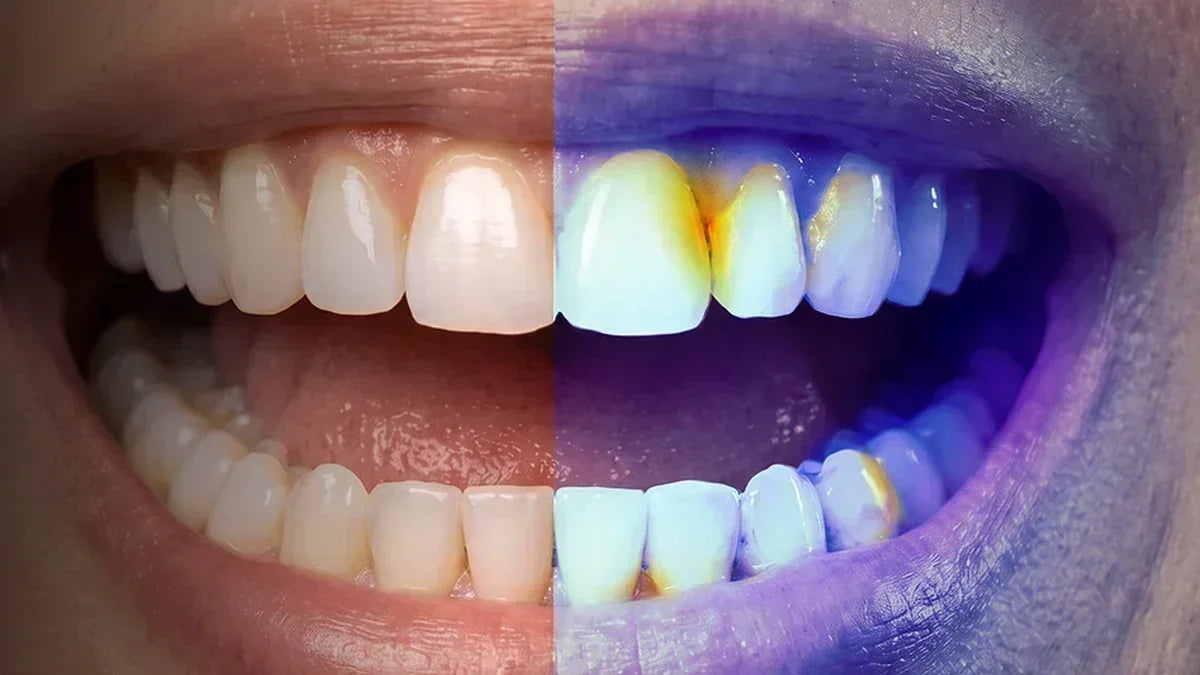
Plaque, Stains, or Food Debris? How to Interpret What a Toothbrush Camera Shows
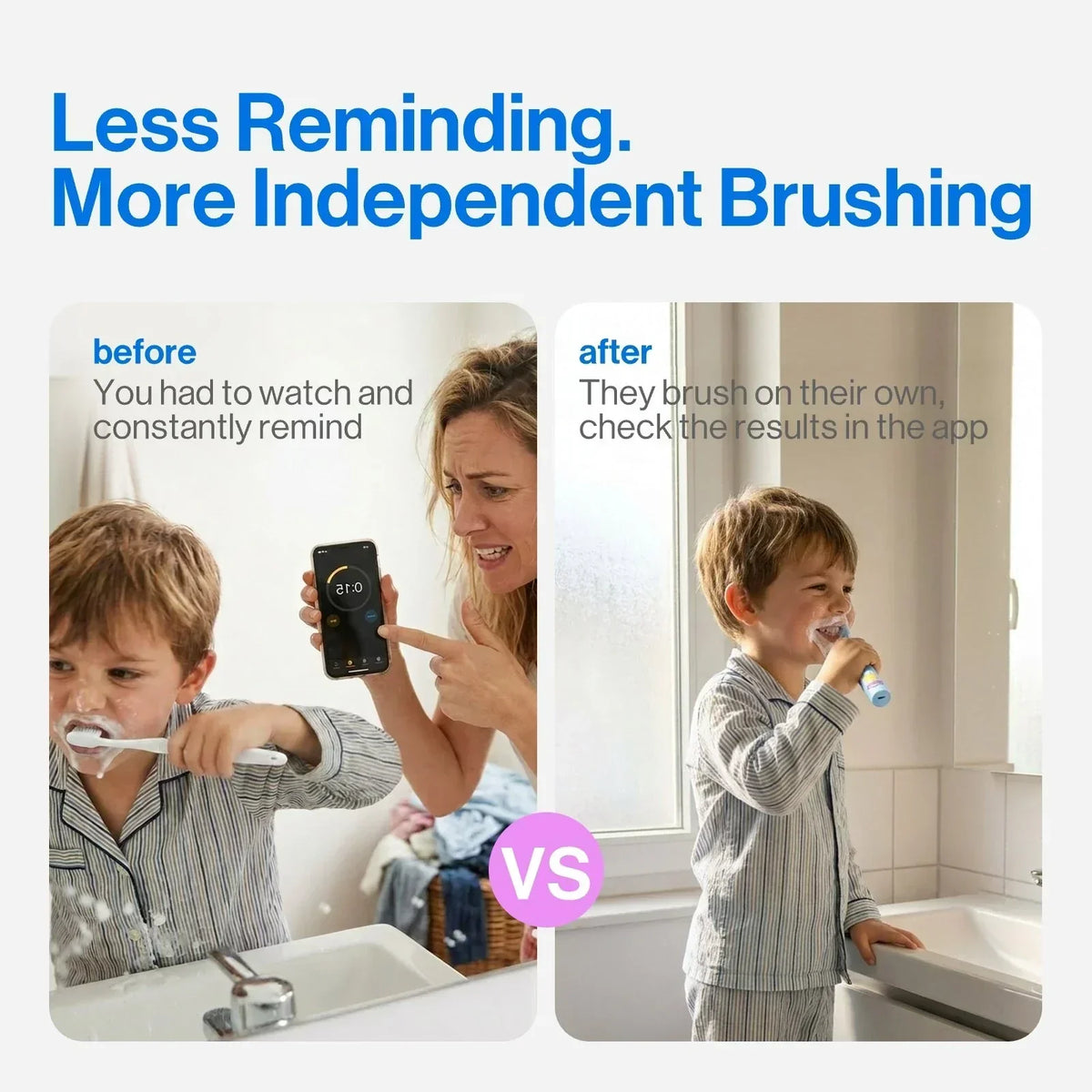
The 5 Toothbrushing Spots Kids Miss Most—and How Parents Can Help
The Back-to-School Brushing Reset: A 14-Day Plan for Kids Ages 3–8