









What are the Disadvantages of a Water Flosser?
Water flossers, like the popular usmile electric oral irrigator, have gained widespread attention for their convenience, comfort, and ability to improve gum health. But while they’re often hailed as a modern upgrade to traditional string floss, they’re not without limitations.
In this blog, we’ll dive into the disadvantages of water flossers, helping you make an informed decision about whether a water flosser is right for your daily routine.
1. Higher Initial Cost
One of the most noticeable drawbacks of using a water flosser is the upfront cost. While dental floss costs only a few dollars, a quality electric water flosser can range anywhere from $30 to $100 or more, depending on the features.
That said, usmile water flossers offer excellent value with long-lasting batteries, multiple pressure settings, and travel-friendly designs — making them a smart long-term investment for many.
2. Requires Electricity or Charging
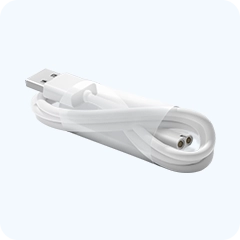
Unlike traditional floss, water flossers require power to operate. Whether it’s a corded device or a portable water flosser, you’ll need access to a power source or make sure it’s regularly charged. While usmile models are designed with long battery life and USB charging, this added requirement can be inconvenient during travel or power outages.
3. Bulky for Travel
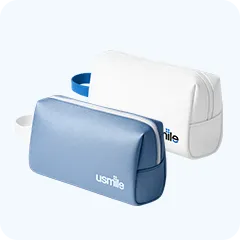
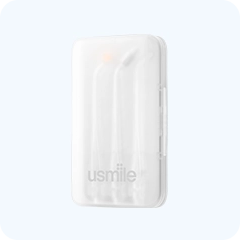
Some users find water flossers less portable than a simple floss pack. Full-size countertop units can be bulky, and even compact versions take up more space in luggage. To solve this, usmile offers lightweight and travel-ready oral irrigators that fit easily into any carry-on or gym bag.
4. Potential for Water Mess
Using a water flosser for the first time often involves a learning curve. If the device isn’t positioned properly, the high-pressure water stream can splash or leak, leading to wet countertops or mirrors. Pro tip: Lean over the sink and keep your mouth slightly closed to reduce splash. With a bit of practice, water flossing becomes second nature.
5. Not a Full Replacement for Traditional Floss
Although water flossers are effective, especially for reducing plaque and improving gum health, they might not completely replace string floss for removing debris in very tight spaces between teeth. Many dentists recommend combining both methods or alternating based on your dental condition. Always consult your dentist for personalized advice.
6. Regular Cleaning Required
To prevent bacterial buildup, water flossers should be cleaned and dried regularly — especially the nozzle and water tank. While this isn’t complicated, it’s one more maintenance step that some users might overlook.
Should You Still Choose a Water Flosser?
Absolutely — if you’re looking for comfort, efficiency, and a more enjoyable flossing experience. The usmile water flosser is an excellent choice for those with:
1. Braces or dental implants
2. Sensitive gums
3. Difficulty using string floss
4. A desire for a high-tech upgrade to their oral routine
Just be sure to understand its limitations, follow instructions carefully, and consider pairing it with other oral hygiene tools.
Conclusion
While water flossers come with a few disadvantages — such as cost, learning curve, and power dependency — the benefits often outweigh the downsides, especially with a trusted brand like usmile. Explore the full range of usmile water flossers to find a model that fits your lifestyle. With the right choice, maintaining a clean, healthy smile has never been easier.


Looking for something else?
White Spots on Kids' Teeth: Causes, Treatment, and Prevention
LEARN MORE
Toddler Breath Smells? Causes, Fixes, and When to Worry
LEARN MORE
When Do Permanent Teeth Come In? A Parent's Guide
LEARN MORE
6 Year Molars Brushing: How to Care for Your Child's New Back Teeth
LEARN MORELooking for something else?

Kids' Oral Care Routine: A Simple Guide for Healthy Teeth and Gums
LEARN MORE
Can Kids Use Mouthwash? What Parents Should Know
LEARN MORE
Soft or Medium Toothbrush — Which One Is Actually Safer for Your Teeth?
LEARN MOREYou may also like
usmile C50 Portable Dental Flosser

usmile Q30 Kids Electric Toothbrush Trio Pack

usmile Q30 Kids Electric Toothbrush Trio Pack+Free Q10(US Only)

usmile D50 OralCam Toothbrush x C30 Cordless Water Flosser

usmile D50 OralCam Toothbrush x C10 Portable Water Flosser
Further reading

Periodontal Disease Stages: From Gingivitis to Stage 4 (What Changes, What It Looks Like, and What Comes Next)

Does the usmile Water Flosser Remove Plaque? Myth vs. Fact

Best Portable Water Flosser: 7 Features That Matter for Travel and Daily Care
