







Periodontal Disease Stages: From Gingivitis to Stage 4 (What Changes, What It Looks Like, and What Comes Next)
About 42% of U.S. adults over 30 have periodontitis. See how periodontal disease staging and grading (A-C) predict bone loss and guide 3-4 month maintenance.

On This Page
Quick Answer
Dentists divide periodontal disease stages into reversible gingivitis and four stages of periodontitis (Stages 1–4), based on gum support loss, bone loss, and tooth stability. Only gingivitis can be fully reversed. Periodontitis can't be reversed, but the right dental care can often stop it from getting worse.
Why Gum Disease Stage Charts Don't Always Match
Looking at different charts for the stages of periodontal disease can get confusing fast. One handout might show four steps starting with gingivitis, while your dentist's notes say "Stage 2" or "Stage 3 periodontitis."
Both are talking about the same thing—just using two different playbooks. Older charts grouped gum disease into four simple tiers: gingivitis, mild, moderate, and advanced. Today, dentists use the 2017 World Workshop classification system, which the American Dental Association (ADA) summarizes in its periodontitis guidance.
In this modern system, gingivitis sits before Stage 1 because it's still reversible. Once bone and gum support start breaking down, that's when Stage 1 through Stage 4 periodontitis begin. Understanding what your dentist actually checks matters way more than memorizing chart labels—especially once you know how periodontal disease starts and what happens during a routine exam.

Stage-by-Stage Progression: From Gingivitis to Stage 4
About 42% of U.S. adults aged 30 and older have some form of periodontitis, according to national data cited by the ADA, and that number climbs to roughly 60% in adults 65 and up. Still, gum disease doesn't jump from healthy gums to loose teeth overnight.
Dentists track it step by step using three clear checks: how much gum support has pulled away from the tooth (attachment loss), how much jawbone loss shows up on X-rays, and how deep your gum pockets measure.
Here is how each stage compares at a glance:
| Stage | What Dentists See | Can It Be Reversed? |
|---|---|---|
| Gingivitis (Pre-Stage) | Pockets ≤3 mm; bleeding at ≥10% of spots; no bone loss | Yes—fully reversible |
| Stage 1 (Initial) | 1–2 mm support loss; <15% bone loss; pockets ≤4 mm; 0 teeth lost | No—goal is to stop it early |
| Stage 2 (Moderate) | 3–4 mm support loss; 15%–33% bone loss; pockets ≤5 mm; 0 teeth lost | No—goal is to stop deeper pockets |
| Stage 3 (Severe) | ≥5 mm support loss; deeper bone loss; pockets ≥6 mm; ≤4 teeth lost | No—goal is to protect remaining teeth |
| Stage 4 (Advanced) | ≥5 mm support loss; ≥5 teeth lost or shifting/collapsing bite | No—goal is to rebuild your bite |
Clinical benchmarks: 2017 AAP/EFP staging criteria and NIDCR pocket depth guidelines.
Pre-Stage: Gingivitis
Gingivitis is the earliest stage of gum trouble, right before true periodontitis starts. Plaque builds up along your gumline, leaving gums slightly puffy or prone to bleeding when you brush or floss. Clinically, gingivitis means bleeding at 10% or more of checked spots, while your pockets stay in the healthy 1 to 3 mm range and your jawbone is completely untouched.
The good news? Because no bone has been lost yet, a regular cleaning and better daily brushing can turn it around completely—and early gum inflammation often clears up within a couple of weeks.

Stage 1: Initial (Early) Periodontitis
Stage 1 periodontal disease is where surface irritation turns into real structural wear. Inflammation slips under the gumline and begins loosening the tiny fibers that anchor your teeth. That creates 1 to 2 mm of attachment loss, pockets up to 4 mm deep, and under 15% bone loss near the top of the root.
That's why dentists take early periodontal disease seriously even when nothing hurts. Your teeth feel solid and chewing feels totally normal, so it's easy to miss without a dental probe and X-rays—yet catching it here gives you the easiest shot at stopping bone loss in its tracks.
Stage 2: Moderate Periodontitis
By stage 2 periodontal disease, plaque and bacteria have worked deeper under the gums—past where a toothbrush can reach. Attachment loss hits 3 to 4 mm, X-rays show 15% to 33% bone loss along the root, and pockets reach up to 5 mm.
At this point, a standard six-month cleaning isn't enough to clear hardened tartar trapped inside those pockets. You still might not feel any pain, though you may start noticing mild gum recession, quick twinges with cold drinks, or bad breath that comes right back after brushing.
Stage 3: Severe Periodontitis
Stage 3 periodontal disease is where things get much trickier to clean and manage. Attachment loss reaches 5 mm or more, bone loss drops halfway down the root or further, and pockets deepen to 6 mm or more. On back molars with multiple roots, bone loss can reach the fork between roots—creating hidden spots where bacteria easily get trapped.
With severe periodontal disease, up to four teeth may have already been lost, or a few teeth may feel slightly loose when you press on them. Because regular deep cleanings may not reach every deep spot, dentists often bring in a periodontist (a gum specialist) at this stage.
Stage 4: Advanced Periodontitis
Stage 4 periodontal disease brings the same deep bone loss as Stage 3, plus major changes to how your mouth works. That can mean five or more teeth lost to gum disease, fewer than 20 teeth left, front teeth drifting or flaring out, or a bite that feels uneven and uncomfortable when you chew.
At the advanced periodontal disease stage, care goes beyond clearing infection. A periodontist and restorative dentist usually team up to stabilize the teeth you have left and rebuild a comfortable, working bite.
Staging vs. Grading: Why Two People at the Same Stage Have Different Outlooks
Hearing "Stage 2" or "Stage 3" sounds scary—it's easy to assume every tooth in your mouth is in trouble. In reality, your stage is only half the story. Modern periodontal disease staging and grading separates what already happened (Stage) from how fast it might move next (Grade).
Here's the simplest way to think about it: your stage is a record of past damage, while your grade and active status shape what happens next.
The "Worst-Site Rule" and Extent (Localized vs. Generalized)
Here's something that surprises a lot of people: one bad tooth can set the stage for your whole chart. Under the ADA-endorsed system, your dentist assigns your stage based on the single most affected spot in your mouth.
To give you the full picture, they also note how widespread it is:
- Localized: Fewer than 30% of your teeth are affected at that level.
- Generalized: 30% or more of your teeth are affected.
So if you have one deep 6 mm pocket behind a crowded back molar and healthy 2 to 3 mm gums everywhere else, your chart may still say Stage 3 (Localized). Day to day, that's a very different situation from Generalized Stage 3 affecting most of your mouth.
Periodontal Grading (Grades A, B, and C)
While your stage looks backward, your grade looks forward. It estimates how quickly you're likely to lose more bone—factoring in your age along with two big accelerators, smoking and blood sugar control:
| Grade | How Fast It Moves | Main Risk Factors |
|---|---|---|
| Grade A | Slow | Non-smoker; no diabetes |
| Grade B | Moderate | Under 10 cigarettes/day; diabetes with HbA1c <7.0% |
| Grade C | Fast | 10+ cigarettes/day; diabetes with HbA1c ≥7.0% |
That's why two people with the exact same Stage 2 label can have completely different outcomes. A non-smoker with Stage 2, Grade A who treats it and stays on top of cleanings can often keep their teeth steady for decades. Someone with Stage 2, Grade C faces faster bone loss unless smoking or high blood sugar is tackled alongside dental care.
What Periodontal Disease Looks and Smells Like — and Why You Can't Self-Stage at Home
Gum disease is usually painless in its early and moderate stages, so waiting for a toothache often means waiting too long. Knowing the subtle clues to watch for helps you get checked sooner—even though a bathroom mirror can't tell you your exact stage.

What Does Periodontal Disease Look Like? (and Why Smokers Often Miss It)
Early gum disease usually looks like slightly puffy gums, a color shift along the tooth edge, or light bleeding when you brush—while later stages bring visible gum recession, crusty tartar, and wider gaps. Healthy gums naturally range from pale pink to deeper brown depending on your skin tone, so the real red flag is a change from your normal look.
Watch for these everyday clues:
- Reddish, purplish, or shiny swollen edges right where gum meets tooth
- Gums pulling back so teeth look a little "longer" than before
- Tiny dark triangular gaps opening near the gumline
- Yellowish or brownish tartar buildup hugging the base of lower front teeth
- Pus or a small pimple-like bump on the gums during a flare-up
One big catch: smoking hides bleeding. Nicotine tightens blood vessels in your gums, which can mute that classic bleeding-on-brushing warning even while bone loss speeds up underneath. CDC data shows roughly 62% of current smokers aged 30 and older have periodontitis, and clinical reviews note smoking raises periodontitis risk 5- to 20-fold.
What Does Periodontal Disease Smell Like?
Periodontal disease usually causes a stubborn sour, metallic, or sulfur-like smell—similar to rotten eggs—that comes right back after brushing. Unlike normal morning breath or garlic breath that fades after you brush and rinse, this odor starts deep under the gumline.
Bacteria trapped inside low-oxygen gum pockets break down proteins and release volatile sulfur compound readings associated with halitosis. Since toothbrush bristles and mouthwash only clean the surface, the smell often returns within minutes to an hour until a dentist clears out those deeper pockets.
Practical Self-Triage: Why Mirrors Can't Measure Pockets
You can't self-stage at home because the two things that actually determine your stage—pocket depth in millimeters and bone height on X-rays—sit out of sight below your gums. A tooth that looks totally fine in the mirror can still hide a 5 mm pocket in the back, which is why deep gum pockets only show up during a dental probe check.

When to book a visit:
- Schedule a regular exam soon if brushing or flossing makes your gums bleed for more than a week, your gums look like they're pulling back, bad breath won't quit, or new gaps appear.
- Get urgent dental care if you have facial or cheek swelling, a throbbing gum bump or pus, a fever, a tooth that suddenly feels loose, or sharp pain when you bite down.
Can You Reverse or Stop Each Stage? Treatment and Stabilization Explained
Can you get rid of periodontal disease completely? You can reverse gingivitis 100%. Once you're in Stages 1 through 4, lost jawbone doesn't grow back on its own—but professional care can stop the active infection and keep your gums steady long-term.
Left alone, will periodontal disease go away by itself? No. Once plaque hardens into tartar below the gumline, only a professional dental cleaning can get it off.
Why Your Stage Never "Goes Down" — Active vs. Stable Status
It can feel discouraging to finish a deep cleaning and hear your chart still says "Stage 2" or "Stage 3." Don't panic—that doesn't mean treatment didn't work.
Your stage is simply a record of past bone loss, while your status tells you if the disease is active right now. Based on clinical periodontal status standards:
- Stable: Pockets are ≤4 mm, there's no bleeding at 4 mm spots, and less than 10% of spots bleed overall.
- In remission: Pockets are ≤4 mm with no bleeding at 4 mm spots, though surface bleeding is still above 10%.
- Unstable (active): Pockets stay ≥5 mm, or bleeding continues at ≥4 mm spots—meaning inflammation is still active and needs more care.
Your real goal isn't erasing the stage number from your chart. It's getting into stable status and staying there.
Stage-by-Stage Treatment Path
Treatment scales up depending on how deep the pockets are:
| Stage | Typical Dental Treatment | Main Goal |
|---|---|---|
| Gingivitis | Standard cleaning + daily brushing tips | Reverse inflammation completely |
| Stage 1 & Stage 2 | Deep cleaning (scaling and root planing) + 4–6 week re-check | Clear hidden tartar & shrink pockets |
| Stage 3 & Stage 4 | Deep cleaning + specialist care (pocket surgery, grafting, splints, or replacements) | Stop deep damage & restore chewing |
For most Stage 1 and Stage 2 cases, the ADA recommends scaling and root planing (SRP)—commonly called a deep cleaning—as the go-to first step. After SRP, your gums typically need about 4 weeks (usually re-checked at 4 to 6 weeks) to calm down and hug tightly back around the smooth tooth root.
Why Maintenance Shifts to Every 3–4 Months
Once your gums stabilize after a deep cleaning, most dentists move you from six-month checkups to periodontal maintenance every 3 to 4 months (the ADA notes maintenance visits typically land every 3 to 6 months depending on your risk).
That shorter gap isn't random. Research shows harmful bacteria can start growing back inside treated pockets in as little as 60 days—about two to three months after SRP. Coming in every three to four months clears that buildup out before it can spark another round of bone loss.
Matching Daily Home Care to Your Stage (Without Replacing Your Dentist)
Home care can't chip away hardened tartar or rebuild lost bone, but it's what keeps periodontal disease stages stable between dental visits. The trick is matching your tools—and how gently you use them—to what your gums need right now.
[[Collection Card]]
For Gingivitis and Stage 1: Catching Gumline Blind Spots Early
Early inflammation almost always shows up in the exact spots we rush past: back molars, the inside of lower front teeth, and the narrow seam where tooth meets gum.
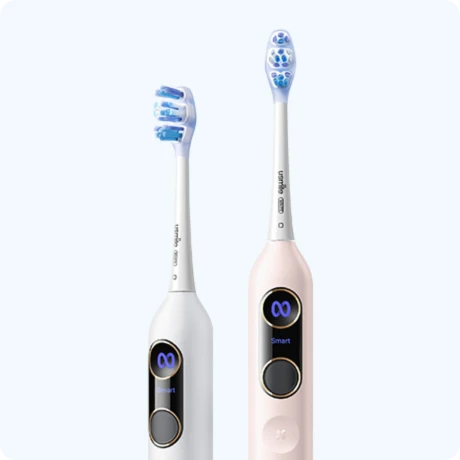
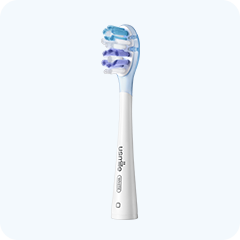
Switching to a gentle, soft-bristled electric toothbrush cleans the gumline more evenly without harsh scrubbing. If you want everyday visual feedback on spots you tend to miss, the usmile D50 OralCam pairs a 300K intraoral camera and 405nm violet QLF plaque display on its built-in handle screen with a soft cushioned Gum Care Brush Head 2.0, processing images locally on the device so you can check your brushing coverage between dental visits.
[[Product Card]]
For Stabilized Stage 2 and Stage 3: Gentle Precision Around Exposed Roots
Once gums have receded or healed after a deep cleaning, exposed roots and wider spaces between teeth trap food easily—while brushing too hard can irritate tender edges and worsen recession.
[[Product Card]]
- Keep pressure light: A soft-bristled brush with a dedicated gentle-cleaning mode—like the usmile Y20 PRO with Gum Care mode—can support careful plaque removal along delicate gumlines.
- Flush between teeth gently: Alongside brushing twice a day and flossing, the NIDCR notes that an interdental brush or water flosser can help rinse debris out of tight or hard-to-reach spots. Cordless options like the usmile C30 and C50 start at a gentle 30 PSI, making it easier to clean comfortably around sensitive gums and wider gaps—even if you run into light bleeding when first starting a water flosser.
- Quick safety check: Always ask your dentist or periodontist before using a water flosser right after gum surgery or on active, untreated deep pockets so you don't disturb healing tissue.
[[Product Card]]
For Stage 4 and Complex Restorations: Follow Your Periodontist's Blueprint
If Stage 4 involves loose teeth, splints, bridges, or dental implants, skip generic routines. Your periodontist and hygienist can match exact interdental brush sizes and gentle rinsing angles to every tooth and restoration.

Frequently Asked Questions About Periodontal Disease Stages
Can periodontal disease go back to an earlier stage after treatment?
No—once bone loss happens, your official stage doesn't drop back down, even after great treatment. What does change is your active status: you can move into stable status (pockets ≤4 mm with minimal bleeding), meaning bone loss has stopped and your teeth can often stay strong for life with regular maintenance.
Can you have different stages of periodontal disease on different teeth?
Yes—most people have uneven gum health, with deeper pockets around back molars and healthier gums up front. Your dentist assigns one overall stage based on your most affected spot, then adds "localized" (<30% of teeth) or "generalized" (≥30% of teeth) so you know how widespread it really is.
How is gingivitis different from Stage 1 periodontal disease if they look the same?
The difference sits out of sight below the gums: gingivitis only irritates soft tissue with zero bone loss, while Stage 1 involves early support and bone loss. Since both can cause mild redness and bleeding with no pain, only a dentist using a probe (checking if pockets stay ≤3 mm or deepen toward 4 mm) and X-rays can tell them apart.
Can you get braces, Invisalign, or dental implants if you have Stage 2 or Stage 3 periodontal disease?
Often yes—as long as active gum inflammation is treated and stabilized first. Moving teeth with braces or aligners during active inflammation can speed up bone loss, while stabilized gums can often be moved safely with close monitoring. The same goes for dental implants after treated periodontitis: they work best when infection is under control and you stick to regular maintenance visits.
Will periodontal pockets shrink back to 2–3 mm after a deep cleaning?
Many shallow-to-moderate pockets shrink noticeably within 4 to 6 weeks after a deep cleaning, though very deep pockets may not shrink all the way back to 2–3 mm. As swelling goes down and gums tighten around the root, a 5 mm pocket often drops to 3–4 mm; pockets that stay ≥5 mm with bleeding usually need extra specialist care.
Why does periodontal disease still smell bad right after brushing?
Brushing only reaches above the gumline, while odor-causing bacteria live deep inside pockets below it. Those hidden bacteria keep producing sulfur gases inside sheltered pockets and tartar buildup, so the smell comes right back until professional treatment clears them out and helps the pockets tighten.
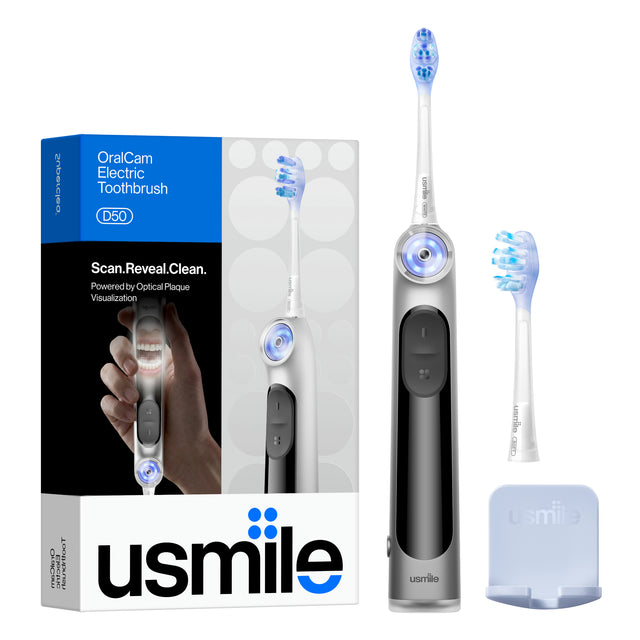
usmile D50 OralCam Toothbrush
Built-in OralCam for real-time plaque visibility and targeted adaptive cleaning for clinical-grade care
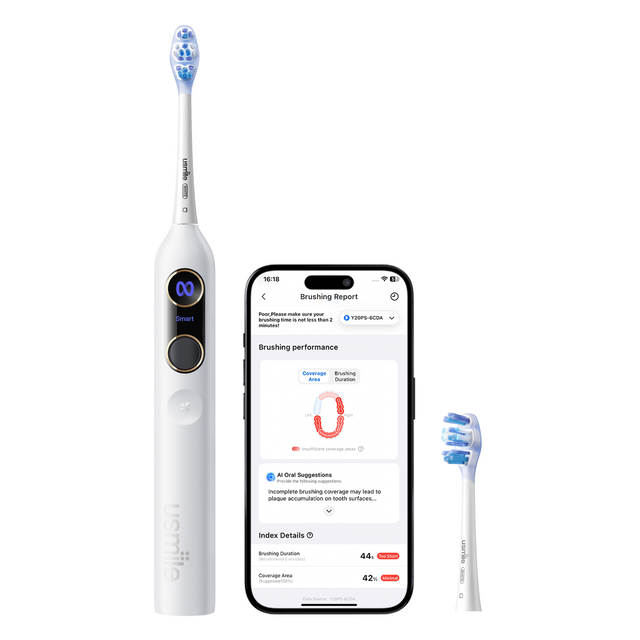
usmile Y20 PRO Upgraded AI Electric Toothbrush
Al-powered plaque detection, adaptive brushing, andultra-soft brush head for precision care.
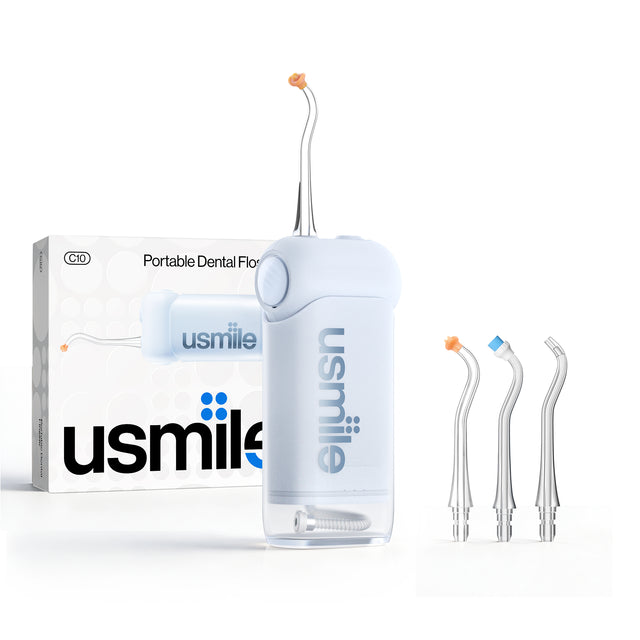
usmile C10 Portable Dental Flosser
Deep clean with 360° nozzles, 4 modes, and long-lasting power—up to 95 days per charge.
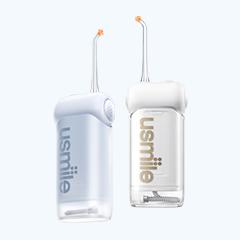
Portable Water Flossers & Oral Irrigators
From an easy first clean to ultra-portable power and pro-level control, find the water flosser built for your routine.
Water FlosserDisclaimer
This article is for informational and educational purposes only and does not substitute for professional dental or medical advice, diagnosis, or treatment. Always consult a licensed dentist or periodontist regarding gum symptoms, periodontal staging, or personalized oral care routines.