







Periodontal Disease: Symptoms, Causes, Stages, and Treatment
Periodontal disease affects 42% of U.S. adults over 30. Early gingivitis is reversible, while periodontitis requires dental care and daily plaque control.


On This Page
Quick Answer
Periodontal disease is an infection and inflammation of the gums and the bone supporting your teeth. Its earliest stage—gingivitis—can be reversed with professional cleaning and consistent daily care. Once bone loss begins (periodontitis), the damage is not reversible, but timely dental treatment and steady home habits can control the infection and protect your teeth.
What Is Periodontal Disease?
Periodontal disease is a bacterial infection and chronic inflammation of the gums, connective ligaments, and jawbone that hold your teeth in place. If you have ever heard a dentist switch between gum disease and periodontal disease, they are talking about the same condition—"periodontal" simply means "around the tooth."

Most people expect a serious dental problem to hurt right away. Early gum inflammation rarely does. Because the first warning signs are quiet—often just a faint pink tint when you spit after brushing—it is easy to overlook the problem until deeper tissue is already affected.
Gingivitis vs. Periodontitis

Dentists divide gum disease into two main categories based on whether supporting bone has been damaged:
- Gingivitis: Inflammation stays limited to the gum tissue. Your gums may look red, feel puffy, or bleed easily, but the underlying bone is still intact. With a professional cleaning and thorough daily brushing and interdental cleaning, gingivitis is completely reversible.
- Periodontitis: Inflammation spreads below the gumline and begins breaking down the connective fibers and jawbone holding your teeth in place. Lost bone does not grow back on its own, making periodontitis irreversible—yet professional care can stabilize it and slow or stop further damage.
Why It Matters for Your Mouth and Overall Health
Gum disease is far more common than most adults realize. According to national U.S. survey data reported by the CDC (NHANES 2009–2014), about 42% of U.S. adults aged 30 and older have some level of periodontitis, and roughly 8% have severe periodontal disease. Along with tooth decay, periodontitis is a leading cause of adult tooth loss.
While periodontal disease is not directly life-threatening on its own, untreated chronic gum infection can still affect more than your smile. Ongoing research links periodontitis with broader health concerns, including heart disease, stroke, and harder blood-sugar control in people with diabetes. Those links reflect medical associations rather than a single direct cause, but keeping your gums healthy is an important part of caring for your overall health.
[[Collection Card]]
Symptoms of Periodontal Disease — and When to See a Dentist

Recognizing the signs of periodontal disease early is the simplest way to avoid complex procedures later. Because early gum inflammation is usually painless, visual changes and mild bleeding matter far more than pain alone.
Early Warning Signs (Gingivitis Stage)
Healthy gums look firm and fit snugly around each tooth (their natural color ranges from light pink to dark pink or brown depending on skin tone). Early warning signs include:
- Gums that bleed when you brush or floss
- Red, darkened, swollen, or tender gums
- Bad breath or an unpleasant taste that lingers
- Visible sticky plaque buildup right along the gumline
Advanced Signs (Possible Periodontitis)
When infection reaches deeper supporting structures, advanced gum disease symptoms become much harder to ignore:
- Gums pulling back from your teeth (recession), making teeth appear longer
- New dark triangular spaces opening between teeth
- Pus or discharge between the gums and teeth
- Loose or shifting teeth
- Pain or discomfort when chewing
- A noticeable change in how your teeth fit together when you bite
When to Book an Appointment
- Schedule a routine dental exam soon if your gums bleed or stay puffy for more than one to two weeks, even if nothing hurts.
- Book a prompt evaluation if you notice pus near the gumline, loose teeth, chewing pain, or sudden gum recession.
Waiting for pain usually means waiting past the easiest window to act.
The Four Stages of Periodontal Disease at a Glance
Dentists commonly explain the stages of gum disease across four progressive levels, moving from reversible surface inflammation to advanced bone loss.

| Stage | Key Tissue Change | Reversibility & Typical Care |
|---|---|---|
| Stage 1: Gingivitis | Red, swollen, easily bleeding gums; no bone loss | Reversible with professional cleaning + daily hygiene |
| Stage 2: Mild Periodontitis | Bacteria move below the gumline; small pockets and early bone loss begin | Not reversible, but manageable; often treated with deep cleaning (SRP) |
| Stage 3: Moderate Periodontitis | Deeper pockets, more bone/ligament loss, recession, possible pus or soreness | Manageable with SRP, targeted medication, or specialist care |
| Stage 4: Advanced Periodontitis | Heavy bone loss, deep pockets, loose or shifting teeth, painful chewing | Managed by a periodontist; may require surgery or tooth replacement |
In the exam room, your dentist confirms your exact stage using pocket measurements and X-rays rather than symptoms alone, since each stage of gum disease calls for a different level of care.
What Causes Periodontal Disease — and Why Brushing Alone Isn't Always Enough

Dental plaque is the primary trigger behind periodontal disease, but daily habits are only part of the picture. Understanding how plaque turns into deeper damage—and what else raises your risk—helps you focus your effort where it actually counts.
How Plaque Becomes Tartar, Gum Pockets, and Bone Loss
- Plaque builds up daily: Bacteria in your mouth mix with starches and sugars from food to form a sticky, removable film called plaque.
- Plaque hardens into tartar: If plaque sits undisturbed along the gumline, it mineralizes into hardened tartar (calculus). Once tartar forms, only a professional dental cleaning can remove it—brushing and flossing will not scrape it away.
- Gum pockets form: Bacteria trapped beneath tartar irritate the gums, causing the tissue to pull away from the tooth and create deeper spaces called periodontal pockets.
- Chronic inflammation erodes bone: Your immune system fights the bacteria inside those pockets, but prolonged inflammation gradually breaks down the ligaments and bone anchoring your teeth.
Why You Can Still Get Gum Disease Even If You Brush Daily
It can feel deeply frustrating to be told you have gum disease when you already brush and floss every day. In reality, two issues often work quietly in the background: missed spots along the gumline or back molars, and biological or lifestyle risk factors that amplify how strongly your gums react to bacteria:
- Smoking or tobacco use: The single strongest risk factor; it also slows gum healing and reduces treatment success. In U.S. CDC data (2009–2014), about 62% of adult smokers aged 30 and older had periodontitis.
- Diabetes: Elevated blood sugar makes gum infections harder to control, and active gum inflammation can make blood sugar harder to manage.
- Genetics: Some people inherit a stronger inflammatory response to oral bacteria even with diligent hygiene.
- Hormonal shifts: Puberty, pregnancy, and menopause can make gum tissue more reactive to plaque.
- Medications and dry mouth: Drugs that reduce saliva flow or alter gum tissue leave gums more vulnerable.
- Other contributors: Chronic stress, poor nutrition (such as low vitamin C), crooked teeth, or clenching and grinding.
What to Expect at the Dentist: Diagnosis and Pocket Numbers

Many adults put off a gum checkup simply because they are not sure what will happen in the chair. In practice, a periodontal exam is straightforward and typically takes just a few minutes during a standard visit.
Gum Exam and What Periodontal Pocket Numbers Mean

Your dentist or hygienist checks for redness, swelling, and bleeding, then gently slides a thin measuring instrument called a periodontal probe into the tiny space between each tooth and gum. You may hear them call out a series of numbers—those are millimeter pocket depths:
- 1 to 3 mm: Typically healthy gum pockets that you can keep clean with daily brushing and flossing.
- 4 mm: Signals inflammation and may indicate early periodontitis, especially if the spot bleeds when probed.
- 5 mm or deeper: Generally too deep to clean effectively at home with a toothbrush or string floss; these pockets often require professional deep cleaning.
Bleeding when the probe touches the pocket is just as important as the number itself—it tells your dentist where active inflammation is happening right now.
Dental X-Rays, Medical History, and Periodontist Referrals
Because visual exams cannot see beneath the gums, dentists take dental X-rays to measure bone levels around your tooth roots and compare them over time. They will also review your medical history, medications, and tobacco use to tailor your care plan.
If your pockets are deep or bone loss is more advanced, your general dentist may refer you to a periodontist—a gum specialist. A referral does not automatically mean you need surgery; it simply means you benefit from specialized expertise to stabilize your teeth.
What to Ask Your Dentist: A Practical Appointment Checklist
If you want to walk into your visit prepared, save these questions on your phone and ask the ones that fit your situation:
About your diagnosis
- What are my deepest pocket measurements, and which areas show active bleeding or bone loss on my X-rays?
- Is this reversible gingivitis or periodontitis—and what stage am I in?
About your treatment plan and comfort
- Do I need a routine cleaning, scaling and root planing, or a referral to a periodontist—and are there other options?
- What numbing or comfort options do you use during a deep cleaning, and how many visits will it take?
- What will my out-of-pocket cost look like after insurance, and can treatment be phased by section if needed?
About recovery and daily care
- What should I expect after treatment (such as temporary sensitivity or gum changes), and when will we re-measure my pockets?
- How often will I need maintenance cleanings once my gums stabilize?
- Which exact areas am I missing at home, and what brush head, interdental tool, or rinse works best for my gums?
How Periodontal Disease Is Treated (Professional Care vs. Home Care)
The goal of periodontal disease treatment is to clear bacterial buildup below the gumline, calm inflammation, and protect the bone and tissue you still have. Lasting results depend on a clear partnership between what happens in the dental chair and what you do every morning and night.
Professional Treatment vs. Home Care: Knowing the Boundary
| Responsibility | Professional Dental Care | Daily Home Care |
|---|---|---|
| Removes hardened tartar | Yes (scaling & specialized tools) | No (brushing/flossing cannot remove tartar) |
| Cleans deep pockets (>4–5 mm) | Yes (scaling & root planing / surgery) | No (brushes and rinses cannot reach deep roots) |
| Controls daily soft plaque | Guides your technique & checks progress | Yes (primary daily defense between visits) |
| Protects treatment results | Monitors pocket stability every 3–4 months | Essential to keep infection from returning |
Understanding this boundary prevents two common mistakes: trying to scrub away tartar at home (which can injure your gums) or getting a deep cleaning and assuming daily habits no longer matter.
Nonsurgical Treatments — and What a Deep Cleaning Feels Like
- Routine professional cleaning: For gingivitis, removing surface plaque and tartar alongside improved home care is often enough to restore healthy gums.
-
Scaling and root planing (SRP / deep cleaning): The primary nonsurgical treatment for mild to moderate periodontitis. A hygienist or dentist removes plaque and tartar from below the gumline (scaling) and smooths the tooth root surfaces (root planing) so bacteria have a harder time reattaching.
- What to expect: SRP is typically completed over one or two visits (often half the mouth at a time) using local numbing so you stay comfortable. Mild gum soreness or temporary sensitivity to cold drinks is common for a few days afterward. Many patients are also surprised when their gums look slightly tighter—or tiny spaces appear between teeth—once healing begins; that happens because swollen tissue has shrunk back to a healthier state, not because the cleaning damaged your teeth.
- Medicated rinses or localized antibiotics: Dentists sometimes prescribe an antimicrobial mouth rinse or place targeted antibiotic gel inside stubborn pockets. These act as helpful backups, not standalone substitutes for mechanical cleaning.
Surgical Options for Advanced Disease
When deep pockets do not respond to nonsurgical care or bone loss is significant, a periodontist may discuss surgical gum treatments:
- Pocket reduction (flap) surgery: Gently folds back gum tissue to reach deep root deposits, smooth irregular bone, and shrink pocket depth so the area is easier to keep clean.
- Soft tissue (gum) grafts: Covers exposed tooth roots and reinforces thin, receded gum tissue.
- Bone grafting and guided tissue regeneration: Places grafting material or a protective membrane to support natural bone regrowth in eroded areas.
Can Periodontal Disease Be Reversed or Cured?
Gingivitis—the earliest stage—can be fully reversed, while periodontitis cannot be cured once bone loss occurs, though it can be stabilized and managed long-term. Because lost jawbone and gum attachment do not regenerate on their own, periodontitis is not considered curable. Still, "not curable" does not mean hopeless—just like managing high blood pressure, consistent care can keep active gum infection in long-term stability.
Daily Home Care, Prevention, and Living With Periodontitis
Knowing how to prevent periodontal disease—or how to keep treated periodontitis stable—comes down to consistent, gentle plaque control rather than aggressive scrubbing.
Building a Gentle, Plaque-Focused Daily Routine
- Brush twice a day for two minutes using fluoride toothpaste and a soft-bristled toothbrush angled gently toward the gumline instead of pressing hard.
- Clean between your teeth every day using string floss, interdental brushes, or a water flosser to clear the tight spaces toothbrush bristles cannot reach.
- Replace brush heads every three months (or sooner if bristles fray).
[[Product Card]]
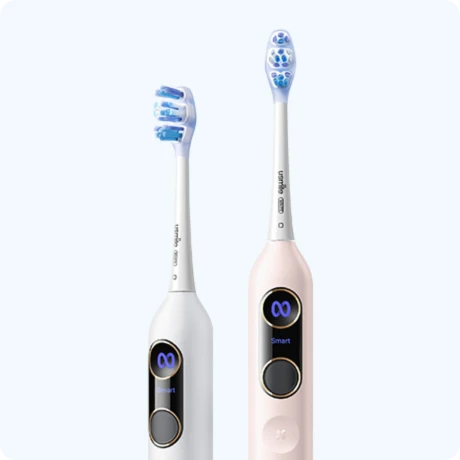
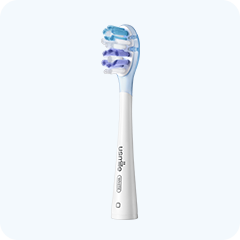
Because gumline plaque is nearly invisible in a bathroom mirror, many people brush every day yet repeatedly miss the exact same spots behind back molars or along lower front teeth. If you want clearer daily feedback between dental visits, an oral-camera sonic brush like the usmile D50 OralCam uses 405nm QLF fluorescence scanning to highlight missed plaque areas directly on the handle screen, paired with a soft cushioned Gum Care brush head. (D50 is designed for daily plaque visualization and brushing guidance only—it does not diagnose gum disease, cavities, or periodontal pockets, and never replaces a professional dental exam.)
If your main concern is brushing too hard on tender or receding gums, switching to a pressure-sensing electric toothbrush—such as the usmile Y20 PRO, which offers a dedicated Gum Care mode for gentler daily cleaning—can help support careful brushing along delicate gum margins. For interdental care around tight contacts, dental work, or sensitive gums, pairing daily brushing with a water flosser that offers gentle settings starting around 30 PSI makes rinsing away soft debris along the gumline easier to stick with. Just remember: electric toothbrushes and water flossers support daily plaque control—they cannot remove hardened tartar or replace professional periodontal care.
[[Product Card]]
Long-Term Maintenance and Risk Reduction
Most people with treated periodontitis live completely normal lives by treating gum care as an ongoing routine:
- Follow your tailored recall schedule: While healthy gums typically need cleanings every six months, people managing periodontitis are often placed on periodontal maintenance visits every three to four months so hygienists can clear new tartar before pockets deepen again.
- Address controllable risk factors: Quit smoking or tobacco products, work with your doctor to keep diabetes well managed, stay hydrated if medications cause dry mouth, cut back on frequent sugary snacks, and keep your dentist updated on every medication you take.
[[Product Card]]
Frequently Asked Questions
Can receding gums grow back naturally?
No—receding gums cannot grow back naturally. Once true gum recession pulls tissue away from the tooth root, it does not regenerate on its own. However, treating the underlying gum disease and switching to gentle brushing can stop further recession, and a periodontist can discuss gum grafting if exposed roots need protection or coverage.
Is Periodontal Disease Contagious Through Kissing or Sharing Utensils?
No, you cannot catch gum disease from brief casual contact like a cold, though the bacteria behind it can pass through saliva over repeated, long-term contact. Sharing utensils or frequent kissing can transfer gum-disease-causing bacteria, but brushing and flossing consistently—and never sharing toothbrushes—keeps the risk very low.
Can mouthwash, saltwater rinses, or home remedies cure gum disease?
No—mouthwash, saltwater rinses, and home remedies cannot cure gum disease. Dentist-recommended antibacterial mouthwash can help reduce surface bacteria, and warm saltwater rinses may temporarily soothe tender gums, but no rinse, oil, or home remedy can remove hardened tartar or eliminate infection trapped inside deep periodontal pockets. Lasting improvement requires professional cleaning paired with daily mechanical plaque removal.
How fast does periodontal disease progress — and will I lose my teeth?
Periodontal disease usually progresses gradually over months or years—and having it does not mean you will inevitably lose your teeth. Without care, gum inflammation can advance slowly in some people and much faster in others, especially with smoking, unmanaged diabetes, or skipped dental cleanings. With timely professional treatment and steady maintenance every three to four months, most people stabilize the infection and keep their natural teeth for decades.
What if I can't afford a deep cleaning right away?
Ask your dentist about phased quadrant treatment or payment plans, and check accredited dental or hygiene school clinics for lower-cost supervised care. Many dental offices can split scaling and root planing into manageable sections, and the NIDCR recommends contacting dental and dental hygiene school clinics that may provide supervised care at reduced cost. While you arrange care, stay consistent with gentle twice-daily brushing and daily interdental cleaning to limit further plaque buildup.
Taking action early is the single biggest advantage you have against periodontal disease. If you have noticed bleeding gums, lingering bad breath, or changes along your gumline, scheduling a dental exam gives you clear numbers, a realistic plan, and peace of mind.
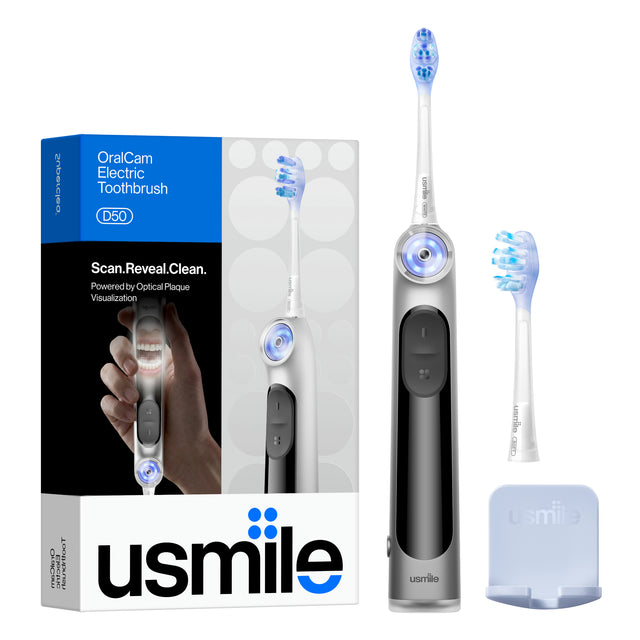
usmile D50 OralCam Toothbrush
Built-in OralCam for real-time plaque visibility and targeted adaptive cleaning for clinical-grade care
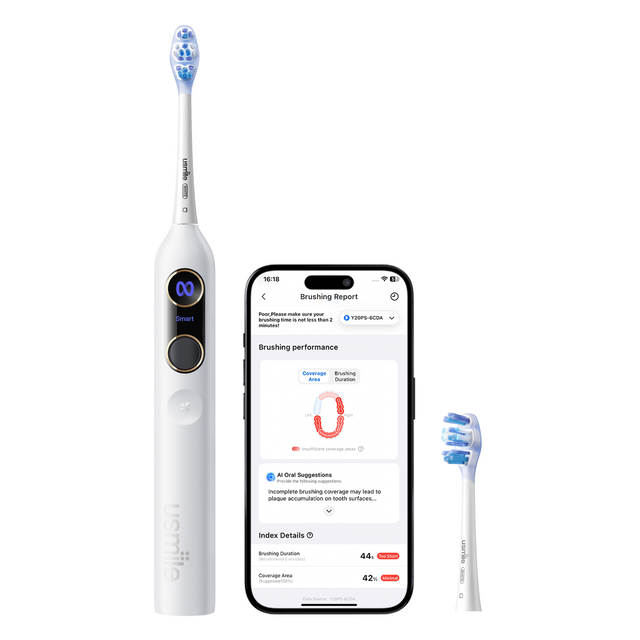
usmile Y20 PRO Upgraded AI Electric Toothbrush
Al-powered plaque detection, adaptive brushing, andultra-soft brush head for precision care.
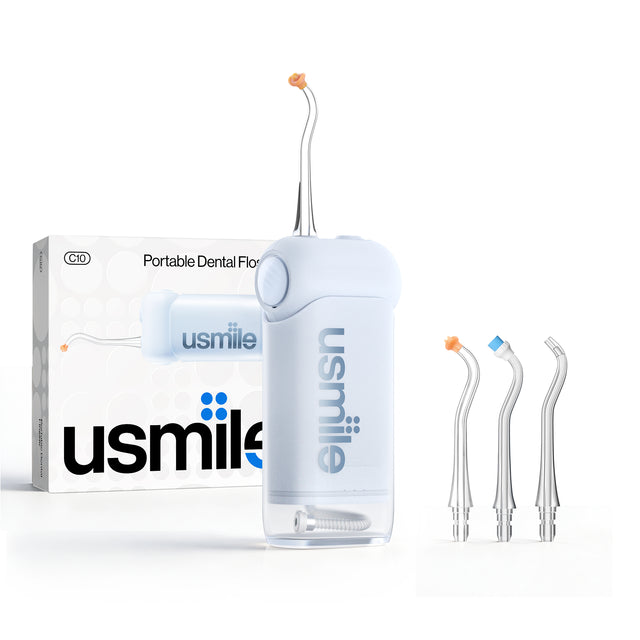
usmile C10 Portable Dental Flosser
Deep clean with 360° nozzles, 4 modes, and long-lasting power—up to 95 days per charge.

Electric Toothbrush
Discover usmile electric toothbrushes with AI guidance, plaque removal, gum protection and smart feedback for adults, kids and first-time users.
Electric ToothbrushDisclaimer
This article is for general oral-health educational purposes only and does not constitute individualized dental or medical diagnosis, advice, or treatment. Always consult a licensed dentist or periodontist regarding your specific symptoms and care plan.