










How Long Should You Brush Your Teeth?
Most people brush for about forty seconds and think that's enough. But your dentist will tell you it takes two whole minutes to clean your teeth properly, morning and night, and you need a fluoride toothpaste to go with it. TheMayo Clinic has said this for years. Skip that time, and plaque starts building up along your teeth and gums, and that's exactly how cavities and gum trouble get their start. This guide walks you through how long you should brush, the best times of day to do it, how long to wait after you eat, and the signs that you've been brushing too hard.
So let me take you through the timing that actually works, the better times of day to reach for your brush, how long you really should wait after certain meals, and the small warning signs that tell you you've been going at it too roughly. I will get into yellow teeth too, what actually shifts them, and the way early tooth decay tends to creep in long before it ever starts to ache.
The Short Answer: Brush for Two Minutes, Twice a Day

So, two minutes, morning and night. Why two minutes and not one? It comes down to simple math. Soft bristles need that long to work plaque off every surface of your teeth and gums. Plaque is what you're actually up against. Sticky stuff, full of bacteria. Leave it too long, and it gets hard and turns into tartar. And tartar? Your brush does nothing to it. At that point, only a dentist with a metal scraper can get it off. At that point, your only fix is a scrape at the hygienist, which nobody enjoys. The people at usmile, a smart oral hygiene brand, said something that stuck with me, that just turning up for two minutes a day will always beat one big guilt-fuelled scrub on a Sunday night.
Why Two Minutes Matter

And there is proper testing behind this; it is not some number a dentist pulled out of thin air. When researchers actually sat and measured how much plaque came off at different brushing times, the people who gave up around forty-five seconds were leaving a good deal more behind than the two-minute crowd. At thirty seconds, it fell apart completely. Two minutes, then, is more or less the point where your effort finally starts to count for something, and it counts for even more when you are using a fluoride toothpaste that keeps working on your enamel the entire time. A few small habits make it stick:
- Brush once after you wake up and once before bed, and please do not skip either one.
- Use a fluoride toothpaste every single time, no days off.
- Give the gum line a little extra because that is exactly where plaque likes to dig in.
Easy 30-Second Mouth Map

Two minutes can feel surprisingly long when standing at the sink. A simple way to manage the two-minute brushing routine is to divide the mouth into four sections and spend about thirty seconds on each.
- Upper right to start, then slide over to the upper left.
- Down to the lower right next, and finish off on the lower left.
- Inside every bit, get the outer, inner, and chewing surfaces.
A quick, light brush across the tongue right at the end barely costs you a couple of seconds and clears out a surprising amount of the bacteria that leaves your breath stale by morning.
Is Brushing for Longer Better?

Not really, no, longer does not get you much. Two minutes is plenty for most of us. Sure, some people need a bit longer, but they're rare. The bigger problem is the old myth that scrubbing harder gets your teeth cleaner. It really doesn't. Push too hard, and you'll end up wearing down your teeth instead of cleaning them.
Two Minutes Is Enough for Most People
Honestly, you do not need to stand there scrubbing for five minutes; that is just wasted effort on the average mouth. Some people do need more than the standard two-minute brushing routine, mainly those with braces or crowded teeth, where food and plaque collect in spots a quick pass tends to miss. The same goes for anyone whose dentist has specifically advised a longer routine.
And anyway, once you add flossing and a rinse on top, the whole thing runs past two minutes on its own, which is fine. The two-minute rule was never about all that—just the brushing.
Gentle Brushing Beats Hard Brushing

Leaning hard on the brush wins you nothing and quietly costs you a fair bit, grinding down enamel and slowly pushing your gums into retreat across the years without you ever really noticing it happen. The dental team at Cleveland Clinic said, about as plainly as it can be said, that plaque is soft, so force is pointless. Just let a soft-bristled toothbrush do the work, with gentle, short strokes. Wondering if you press too hard? Watch a new brush for a few weeks. If the bristles splay out fast, there's your answer.
When Should You Brush Your Teeth?

When you brush, it carries more weight than most people ever stop to think about. Morning and night sit there as your two fixed points, and then what you eat through the day nudges things a little to either side of them.
Brush in the Morning and Before Bed
Plaque does not take the night off while you sleep, so even after a thorough night brush, you wake to a fresh layer, and that is what the morning round is dealing with, while the night round clears away everything the day has piled on. If you can genuinely only get one of them right, let it be the bedtime one. Saliva slows to barely anything overnight, and saliva happens to be your mouth's own built-in defense, so that quiet stretch is precisely when your teeth are most in need of backup.
Should You Brush Before or After Breakfast?

Going before breakfast is the simpler, safer route, since it lays fluoride down and gets your saliva flowing before the food even shows up. Would you rather do it after? That is alright too; there is just one catch worth respecting: if the meal was acidic, you really should wait, because orange juice, coffee, and citrus all leave your enamel softened for a little while afterward.
How Long Should You Wait After Eating?
As a general rule, wait at least 30 minutes, and up to about an hour after very acidic foods, before you brush. Citrus, soda, sports drinks, sour candy. During that hour, your saliva neutralizes the acid, and your enamel hardens back up. Brush too soon, and you're just dragging bristles over soft enamel, wearing a little of it away. Mouth feels grimy in the meantime? Swish some plain water, and you're good—no downside to that at all.
How to Brush Better in Two Minutes
Two minutes showing on the timer does not actually mean much on its own. It only earns its keep when you are genuinely reaching every surface, and doing so the right way.
Use the Right Brush and Toothpaste

- Go for a soft-bristled toothbrush that actually sits comfortably in your mouth.
- Stay on a fluoride toothpaste, since that is the bestway to protect the enamel.
- Swap the brush, or just the brush head, every three to four months.
Use Small, Gentle Strokes
Brush angle: about 45 degrees, right where the tooth meets the gum. Then short, soft strokes. Front of the tooth, back of it, the top where you chew. One tooth, next tooth, keep moving. Behind the front teeth is the lazy spot for most of us. Brush goes vertical there. Few strokes up, few down. If seeing it helps it click faster, the ADA's step-by-step brushing guide outlines the same method with a visual.
Use a Timer

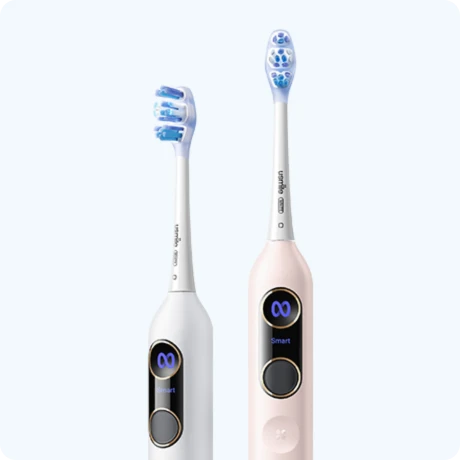
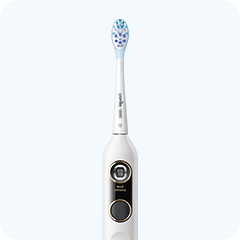
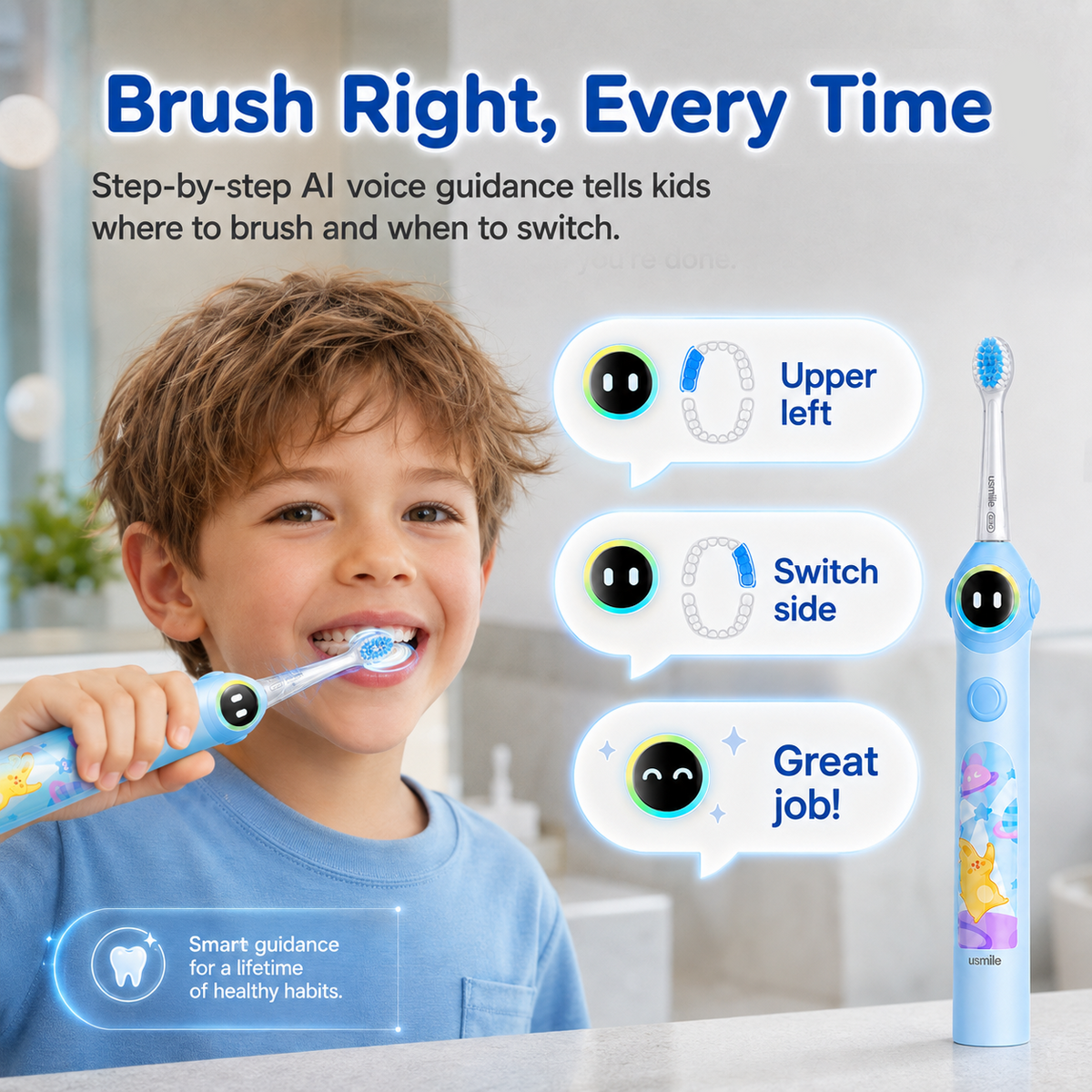
Of all the fixes on this page, a timer is far and away the one that asks the least of you, whether you set it on your phone or just let the brush sort it out. An AI electric toothbrush with a built-in timer gives you a little buzz every thirty seconds so you know exactly when to move on, and plenty of the smart electric toothbrushes out there will quietly back off all by themselves the instant your pressure starts climbing too high.
What Happens If You Brush Too Little?
Cut the brushing short, and the plaque simply stays exactly where it is. One rushed brushing session here and there will not ruin your mouth. Let it harden into a habit, though, and the bill does eventually land.
Plaque Can Stay on Teeth

The plaque that gets left behind feeds on sugar and pumps out acids, gnawing at enamel and steadily increasing your odds of cavities and gum disease as the months go by. Bristles cannot fit into the tight gaps between your teeth either, which is why the CDC recommends cleaning between them daily. Ordinary floss does it perfectly well, and a portable water flosser makes a genuinely good stand-in for anyone who finds string floss fiddly and annoying to use.
Signs You May Be Over-Brushing

And yes, brushing too much is absolutely a thing. Once you start going too hard or too often, your mouth has a habit of handing you a few fairly clear hints that something has gone wrong.
Common Signs of Over-Brushing
- Gums that turn sore, look red, or bleed while you brush.
- Gums shrink back until your teeth start to look longer than they did.
- A sharp little jolt of sensitivity whenever something hot or cold comes along.
- A brand-new toothbrush wears raggedly far sooner than it should.
What to Do Instead
Switching down to a soft brush, loosening off your grip, and just slowing the whole thing down will clear up most of it. However, if the bleeding, the ache, or that sensitivity drags on beyond a week, go and see a dentist, because gum recession and worn enamel are not the sort of thing that quietly heals itself back up once the damage has set in.
Quick Daily Oral Care Checklist
- Brush twice a day, two minutes a go.
- Pair a fluoride toothpaste with a soft-bristle brush.
- Clean between your teeth once a day.
- Hang on about an hour after acidic food or drink before brushing.
- Ease off sugary snacks and drinks where you can.
- Change your toothbrush every three to four months.
- Get yourself to the dentist for regular checkups.
Final Takeaway
It really does come back to one habit. How long you should brush your teeth is simple: two minutes, twice a day, with a soft brush and fluoride toothpaste. That quiet routine sits behind nearly every healthy smile, as long as you brush gently rather than hard and wait out that hour after acidic foods. Daily flossing, regular dental visits, and just keeping half an eye on the over-brushing signs like sore gums or sudden sensitivity round the rest of it off nicely, and once your timing and your touch are both where they need to be, your teeth honestly take it from there on their own.
FAQs
Is brushing for 4 minutes too much?
It won't wreck your teeth, but honestly, who needs four minutes? The damage comes from how hard you push, not how long you go. Soft brush, light hand — a few extra minutes won't matter. Bear down hard for four straight minutes, and yeah, your gums and enamel will feel it.
Can my yellow teeth be white again?
Often, yes — to a degree. Stains sitting on the surface from coffee, tea, smoking, whatever, usually fade with better brushing, a cleaning at the dentist, or over-the-counter whitening stuff. The deeper kind is harder to shift. Ask your dentist if whitening's worth it for you, because it doesn't suit everyone.
What are the signs of over-brushing?
Gums that hurt or bleed. Gums are creeping backward. Teeth that twinge. Bristles are splaying out way too fast. Any of those usually means you're pushing too hard or brushing too often. Notice a couple? Lighten up, and have your dentist look for receding gums or worn enamel.
What is Stage 1 of rotting teeth?
It starts as little chalky-white or brownish marks on the enamel. No pain yet — and that's the trap, because you don't notice it. Catch it here, though, and you can sometimes halt it or even turn it around. That's the whole point of those regular checkups.
Is it better to brush longer or harder?
Longer and gentler. Never harder. Two careful minutes beat a frantic 30-second scrub hands down. Mashing the brush into your teeth won't grab more plaque — it just wears down enamel and chews up your gums. Loosen your grip; let the bristles do their thing.
Can you damage teeth by over-brushing?
Yep. Go too hard or too often, and you're looking at thin enamel, sore gums, and lingering sensitivity. Easy fix: soft bristles, gentle pressure, short strokes. Clean mouth, no sanding your teeth down in the process.
How long should you wait to brush after eating?
Give it an hour after anything acidic — citrus, soda, sports drinks. The acid leaves your enamel soft for a bit, and brushing then removes it. Can't wait that long? A swish of water holds you over till the hour's up.
Should you brush before or after breakfast?
Before, to play it safe. You get fluoride on your teeth and your saliva running before the food hits. Prefer brushing after? Wait an hour if breakfast was acidic, so you're not scrubbing soft enamel.
How often should you replace your toothbrush?
Every three or four months — sooner if the bristles bend or splay. A beat-up brush barely cleans, and quick fraying usually means you're pressing too hard. Swap the head every few months, and it'll keep doing its job.
Sources
- American Dental Association – Brushing Your Teeth
- Mayo Clinic – Brushing Your Teeth: How Often and When?
- Cleveland Clinic – How Long (and Often) To Brush Your Teeth
- Cleveland Clinic – Oral Hygiene: Best Practices and Instructions
- Centers for Disease Control and Prevention – Oral Health Tips for Adults
- National Institute of Dental and Craniofacial Research – Oral Hygiene
- NHS – Teeth Whitening


Looking for something else?
Best Electric Toothbrush for Teens (2026): Top Picks, Tested and Reviewed
LEARN MORE
Best Electric Toothbrush for Gum Disease (2026): 6 Picks Tested for Real Gum Protection
LEARN MORE
Electric Toothbrush on Plane: The Complete Travel Guide (2026)
LEARN MOREBest Sustainable Electric Toothbrush 2026: 5 Picks Tested for a Greener, Healthier Smile.docx
LEARN MORELooking for something else?
Best Sustainable Electric Toothbrush 2026: 5 Picks Tested for a Greener, Healthier Smile
LEARN MORE
Best Cheap Electric Toothbrush (2026): Top 5 Budget Picks That Actually Work
LEARN MORE
Ultrasonic Toothbrush vs Electric: Which Technology Wins for Your Smile?
LEARN MOREYou may also like

usmile Q30 Kids Electric Toothbrush

usmile Q30 Kids Electric Toothbrush Trio Pack


usmile C30SE Portable Dental Flosser

Y10 PRO Electric Toothbrush x C10 Portable Water Flosser

Further reading
The 5 Toothbrushing Spots Kids Miss Most—and How Parents Can Help
The Back-to-School Brushing Reset: A 14-Day Plan for Kids Ages 3–8
Behind usmile D50 OralCam Toothbrush: From Motion Tracking to Visual Intelligence in Oral Care

