











Kids' Oral Care Routine: A Simple Guide for Healthy Teeth and Gums
Getting a child to actually brush their teeth without it turning into a full production — that’s the daily reality for most parents. You know the drill. One kid’s crying, another’s hiding the toothbrush, and somehow it’s already 9 PM. Nobody warns you about this part of parenting. But a solid kids' oral care routine doesn’t need to be complicated or anywhere near perfect. It just needs to happen, morning and night, every day. This guide breaks down what to do at every age, when to start, and how to make the bathroom battle a little less of a nightmare.
Why Starting Early Makes All the Difference
Good Oral Hygiene Habits for Kids

Over half of kids between 6 and 8 have already had a cavity. Not in permanent teeth — in their baby teeth. The CDC has been tracking this for years. And it doesn’t get better with age. Teenagers between 12 and 19? Same problem, different teeth.
What trips parents up is thinking it’s just a tooth. It isn’t. A cavity that goes ignored affects how a child chews food, how clearly they speak, and even whether they can sit and focus at school. Leave a dental infection long enough, and it can spread. That’s when a small, fixable problem becomes a genuinely serious one. So no — it’s not “just a baby tooth.”
Baby Teeth Do Real Work
“They’ll fall out anyway.” I’ve heard that reasoning more times than I can count. And every time, I think about the parents who said exactly that and ended up dealing with misaligned adult teeth and orthodontic bills years down the road.
Baby teeth hold the space. That’s their actual job. The moment one gets lost too early to decay, the teeth on either side start drifting inward — slowly, quietly — until the permanent tooth tries to come in and the gap is already partially filled. What follows are braces, expanders, and the whole expensive picture. All of it avoidable with a simple cavity filling years earlier.
Habits Built at Age Two Tend to Stick

Kids who start brushing and flossing early almost always keep doing it. Not because they love dental hygiene — they don’t. But because it becomes normal. It’s just what happens before sleep. That’s it.
Starting at 18 months is ten times easier than trying to introduce this idea to a nine-year-old who’s already decided they don’t care about their teeth. Don’t let that window close without using it.
The Daily Routine — What It Actually Looks Like
Brush Twice. Both Times Count.
Morning and bedtime. That’s it. But if you’re going to be honest about which session matters more, it’s bedtime, and it’s not close. Saliva slows way down during sleep. That gives bacteria several uninterrupted hours to sit against teeth and produce acid. Missing the morning session occasionally? Fine. Making a habit of skipping bedtime? That’s where cavities quietly get started.
Two Minutes Isn’t Negotiable

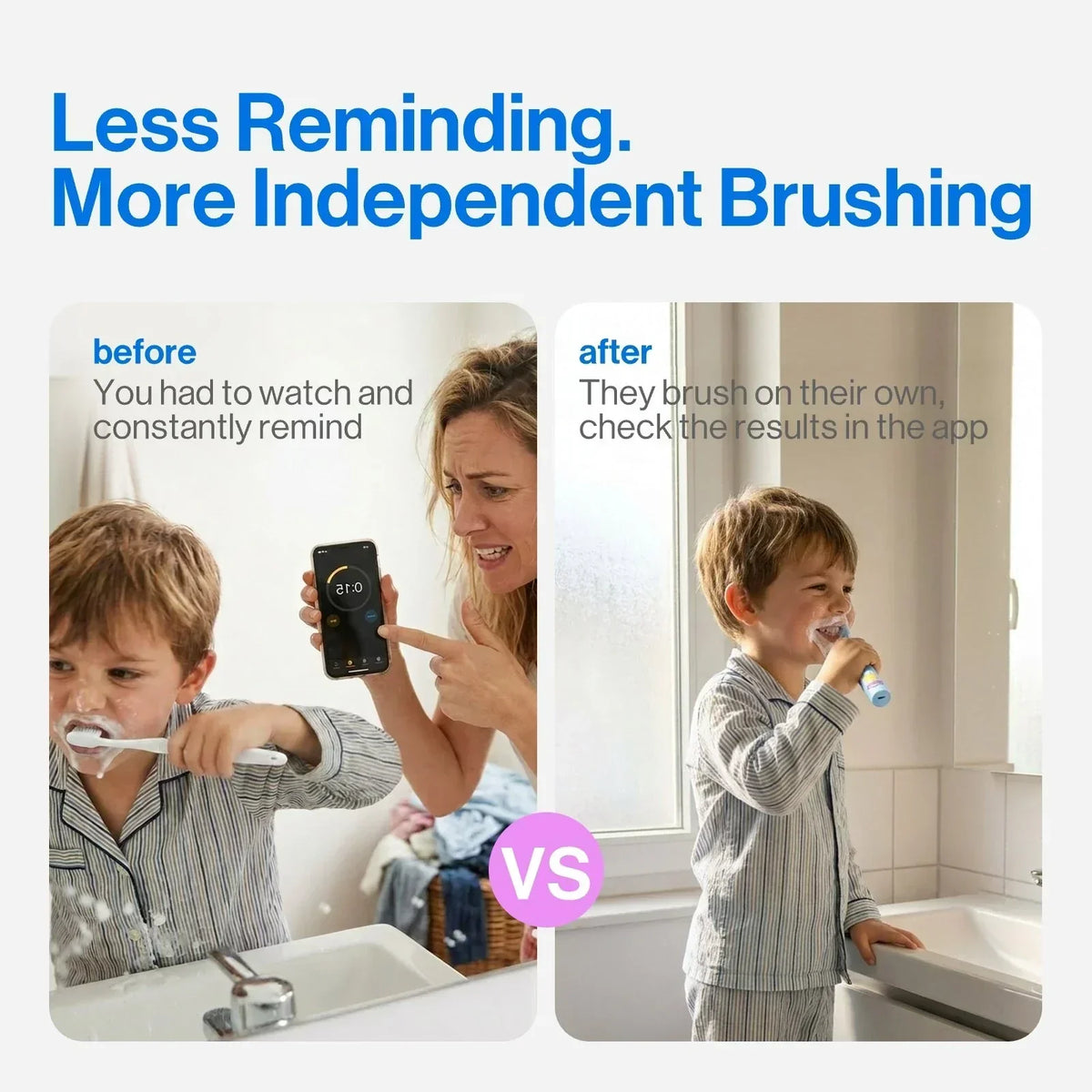
Sometimes watch a kid brush without a timer. Most of them are done in 20 seconds. Maybe 25. They’ll tell you they did a great job. The back teeth were barely touched.
Two minutes is the ADA recommendation because that’s what it actually takes to cover every surface — back molars, inner sides, gumline, tongue. A song on your phone, a sand timer, a brushing app with a little cartoon — it doesn’t matter what you use. What matters is getting them to stay in position long enough actually to finish.
Floss When Teeth Are Touching

The moment two teeth press against each other, a toothbrush can’t reach what’s between them. Full stop. Flossing has to start right then, and most parents don’t realize that can happen this early in a toddler’s mouth.
Brushing harder won’t fix it. A better toothbrush won’t fix it. A bristle that doesn’t fit into a gap can’t clean it. Flossing is the only answer.
Water Between Meals, Not Juice
Every sip of juice, chocolate milk, or a sports drink hits tooth enamel with sugar and acid. One glass at dinner? Fine. Sipping from a cup all afternoon? That’s a completely different level of exposure.
Tap water with fluoride is genuinely the best thing kids can drink between meals. I know that’s a boring answer. It’s still the right one.
Oral Care by Age — What Changes and What Doesn’t
Babies (Before and After the First Tooth)
You don’t wait for teeth to show up. Before the first one breaks through, wipe the gums twice a day with a soft, damp cloth — once after the morning feed and once before sleep. That’s the whole routine at this stage.
Once a tooth arrives, move to a soft toothbrush twice daily. On fluoride toothpaste: check with your pediatrician first, because recommendations vary. For most kids under two, a rice-grain smear — once you’ve got the go-ahead — is the right amount.
Toddlers and Preschoolers (Ages 1 to 5)
Let them try. Genuinely — hand over the brush, let them feel like they’re doing something. Then you take it back and actually clean the teeth. Toddlers don’t have the coordination for a thorough job. They just don’t, and that’s fine.
Grain-of-rice toothpaste under three. Pea-sized from three onward. And the second, any two teeth touch, flossing starts too.
School-Age Kids (Ages 6 to 9)
Six or seven is usually when the “I can do it myself” kicks in. Which is fine — and also when supervision needs to stick around. Because the back teeth and gumline are exactly what disappear from a child’s brushing routine the second they’re on their own.
Check on them. Ask to see their teeth afterward. A minute of brushing motion is not the same as a clean mouth, and you’ll know the difference pretty quickly if you look.
Preteens and Older (Ages 10 and Up)
By 10, brushing should feel automatic — like putting on shoes. Your job at this stage is mostly about keeping it consistent. Daily flossing without being told and showing up to checkups even when nothing hurts. Not letting “I’m too tired” become a bedtime excuse.
Kids with braces need extra diligence. Bacteria move fast around brackets and wires. Lazy cleaning shows up clearly on the enamel once braces come off — and by then it’s too late.
Brushing Technique — The Details That Actually Matter
Get the Right Toothbrush

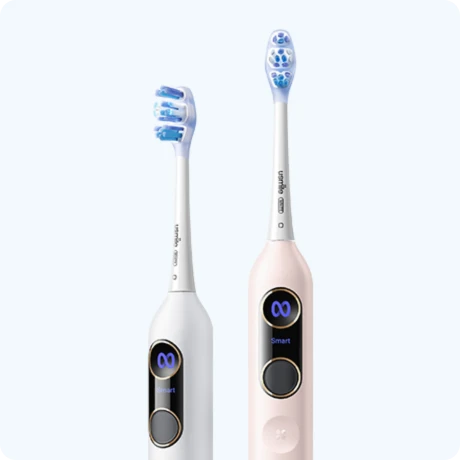
Soft bristles. Non-negotiable. Medium and hard are too rough on young enamel, even if they feel more effective. The head should be small enough to reach the very back molars without forcing it sideways. Replace it every three to four months, or whenever the bristles start fanning out. Something designed for small mouths with a built-in two-minute timer works best, and akids' electric toothbrush makes hitting the full two minutes far less of a nightly argument.
Toothpaste Amount — It Matters More Than You’d Think
Grain-of-rice under three. Pea-sized from three onward. Not a full ribbon across the bristles — just the right amount. More toothpaste does not mean better cleaning. It means more fluoride is being swallowed by kids who haven’t yet learned to spit reliably.
Too much swallowed fluoride over time can affect how permanent enamel develops. It’s not a catastrophe. But it’s easily avoided by just using the correct amount.
Where Most Kids Miss
Watch where your child actually brushes. Front teeth, almost always. They’re visible, easy to reach, and done in seconds. Back molars, inner surfaces, the gumline — skipped. Consistently.
Every session needs to cover the outer and inner surfaces, chewing surfaces, gumline, and tongue. Small circles along the gumline — not hard scrubbing back and forth, which quietly wears enamel and irritates the gum tissue over months and years.
Flossing and Sealants — The Two Steps Most Parents Skip
Start Flossing Earlier Than You Think

Two teeth touching means flossing starts — and that can happen as early as 8 months in some kids. Yes, really. Parents handle it entirely until children have enough coordination to take over, usually around 7 or 8.
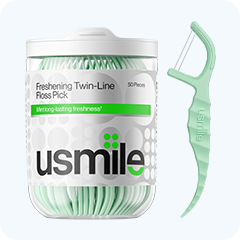
String flossing inside a small mouth is a frustrating experience for everyone involved. Floss picks are far more practical. They reach the back teeth; they’re easier to maneuver, and most kids tolerate them significantly better than they do string.
Dental Sealants — Ask About Them at the Next Checkup
Back molars have grooves that no toothbrush can fully clean, no matter how good your technique is. Sealants are protective coatings applied directly into those grooves to completely seal out bacteria and food.
According to the CDC, sealants can prevent up to 80% of cavities in children's back teeth. One appointment. Painless. Holds for years. Usually recommended when permanent molars come in, around age 6, and again at 12. If your dentist hasn’t mentioned it, you can ask.
Getting Kids to Actually Want to Brush
Give Them a Choice

Kids who pick their own toothbrushes brush more willingly. Simple as that. It’s theirs — their color, their character, their flashing light. Something that matters to a four-year-old but means nothing to an adult. That shift in attitude at toothbrush time is real, and it compounds over weeks. A toothbrush designed for young brushers, with gentle bristles and a two-minute timer, is a good place to start building that habit.
Brush Side by Side, Not Just at Them
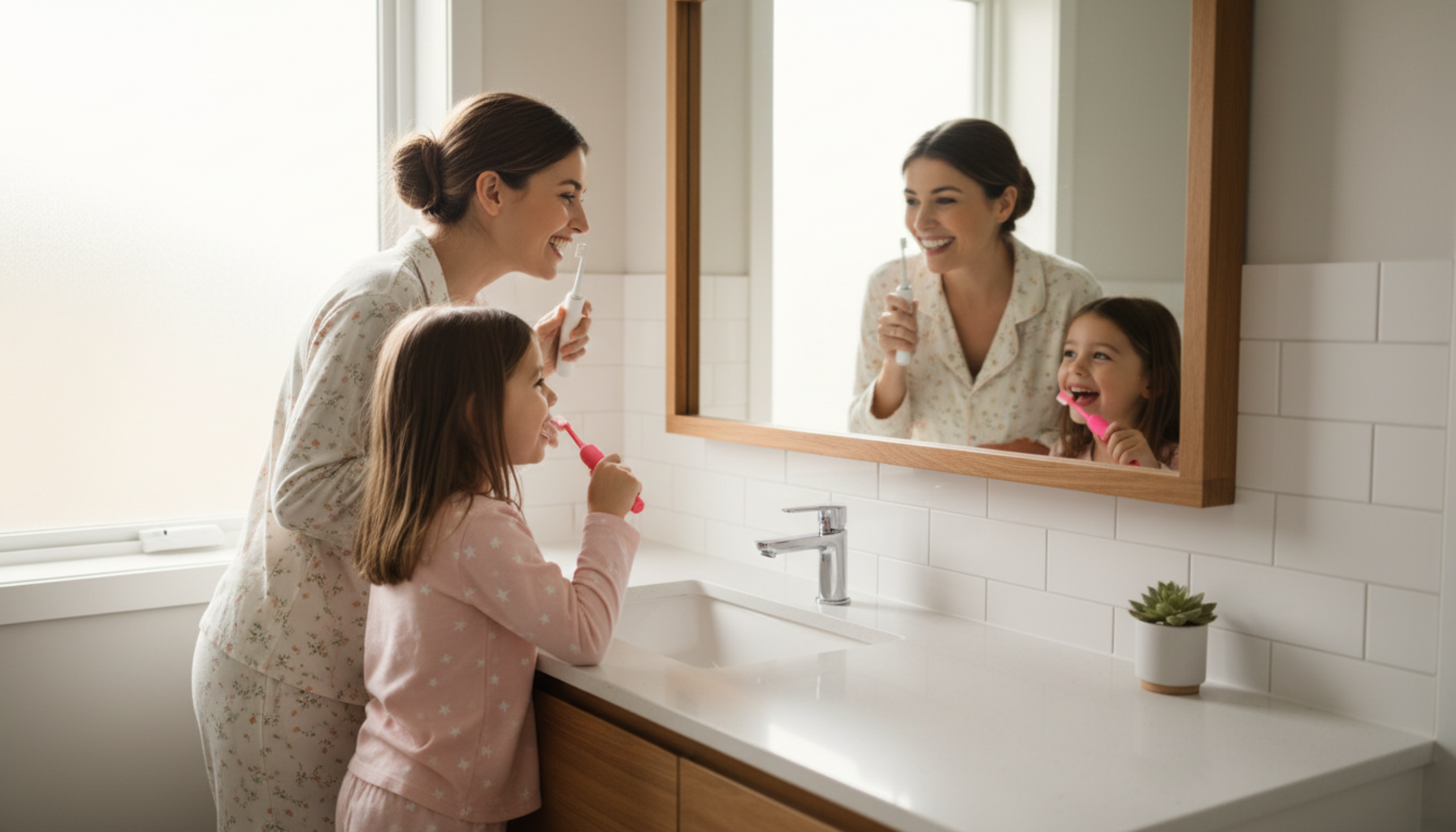
There’s a real difference between standing in the doorway telling a child to brush and standing beside them brushing your own teeth. One produces mixed results. The other makes the whole thing a normal part of life instead of a rule that only applies to them.
It also gives you a natural, low-pressure chance to catch what they’re doing wrong before it becomes a habit. Way easier than a correction session at 9 PM.
A Sticker Chart Still Works
Sounds too simple. Works anyway. One sticker per session for kids aged 3 to 7, redeemable for something small they genuinely want — choosing the weekend film, picking dinner, or a park trip. The prize isn’t the point. Building enough repetitions that brushing becomes automatic before the stickers stop mattering — that’s the point.
Mistakes That Let Cavities Win
Starting the Routine Too Late
Oral care starts before teeth do. Gum wiping at a few months old, brushing from the first tooth — that’s the right order. Waiting until you spot something wrong with a tooth means bacteria have been running unopposed for months.
At that point, you’re not preventing anything. You’re catching up.
Letting Kids Brush Alone Before They’re Ready
Here’s how it plays out constantly: a seven-year-old brushes for 35 seconds, comes out with toothpaste still on their chin, announces they’re done, and everyone moves on. The back teeth weren’t touched. They rarely are when kids brush without any oversight.
Keep doing spot checks. “Can I see?” goes a long way without making it feel like an interrogation. You’ll know within three seconds whether the back teeth got any attention.
Bedtime Bottles With Milk or Juice
Milk or juice sitting against teeth for six to eight hours while a child sleeps is one of the most common causes of early tooth decay. Not the occasional bottle — the nightly habit of it.
If your child needs something at bedtime, water is the only choice that doesn’t sit on the enamel overnight,which can cause damage. Not watered-down juice. Not warm milk. Water. That’s not an opinion — it’s just what the research shows, consistently.
What to Know About Dental Visits
First visit: by the first birthday, or within six months of the first tooth — whichever comes first. Not when something seems off. Before anything does.
Most kids need a checkup every six months after that. Each visit handles what brushing can’t — plaque and tartar that’s built up between cleanings, early decay that wouldn’t be visible to you at home, and a look at how the teeth and jaw are developing. Fluoride varnish and sealants are applied when the timing is right.
And don’t hold off for a scheduled slot if something’s wrong. Tooth pain, swollen or bleeding gums, spots on the enamel, damage from a fall — call the same day. These things don’t resolve on their own.
Conclusion
Consistent beats perfect — every single time. Brush morning and night with the right amount of fluoride toothpaste. Floss the moment teeth touch. Keep juice to mealtimes. Show up to the dentist twice a year, early enough that it feels normal before it feels necessary. And do it alongside your child whenever you can — not at them. A strong kids' oral care routine is really just small habits repeated daily, and that's exactly what uSmile is built to support. As anoral care brand built around how families actually live, uSmile designs tools that make these daily habits easier to stick with at every stage. The right brush helps. The habit you build is what actually protects your child's teeth.
FAQs
1. What is the best oral hygiene routine for children?
Brush twice a day for two full minutes with fluoride toothpaste. Floss once daily when teeth touch. Water instead of juice between meals. Dentist twice a year. Start early and don’t skip nights. That’s honestly all most kids need — nothing more complicated than that.
2. What is the 222 rule for teeth?
Two brushing sessions a day, two minutes per session, two dental visits a year. Easy to remember, and it covers the basics for most children. Kids at higher risk of cavities may need more frequent checkups — the dentist will say so if that applies.
3. What is the 3 3 3 rule for oral hygiene?
Not a standardized guideline — different sources use it differently. Some versions recommend brushing three times a day for three minutes with a brush no more than three months old. For children, the ADA's twice-daily, two-minute standard is the more reliable target.
4. What food kills mouth bacteria?
Nothing you eat will reliably eliminate oral bacteria on its own. Water keeps saliva flowing and rinses food away—cheese and plain yogurt help neutralize acids. Crunchy vegetables like carrots stimulate saliva. But none of that replaces brushing and flossing — it just makes a decent diet a supporting factor, not a substitute.
5. What are the 5 proper steps for oral care?
Brush for two minutes with fluoride toothpaste. Floss between all teeth that are touching. Clean the tongue. Use mouthwash if the dentist has recommended it. Attend a checkup every six months. That’s the full loop.
6. When should I start flossing my child’s teeth?
The moment two teeth are touching — which can happen as early as 8 months in some kids. Parents handle it entirely until the child has enough hand control to manage it themselves, usually around 7 or 8. Floss picks are much easier to work with in a small mouth than string floss.
7. How can I make brushing fun for kids?
Let them pick the toothbrush. Use a two-minute song or timer. Brush at the same time they do, every single day. Sticker chart for ages 3 to 7. A child who watches their parent brush seriously every morning and night will eventually just do it themselves — without being asked. That’s the long game, and it works.
Sources
- CDC – Oral Health Tips for Children
- KidsHealth from Nemours – Keeping Your Child’s Teeth Healthy
- American Dental Association – Healthy Habits for Babies and Kids
- American Academy of Pediatrics – Brushing Up on Oral Health: Never Too Early to Start
- NIH News in Health –Tooth Wisdom
- Henry Ford Health – Teaching Oral Care to Kids: How to Get Started
- Colgate Oral Care Center – Complete Guide to Children’s Dental Health


Looking for something else?
Best Electric Toothbrush for Teens (2026): Top Picks, Tested and Reviewed
LEARN MORE
Best Electric Toothbrush for Gum Disease (2026): 6 Picks Tested for Real Gum Protection
LEARN MORE
Electric Toothbrush on Plane: The Complete Travel Guide (2026)
LEARN MOREBest Sustainable Electric Toothbrush 2026: 5 Picks Tested for a Greener, Healthier Smile.docx
LEARN MORELooking for something else?
Best Sustainable Electric Toothbrush 2026: 5 Picks Tested for a Greener, Healthier Smile
LEARN MORE
Best Cheap Electric Toothbrush (2026): Top 5 Budget Picks That Actually Work
LEARN MORE
Ultrasonic Toothbrush vs Electric: Which Technology Wins for Your Smile?
LEARN MOREYou may also like
usmile Q30 Kids Electric Toothbrush
usmile Q30 Kids Electric Toothbrush Trio Pack
usmile C30SE Portable Dental Flosser
Y10 PRO Electric Toothbrush x C10 Portable Water Flosser
Further reading
The 5 Toothbrushing Spots Kids Miss Most—and How Parents Can Help
The Back-to-School Brushing Reset: A 14-Day Plan for Kids Ages 3–8
Behind usmile D50 OralCam Toothbrush: From Motion Tracking to Visual Intelligence in Oral Care

