











Oral Hygiene: Best Practices & Instructions for Good Routine.
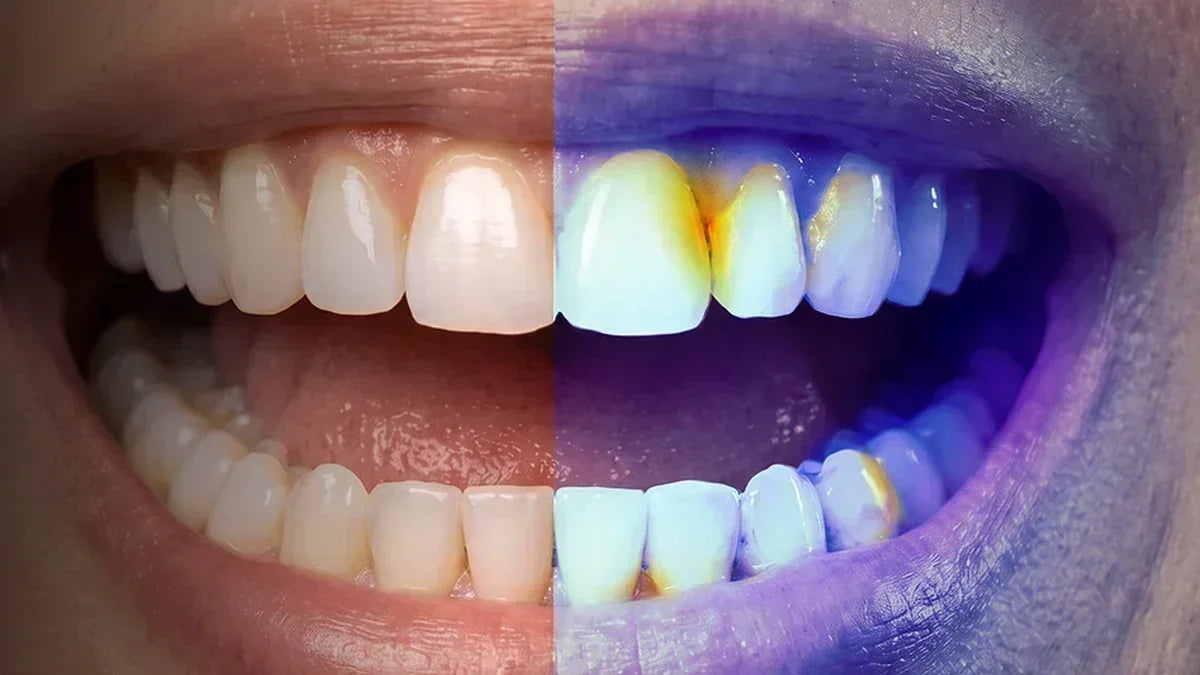
Good oral hygiene is essential for the health of your teeth, gums, and overall oral health. Poor oral hygiene can lead to several oral problems, such as cavities, gum diseases, bad breath, and even tooth loss. That’s why it’s important to maintain good oral hygiene practices throughout your life. This article will guide you through the best practices and instructions for a good oral hygiene routine that should be followed on a daily basis.
Brushing Your Teeth
Brushing your teeth is an essential part of any oral hygiene routine. It helps remove bacteria, food particles and plaque from surfaces in your mouth that can lead to decay and oral diseases. Here are some best practices when brushing your teeth:
– Brush at least twice a day:
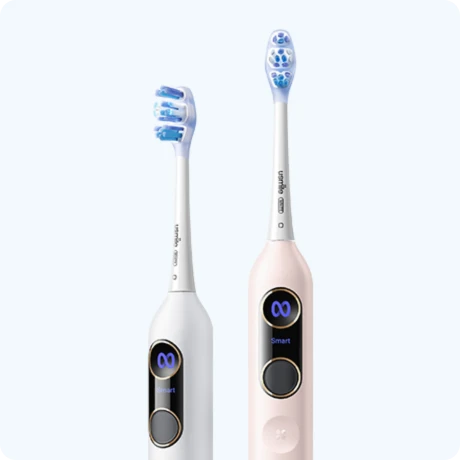
It is highly recommended to brush your teeth after every meal, however, if it isn’t possible, then brush at least twice a day for two minutes each time using an appropriate toothbrush and fluoride toothpaste.
– Use the right technique:
Use a circular motion to move the bristles in small circles around each tooth and also make sure to brush along your gum line. Additionally, be gentle while brushing, as too much force can cause damage to your gums.
– Don’t forget the tongue: Cleaning your tongue helps reduce bad breath and can also remove any bacteria that is on the surface of your tongue.
– Flossing:
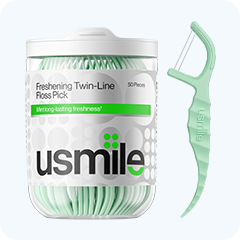
Flossing once a day helps to get rid of food debris and bacteria from in between your teeth and gums.
Other Oral Hygiene Practices
– Use mouthwash:
Using an antibacterial mouthwash once or twice a day can help reduce the number of oral bacteria in your mouth and therefore prevent oral diseases.
– Avoid sugary foods:
Sugary snacks should be avoided as much as possible, as they increase the risk of cavities and oral infections.
– Stay hydrated:
Drinking enough water helps to keep your mouth clean by washing away food debris and bacteria from surfaces in your mouth.
– Get regular dental checkups:
Regular dental checkups are essential for assessing oral health and detecting any problems early on.
Conclusion
Following good oral hygiene practices is essential for maintaining oral health. These include brushing twice a day, using an appropriate toothbrush, flossing regularly, using mouthwash, avoiding sugary foods, and getting regular dental checkups. By following these practices and instructions, you can keep your oral health in good condition and reduce the risk of oral diseases and oral infections.
A1: It is recommended to brush your teeth twice a day for two minutes each time using an appropriate toothbrush and toothpaste with fluoride.
A2: Yes, flossing once a day helps to remove food debris and bacteria from in between your teeth and gums, which can cause oral diseases if not removed.
A3: Yes, using mouthwash can help reduce oral bacteria and therefore prevent oral diseases.
source:Emmy Dental


Looking for something else?
Best Electric Toothbrush for Gum Disease (2026): 6 Picks Tested for Real Gum Protection
LEARN MORE
Electric Toothbrush on Plane: The Complete Travel Guide (2026)
LEARN MOREBest Sustainable Electric Toothbrush 2026: 5 Picks Tested for a Greener, Healthier Smile.docx
LEARN MORE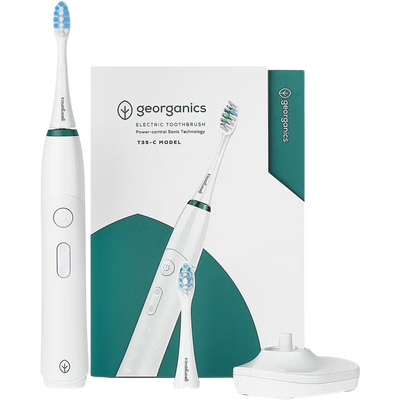
Best Sustainable Electric Toothbrush 2026: 5 Picks Tested for a Greener, Healthier Smile
LEARN MORELooking for something else?
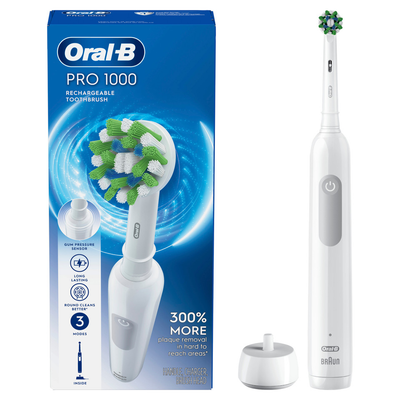
Best Cheap Electric Toothbrush (2026): Top 5 Budget Picks That Actually Work
LEARN MORE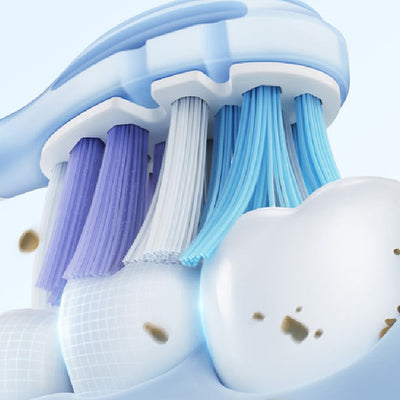
Ultrasonic Toothbrush vs Electric: Which Technology Wins for Your Smile?
LEARN MORE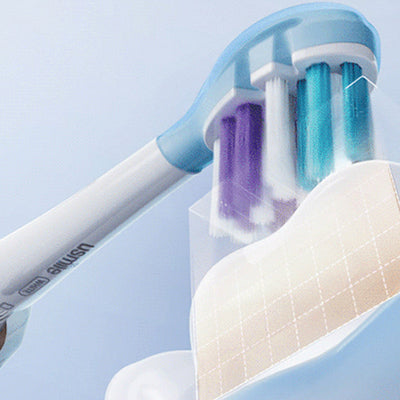
Best Electric Toothbrush for Sensitive Teeth (2026) — 5 Tested
LEARN MOREYou may also like

usmile P10 S Electric Toothbrush

usmile Q30 Kids Electric Toothbrush

usmile C30SE Portable Dental Flosser

usmile Q30 Kids Electric Toothbrush Trio Pack


Y10 PRO Electric Toothbrush x C10 Portable Water Flosser
Further reading
Plaque, Stains, or Food Debris? How to Interpret What a Toothbrush Camera Shows
The 5 Toothbrushing Spots Kids Miss Most—and How Parents Can Help
The Back-to-School Brushing Reset: A 14-Day Plan for Kids Ages 3–8