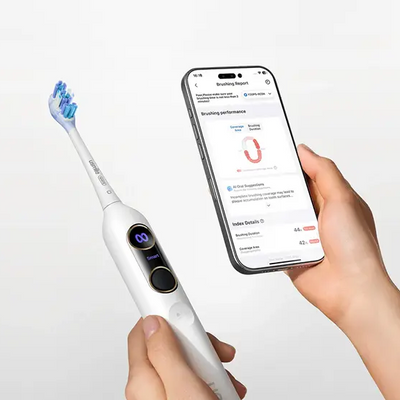


Close-up views of layered toothbrush bristles and dual circular brush-head components
Dental & Gum HealthJun 13, 2025Translation missing: en.blog.post.reading_time

Common Dental Problems: Symptoms, Causes, and Prevention Tips

Whether balancing career demands, family responsibilities, or academic pressures, common dental issues can silently impact quality of life. This guide breaks down the most prevalent dental problems in this age group—tooth decay, gingivitis/periodontitis, tooth sensitivity, and canker sores—with clear insights into symptoms, root causes, and actionable prevention strategies tailored for everyone lifestyles.

1. Tooth Decay (Cavities)

Symptoms

Early-stage decay may show no symptoms, but as it progresses, you might notice:


  • White/brown spots on tooth surfaces
  • Visible holes (cavities) in teeth
  • Sharp pain from hot/cold foods or sweet snacks
  • Toothache or swelling in severe cases

Causes

Tooth decay occurs when oral bacteria (like Streptococcus mutans) feed on dietary sugars, producing acids that erode tooth enamel. Key risk factors for 20-45-year-olds in the US/Canada include:


  • High consumption of sugary drinks (soda, energy drinks), desserts, and refined carbs (white bread, pastries)
  • Inconsistent oral hygiene leading to plaque buildup
  • Infrequent dental check-ups allowing early decay to progress

Prevention Tips

✅ Limit sugary foods & drinks: Opt for sugar-free alternatives and rinse your mouth after consuming sweets.
✅ Brush correctly: Use a fluoride toothpaste twice daily for 2 minutes, following the Bass method to clean all tooth surfaces.
✅ Floss daily & use antimicrobial mouthwash: Remove plaque from between teeth and consider a fluoride mouthwash to strengthen enamel.
✅ Schedule biannual dental visits: Professional cleanings and exams catch early decay before it worsens.

2. Gingivitis & Periodontitis (Gum Disease)

Symptoms

  • Gingivitis: Swollen, red gums that bleed easily (e.g., while brushing/flossing), bad breath, or tender gums.
  • Periodontitis (advanced stage): Receding gums, loose teeth, deep "pockets" between gums/teeth, and persistent bad breath.

Causes

Gum inflammation starts with plaque buildup along the gum line. Contributing factors for busy adults:


  • Poor oral hygiene (inadequate brushing/flossing)
  • Aggressive brushing with hard-bristle toothbrushes
  • Hormonal changes (pregnancy, menopause) increasing gum sensitivity
  • Smoking/drinking (smoking reduces blood flow, impairing gum healing)
  • Underlying health conditions (diabetes, heart disease)

Prevention Tips

✅ Maintain strict oral hygiene: Brush gently with a soft-bristle or electric toothbrush, floss daily, and get professional cleanings annually.
✅ Upgrade your tools: Try electric toothbrushes for better plaque removal and replace brushes every 3 months.
✅ Quit smoking & moderate alcohol: Both habits worsen gum inflammation—quitting can reverse early gum disease.
✅ Boost nutrition: Eat vitamin C-rich foods (citrus, bell peppers) and vitamin D (salmon, almonds) to support gum health.

3. Tooth Sensitivity

Symptoms

Sharp, brief pain when consuming:


  • Hot/cold foods/drinks
  • Sweet/sour snacks (e.g., citrus, chocolate)
  • Pain while brushing, especially on tooth roots or worn enamel areas

Causes

Sensitivity arises from exposed dentin—the porous layer beneath enamel. Common triggers for 20-45-year-olds:


  • Over-brushing or using hard bristles (causes enamel wear and gum recession)
  • Frequent consumption of acidic foods (coffee, wine, pickled foods) eroding enamel
  • Teeth grinding (bruxism), often stress-related, leading to enamel loss
  • Age-related gum recession exposing tooth roots

Prevention Tips

✅ Switch to soft-bristle brushes: Brush gently in circular motions to avoid enamel erosion.
✅ Limit acidic diets: Wait 30 minutes after eating acid-rich foods before brushing to protect enamel.
✅ Use desensitizing toothpaste: Look for brands with potassium nitrate to block nerve signals.
✅ Treat bruxism: Wear a nightguard if you grind teeth, available over-the-counter or custom-fitted by dentists.

4. Canker Sores (Aphthous Ulcers)

Symptoms

  • Small, painful ulcers on the tongue, inner cheeks, or gums
  • White/yellowish center with red borders
  • Pain worsening with eating, speaking, or drinking hot/spicy foods

Causes

The exact cause is unclear, but common links for stressed adults include:


  • Chronic stress weakening the immune system
  • Nutrient deficiencies (vitamin B12, folate, iron, zinc)
  • Mouth injuries (biting cheeks, rough dental work, or abrasive toothbrushes)
  • Hormonal fluctuations (common in women during menstruation)
  • Food allergies (e.g., chocolate, nuts, acidic foods)

Prevention Tips

✅ Manage stress: Practice yoga, meditation, or mindfulness—even 10 minutes daily can reduce flare-ups.
✅ Eat a balanced diet: Include leafy greens, lean meats, and legumes to boost B vitamins and minerals.
✅ Avoid trigger foods: Limit spicy, salty, or acidic foods when ulcers are active; test for food allergies.
✅ Protect oral tissues: Use soft-bristle brushes, check denture fit, and avoid sharp foods (crunchy chips) that can scratch gums.

Looking for something else?

Hands holding a usmile electric toothbrush and a smartphone displaying a brushing report

White Spots on Kids' Teeth: Causes, Treatment, and Prevention

LEARN MORE

Smiling child holding a usmile electric toothbrush with voice guidance to brush upper left teeth for 30 seconds

Toddler Breath Smells? Causes, Fixes, and When to Worry

LEARN MORE
Young child brushing their teeth with an electric toothbrush at a bathroom sink

When Do Permanent Teeth Come In? A Parent's Guide

LEARN MORE
Close-up of blue-and-white toothbrush bristles with text about gentle gum care and plaque removal

6 Year Molars Brushing: How to Care for Your Child's New Back Teeth

LEARN MORE

Read more from Blogs

Looking for something else?

Mother and daughter brushing their teeth together with electric toothbrushes at a bathroom sink

Kids' Oral Care Routine: A Simple Guide for Healthy Teeth and Gums

LEARN MORE

Mother and young child holding mouthwash and an electric toothbrush in a bathroom

Can Kids Use Mouthwash? What Parents Should Know

LEARN MORE
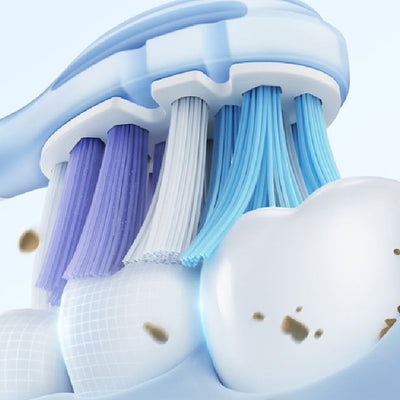
Close-up illustration of blue toothbrush bristles removing debris from between teeth

Soft or Medium Toothbrush — Which One Is Actually Safer for Your Teeth?

LEARN MORE

Read more from Blogs