








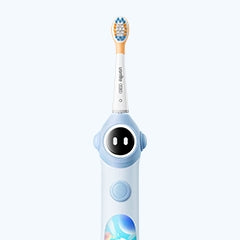



5 Essential Tips to Travel with Your Electric Toothbrush Mess-Free
Traveling with your electric toothbrush doesn't have to mean dealing with messy leaks, tangled cords, or bulky cases. Whether you're jetting off for a weekend getaway or a month-long adventure, these expert tips will keep your oral care routine on track while protecting your luggage and belongings.
1. Choose the Right Travel Case: Protection Meets Practicality
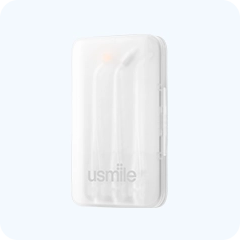
The foundation of mess-free travel starts with a high-quality travel case designed for electric toothbrushes. Look for options with these key features:
- Waterproof and Dustproof Materials: Cases made from silicone, hard plastic, or neoprene prevent residual moisture from leaking onto clothes or electronics.
- Built-in Compartments: Separate slots for the brush head, handle, and charging base keep components organized and reduce friction that could damage surfaces.
- Ventilation Design: Cases with air holes let brushes dry faster, minimizing mold risk from damp environments.
Pro tip: Prioritize lightweight, compact designs that fit easily into carry-ons—ideal for frequent flyers or road trippers!
2. Prep Your Toothbrush Before Packing: Clean, Dry, and Secure
A little pre-trip maintenance goes a long way:
- Deep Clean: Wipe down the handle with a mild disinfectant wipe (avoid alcohol-based products on plastic surfaces). Remove the brush head, rinse thoroughly, and let it air-dry completely.
- Detach and Store Separately: Unscrew the brush head from the handle to prevent accidental button presses that might drain the battery. Use a small ziplock bag for the head to keep it hygienic.
3. Manage Batteries and Chargers Smartly
No one wants a dead toothbrush mid-trip. Follow these hacks:
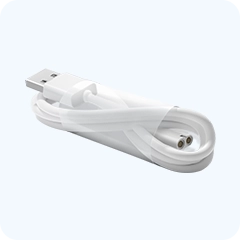
- Charge Fully Before Departure: Most electric toothbrushes last 1-2 weeks on a full charge—perfect for short trips. For longer journeys, pack the charging cable but avoid bulky adapters; opt for a universal USB charger instead.
- Use a Mini Power Bank: Pair your charger with a compact power bank (under 5,000 mAh) to juice up on the go—great for camping or destinations with limited outlets.
- Label Cables: Keep charging cords tangle-free with a small organizer pouch labeled "Toothbrush Charger" to avoid mix-ups with phone cables.
- 180-Days long-lasting runtime:
4. Pack Strategically: Placement Matters
Where you store your toothbrush kit can make or break a mess-free trip:
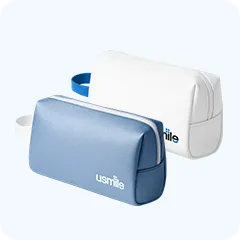
- Dedicated Toiletry Bag: Use a water-resistant pouch with a separate compartment for your toothbrush case. Keep it upright to prevent any residual water from spilling.
- Avoid Overstuffing: Leave a little breathing room in your case—cramped brushes might press against the power button or trap moisture.
- Layer with Absorbents: Tuck a small microfiber cloth or paper towel inside the case to soak up any leftover drops from the last use.
5. Post-Trip Care: Keep It Fresh for Next Time
Once you reach your destination (and when you return home!):
- Air Out the Case: After unpacking, leave the case open for 30 minutes to let any trapped moisture escape.
- Sanitize Regularly: Every few trips, wash the interior of your case with mild soap and warm water—especially if you've been in humid climates.
- Check for Wear and Tear: Inspect charging ports for lint or debris and replace brush heads if they show signs of fraying (most dentists recommend every 3 months).
Bonus: Top Travel-Ready Electric Toothbrushes for 2025
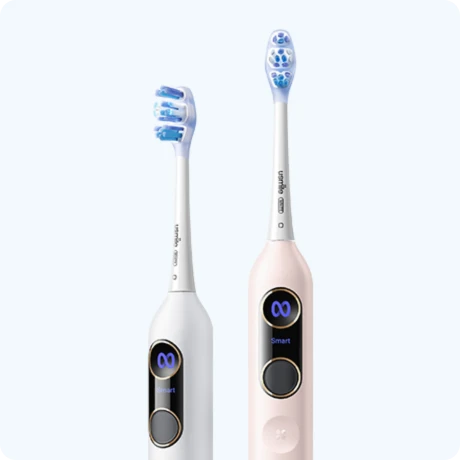
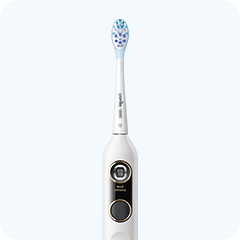
Say goodbye to bulky chargers and daily recharging(like this usmile Y10PRO/Y20PRO).
-
180-Day Long-lasting Power – Just one full charge lasts up to 6 months, ideal for long trips or frequent travel.
-
Universal USB-C Charging – Compatible with your phone or laptop charger. No need to pack extra cables or a charging base.
-
Quick 4–5 Hour Charge – Fully powered and ready for adventure in just a few hours.
-
6× Longer Battery Life – Compared to regular electric toothbrushes, it keeps going while others stop.


Looking for something else?
Best Electric Toothbrush for Gum Disease (2026): 6 Picks Tested for Real Gum Protection
LEARN MORE
Electric Toothbrush on Plane: The Complete Travel Guide (2026)
LEARN MORE
Liquid error (snippets/recommend-article line 11): invalid url input
Best Sustainable Electric Toothbrush 2026: 5 Picks Tested for a Greener, Healthier Smile.docx
LEARN MORE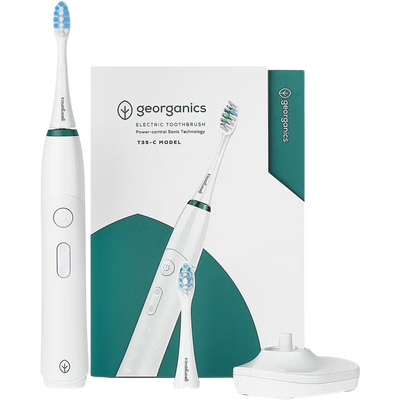
Best Sustainable Electric Toothbrush 2026: 5 Picks Tested for a Greener, Healthier Smile
LEARN MORELooking for something else?
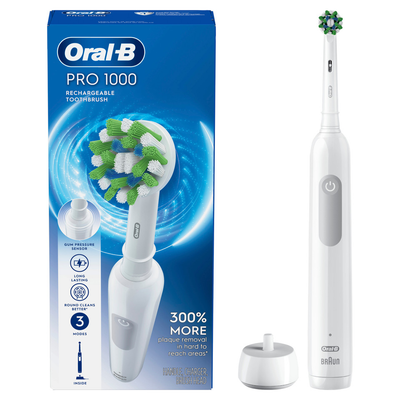
Best Cheap Electric Toothbrush (2026): Top 5 Budget Picks That Actually Work
LEARN MORE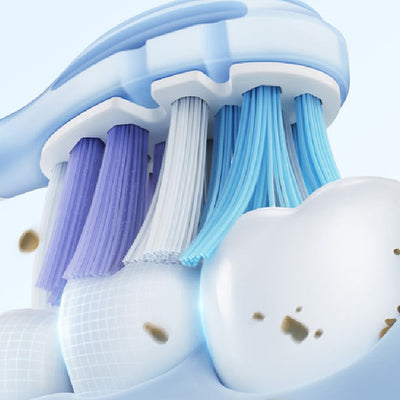
Ultrasonic Toothbrush vs Electric: Which Technology Wins for Your Smile?
LEARN MORE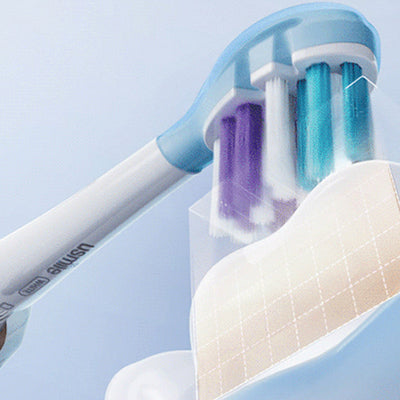
Best Electric Toothbrush for Sensitive Teeth (2026) — 5 Tested
LEARN MOREYou may also like
usmile Y20PRO Adults Toothbrush x Q30 Kids Toothbrush
$179.99
$233.95
usmile C30 Water Flosser Toiletry Bag Pack
$145.99
$225.99
Further reading
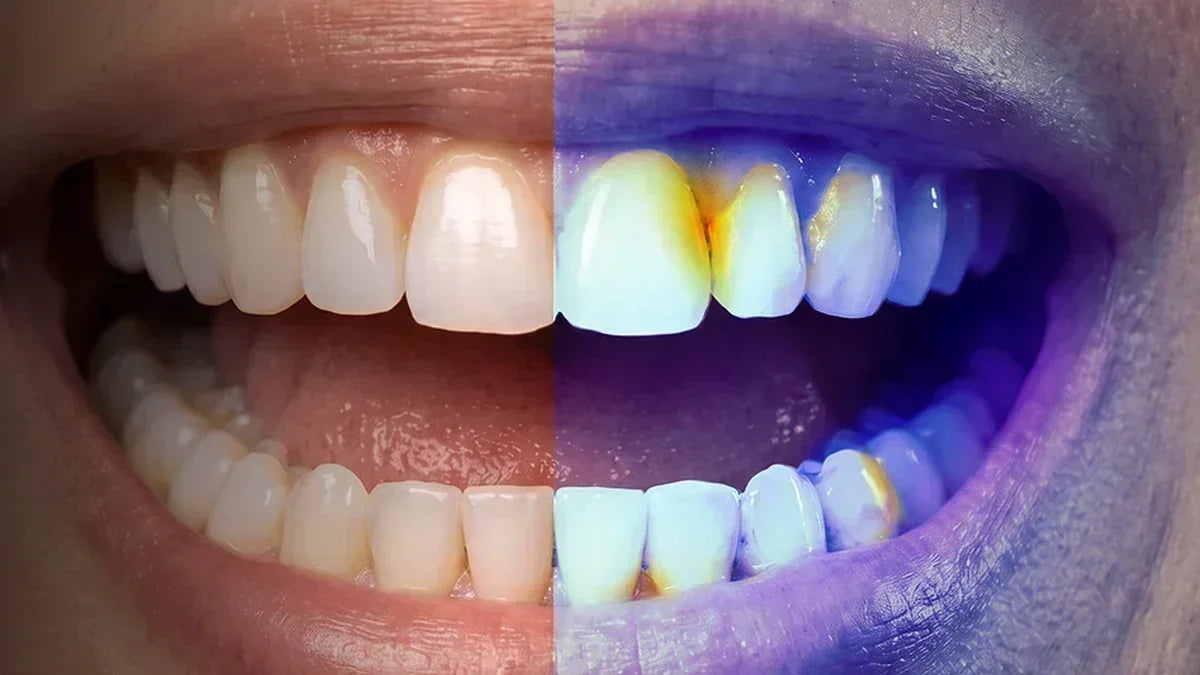
Plaque, Stains, or Food Debris? How to Interpret What a Toothbrush Camera Shows
Quick answer: A toothbrush camera can help locate and compare areas that deserve attention. A color, glow, or enlarged image alone cannot identify plaque, stain, food debris, tartar, decay, or a c...
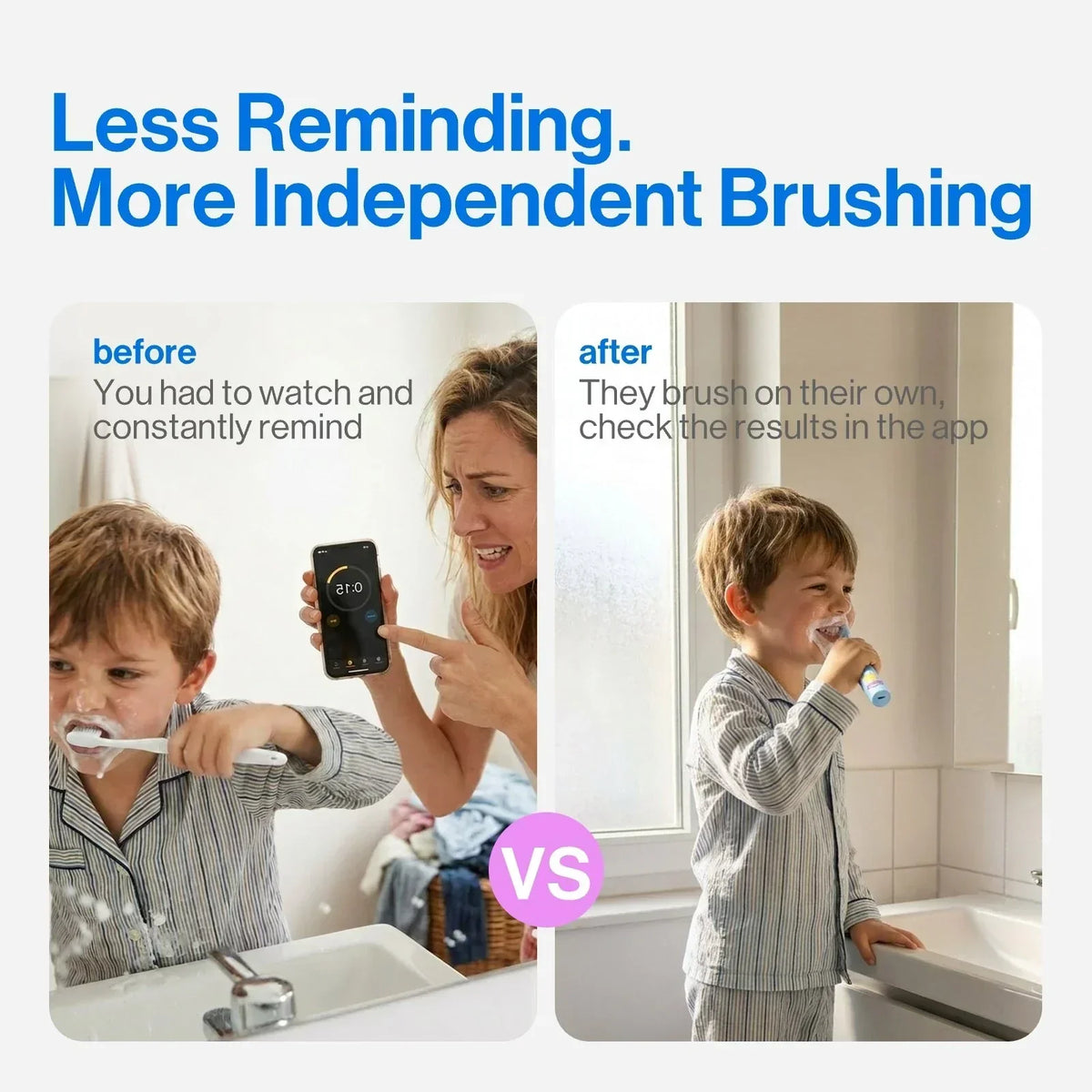
The 5 Toothbrushing Spots Kids Miss Most—and How Parents Can Help
Your child brushed for two full minutes. The timer ended, the toothpaste foamed and the toothbrush looked busy. But did every tooth actually get attention? For many children ages 3–8, the challenge...
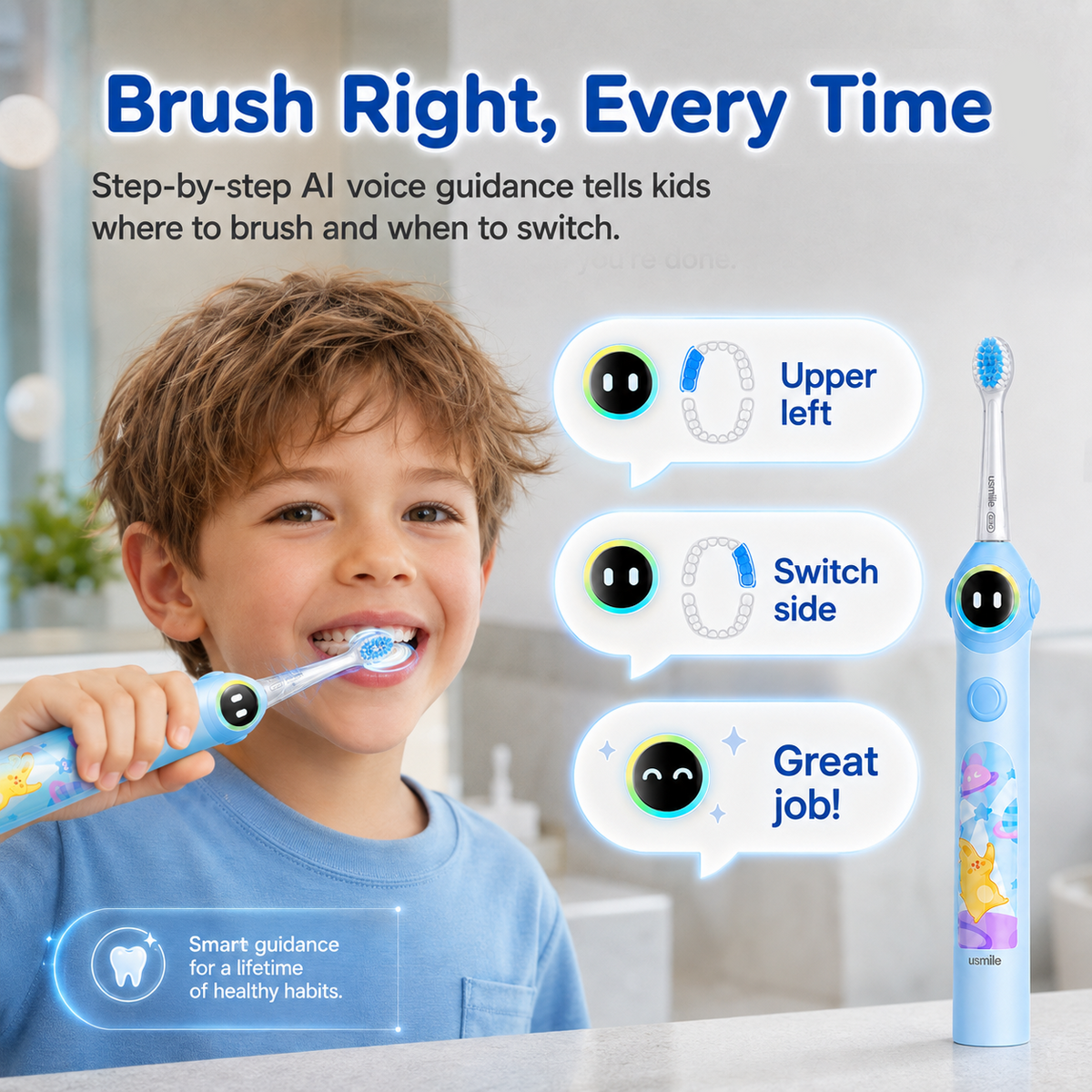
The Back-to-School Brushing Reset: A 14-Day Plan for Kids Ages 3–8
September changes the rhythm of a household. Wake-up times move earlier, breakfasts become faster, after-school activities return and bedtime can feel compressed. In that transition, children may ...

Behind usmile D50 OralCam Toothbrush: From Motion Tracking to Visual Intelligence in Oral Care
After six years of development, the oral-care company has combined fluorescence imaging, tooth-level recognition, motion sensing and on-device computing into a technology platform designed to show...
