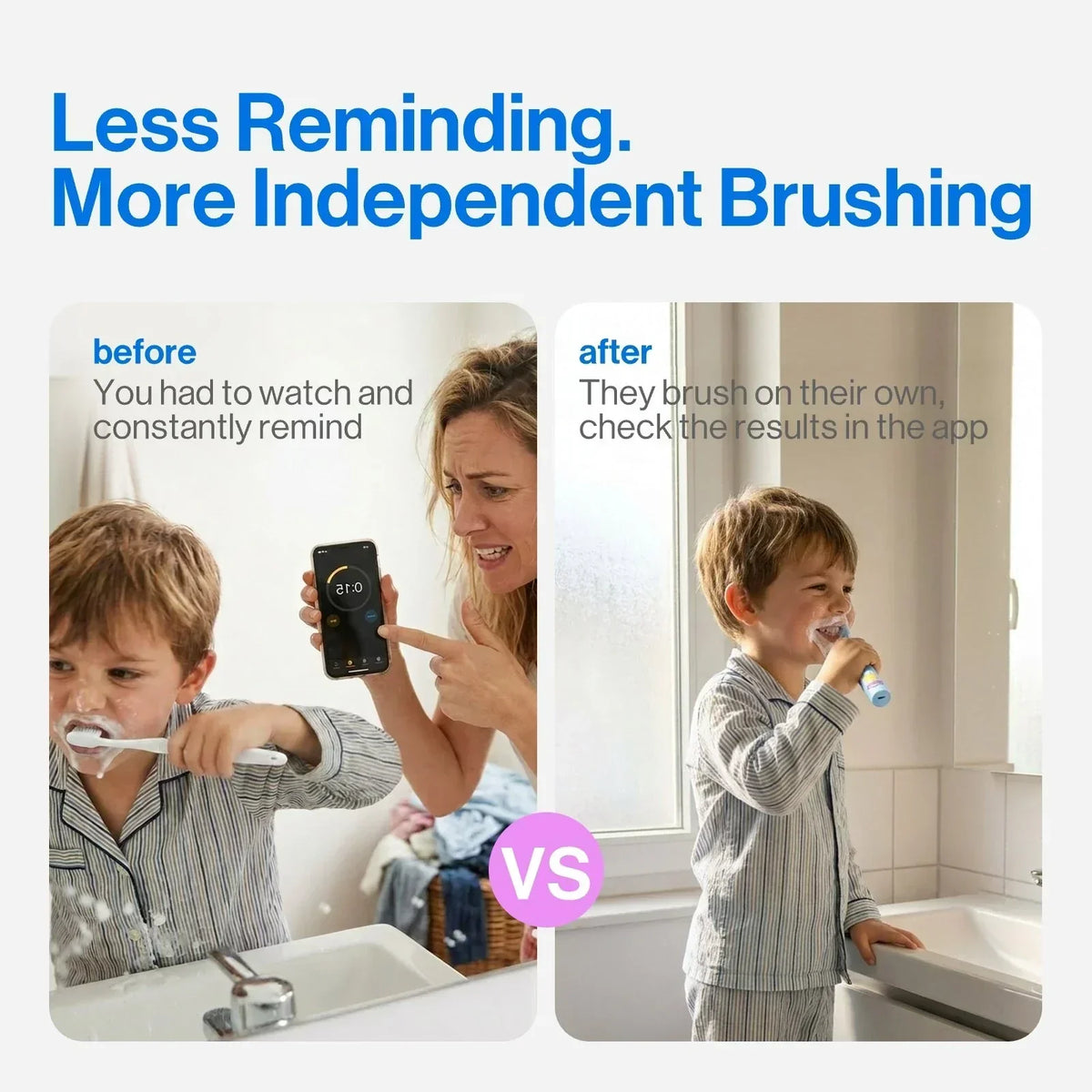






How to Make Brushing Teeth Fun for Kids Without Daily Battles
It's 9 pm. Pajamas are on. Somehow, the toothbrush still hasn't been anywhere near a mouth.
And now it's a whole thing.
Every parent has some version of this. The bedtime brushing standoff is practically a rite of passage. But it doesn't have to stay that way — and as a brand built around advanced oral care solutions, uSmile knows the difference between families who struggle to brush every night and those whohave moved past it. Here's what actually works.
Why Kids Often Resist Brushing Their Teeth
Worth figuring out the real reason before you try anything. 'They're just being difficult' is rarely actually the answer.
It's Boring. That's Genuinely It.
Two minutes. Standing still. Someone is pushing a wet brush around your mouth. Zero entertainment value — especially when your kid was mid-Lego-build or in the middle of something good on TV.
This isn't defiance. It's a reasonable response to something dull. Make those two minutes less boring, and the resistance drops on its own.
Control — That's the Real Issue
Somewhere around age two or three, kids realize they have opinions. Strong ones. Brushing lands squarely in the 'thing I didn't choose and cannot escape' category, and that combination is basically a guarantee of pushback.
You don't need to give them a way out. Give them a sliver of ownership instead — their brush, their flavor, their song. Small stuff. Surprisingly effective.
Sometimes It's Actually Physically Uncomfortable
This one gets skipped over constantly. Certain bristle textures, strong mint, the foam — these can be genuinely unpleasant, especially for kids with sensory sensitivities.
If your child gags or gets noticeably distressed every single time — not just now and then, but every time — this is probably the real problem. Switch to a softer brush, try a milder paste. The problem is often solved.
Start With the Right Brushing Routine

Quick note before the fun stuff. All the games and sticker charts in the world work better when there's a consistent routine underneath them.
The Actual Goal: Two Minutes, Twice a Day
Twice a day, two full minutes each, fluoride toothpaste. That's the ADA recommendation, and it's the baseline everything else builds on.
Here's what most parents don't realize: the average kid brushes for about 45 seconds. So when we talk about making brushing more fun, we're really about filling in those missing 75 seconds without a fight.
Toothpaste Amount — Yes, This Matters
Under three: a smear the size of a grain of rice. Ages three to six: a pea-sized blob. That's the whole formula. Too much paste creates a mouthful of foam that overwhelms kids and makes brushing feel awful. You'd hate it too. Just use less.
Plan to Help Longer Than You Think
Hand coordination for brushing every surface properly doesn't fully develop until around ages 7 or 8. So yes, you're going to be following up after your kid brushes for a while — and that's normal. Frame it right, though: "I'll get the very back ones" works. "You missed spots" does not—same result, completely different energy.
Let Your Child Pick Their Toothbrush and Toothpaste

One of the most consistently effective things you can do is to take three minutes at the store.
Actually, Let Them Pick the Brush
Bring them. Let them choose. Dinosaur, princess, neon blue, whatever they want — as long as it has soft bristles and a small head, you're fine. Kids are remarkably consistent about using things they chose themselves. That's genuinely most of the trick right there.
Flavor Makes More Difference Than You'd Expect
Mint is often too sharp for young children. Strawberry, bubblegum, watermelon — much easier to sell. Give your kid two pre-approved options (both should carry the ADA Seal of Acceptance, which confirms the fluoride level is right) and let them pick. That one change has turned around brushing resistance in households that tried everything else first. Seriously underrated.
Electric Toothbrushes Are Worth Considering

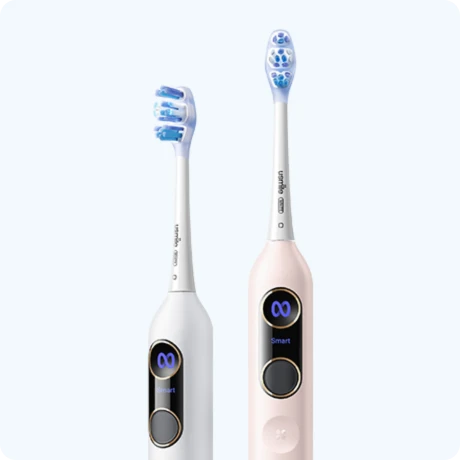
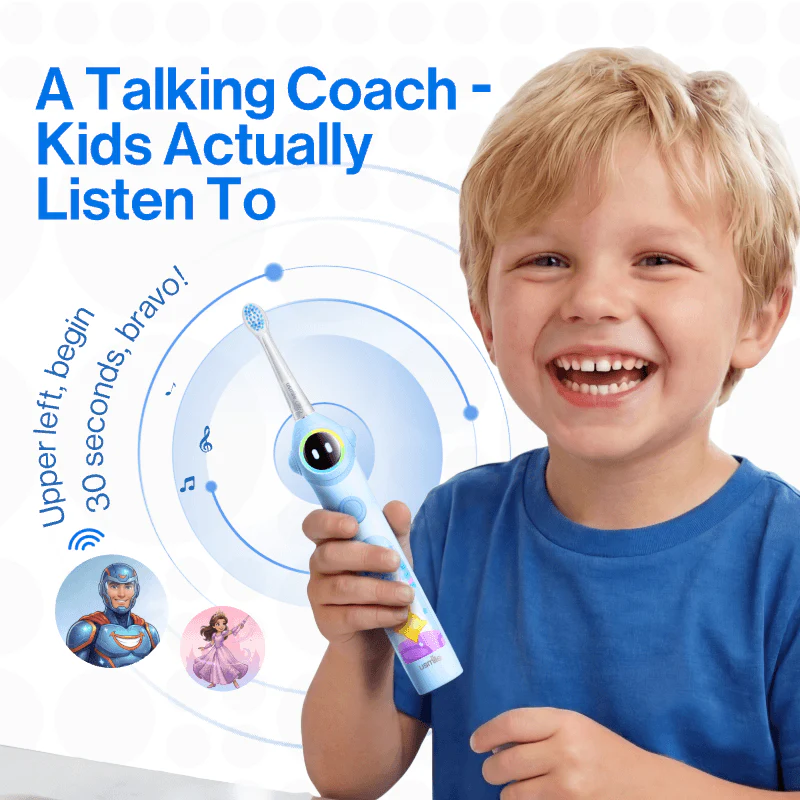
For kids over three, a kids' electric toothbrushoffers something a manual toothbrush just doesn't: novelty. The buzz gets kids interested. And since electric brushes actually clean more effectively, you're not trading compliance for quality — you're getting both.
Turn Brushing Time Into a Game

This is the section where most parents find their breakthrough. Give kids something actually to do during those two minutes, and brushing stops being something to survive.
Sugar Bugs — Still the Best Game Going
Your kid's mouth is full of invisible sugar bugs. Only the toothbrush can wipe them out. You narrate it live: "Got the top ones — the sneaky ones are hiding way in the back!"
Call total victory at the two-minute mark. Loudly. Maybe add a victory lap around the bathroom.
Pediatric dentists have been recommending this game for decades. There's a reason for that.
Superhero Mouth Mission

Four zones: front teeth, back molars, upper arch, lower arch. Cavity monsters incoming. Your kid is the only one who can stop them. The toothbrush is the weapon.
Sound effects are mandatory here. The more ridiculous you sound, the longer they brush without noticing. That's just how it works.
Red Light, Green Light
Green light: brush. Red light: pause. Keep the green stretches long and the pauses short. Kids focus entirely on listening for your call and stop thinking about how much time is passing. Simple game. Legitimately effective.
Mirror Copy Challenge
You do the top left, they copy you. You move to the front teeth, and they follow. No setup, no materials. Brushing becomes something you're doing together instead of something happening to them — and that framing shift matters more than you'd think.
Use Music, Timers, and Brushing Apps

The countdown clock is the real enemy. Replace it with something that makes time disappear.
One Song, Every Session
Their song. Close to two minutes. Same song, every time. When it ends, brushing ends. That's the whole system — no timer needed, no negotiation, no "are we done yet."
If your kid starts requesting the brushing song outside of brushing time, you've won.
Sand Timers Beat Phone CountDowns for Young Kids
There's something about watching sand physically fall through a timer that a screen just can't replicate for the four-to-six crowd. Give them the timer to hold. Suddenly, they're running the clock instead of enduring it. Works almost every time with this age group.
Brushing Apps for the Screen-Motivated Ones
Brush DJ plays your kid's own music for exactly two minutes. Toothsavers wraps the whole thing in a fairytale adventure with points and challenges. Not every child needs an app, but for thosemotivated by games and screens, these apps help close the gap between "I don't want to" and "just one more turn."
Build a Simple Reward System

Rewards aren't a bribe. They're how habits form in early childhood. Use them without overthinking it.
Sticker Chart — Simpler Is Better
Chart on the bathroom wall. One sticker per session, no conditions attached. You're building the habit of showing up, not grading the quality of their brushing.
A full chart by Friday is its own reward for most kids under seven. Keep the system boring-simple, and it works.
The Reward Doesn't Need to Be Big
Extra screen time. Picking dinner. Three nights of choosing the bedtime story. Something small from the dollar section at week's end. What matters is your kid genuinely wants it — and that changes as they get older. A reward that worked perfectly at four often stops landing at six. Update it accordingly.
One Thing to Watch Out For
Don't tie the brushing chart to unrelated behavior. Don't take stickers away as a consequence for something else entirely. The second brushing takes on extra emotional weight — even indirectly — the resistance comes roaring back. Keep it completely separate: show up, get a sticker, done.
Brush Together as a Family
The most underrated strategy on this entire list. Kids copy what they see the adults around them do. Brushing together normalizes it in a way that no explanation ever fully achieves.
Brush Beside Them Every Day

Not occasionally — every morning, every night, right next to them. When brushing is a shared family activity rather than a solo enforced task, the whole framing changes. The toothbrush from uSmile for young brushersfeatures a soft sonic brush head sized for children's teeth and gums, making it a solid choice for families who want proper, age-appropriate equipment at every stage — not just an upgrade for the kid. Model the routine consistently, and it builds itself.
The Follow-Up Technique — Get the Wording Right
They go first. You follow up. But the words matter: "I'll get the back ones" is teamwork. "You missed spots" is criticism: same action, completely different response from your child. The teamwork version works. The corrected version doesn't.
Silliness Is a Legitimate Parenting Strategy
A face in the mirror. An unnecessary dance move. An extremely serious post-brush inspection that concludes with a loud "officially spotless." These cost nothing and build a genuinely positive association with brushing over time. Don't skip it. Stack enough of those goofy little moments together — month after month, year after year — and one day you realize your kid actually walks to the bathroom sink without being asked.
What to Do When Your Child Still Refuses
Some kids hold out through all of the above. If you've genuinely tried several weeks of games, songs, and sticker charts with no real movement, here's where to go next.
Two Choices — Neither One Skips Brushing
"Bathroom or kitchen mirror tonight?" "Blue brush or the red one?" They pick, they cooperate, you move on. It's not a real choice — but children feel a sense of control, and that feeling is genuine enough. Works more often than it has any right to.
Change the Location Entirely
If the bathroom has become a stress trigger, just leave it—the hallway mirror, the kitchen sink, even outside, once, on a good evening. The environment holds the anxiety. Change the environment, and the brushing often follows without any fight at all.
Start at Thirty Seconds and Build Up
For a strongly resistant kid, thirty seconds beats a five-minute standoff every time. Start there. Add fifteen seconds every few days. A short, calm brush gets the job done better than a perfect two-minute session that never happens because the battle derailed it.
Bring a Dentist Into It
Genuinely, a pediatric dentist complimenting your child's brushing does something that parents cannot replicate. Hearing "wow, you've been keeping these really clean" from a dental professional sends kids home motivated in a completely different way. If nothing else has worked after a real, sustained effort, book the visit. Most pediatric dentists have seen this exact situation a hundred times and have specific, practical advice for it.
Quick Brushing Routine by Age
A fast reference for what to expect at each stage:
|
Age |
Toothpaste Amount |
Who Brushes? |
Tips |
|
Under 3 years |
Rice-grain smear |
Parent only |
Getting used to the routine matters most at this stage |
|
3 – 6 years |
Pea-sized amount |
Child tries; parent finishes |
Let them choose brush and flavor; songs and timers work well |
|
6 – 9 years |
Pea-sized amount |
Child brushes with check-in |
Sticker charts, apps, and games still carry real weight here |
|
9+ years |
Pea-to-standard |
Child brushes independently |
Fold into routine; occasional check-in is plenty |
Conclusion: Stay Consistent, Keep It Low Drama
No single trick works for every family. The household that swears by the two-minute song rule has neighbors whose kid only came around once they got to pick a toothbrush shaped like a shark. Someone else's whole situation shifted after one good dentist visit. Every child is different, and the fix is different every time.
Pick something from this list. Give it a week. If it sticks, keep going. If not, try the next thing.
Most parents who've made it through the brushing-battle phase say the same thing when you ask them later: it doesn't last forever. Keep the routine consistent, keep the drama to a minimum, and give the habit time to build on its own. It will.
FAQs
What is the 3 3 3 rule for brushing teeth?
South Korea's national dental health campaign. The idea is to brush three times daily, within three minutes of finishing a meal, for three minutes per session. It's been embedded in Korean school culture for decades and is well-documented in Korean dental health research. In the US, the ADA recommends brushing twice a day for 2 minutes — simpler and just as effective for most people. Your child's dentist is the right person to ask about frequency if you're thinking about changing things up.
How do you turn brushing teeth into a game?
Sugar bugs, superhero missions, red light/green light, mirror copy challenges — none of these need any equipment or setup. Pick one and try it tonight. The entire goal is to give your kid something to actually do during those two minutes instead of just waiting for them to be over.
How do you motivate kids to brush their teeth?
Give them small choices. Brush beside them so it looks like a normal family activity, not a chore they have to do alone. Use a sticker chart with something real at the end. Start the routine early and keep it genuinely low-drama. Guilt and pressure make brushing harder — reliably, every time. Consistency and calm positivity are the actual tools.
How can I make brushing your teeth more fun?
A song they chose. A sand timer. A brushing app. A toothbrush they picked out at the store. Toothpaste in a flavor they actually like. Everyone brushes together at the same time. You don't need all of these at once — start with whichever sounds most realistic for your household and layer in more from there.
What is the 2-2-2rule for brushing teeth?
It's a memory tool: brush twice a day, two minutes each session, see the dentist twice a year. Not an official ADA designation by that name, but it maps directly onto standard dental care guidance. Easy enough to teach kids directly. If your child can remember "2-2-2," they've got the baseline locked.
Why do Korean students brush their teeth at school?
Because the 3-3-3 campaign became part of national health education in South Korea decades ago, and Korean schools were built around it. Lunchtime brushing is expected at many Korean schools — the facilities are in place, and students are taught to do it. It's genuinely just the norm there in a way that doesn't exist in Western school systems, where brushing stays a home responsibility.
How do Koreans brush their teeth?
The 3-3-3 method is widely recognized there: three times a day, after meals, three minutes each. The cultural expectation around post-meal brushing is stronger in South Korea than in almost any other country. Individual habits vary, but the norm is real. If you're thinking of adopting a similar frequency for your child, run it by the dentist first rather than just adding sessions on your own.
Is brushing teeth 3 or 4 times normal?
Twice a day is the standard recommendation. Brushing three times — after meals — is fine and can reduce the risk of cavities, as long as you're brushing gently. Four times is overkill for most people and can irritate gums over time if the technique is aggressive. Thoroughness matters more than frequency, honestly. If you're genuinely unsure what's right for your child specifically, that's a quick five-second question at the next dental checkup.
Sources
- MouthHealthy by ADA — Fun Ways to Encourage Kids to Brush: Parent-friendly tips from the American Dental Association on turning toothbrushing into an enjoyable daily habit for reluctant young brushers.
- HealthyChildren.org by AAP — Oral Health: Pediatrician-backed resource covering early dental care, first dentist visits, fluoride guidance, and age-appropriate brushing routines for children.
- CDC — Children's Oral Health Prevention: National data and prevention strategies addressing childhood cavity rates, fluoride use, and school-based dental sealant programs across the US.
- Better Health Victoria — Toothbrushing Children 0–6 Years: Step-by-step brushing instructions for babies through school-age children, including parent positioning techniques and fluoride toothpaste amounts.
- NIDCR / NIH — Children's Oral Health: Government research resource on tooth decay prevention, fluoride safety, and evidence-based dental care guidance from infancy through adolescence.
- Children's Mercy Hospital — How To Make Brushing Your Teeth Fun For Kids: Pediatric hospital insights on creative approaches to reduce brushing resistance and build positive oral care associations in young children.
- Lone Star Pediatric Dental — How to Make Tooth Brushing Fun for Kids: Pediatric dental practice guide with hands-on strategies for making brushing enjoyable for the whole family, including game ideas and routine tips.
- Brentwood Pediatric Dentistry — A Parent's Guide to Make Brushing Teeth Fun: Practical parent guide from a pediatric dental office covering song timers, brush selection tricks, and reward systems that keep kids engaged at the sink.


Looking for something else?
Best Electric Toothbrush for Gum Disease (2026): 6 Picks Tested for Real Gum Protection
LEARN MORE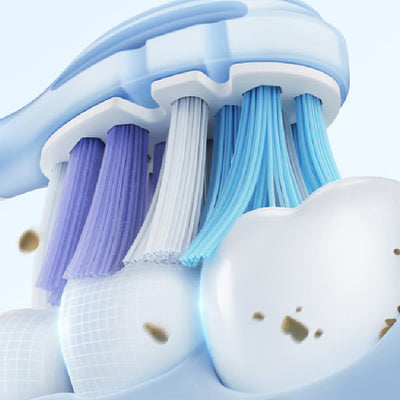
Electric Toothbrush on Plane: The Complete Travel Guide (2026)
LEARN MORE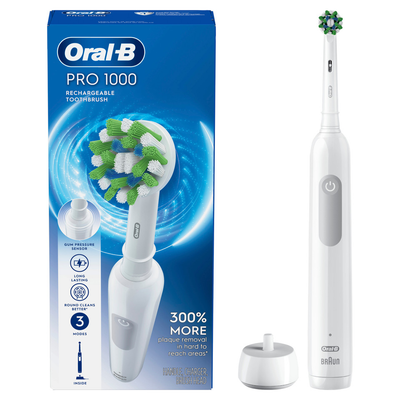
Best Cheap Electric Toothbrush (2026): Top 5 Budget Picks That Actually Work
LEARN MORE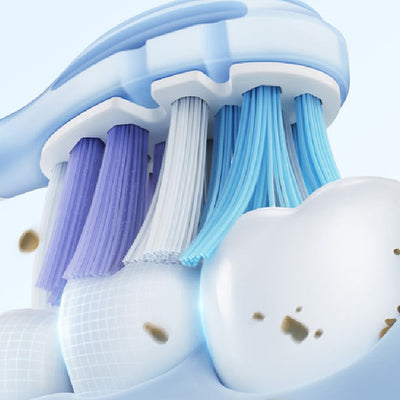
Ultrasonic Toothbrush vs Electric: Which Technology Wins for Your Smile?
LEARN MORELooking for something else?
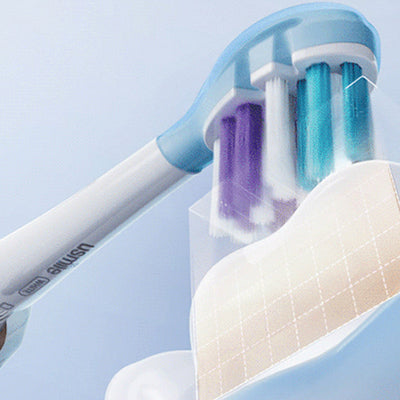
Best Electric Toothbrush for Sensitive Teeth (2026) — 5 Tested
LEARN MORE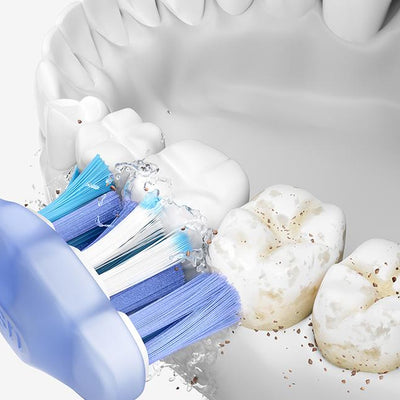
Does an Electric Toothbrush Have a Lithium Battery
LEARN MORE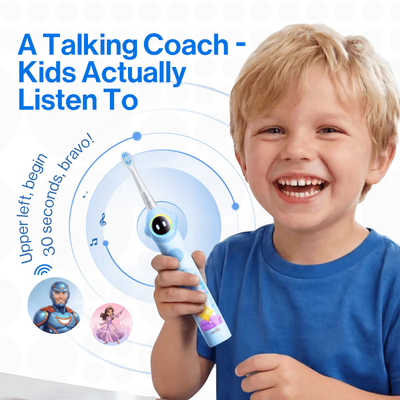
How to Make Brushing Teeth Fun for Kids Without Daily Battles
LEARN MOREYou may also like
usmile Q30 Kids Electric Toothbrush
usmile C30SE Portable Dental Flosser

usmile Q30 Kids Electric Toothbrush Trio Pack


usmile Y20PRO Adults Toothbrush x Q30 Kids Toothbrush
Further reading

Why Teeth Look More Spaced Out After Water Flossing
Best Sustainable Electric Toothbrush 2026: 5 Picks Tested for a Greener, Healthier Smile
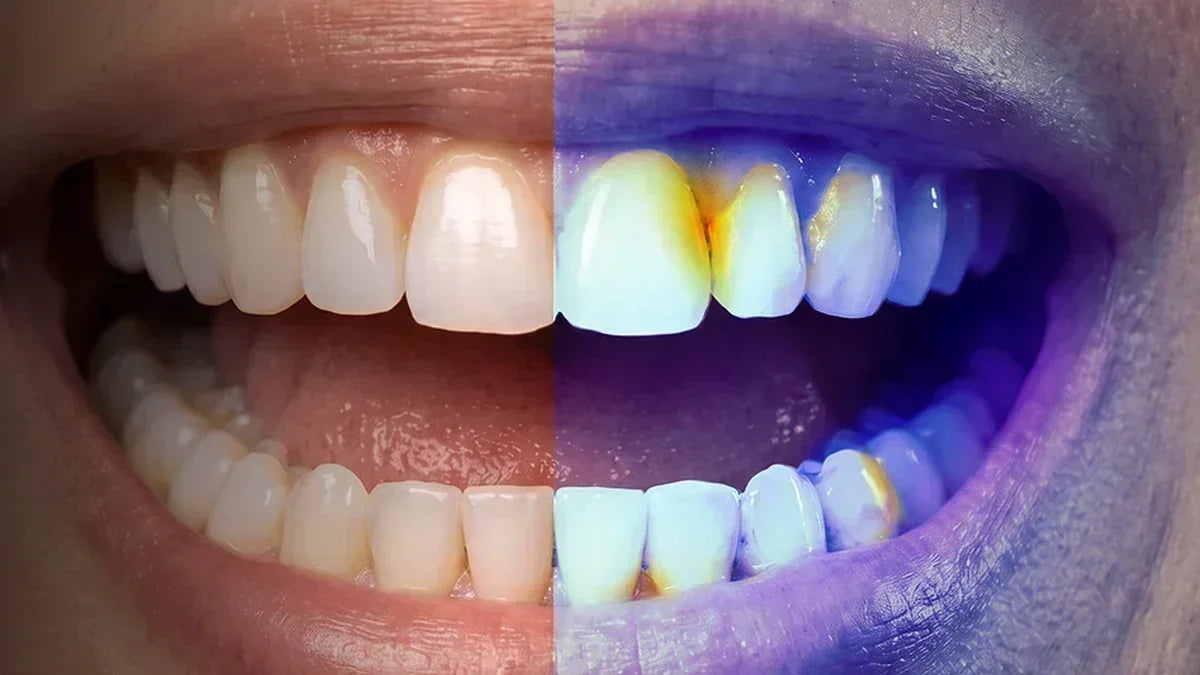
Plaque, Stains, or Food Debris? How to Interpret What a Toothbrush Camera Shows