





Can an Electric Toothbrush Damage Your Gums?
Can an Electric Toothbrush Damage Your Gums?

Here's a question worth sitting with. When you switched to an electric toothbrush, did you actually change how hard you press? Or did you carry over the same grip, same pressure, same back-and-forth habit — just with a buzzing handle now?
Most people do the second thing. Nobody tells you not to. And that's usually where the trouble starts.
Electric toothbrushes get blamed for many gum problems they had no hand in causing. The device takes the hit. The technique gets a complete pass. Yet dentists consistently point to one thing: it's not the brush doing the damage. It's the habit the person brought from their old manual routine. Fixing that habit is what actually matters. A solid oral care routine begins there, not with the price tag on the handle.
Can Electric Toothbrushes Actually Cause Gum Damage?

Short answer — not really, not on their own. A study published in the Journal of Clinical Periodontology tracked patients with pre-existing gum recession across nearly three years. Half used a power brush. The other half stuck with the manual. When the study wrapped, both groups had actually improved. Less recession than when they started. Not more.
|
CLINICAL STUDY — JOURNAL OF CLINICAL PERIODONTOLOGY Patients with existing gum recession who brushed twice daily for nearly three years — using either power or manual brushes — both showed improvement. Neither group made things worse. |
That's worth pausing on. People with already damaged gums who brushed regularly did better regardless of which tool they used.
None of that means you can do anything you want with an electric brush. Heavy-handed brushing still grinds tissue down. Scrubbing motion still creates wear. But those problems belong to behavior, not hardware. And here's the irony: modern electric brushes often come with built-in pressure sensors — something manual brushes have never offered.
So What's Actually Hurting Your Gums?
Four things. Dentists have been flagging these for years, and they haven't changed.
|
01 Too much pressure |
02 Scrubbing motion |
03 Worn brush head |
04 Wrong angle |
Pressing Down Too Hard

Gum tissue doesn't come with much built-in protection against sustained pressure. Bone remodels. Skin heals over. Gums — when they've been slowly worn down by bristle friction over months — they retreat. And retreating gums don't just bounce back on their own.
The damage is silent while it's happening—no sharp pain, no obvious signal. Then one day, you notice your teeth looking slightly longer than you remembered, or cold water stings in a spot it never used to. By that point, the gumline has already shifted.
With an electric brush, especially, there's no reason to press at all. The head is running. Your hand is really just steering. Keep the grip loose, keep the pressure off, and let the bristles do what they're designed for.
That Scrubbing Motion

Side-to-side. Hard back-and-forth passes. Most people learned this without anyone teaching them — it just felt like what 'good brushing' should look like.
The problem: horizontal scrubbing drags bristles straight across the gum edge rather than along it. With a vibrating head added on top, that's essentially friction sanding on soft tissue. Not a great outcome.
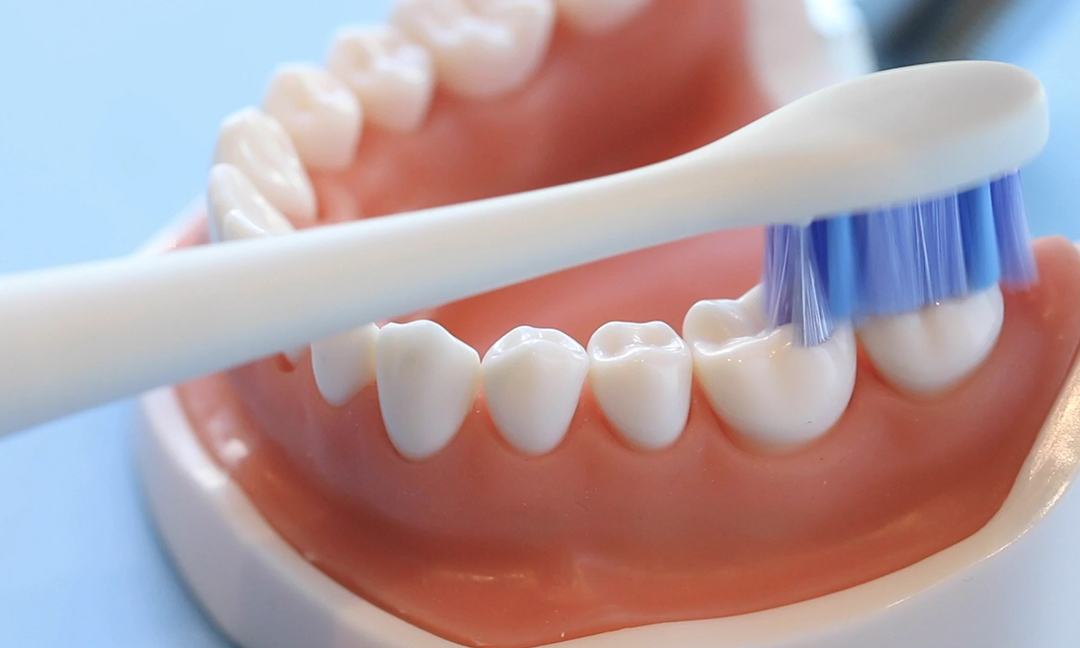
The actual fix is simple, just unglamorous: tilt the brush toward the gumline at about 45 degrees, then drift slowly from tooth to tooth. You're not generating the scrubbing action. The oscillation is. Your only job is positioning.
A Worn-Out or Wrong Brush Head
Some brush heads come with indicator bristles — color-coded ones that fade as a replacement reminder. Worth paying attention to. If you'd rather not track that, just check the bristles every month or so.
Frayed, fanned-out, or bent bristles aren't just less effective at cleaning — they can be rougher on gum tissue than fresh ones. A worn head that's still in service is doing two things wrong at once.
And on bristle firmness: soft, always. Medium bristles aren't a middle ground; they're just slower damage. Firm bristles don't deep-clean better — they just press harder. A quality ergonomic toothbrush head with properly arranged soft bristles makes a real, noticeable difference, especially once gum sensitivity is already in play.
Brushing at the Wrong Angle
Picture someone mopping a floor — big flat strokes, covering an area. That's how a lot of people brush their teeth. And it mostly misses the one spot that actually matters.
The gumline — the junction between tooth and soft tissue — is where plaque accumulates. A brush held flat against the tooth surface barely touches it. Tilt the head toward the gum at roughly 45 degrees, and those bristles suddenly sweep right along that edge. Same brush, same two minutes, completely different result.
Signs That Your Gums Are Taking a Hit
These symptoms tend to develop so gradually that people miss them until things are further along than they should be.

|
● |
Bleeding every single time you brush. Not occasionally after a rough day. Every time, consistently. Healthy gum tissue doesn't bleed from normal brushing contact. Repeated bleeding means something has been off for a while. |
|
● |
Sudden temperature sensitivity. Hot drinks. Cold water. A sharp sting in a specific spot that wasn't there six months back. When the gumline recedes, the root surface is exposed — and roots have no enamel covering. |
|
● |
Teeth that look longer than they used to. It's subtle and slow-moving, which is exactly why it's easy to miss. Comparing photos taken a few months apart is often the only way to notice changes before they become significant. |
|
● |
Soreness that lingers after brushing. A little pressure during brushing is normal. Soreness that sticks around after you've put the brush down isn't. That's a signal from your gums that something in the routine needs to change. |
|
● |
Going through brush heads faster than 12 weeks. A head used with normal pressure lasts about three months. Burning through them faster almost always means excess force. The bristles are taking the hit your gumline shouldn't have to. |
If several of those feel familiar, technique is almost certainly the underlying issue. That said, gum disease and overbrushing can present nearly identically in early stages. A dentist visit isn't optional here; you need to know which one you're actually dealing with.
How to Brush Without Making Things Worse
None of this requires a complicated new habit. A handful of small, specific changes done consistently is the whole fix for most people.

|
1 |
Soft bristles — not medium, not firm. Soft bristles clean plaque just as well as firmer ones and won't wear the gumline down over months of daily use. There's no functional reason to go harder. |
|
2 |
Hold it lighter than feels natural. If your grip on the handle is firm enough to shake someone's hand with, it's already too much. Try fingertips only. Grip loosens, pressure drops almost automatically. |
|
3 |
Angle toward the gum, not flat against the tooth. Roughly 45 degrees is all it takes to get the bristle tips working along the gumline instead of just across the enamel surface. That's where the plaque actually is. |
|
4 |
Let the brush move — don't add to it. The head is oscillating. All you do is drift slowly from tooth to tooth. The cleaning is happening whether or not your arm is doing anything. Stop adding motion. |
|
5 |
Four zones, 30 seconds each. Upper right, upper left, lower right, lower left. Most electric brushes signal every 30 seconds. Use that signal and stop guessing about coverage. |
|
6 |
Twice a day, two minutes. That's the standard recommendation, and it holds up. Three times isn't meaningfully better for most people — and if the technique is already off, three times just accelerates the damage. |
|
7 |
Floss. Daily. Brushing covers roughly 60% of each tooth's surface. The other 40% — the surfaces between teeth — no toothbrush reaches. Electric or not, that gap is a floss-only job. |
Electric or Manual — Which Wins for Gum Health?
The honest answer is: both can work. But there's a practical gap between them that most people don't account for.
Manual brushers tend to press harder than they realize — not because they're careless, but because there's no feedback mechanism. You push until it feels like something's happening. That threshold is usually too high, and there's nothing built into a manual brush to tell you otherwise.
|
Manual Toothbrush |
Electric Toothbrush ✓ Clinically Supported |
|
Works with careful technique and the right angle |
Pressure sensor cuts in before damage builds |
|
No feedback when you're pressing too hard |
2-minute timer with 30-second quadrant alerts |
|
Most people stop in under a minute without realizing |
Motor does the cleaning — your arm just guides |
|
You generate all the brushing force yourself |
Outperforms manual in plaque and gingivitis studies |
|
No timer; easy to rush or overwork one area |
ADA-recognized; often recommended for gum issues |
Electric brushes with pressure sensors change that dynamic. The brush responds — slows down, pulses differently — when you're overdoing it. That's a real functional advantage, not a marketing angle.
The timer matters too. Research has shown that people who estimate two minutes for manual brushing complete it in under sixty seconds. Built-in timers with quadrant alerts fix that without requiring any willpower.
Because the motor is doing the work, you also tend to apply less force naturally. Your arm isn't trying to scrub anything. That passive reduction in effort means less accidental pressure on the tissue you're trying to protect.
But — and this is real — someone using a manual toothbrush carefully, with correct angle and light pressure? They'll consistently outperform someone hammering an electric brush into their gums. The tool is a variable. How you use it is the deciding factor.
What Features Actually Matter If Your Gums Are Already Receding
At that stage, what's on your brush starts to matter more than usual. Some features that feel like extras become genuinely useful.
|
Priority |
Feature |
Why it matters here |
|
Most important |
Pressure sensor |
Interrupts are the main cause of brushing damage before it compounds. |
|
Daily use |
Sensitive / gum mode |
A lower-intensity setting designed for inflamed or already sore tissue. More useful in daily mode than in occasional mode. |
|
Positioning |
Smaller brush head |
Easier to control around the gumline and in the back of the mouth, where most people lose track of their angle. |
|
Bristles |
Soft bristles — again |
Once a recession is already underway, there's no good argument for anything firmer. |
|
Timing |
2-min timer + quadrant signals |
Distributes time evenly. Prevents the common pattern of spending three minutes on front teeth and rushing the molars. |
Worth noting: most of this isn't premium territory anymore. Mid-range electric toothbrushes now ship with pressure sensors, timers, and multiple intensity settings as standard. The outlay is lower than it used to be.
Putting It All Together
|
THE BOTTOM LINE |
|
An electric toothbrush doesn't damage your gums. The way people use them can. Too much pressure. Scrubbing. A worn-out head. Skipping floss. None of those are electric problems — they'd wreck your gumline with any brush. |
|
2 minutes · Soft bristles · Light pressure · Every day |
The electric gets blamed because people can feel the vibration and assume the sensation itself is causing something. It isn't. The problem is pressing too hard, scrubbing instead of angling, running a head past its lifespan, and skipping flossing. Correct those things, and the vibration is just cleaning your teeth.
If your gums are already sore, bleeding regularly, or your teeth look longer than they did a year ago, don't sit on it. Gum recession doesn't self-correct. Without intervention, it moves in one direction, and far enough down that road leads to tooth loss. That's a much harder problem than adjusting your grip.
Two minutes. Soft bristles. Light pressure. Every single day. Not exciting advice, but it's the foundation that actually holds.
Frequently Asked Questions
Can gums recover from overbrushing?
Depends entirely on how early you catch it. Mild cases — yes, tissue can stabilize and partially recover once you drop the pressure and switch to soft bristles. But a recession that's already well advanced doesn't grow back on its own; at that stage, it typically needs professional treatment. The earlier the habit changes, the better the outcome.
What are the negative effects of electric toothbrushes?
Gum irritation, sensitivity, and in some cases worsening recession — but those outcomes are tied to technique, not the tool. When someone presses hard with a vibrating brush, the motor compounds their force. The result is worse than pressing hard with a manual brush. Correct the technique, and those effects tend to clear up. The brush isn't causing them; the behavior is.
What's the worst thing for receding gums?
Firm bristles combined with heavy horizontal pressure — the classic 'scrubbing' motion — are among the most consistent causes of gum recession from brushing. The other major driver is untreated gum disease, which attacks the tissue from within through bacterial activity. Both develop quietly. Both get considerably worse without intervention.
Is it bad to use an electric toothbrush every day?
No — daily use is exactly what it's built for. Twice a day, two minutes each session, is the standard recommendation, and it applies here. The only way daily use becomes a problem is if the technique is wrong. Pressing too hard every day just means the damage compounds faster than it would if you brushed less. Get the angle and pressure right, and daily use is completely fine.
Do dentists actually recommend electric toothbrushes?
Most do, yes. The American Dental Association considers both types acceptable. Still, many dentists lean toward electric for patients dealing with plaque buildup or early gum issues — partly because clinical data support it, and partly because the pressure sensor addresses one of the most common mistakes they see in the office. Multiple studies indicate that electric brushes outperform manual ones for plaque removal and gingivitis reduction in everyday use.
How many times a day should you brush with an electric toothbrush?
Twice — morning and before bed. That's the recommendation, and it's the right one. A third session won't hurt if your technique is sound, but it doesn't add much benefit either. For anyone already brushing too hard, brushing three times a day just accelerates the damage. Twice, done correctly, is the target.
Are electric toothbrushes worse for your gums?
Research doesn't support that. If anything, it points the other way. The sensitivity people sometimes develop after switching to electric almost always comes down to one thing: they're pressing just as hard as they did with their manual brush, which was already too hard. The electric brush didn't create that habit — it just inherited it. Lightening the pressure typically resolves the sensitivity.
Why do dentists say not to rinse after brushing?
The fluoride in toothpaste keeps working after you spit — it's still on the enamel surface, reinforcing it. Rinsing with water immediately afterward washes most of it away before it can do its job. Spit, don't rinse. Give it a few minutes if you can. It's a small change but a meaningful one for anyone prone to cavities.


Looking for something else?
Best Cheap Electric Toothbrush (2026): Top 5 Budget Picks That Actually Work
LEARN MORE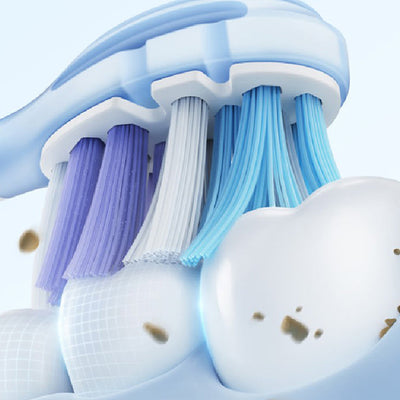
Ultrasonic Toothbrush vs Electric: Which Technology Wins for Your Smile?
LEARN MORE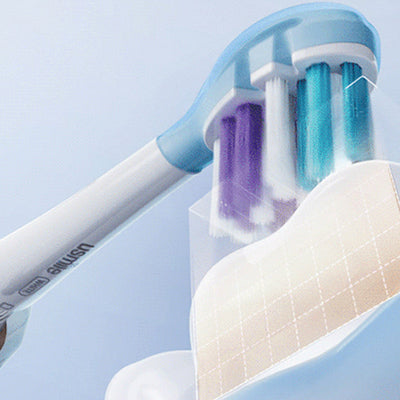
Best Electric Toothbrush for Sensitive Teeth (2026) — 5 Tested
LEARN MORE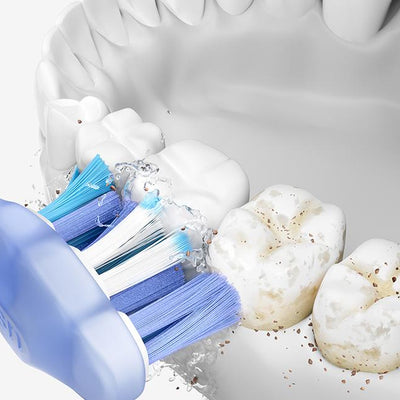
Does an Electric Toothbrush Have a Lithium Battery
LEARN MORELooking for something else?

How to Make Brushing Teeth Fun for Kids Without Daily Battles
LEARN MORE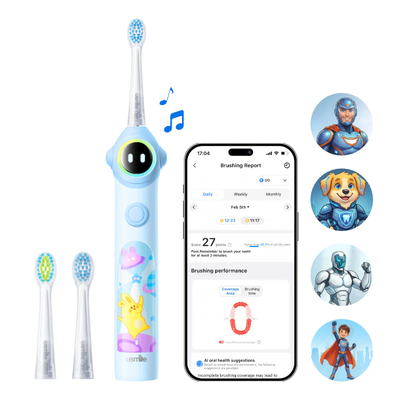
Best Toothbrush for Kids Who Hate Brushing: Parent Guide
LEARN MORE
Best Electric Toothbrush for Kids: What Parents Should Look For
LEARN MOREYou may also like

usmile C30SE Portable Dental Flosser

usmile Q30 Kids Electric Toothbrush Trio Pack


usmile Y20PRO Adults Toothbrush x Q30 Kids Toothbrush
Further reading
Halloween Candy Before Bed: A Kid-Friendly Cleanup Routine to Protect Kids' Teeth
I Thought My Water Flosser Made My Teeth Gaps Bigger—Here’s What May Actually Be Happening

Why Teeth Look More Spaced Out After Water Flossing