Does an Electric Toothbrush Have a Lithium Battery

My dentist asked me once — mid-cleaning, mouth full of suction and gauze — whether my electric toothbrush had a lithium battery. I said I had no idea. She kept going. But the question stuck with me afterward, mostly because I'd been throwing that toothbrush into my checked bag for two years without a single second thought.
Turns out it matters more than I expected. Not just for the airport stuff — though yeah, that's real — but for how long the charge actually holds, whether the brushing power stays consistent or fades on you by day five, and whether some habits most people have (leaving it on the dock constantly, packing it without the travel lock on) are slowly killing the battery.
So, does an electric toothbrush have a lithium battery? A lot of them do. Some don't. And — this is the part that trips people up — the brand name alone won't tell you. Neither will the price always. You have to look a little closer. This guide covers exactly how the travel rules work, the battery-care stuff nobody mentions, and how to figure out which brush actually fits your life. Start with your oral care routine, and the rest tends to follow.
'Electric Toothbrush' Is Covering for Three Different Products

Walk into any drugstore, and you'll see a $14 battery-powered brush sitting directly next to a $180 rechargeable one. Both are labeled 'electric toothbrush.' Both look similar enough that you'd have to pick them up to notice the difference. That's where the confusion starts, and it doesn't go away on its own.
Lithium-ion is what the premium rechargeable batteries run on. Same chemistry as your phone, your laptop, your wireless earbuds — small, light, holds a charge well, and the power stays consistent from a full charge to nearly empty. Then there's NiMH. Nickel-metal hydride. Older rechargeable tech that some mid-range brushes still use. Takes a genuinely annoying amount of time to charge (we're talking 16 to 22 hours for some models), and the power fades noticeably as the battery gets lower. And then there's plain alkaline — AAs or AAAs that you swap out when they die. Easy, cheap, no dock, power drops as they drain.
The practical gap between lithium-ion and the other two is real. A lithium-ion brush gives you the same brushing speed on day fourteen as it did on day one — the battery holds steady right until the end, then drops off fast. NiMH starts softening around day five. Alkaline usually does the same, just faster. For something you use twice a day for two minutes, that's a difference you can actually feel on your teeth and gums.
Anyway. The question: Does an electric toothbrush have a lithium battery? Depends entirely on which one. Here's how to figure it out.
|
Battery type |
Rechargeable? |
What you actually notice |
|
⚡ Lithium-ion (Li-ion) |
Yes — dock or USB |
Same power on day 14 as day 1. Charges in 2–4 hrs. |
|
🔋 NiMH (nickel-metal hydride) |
Yes — dock only |
Fades around day 5. Takes 16–22 hrs to recharge. |
|
🔌 Alkaline AA or AAA |
No — replace them |
Cheap and simple. Power drops as they drain. |
Three Ways to Figure It Out (Without Finding the Manual)

The box is long gone. The manual went with it. The charger is a different color than your partner's for reasons neither of you can explain anymore. So how do you actually know what's powering your brush?
|
# |
Do this |
What you're looking for |
|
01 |
Flip it upside down |
Look for 'Li-ion' or 'Lithium-ion' printed on the handle base. If the text has worn off — common after a couple of years — look up your model number on the brand’s support page. Takes 30 seconds. |
|
02 |
Look at how it charges |
Dock or USB with no removable cap = sealed rechargeable (Li-ion or NiMH). Twist-off bottom revealing AAs = alkaline. That’s it. |
|
03 |
How long does a charge last? |
Two-plus weeks between charges = almost certainly lithium-ion. Dies in five days = NiMH. Replacing batteries every few weeks = alkaline. |
|
04 |
How fast does it charge? |
Under 4 hours to full = lithium-ion. Takes all day or overnight = NiMH. |
The Brands — Because Neither Will Make This Obvious

People assume 'Oral-B' or 'Sonicare' means one consistent thing across the product line. It genuinely doesn't. Both brands sell lithium-ion models and non-lithium models, sometimes right next to each other on the same shelf. So if you're comparing electric toothbrushes and trying to figure out what you're actually getting, the brand name is the wrong place to start. The model number is in the right place.
Oral-B: the iO line is lithium, the 'battery' line isn't
The iO Series — 3 through 10 — is lithium-ion, confirmed on product pages. Oral-B says so directly: 'long-lasting charge with the lithium-ion battery.' Same for the Genius and Smart Series models. But here's what gets people: Oral-B also sells a whole separate line they call 'battery toothbrushes.' They sit nearby in stores. They look kind of similar. They run on replaceable AA alkaline batteries with a twist-off cap. Same brand logo, completely different product category. This is why checking the specific model matters.
Sonicare: most rechargeable models, yes, one exceptionPhilips Sonicare went lithium-ion across most of their rechargeable lineup a while back. The 4100 Series, DiamondClean 9000, Prestige 9900, Series 6700 — all list 'Battery type: Lithium ION' right there in the specs. The one that always surprises people is the Philips One by Sonicare, which runs on AAA alkaline. Philips pitches it as the no-fuss travel option — no dock, no cable, just batteries. Good brush. Different category. The specs say so plainly.
Everything else
Under $30 with no charging dock? Almost certainly alkaline. Mid-range rechargeable from a drugstore that takes all day to charge and dies in five days? Probably NiMH — which works fine, just older tech. Not a reason to avoid it, just a reason to know what travel rules apply.
|
Model/line |
Battery situation |
|
✓ Oral-B iO Series 3 through 10 |
Lithium-ion. It’s on the product page. ‘Long-lasting charge with the lithium-ion battery.’ |
|
✓ Oral-B Genius and Smart Series |
Lithium-ion. Same rechargeable dock system. |
|
✘ Oral-B battery toothbrush |
Alkaline AA. Twist-off cap. No dock. Completely different product. |
|
✓ Sonicare 4100, DiamondClean 9000 |
Lithium-ion. ‘Battery type: Lithium ION’ in official specs. |
|
✓ Sonicare Prestige 9900, Series 6700 |
Lithium-ion. Premium rechargeable range. |
|
✘ Philips One by Sonicare |
Alkaline AAA. The no-dock travel option. Specs say so plainly. |
|
? Mid-range drugstore rechargeable |
Probably NiMH. Check charge time — 16+ hours is the tell. |
The Airport Part — Which Is Why Most People Found This Article

Electric toothbrushes are allowed on planes — carry-on and checked. The Transportation Security Administration says so clearly. But battery type changes what 'allowed' actually means in practice, and this is where the gap between technically fine and actually fine shows up.
|
TRAVEL RULE |
|
Lithium-ion brush goes in carry-on. Fully off, travel lock on if your model has one. That's the rule — not because it's legally required in every case, but because if a lithium battery has a problem at altitude, the crew needs to reach it. |
Lithium batteries can catch fire. Often, but it happens, and when it happens in a cargo hold at 35,000 feet, nobody can do anything until the plane lands. In the cabin, the crew can handle it. That's the actual reason behind the guidance, and it's a reasonable one.
Scripps News reported on this specifically — TSA issued updated guidance citing lithium battery fire risk, and it wasn't specific to toothbrushes. Any device with a lithium battery falls under that guidance.
The FAA's portable electronic device guidance adds one more detail: if a lithium device ends up in checked baggage, it needs to be completely powered off — not in standby, fully off — and protected from accidental activation. A toothbrush buzzing against your clothes in a cargo hold for three hours isn't great. Heat builds up.
|
Battery type |
Carry-on? |
Checked bag? |
|
⚡ Lithium-ion (built-in) |
Yes — TSA and FAA prefer this |
Allowed, but not recommended |
|
🔋 NiMH (built-in) |
Yes, no restrictions |
Yes, no restrictions |
|
🔌 Alkaline AA / AAA |
Yes, no restrictions |
Yes, no restrictions |
|
🔑 Loose spare lithium battery |
Yes — carry-on only (mandatory) |
No — prohibited full stop |
|
PACKING TIP |
|
Thirty seconds before you zip the bag: power it off, engage the travel lock, and put it in a carry-on. That's the whole checklist. Do it once, and it becomes automatic. |
Will TSA Flag It at Security? No. Here's What Actually Happens

X-ray scanners see electronics and batteries inside bags. Your toothbrush will appear on the screen. This worries people who haven't traveled with one before — but the appearance on a scanner is not a red flag. TSA agents see toothbrushes in luggage all day. The things that get pulled for inspection are loose batteries sitting separately from any device or items that look genuinely unusual.
If an officer does want a closer look at your bag — which is uncommon — just keep the brush somewhere easy to reach. A travel case with a visible label helps. The inspection takes maybe 20 seconds. No drama, no confiscation. You're back in line.
Battery Care — the Part Nobody Mentions Until Something Goes Wrong

Most people never think about any of this until the brush starts needing to be charged every four days instead of every two weeks. By then, the battery has already degraded, and there's not a lot to be done about it.
|
Habit |
What that means |
Why bother |
|
Keep it away from heat |
Don’t store the dock near a sunny window or heating vent |
Li-ion degrades faster at high temperatures, even just sitting there |
|
Use the travel lock |
Turn it on before it goes in any bag |
Stops the brush running against clothes for hours, which drains the battery and builds heat |
|
Discharge occasionally |
Let it drop to roughly 20% every couple of weeks |
Keeps the battery calibrated over time |
|
Original charger only |
Don’t use off-brand docks with the wrong voltage |
Wrong voltage is a slow, quiet way to shorten battery life by months |
Heat is what surprises people most. Leaving the dock on a bathroom windowsill that gets afternoon sun, or near a vent or radiator, wears the battery down faster than the charging cycles themselves do. Moving it somewhere cooler genuinely makes a difference over the course of a year or two.
The charging question that comes up constantly: Is it okay to leave it on the charger all the time? Modern chargers stop sending current once the battery hits full, so you won't fry it by leaving it docked. But letting it run down to roughly 20% occasionally, then topping it back up, keeps the battery calibrated — every couple of weeks is enough. Don't obsess over it. Just be aware.
And use the original charger. Wrong-voltage off-brand docks are a slow, quiet way to take months off a battery's useful life without ever knowing it.
|
BATTERY TIP |
|
The brushes that last five or six years belong to people who don't keep the dock next to a sunny window, and who remember to turn on the travel lock. Two small habits, a bigger difference than you'd expect. |
Which Type Actually Makes Sense for Your Life

There's no universal right answer. It depends on what your actual situation looks like.
|
Your situation |
Best fit |
The actual reason |
|
✈ Fly a lot |
Lithium-ion rechargeable |
2–3 weeks per charge. Leave the dock home on short trips. |
|
🏠 Daily home use, want features |
Lithium-ion rechargeable |
Pressure sensors, modes, and timers all need stable power to work properly. |
|
💡 Keep it simple |
Alkaline AA / AAA |
No dock, no cable. Replace batteries and move on. |
|
👨👩👧 Shared household |
Lithium-ion rechargeable |
One dock, multiple brush heads, consistent power for everyone. |
Frequent traveler? Lithium-ion by a wide margin. Two to three weeks per charge means you leave the dock home for short trips. The carry-on rule is simple enough that it stops being inconvenient after the first time.
Want the full feature set — pressure sensor, multiple modes, a timer, maybe app connectivity? That's lithium-ion, too. Those features need stable, consistent power across a full charge cycle. NiMH can run them, but the experience gets inconsistent as the battery drains.
Don't want to think about charging at all? Alkaline battery models are genuinely fine. Swap the batteries when they're dead and move on—no dock, no cable, no scheduling.

Somewhere in the middle and not sure? A smart electric toothbrush for daily brushing with a long-lasting lithium-ion battery is worth considering. The kind of thing you grab automatically, twice a day, without thinking about it. Which — when you pull back from all the battery specs — is really what you're after.
FAQs
How can I tell if my electric toothbrush has a lithium battery?
Bottom of the handle. Look for 'Li-ion' or 'Lithium-ion.' If that's worn off, search the model number on the brand's support page — 30 seconds. Shorter shortcut: charges in under 4 hours and lasts 2+ weeks? Lithium. Charges overnight and fades in five days? NiMH. Runs on replaceable batteries? Alkaline.
Can I put my electric toothbrush in my checked luggage?
For alkaline and NiMH models, either bag works fine. For lithium-ion, technically allowed in checked bags, but the TSA and FAA want them in the cabin. Carry-on, powered off. That's the move.
What electric toothbrushes have lithium batteries?
Oral-B iO 3 through 10, Genius, Smart Series. Sonicare 4100, DiamondClean 9000, Prestige 9900, Series 6700. All confirmed in their specs. Don't assume based on brand — both companies also sell non-lithium models. The model number is what matters.
Can the TSA detect an electric toothbrush?
Yes — X-ray picks up electronics and batteries. It shows on the scan. It's a permitted item, and agents see them all the time. Not a problem. If they ask to look, keep it accessible.
Can I fly with my Sonicare toothbrush?
Yes. Rechargeable Sonicare: carry-on, off, done. Philips One by Sonicare runs on AAA alkaline, so it's flexible — either bag. Most Sonicare rechargeable models run 14 to 21 days per charge. For short trips, you probably don't even need the charger.
Does my Oral-B electric toothbrush have a lithium battery?
iO Series, Genius Series, Smart Series — lithium-ion, as it says on the product page. Oral-B's 'battery toothbrush' category — alkaline AAs. Very different product. Check the model, not just the brand name.
Do Sonicare toothbrushes have a lithium-ion battery?
Most of the rechargeable lineup: yes. 4100, DiamondClean 9000, Prestige 9900, Series 6700 — all lithium-ion. The Philips One by Sonicare doesn't (AAA alkaline). When in doubt: model number, tech specs tab, 30 seconds.
Should I leave my Oral-B toothbrush on the charger all the time?
Probably fine day-to-day — the charger cuts off at full. But the brushes that still feel strong at year four tend to belong to people who let it run down a bit before recharging occasionally. Once every two weeks or so. Also, don't keep the dock near a heat source. That matters more than most people think.
Does an electric toothbrush count as a lithium battery for travel?
No — and this distinction actually matters. It's a portable electronic device with an installed battery. That category has more relaxed travel rules than a loose spare battery (like a power bank). A loose lithium battery has no protective housing — a completely different risk profile. The toothbrush is sealed, integrated, not the same thing.
|
KEY REMINDERS |
|
1. Flip the handle over. 'Li-ion' or 'Lithium-ion' = lithium battery. No label? Look up the model number. 2. Lithium-ion brush goes in carry-on. Powered fully off. Travel lock on if you have it. 3. Oral-B iO / Sonicare rechargeable = lithium. Philips One / budget brush = usually alkaline. 4. TSA scanners will see it. That's fine. It's a legal item. No alarm, no drama. 5. Keep the dock away from heat. Use the original charger. Two habits that matter more than any app. |
Conclusion
Most modern rechargeable electric toothbrushes — anything mid-to-premium with a charging dock — do use lithium-ion. Budget battery-operated brushes don't. Some older rechargeable models use NiMH. The brand name won't settle it. The model number will.
For travel: lithium brush in carry-on, fully off. That's really the whole rule. For daily use: lithium-ion means the brush feels the same on day 14 as it did on day 1 — no gradual fading, no guessing whether it still has enough power to clean properly.
The specs matter. But honestly, not as much as just brushing twice a day and not skipping it when you're tired. That part's still on you.
References and Resources
- National Institute of Dental and Craniofacial Research (NIDCR): Oral hygiene guidance — daily brushing, flossing, and between-teeth cleaning basics.
- National Institute of Dental and Craniofacial Research (NIDCR): Periodontal (gum) disease fundamentals — symptoms, causes, and prevention.
- National Institute of Dental and Craniofacial Research (NIDCR): Do I Really Need to Floss? — expert guidance on plaque control between teeth.
- American Dental Association (ADA): Powered interdental cleaners / oral irrigators — Seal requirements and safety-efficacy standards.
- American Dental Association (ADA): Home oral care — ADA-backed home care recommendations and Seal resources.
- PMC / Clinical study: The Efficacy and Safety of Oral Irrigator on the Control of Plaque and Relief of Gingivitis — randomized trial on plaque, gingivitis, and safety.
- PMC / Scoping review: Oral Irrigation Devices — broad evidence review on oral irrigators, applications, and outcomes.
- PMC / Systematic review: The effectiveness of oral irrigators on periodontal health status in orthodontic patients — review of oral hygiene and periodontal outcomes.
- PMC / Comparative review: Water jet flossing vs interdental flossing — evidence on plaque and gingival bleeding outcomes.


Looking for something else?
Best Electric Toothbrush for Gum Disease (2026): 6 Picks Tested for Real Gum Protection
LEARN MORE
Electric Toothbrush on Plane: The Complete Travel Guide (2026)
LEARN MOREBest Sustainable Electric Toothbrush 2026: 5 Picks Tested for a Greener, Healthier Smile.docx
LEARN MORE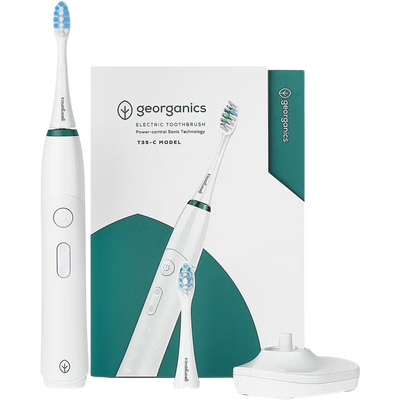
Best Sustainable Electric Toothbrush 2026: 5 Picks Tested for a Greener, Healthier Smile
LEARN MORELooking for something else?
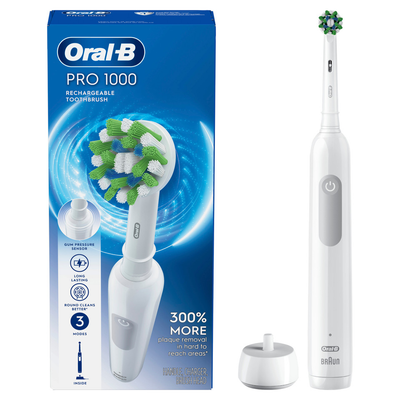
Best Cheap Electric Toothbrush (2026): Top 5 Budget Picks That Actually Work
LEARN MORE
Ultrasonic Toothbrush vs Electric: Which Technology Wins for Your Smile?
LEARN MORE
Best Electric Toothbrush for Sensitive Teeth (2026) — 5 Tested
LEARN MOREYou may also like

usmile Q30 Kids Electric Toothbrush

usmile C30SE Portable Dental Flosser

usmile Q30 Kids Electric Toothbrush Trio Pack

usmile Y20PRO Adults Toothbrush x Q30 Kids Toothbrush
Further reading
Plaque, Stains, or Food Debris? How to Interpret What a Toothbrush Camera Shows
The 5 Toothbrushing Spots Kids Miss Most—and How Parents Can Help
The Back-to-School Brushing Reset: A 14-Day Plan for Kids Ages 3–8