





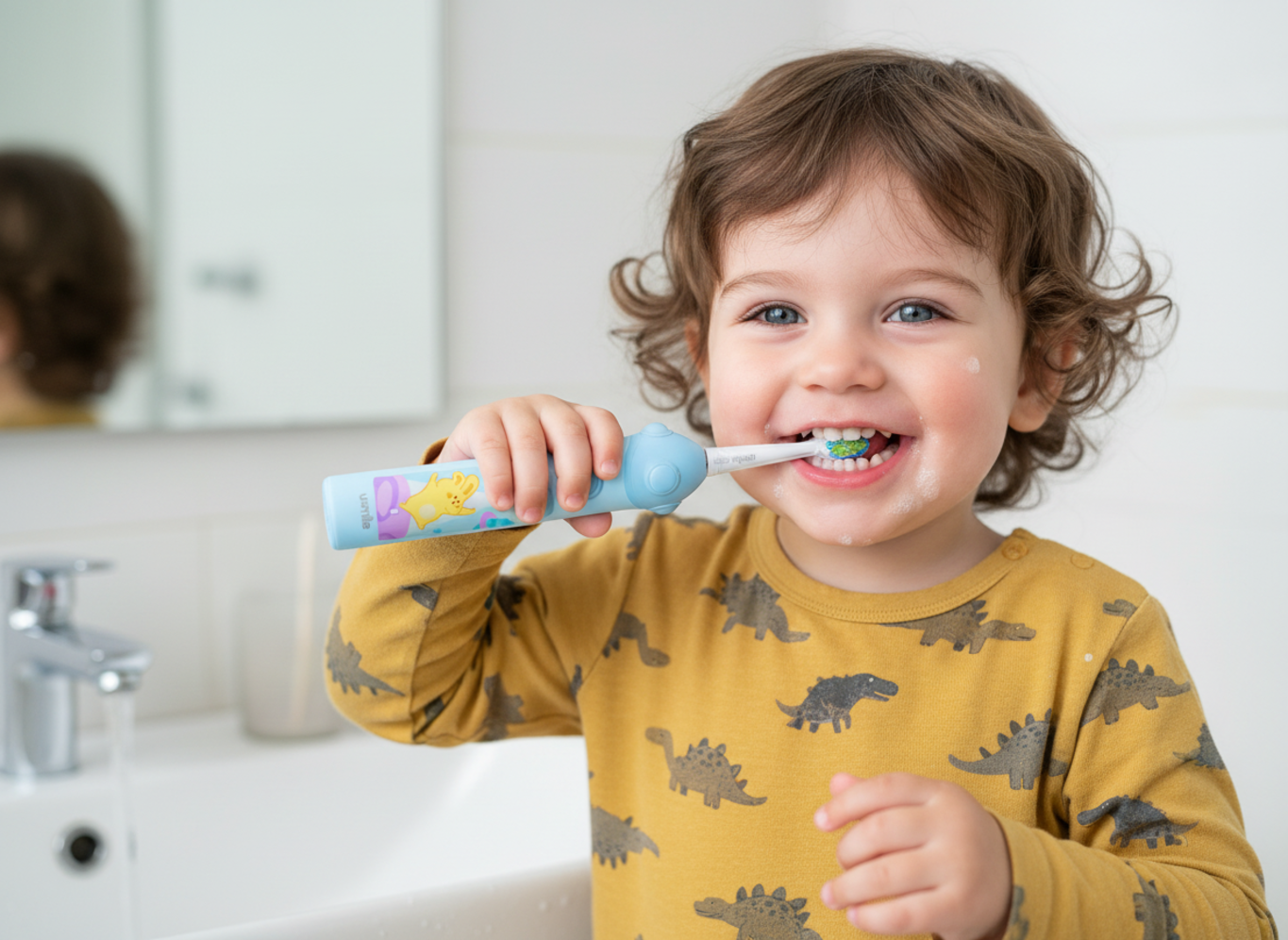
Kids Brushing Teeth Routine: A Simple Guide for Parents
Here’s the whole thing in one sentence: brush twice a day, use the right amount of fluoride toothpaste, and have a parent follow up until the child is about seven or eight.
Everything else is detail.
That said, the detail matters. Getting the toothpaste amount wrong, letting young kids brush alone, skipping bedtime, using too big a brush — these are all common, and all make a real difference to whether a child’s teeth stay healthy. As an oral care brand that works with families on this daily, uSmile put together this guide so parents have everything in one place. The routine itself is genuinely simple. Let’s just make sure it’s the right simple.
What Should a Kid's Brushing Teeth Routine Include?
Brush Twice a Day — Both Sessions Count Equally

Morning and bedtime. The ADA recommends twice daily for two minutes with fluoride toothpaste. Morning brushing clears overnight plaque. Bedtime brushing means no food residue sits on the teeth while they sleep. Neither session is the ‘real’ one. Both are.
The Toothpaste Amount Is Specific
Under three: a smear the size of a grain of rice. Ages three to six: pea-sized. Based on AAP guidance. Most parents squeeze out more than that. Way more, actually. The recommended amounts are intended to limit fluoride intake in children who can’t reliably spit out the excess. Use less than you think you need.
Parent Help Is Not Optional
Children don’t have the coordination for thorough brushing until around age seven or eight. The CDC says children under 6 need to be supervised while brushing and helped with the amount of toothpaste used and spitting. ‘Watched’ means you are physically present and following up. Not calling out reminders from the hallway.
When Should You Start Brushing a Child’s Teeth?
Before most parents start. That’s the honest answer.
Wipe the Gums Before Any Teeth Arrive

A damp soft cloth over the gums after feeding. Start this within the first week of life. You’re not cleaning teeth — there aren’t any yet. You’re getting the baby used to having something in their mouth, so the toothbrush transition later is less of a shock.
This step gets skipped because it doesn’t feel urgent. It builds familiarity that pays off at six months, when the first tooth shows up, and a toothbrush suddenly appears.
Switch to a Brush When the First Tooth Erupts
Usually around six months. Sometimes four months. Sometimes not until past a year. Whenever the tooth appears — that’s when the brush starts. HealthyChildren.org is clear: fluoride toothpaste from the first tooth, rice-grain smear, twice a day. Not after a few more teeth come in. At the first one.
Baby Teeth Are Not Practice Teeth
They help children chew, speak, and hold space for the permanent teeth that are coming in behind them. The National Center for Health Statistics estimates that roughly one in five children under five has childhood tooth decay. Cavities in baby teeth are painful. They affect eating and speech. And they can disrupt the timing of adult tooth eruption.
These teeth matter. Full stop.
The Best Morning Brushing Routine for Kids

Mornings are already chaotic. The oral hygiene routine needs to require as few real-time decisions as possible.
Set Everything Up the Night Before
Toothbrush on the shelf. Toothpaste next to it. Floss picks if needed. Rinse the cup out. Done. When a child has to search for their brush at 7:45 am, the routine falls apart. When it’s already out and waiting, they just walk in and start.
This is the most underrated parenting hack for morning routines. Not the toothbrush choice, the app, or the song. Just: stuff is already there.
Brush After Breakfast if You Can
Technically, this is the better sequence — it removes food particles before school, not just morning breath. But honestly, morning brushing that happens at all beats perfectly-timed brushing that gets skipped when the schedule slips. Consistency matters more than precise timing.
Two Minutes Needs a Timer

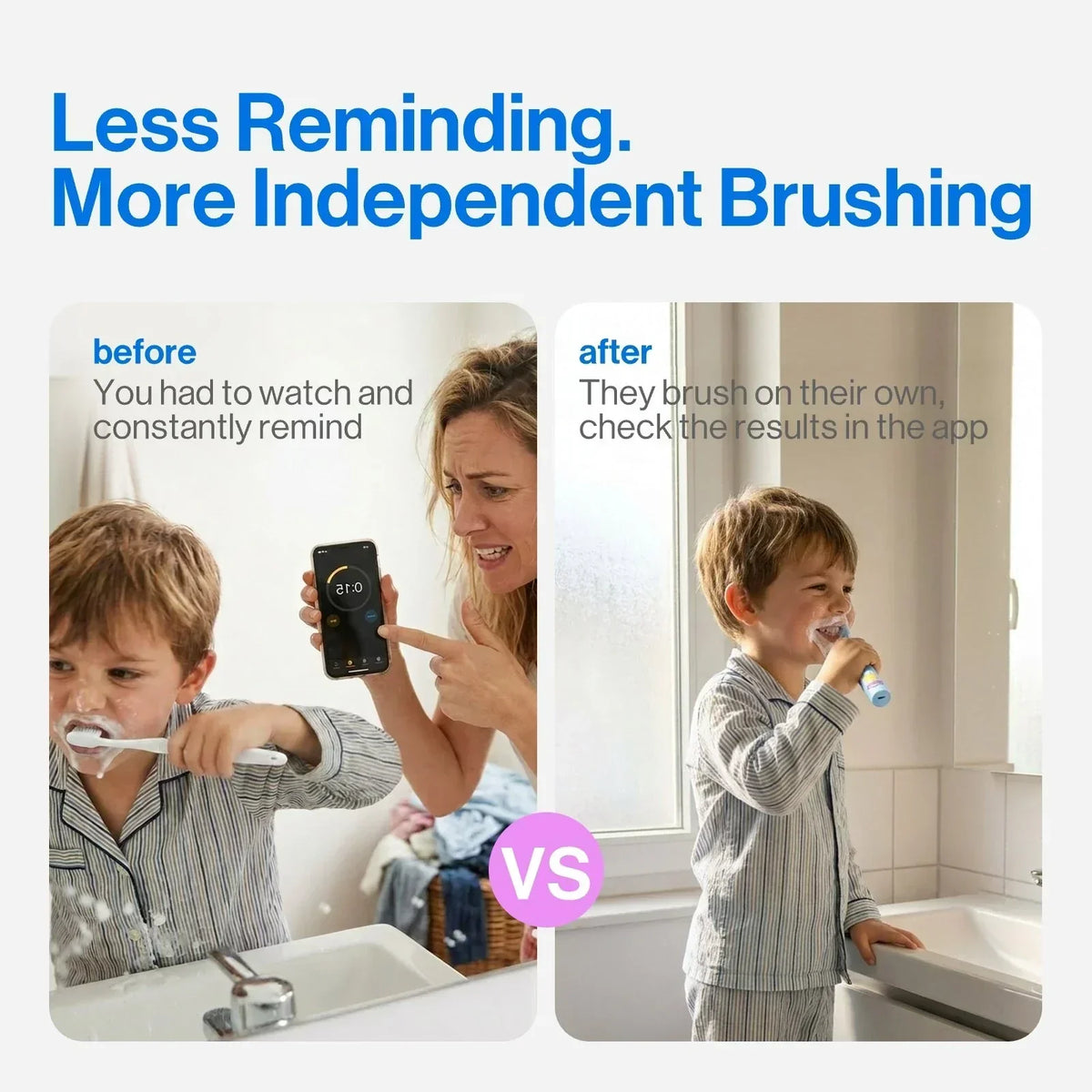
Most children believe they’re brushing for 2 minutes when they’re actually brushing for about 40 seconds. A sand timer, a song, or a brushing app doesn’t lie. Set it. When it ends, brushing ends. No argument about whether they’re done, because now there’s an answer.
A Visual Checklist for Older Kids
Around age six or seven, a simple picture chart on the bathroom wall — toothpaste on, top teeth, bottom teeth, spit, rinse brush, tongue check — lets kids follow the sequence without needing a parent to narrate every step. It sounds overly simple. Children who follow a visual sequence consistently outperform children who’re just told to go brush their teeth.
The Best Bedtime Brushing Routine for Kids
Of the two daily sessions, bedtime is the one that cannot slip. Sugar and bacteria sit on teeth all night without it. Getting this session predictable and locked into the sequence is the whole game.
Brush First — Then Book, Then Bed
The American Academy of Pediatrics runs a program called Brush, Book, Bed: brush teeth, read a book, then sleep. In that order, every night. What makes this work is that brushing has a fixed position. It’s not ‘at some point before bed’ — it’s the first step of the bedtime sequence. Always.
Once that’s established, the negotiation mostly stops. It’s just what happens now.
Start Flossing Once Teeth Are Touching

When two teeth sit snug against each other with no visible gap, bristles can't reach the space between them. That tight contact point is where cavities between teeth love to form — and most parents don't catch it until the damage is already done.
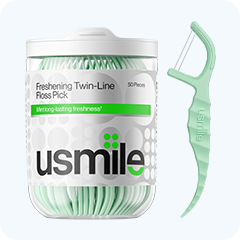
For younger kids, floss picks work well because they're easier to maneuver inside a small mouth. Just one gentle pass between each pair of touching before bed is enough. The whole thing takes about 90 seconds once you get the hang of it.
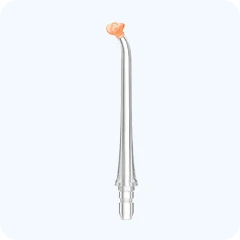
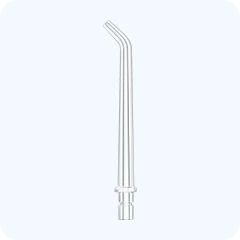
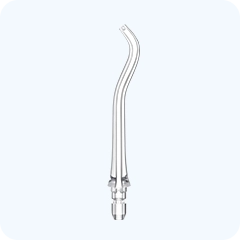
If your child fights traditional flossing or you find it awkward to reach those back teeth, a water flosser can be a solid alternative. It uses a thin stream of water to flush out food and buildup from between teeth — and most kids actually think it's fun to use. Either way, the goal stays the same: clean between every tooth that's making contact, every single night.
The Last Thing on the Teeth Is the Toothbrush
After brushing: water only. No juice, no milk, no snack, no sweet drink. If any of those happen after brushing — even a small one — the whole point of the bedtime session is partly undermined. Brush, then nothing. That’s the rule.
How Much Toothpaste Should Kids Use?
Less than the toothpaste packaging suggests. A lot less.
|
Age |
Toothpaste Amount |
Fluoride? |
Key Tip |
|
Birth – 18 months |
Water only — no toothpaste |
N/A |
Soft cloth or tiny infant brush |
|
18 months – 3 years |
Rice-grain smear |
Yes — fluoride toothpaste |
Parent brushes; child not yet reliably spitting |
|
3 – 6 years |
Pea-sized amount |
Yes — fluoride toothpaste |
Teach spitting; parent still finishes back teeth |
|
6+ years |
Pea to the standard amount |
Yes — standard fluoride paste |
Child brushes; parent checks coverage |
Under 3: A Grain of Rice — That's It
One grain of rice's worth of fluoride toothpaste from the very first tooth. Not a stripe, not a small pea. Kids this age swallow most of what goes in their mouths because they can't spit yet. Less paste means less swallowed. Both the AAP and ADA agree on this amount.
Ages 3 to 6: One Pea, No More
A single pea-sized drop — not heaped, not squeezed into a long stripe. Most parents overshoot when they eyeball it. Too much paste creates foam that overwhelms little mouths, makes brushing miserable, and ends up swallowed anyway.
For Children Aged 6 and Above: How Much Toothpaste Do They Need?
Here's the honest truth — most parents use way too much. Once your kid turns six, a pea-sized smear is all it takes. Picture an actual pea on the bristles. That's your goal.
Piling on more paste won't clean their teeth any better. It just creates a foamy mess they end up swallowing — and you don't want them gulping down fluoride. A small dab, two minutes of brushing, and you're done. Keep it simple.
The 5 Steps to Brushing Teeth for Kids
Bookmark this section. Put it on the bathroom wall if it helps.
|
Step |
Action |
Why It Matters |
|
1 |
Pick the right brush |
Small head + soft bristles = reaches back molars without gagging or gum irritation |
|
2 |
Use the correct paste amount |
Rice-grain under 3, pea-sized 3–6. Too much causes foam, gagging, and swallowing |
|
3 |
Angle brush 45° at gumline |
That groove between tooth and gum is where plaque collects. Miss it and brushing misses the point |
|
4 |
Clean all surfaces |
Outside, inside, chewing surfaces. Back molars get the least attention and need the most |
|
5 |
Tongue brush, then spit |
The tongue holds bacteria. Spit out paste — do NOT rinse with water. The thin fluoride film stays and keeps protecting |
Step 1 — The Brush Has to Fit the Mouth

Small head, soft bristles, child-sized handle. That’s the whole requirement. A brush head that’s too big can’t reach back molars properly and triggers gagging on the way back. Medium and hard bristles are not recommended for children — they irritate gums and erode enamel over time. The toothbrushes designed for children in uSmile’s range are properly child-sized — not adult brushes scaled down, but proportioned for mouths that are still growing into their teeth.
Step 2 — Angle at 45 Degrees to the Gumline
This is the step most parents skip because it requires repositioning the brush. Hold it so the bristles point toward the gum at a slight angle — roughly 45 degrees — to reach the groove between the tooth and gum. That groove is where plaque sits. Brush only the flat surface of the tooth, and you’re missing where it actually matters.
Step 3 — Outside, Inside, Chewing Surfaces
Not just the visible front surface. The outside, the inside facing the tongue, and the chewing surfaces of back teeth, especially the molars. Children almost always brush only what they can see in the mirror. The molars are back there getting nothing. Guide them there specifically every single session.
Step 4 — Front Teeth Need a Different Motion

The inside of the front teeth — the surface facing the tongue — is curved in a way that a horizontal brush stroke doesn’t cover well. Tilt the brush to a vertical position and use short up-and-down strokes. This takes an extra four seconds, and it’s skipped almost universally. Do it anyway.
Step 5 — Brushing the Tongue
A gentle pass across the tongue removes bacteria that cause bad breath. Then spit the toothpaste out — no water rinse. That fluoride residue on the teeth is still working. Washing it off immediately with water defeats part of the point. Spit. Walk away.
Best Brushing Technique for Children

Short version: small circles, light pressure, cover every surface, gumline especially. Long version below.
Light Pressure Only
Scrubbing harder is a reflex when you feel like you’re not getting coverage. Fight that reflex. Hard pressure in a child’s mouth irritates gums, can cause recession over time, and doesn’t remove any more plaque than gentle pressure does. The technique does the work. The force doesn’t.
Circular Motions on Small Groups of Teeth
CHOP recommends circular or elliptical motions on a few teeth at a time rather than fast back-and-forth sweeps across the whole arch. The reason is practical: circular motions follow the contour of each tooth and reach the gumline better than a horizontal scrub. Move through the whole mouth systematically rather than starting in one spot and hoping you’ve covered everything.
The Gumline Is the Priority

Brush where the teeth meet the gums. Lift the upper lip after a session and look. If you can see a line of plaque at the gumline, that’s what’s being missed. Most children brush only the middle of their teeth. Gumline cleaning is the job.
Parent Finishes Until Age 7 or 8
Let the child brush first — they get 20 to 30 seconds on their own, however they want. Then the parent finishes the back teeth and gumline. ‘My turn to get the tricky ones in the back.’ Not a correction. Teamwork. The result is the same; the experience of it is completely different.
When Should Kids Start Flossing?

When Two Teeth Touch
That’s the signal. For many children, this happens around ages 2 to 3, when baby molars come in and start touching. Once the contact point exists, a toothbrush can’t clean it. That’s where cavities between teeth start. Begin flossing then.
Water Flossers Make It Actually Happen
String floss in a toddler's mouth is a wrestling match. Most parents try it once and quietly give up. Floss picks fix that — one hand, one quick pass between each tooth, no fumbling.
A water flosser works even better for kids who hate anything poking between their teeth. Point, press, and a stream of water cleans out the gaps. Most kids find it fun rather than annoying, which already puts it ahead of every other flossing method. Pick whichever tool your family will actually use every night. That's the right one.
Once at Bedtime Is the Whole Routine
Morning brushing. Bedtime brushing and flossing. That’s it. Consistent simple beats inconsistent elaborate every time.
How to Make the Kids' Brushing Teeth Routine Easier
Let Them Pick a Toothbrush

Character brush, neon green, one shaped like a shark. Doesn’t matter. As long as it has soft bristles and a small enough head, the choice is theirs. Children who choose their brush are noticeably more cooperative about using it. Give two pre-approved options at the store and let them decide.
One Song, Every Session

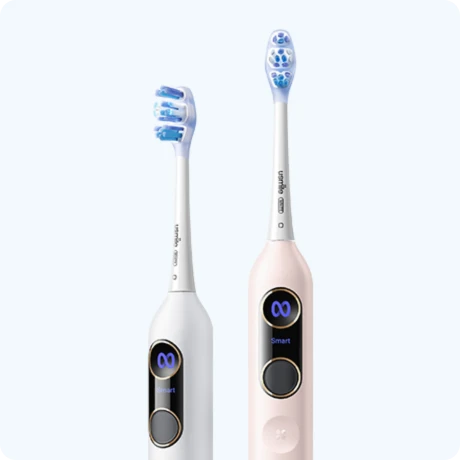
One consistent song. Close to two minutes. Same song every time. When it ends, brushing ends. Or — and this solves the timer problem permanently — a soft sonic toothbrush for young teeth, like the uSmile Q30, has a built-in two-minute timer with 30-second zone-change cues. Children move through all four quadrants of the mouth without the parent counting. For kids who rush or lose focus mid-session, that built-in structure noticeably changes the outcome.
Sticker Chart for Showing Up
One sticker for morning, one for bedtime. Chart on the wall. No conditions. You’re rewarding the habit of appearing at the sink, not the scoring technique. A complete chart at week’s end is enough of a payoff for most children under seven.
Brush at the Same Time as the Adults
Children copy what they see. When brushing is something the whole family does together without drama or negotiation, children stop framing it as an imposition and start treating it as what people do. This single change does more long-term good than most tricks. And it costs nothing.
Common Mistakes in Kids’ Brushing Routines
Too Much Toothpaste
Consistently, the most common one. Parents put on a full stripe and wonder why the child gags or swallows most of it. The amounts in the guidance exist for this reason. Rice-grain. Pea. Those exact amounts.
Letting Young Children Brush Alone Too Soon
A four-year-old who brushes independently is building good habits, sure. But they’re also missing their back molars, the inside of their front teeth, and the gumline on every surface. These aren’t difficult areas for an adult. They’re the exact areas that require fine motor control a young child doesn’t fully have yet. Parent follow-up isn’t helicoptering. It’s just necessary.
Brushing Too Hard
Hard pressure feels like thoroughness. It’s not. Gum tissue in children is sensitive and can recede over time with aggressive brushing. Teach children to hold the brush lightly rather than gripping it. A light grip naturally leads to light pressure.
Skipping Bedtime
Morning brushing is flexible. Bedtime brushing is not. Overnight is the longest period teeth go without cleaning. Skipping it once or twice a week isn’t harmless. Make it the one that never moves.
Conclusion: Keep It Simple and Keep It Consistent
A good kids' brushing teeth routine doesn’t need to be elaborate. Brush twice, use the right amount of toothpaste for the age, have a parent follow up until the technique is actually good, and keep bedtime brushing non-negotiable.
The part that’s genuinely hard is consistency when everyone is tired and running late. Which is why the routine should require as few real-time decisions as possible. Same shelf. At the same time. Same song or timer. Same parent involvement. Repeat until it stops being a thing that requires effort.
That’s when the habit is built.
FAQs
Q1. Why does bedtime brushing matter more than morning brushing?
Your kid's mouth basically dries out at night. Saliva drops off hard once they fall asleep, and there's nothing left to rinse away the gunk sitting on their teeth. Eight hours of bacteria just hanging out unchecked — that's where cavities come from. Mornings help, but nighttime is the one you really can't afford to skip.
Q2. At what age can kids brush their own teeth?
Seven or eight is the usual answer, but it depends on the kid. My rule of thumb — and I stole this from a pediatric dentist years ago — is the shoelace test. If they can tie laces without your help, their hands are probably steady enough for a toothbrush. Still peek at their back teeth afterward. That's where most of them cut corners.
Q3. Electric or manual toothbrush — does it actually matter?
Not nearly as much as people think. An electric brush buzzes and rotates, so it helps lazy brushers cover more ground. A regular soft-bristled one does just as good a job if your kid actually stands there for two minutes and hits every tooth. Pick whichever one doesn't start a bedtime argument. That's the right answer.
Q4. My kid gags on toothpaste. What am I supposed to do?
Ditch the mint. Seriously. Mint is way too intense for a lot of small kids and nobody talks about it. Strawberry, watermelon, bubblegum — grab something mild with fluoride on the label. If they still hate it, brush with water only for a few days first. Let them get comfortable holding the brush in their mouth before you add paste back in.
Q5. When do kids need to start flossing?
As soon as two teeth are sitting flush against each other. No gap means bristles aren't getting in there, period. Floss picks are the easiest thing for tiny mouths. And for kids who lose their minds over anything wedged between their teeth, a water flosser works surprisingly well. Most of them actually like using it, which still blows my mind.
Q6. My toddler swallowed toothpaste — should I panic?
No. If you used a rice-grain amount for under three or a pea-sized dot for three to six, there's nothing to worry about. Those amounts are tiny on purpose because little kids swallow everything. Just don't let them treat the tube like a snack. Keep it up high and squeeze it onto the brush yourself.
Q7. Any real tricks for making kids brush two full minutes?
A sand timer changed everything in our house. You can also play a short song, use a brushing app with a countdown, or grab an electric brush that pulses every thirty seconds. The method doesn't matter. What matters is finding something your kid doesn't get bored of after three days and sticking with it.
Q8. Should kids rinse with water after spitting out toothpaste?
This one surprises every parent I mention it to. No rinse. Just spit and walk away. That thin layer of fluoride sitting on their teeth after brushing keeps protecting the enamel long after the brush is back in the cup. Water washes it all off immediately. Spit, done, move on to the bedtime story.
Q9. Can a water flosser actually replace regular floss for kids?
For the nightly routine — yeah, it handles the job really well. It blasts food and bacteria out from between teeth without anyone crying about a string jammed in their gums. Works especially great for kids with braces. Some families pair it with floss picks once or twice a week for the extra-tight spots, but honestly, consistent nightly cleaning between teeth matters more than which tool you grab.
Sources
- American Dental Association —Toothbrushes: Evidence-based research on toothbrush types, bristle recommendations, and proper brushing techniques across all age groups.
- HealthyChildren.org / AAP —Brush, Book, Bed: Pediatrician-recommended nighttime routine pairing toothbrushing with reading to build lasting oral care habits in young children.
- CDC —Children's Oral Health Prevention: National prevention strategies covering childhood cavities, fluoride guidelines, and dental sealant programs for families.
- CHOP —Brushing and Toothpaste for Children: Hospital-backed guidance on age-appropriate toothpaste amounts, fluoride safety, and when to introduce brushing for infants and toddlers.
- Colgate —Teaching Your Children How to Brush and Floss: Step-by-step parent guide covering brushing technique, flossing introduction, and building daily oral hygiene habits with kids.
- Children's Mercy Hospital —How to Keep Brushing Teeth Fun: Practical tips from pediatric specialists on turning toothbrushing into a positive experience for resistant toddlers and young children.
- Better Health Victoria —Toothbrushing Children 0–6 Years: Detailed brushing instructions for babies through school-age children, including fluoride toothpaste amounts and positioning techniques.
- Smart Pediatric Dentistry —Tooth Brushing for Kids: Pediatric dental office resource covering brushing milestones, common parent mistakes, and age-specific oral care recommendations.


Looking for something else?
Best Electric Toothbrush for Gum Disease (2026): 6 Picks Tested for Real Gum Protection
LEARN MORE
Electric Toothbrush on Plane: The Complete Travel Guide (2026)
LEARN MORE
Best Cheap Electric Toothbrush (2026): Top 5 Budget Picks That Actually Work
LEARN MORE
Ultrasonic Toothbrush vs Electric: Which Technology Wins for Your Smile?
LEARN MORELooking for something else?
Best Electric Toothbrush for Sensitive Teeth (2026) — 5 Tested
LEARN MORE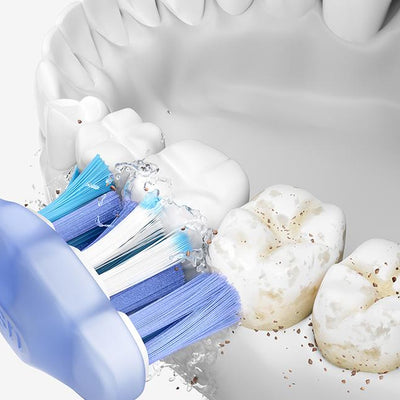
Does an Electric Toothbrush Have a Lithium Battery
LEARN MORE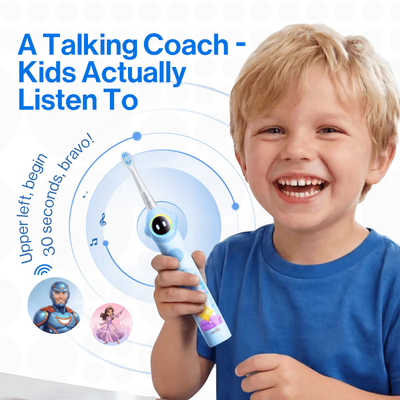
How to Make Brushing Teeth Fun for Kids Without Daily Battles
LEARN MOREYou may also like
usmile C30 Cordless Water Flosser – Portable Oral Irrigator
usmile Y20 PRO Upgraded AI Electric Toothbrush

usmile P10 S Electric Toothbrush

usmile Q30 Kids Electric Toothbrush

usmile C30SE Portable Dental Flosser

usmile Q30 Kids Electric Toothbrush Trio Pack
Further reading

Why Teeth Look More Spaced Out After Water Flossing
Best Sustainable Electric Toothbrush 2026: 5 Picks Tested for a Greener, Healthier Smile
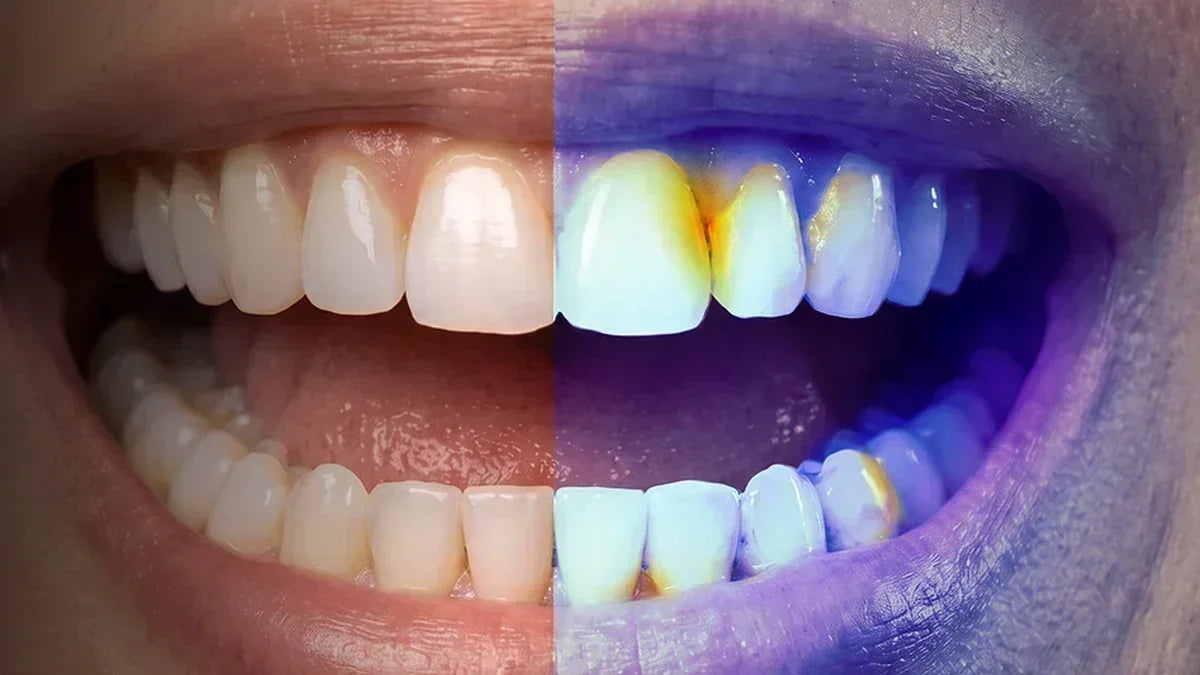
Plaque, Stains, or Food Debris? How to Interpret What a Toothbrush Camera Shows