




How to Choose a Toothbrush
Choosing a toothbrush for sensitive gums, braces, or kids starts with soft rounded bristles, a 2-minute timer, and replacing brush heads every 3 to 4 months.

On This Page
Quick Answer
Knowing how to choose a toothbrush comes down to two basics: soft bristles and a compact head that reaches your back molars comfortably. Both manual and electric brushes clean effectively when used for two minutes twice daily, though electric models with built-in timers and pressure control help most people brush more consistently.
Standing in front of a wall of toothbrushes makes a simple purchase feel unnecessarily complicated. Instead of shopping by spec sheets or marketing labels, use a three-step filter: lock in the safety basics first, upgrade only to fix a real brushing habit gap, and check the three-year cost and daily upkeep before you buy.
Start With the Non-Negotiables: Bristle Firmness, Head Size, and Safety Standards
If your gums ever feel tender after brushing, the bristles—not your toothpaste—are often the culprit. Before comparing handles or smart features, three universal rules apply to every manual and electric toothbrush.
- Choose soft, rounded nylon bristles: Many people assume stiffer bristles scrub away more buildup, yet American Dental Association toothbrush guidelines recommend soft bristles for nearly everyone. Soft, end-rounded tips flex gently along the gumline to clear sticky plaque without irritating soft tissue or wearing down enamel. That holds even more true for powered brushes, where rapid motor movement does the cleaning without relying on stiff filaments.
- Pick a compact brush head: Bigger heads often bump into your cheeks and miss the back surfaces of your molars. For most adults, a brush head around half an inch wide and one inch tall maneuvers easily around tight back corners. If you are weighing circular heads against traditional oval shapes, comparing round versus oblong electric toothbrush heads helps match the head shape to your mouth size and gum comfort.
- Check grip comfort and safety testing: A comfortable, non-slip handle makes it easier to hold a light grip for two full minutes. On drugstore shelves, looking for independent evaluation like the ADA Seal of Acceptance confirms the brush met safety and plaque-removal standards for both manual and powered designs.

Once soft bristles and a well-sized head are set, the next decision is whether a manual handle or a powered motor fits your daily routine better.
Manual vs. Electric: What Is the Best Type of Toothbrush for You?
Whichever soft-bristled brush you will use correctly for two full minutes twice a day is the right choice—though an electric brush gives most people a measurable edge in daily consistency.
You do not need an electric brush to maintain healthy teeth and gums. A soft manual brush held at a 45-degree angle to the gumline works well when your technique and timing are steady. In everyday life, however, most people rush past the two-minute mark or scrub unevenly. A Cochrane systematic review of 56 clinical trials involving over 5,000 participants found that powered toothbrushes reduced plaque by 11% at one to three months and 21% after three months compared with manual brushes, alongside a 6% to 11% reduction in gingivitis.
| Factor | Manual Toothbrush | Electric Toothbrush |
|---|---|---|
| Plaque consistency | Relies fully on hand technique | Built-in motion and pacing aid consistency |
| Built-in guidance | None | Timers, quadrant cues, optional pressure alerts |
| Braces & dexterity | Needs more wrist control | Easier around brackets or limited grip |
| Upfront & 3-year cost | Low cost; replace full brush | Higher upfront; replace heads every 3–4 months |
| Travel convenience | Lightweight; zero charging | Needs USB-C cable or long-life battery |

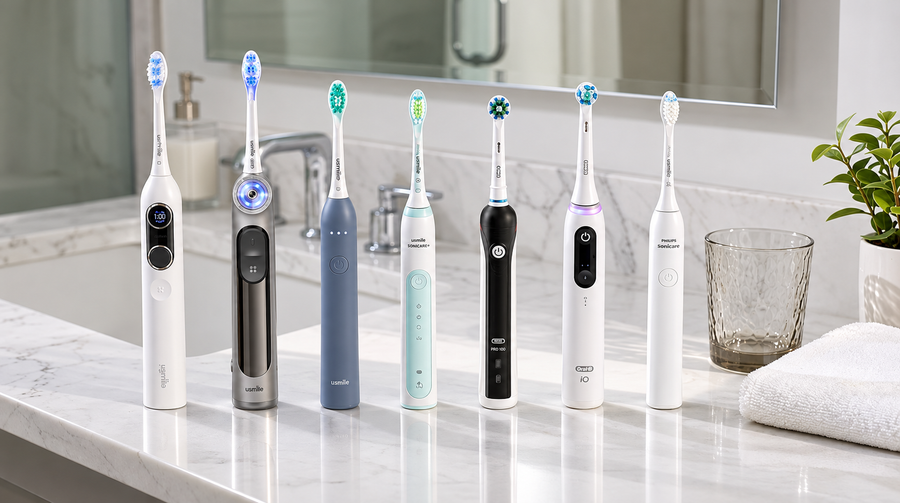
Electric brushes mainly fall into two camps: sonic models that vibrate an elongated head at high speed, and oscillating-rotating models that spin a small round head tooth by tooth. Deciding between sonic versus oscillating-rotating toothbrushes usually comes down to feel—sonic brushes glide smoothly across multiple teeth and often feel gentler along sensitive gums, while round heads reward slow, tooth-by-tooth positioning.
If you already brush gently for two full minutes and rarely miss back teeth, a soft manual brush remains a practical choice. If you tend to rush, scrub too hard, or wear braces, an electric model is often the best type of toothbrush to close those daily gaps.
[[Collection Card]]
How to Choose an Electric Toothbrush: Must-Have Features vs. Optional Upgrades
Once you decide to go powered, how to choose an electric toothbrush comes down to separating features that protect your gums from extras you may rarely use.
Features worth prioritizing
- A 2-minute timer with 30-second pacing: Brief pauses every 30 seconds nudge you to give all four quadrants of your mouth equal time.
- Gentle pressure control: Brushing too hard wears down enamel and gums whether a brush is manual or powered. A pressure alert—or a brush head with a flexible, cushioned back—helps interrupt heavy scrubbing.
- Easy-to-dry, water-resistant construction: Bathrooms stay humid, and narrow crevices around buttons or vents can trap moisture. A sealed, IPX8 water-resistant body wipes clean quickly and helps prevent buildup.
Three-year ownership checks most buyers overlook
- Replacement head cost and availability: A handle can last years, while heads need swapping every three to four months—roughly 12 heads over three years. Check the price and cross-compatibility of replacement toothbrush heads before buying the handle so refills never feel like a hidden fee.
- Charging routine and travel fit: A brush that charges via a universal USB-C cable and runs for weeks or months per charge eliminates countertop clutter and bulky travel docks.
- Standalone usability without a phone: Many brushers enjoy tracking habits in an app at first, then stop bringing their phone to the sink. Make sure core feedback—modes, timer, and any coverage cues—works directly on the handle.
Optional upgrades (buy only for a real habit gap)
Handle displays, bone-conduction voice prompts, automatic morning-and-evening modes, and built-in plaque-visualization cameras do not replace basic brushing discipline. They are worth paying for only if you consistently miss the same back molars, forget to switch zones, or want visible feedback to correct your technique.
Match Your Toothbrush to Your Specific Oral Care Needs
When deciding how to pick a toothbrush, start with what your mouth actually deals with every day—not with a product catalog.
Sensitive Teeth or Receding Gums
Cold-drink twinges or tender gumlines are signals to dial back force, not skip brushing. Choose soft or ultra-soft bristles, hold the handle lightly with your fingertips rather than a tight fist, and stick to a gentle mode. Pairing a cushioned soft head with an electric toothbrush for sensitive teeth helps keep pressure steady without aggravating recession.
Bottom line: Prioritize soft bristles, gentle motion, and light pressure over high-speed settings.
Braces, Implants, or Dental Work
Brackets, archwires, crowns, and implants create tight ledges where plaque collects quickly. A compact, soft-bristled head—or a V-trimmed orthodontic brush—navigates around hardware without bending wires or scratching restorations. Powered motion often makes cleaning around brackets easier than manual scrubbing, especially when paired with daily flossing or a water flosser.
Bottom line: Use a compact soft head and expect to replace it sooner, since brackets fray bristles faster.
Heavy Plaque Buildup or Recurring Missed Spots
If your hygienist always points out buildup behind your lower front teeth or upper back molars, timing and coverage—not harder scrubbing—solve the problem. Angle soft bristles 45 degrees toward the gumline, use a two-minute quadrant pacer, and slow down along back surfaces. Keep one clear boundary in mind: daily brushing clears soft plaque, but once plaque mineralizes into hardened tartar, it requires professional dental removal.
Bottom line: Focus on steady two-minute coverage and zone feedback, and rely on routine dental cleanings for tartar.
Limited Hand Dexterity, Arthritis, or Reduced Mobility
Thin manual handles require fine wrist motion that can feel tiring or painful if you live with arthritis, carpal tunnel, or reduced grip strength. A wider, textured non-slip handle reduces finger strain, and a powered brush does the rapid sweeping work for you so you only need to guide the head along each row of teeth. Simple, single-button controls are usually easier to manage than complex multi-menu handles.
Bottom line: Choose a thicker, non-slip grip and straightforward powered motion to cut down wrist fatigue.
Surface Stains and Everyday Whitening Goals
Coffee, tea, and wine stains often tempt shoppers toward medium or hard bristles, which can backfire. Aggressive scrubbing gradually thins translucent outer enamel, exposing the naturally yellower dentin underneath and increasing sensitivity. A soft-bristled manual or electric brush used consistently for two minutes clears plaque before pigments settle, while stubborn intrinsic stains are best discussed with your dentist.
Bottom line: Stick with soft bristles and consistent plaque removal rather than abrasive scrubbing.
Kids and Teens (Ages 0–12+)
Children should never use adult-sized brush heads. Start brushing as soon as the first tooth erupts using an infant or extra-small soft-bristled head, then size up gradually as their jaw grows: chunky, easy-grip handles for ages 2–4 (with parents doing the brushing), small-head manual or kids electric toothbrushes for ages 5–7 under supervision, and junior or compact adult heads once permanent teeth fill in around age 8 and up. With half of U.S. children aged 6 to 9 having had cavities, keeping the full two minutes comfortable and engaging matters—while keeping adult touch-up brushing in the routine until your child can reliably spit out toothpaste and reach back molars.
Bottom line: Match head size to age, stick to soft or ultra-soft bristles, and keep parental supervision in place through early elementary school.
Matching Your Routine to Active usmile Electric Toothbrush Options
Once your basic criteria and oral-care needs are clear, here is how current electric toothbrush options from usmile put those essentials—soft bristles, cushioned heads, comfortable grip, and compact reach—into practice across different routines.

Adult Electric Toothbrushes
[[Product Card]]
- For a simple, travel-friendly upgrade (no app required): The usmile P10S pairs a seamless, anti-slip IPX8 handle with a rubber-wrapped, air-cushioned soft brush head that softens accidental bumps against teeth. It delivers up to 33,600 sonic vibrations per minute across three modes (Soft, Clean, White), a two-minute timer with 30-second pacing, a three-second splash-control start, quiet operation under 60 dB, and up to 180 days of USB-C battery life. The trade-off for keeping it simple is that it does not include a pressure sensor or a travel cover.
- For guided coverage and tight back-molar reach: The usmile Y20 PRO uses an upgraded, silicone-wrapped cushioned brush head with a slim 4.3 mm minimum thickness (7.5 mm top profile) designed to slip behind back molars comfortably. On the handle, a live 3D oral map and FocusCare™ bone-conduction voice cues coach missed zones across four modes (including automatic AM/PM switching and Gum Care), backed by quiet sub-55 dB operation, IPX8 waterproofing, up to 90 days of USB-C battery life, and an optional companion app.
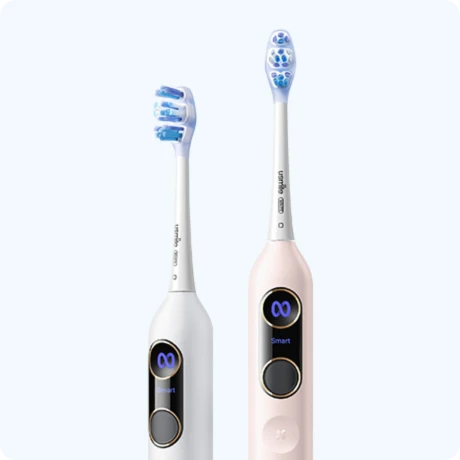
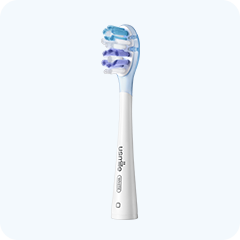
- For visual plaque feedback (specialized tracking): The usmile D50 OralCam includes two soft Ergonomic Brush Head 2.0 refills (Whitening and Gum Care) built with a flexible silicone-cushioned joint that absorbs excess brushing force while reaching upper back molars. Its 405 nm QLF fluorescence light and 300K built-in camera display plaque zones on a 1.65-inch handle screen, while Snipe Mode adjusts up to 70,800 movements per minute across four modes and three intensities (under 55 dB, IPX8, USB-C, with all scan images processed locally on the device). Important boundary: OralCam visualization is designed strictly for everyday plaque visibility and brushing feedback—it does not diagnose cavities, tooth decay, or gum disease.
[[Product Card]]
All three adult handles use cross-compatible usmile replacement brush heads with no mandatory subscription, keeping long-term upkeep predictable.
Kids' Electric Toothbrush (Ages 3–12)
- For building consistent kids' habits: The usmile Q30 Kids pairs small, child-sized ultra-soft brush heads (EU RoHS/REACH tested) with a soft silicone handle shaped for small hands to grip securely. Bone-conduction voice guidance, music, six-zone missed-spot reminders, USB-C charging, and an optional parent app make two-minute brushing easier to stick with while supporting—never replacing—parental supervision and touch-up brushing for children under age eight.
[[Product Card]]
How to Care for Your Toothbrush and Know When to Replace It
Even the right toothbrush loses cleaning power quickly if it is worn out or stored damp. Four quick habits keep any manual or electric brush hygienic and effective:

- Replace every 3–4 months (or sooner if frayed): Swap manual brushes and electric heads on the same three-to-four-month schedule—or earlier if bristles bend outward, since knowing when to replace your electric toothbrush head depends heavily on visible wear.
- Rinse thoroughly after every brush: Run tap water through the bristles to flush away toothpaste and debris, and wipe the neck where an electric head meets the handle.
- Store upright in open air: Let bristles dry completely between uses. Leaving a wet brush sealed inside a closed travel cap every day traps moisture and encourages microbial growth.
- Never share toothbrushes: Keep each household member's brush separate so bristles do not touch in a shared cup.
Frequently Asked Questions
Are extra-soft bristles better than soft bristles?
Extra-soft bristles are not automatically better for everyone—they are best reserved for sore, inflamed gums, post-procedure healing, or severe sensitivity. Standard soft bristles remain the everyday default because they balance gentle gum protection with enough stability to clear sticky plaque. If your gums bleed easily or feel tender even with a soft brush, ask your dentist whether stepping down to extra-soft bristles makes sense while they check the underlying cause.
Is a bamboo or charcoal toothbrush better than a standard nylon brush?
No—clinical evidence does not show that bamboo or charcoal-infused toothbrushes clean better than a standard soft nylon brush. Bamboo handles can reduce plastic waste if composted properly, though most still use nylon bristles and need thorough air-drying to avoid handle mold. Charcoal-infused bristles lack strong proof of superior whitening and can be abrasive if the filaments are stiff or unrounded.
How do I know if I am brushing too hard with my current toothbrush?
Bristles that splay or flatten within four to six weeks are the clearest sign you are pressing too hard. Other clues include gum soreness after brushing, notches near the gumline, or teeth that feel increasingly sensitive to cold air and drinks. Switching to a light fingertip grip—or an electric brush with pressure feedback—helps break the scrubbing habit before it irritates your gums.
Are expensive smart electric toothbrushes worth the extra cost?
Only if you will actually use their feedback to fix a specific brushing gap—otherwise, a basic timer-equipped electric brush cleans just as well for less. High-end models do not magically outperform good two-minute technique on their own. Pay extra for handle displays, voice cues, or visual scanning only if they genuinely help you brush longer, lighten your pressure, or catch missed back teeth.
Can an electric toothbrush damage enamel or dental fillings?
Not when used correctly with soft bristles and light pressure. Electric toothbrushes are designed to work while you gently guide the head along each tooth rather than scrubbing back and forth. Enamel wear and gum irritation come from excessive hand force, abrasive toothpaste, or medium-to-hard bristles—not from electric motion itself.
Should I replace my toothbrush after being sick?
For a mild common cold, healthy adults usually do not need an immediate swap, though replacing a brush head is a smart precaution after strep throat, flu, COVID-19, or an oral infection. You should also replace your brush sooner if you are immunocompromised or if its bristles touched someone else's brush.
Ultimately, how to choose a toothbrush comes down to comfort and consistency: start with soft bristles and a compact head, add electric features only where they solve a real habit gap, and refresh the brush every three to four months.
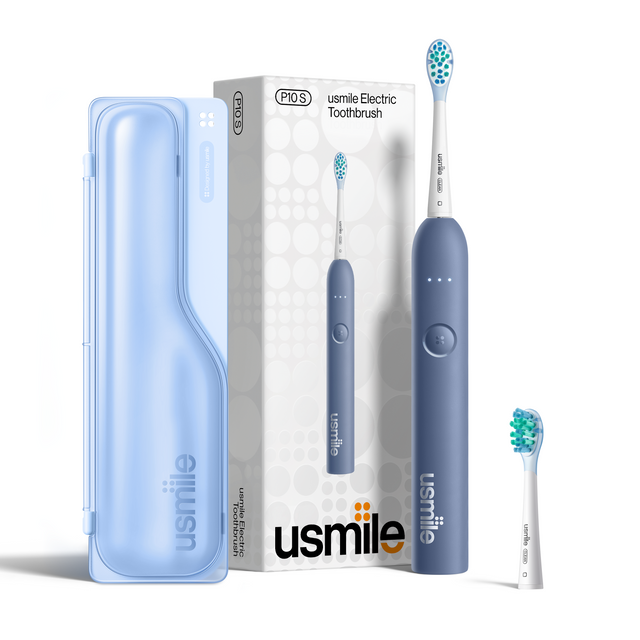
usmile P10S Sonic Electric Toothbrush
Clutter-free daily cleaning with intuitive controls and an incredible 180-day battery life.
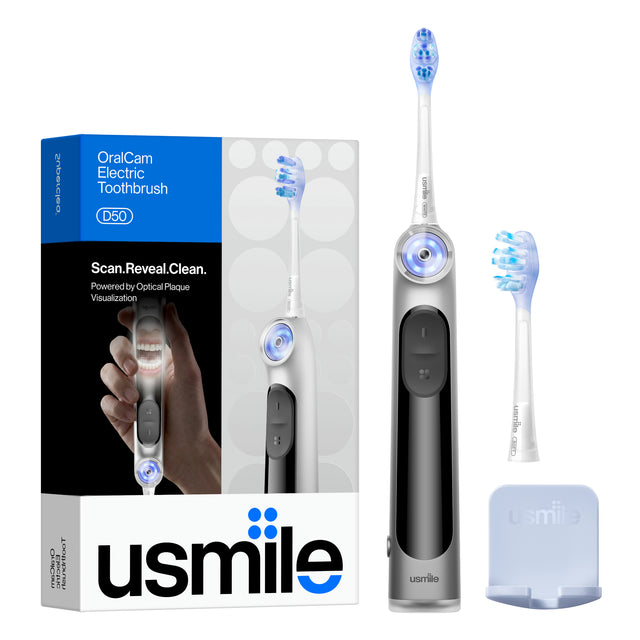
usmile D50 OralCam Toothbrush
Built-in OralCam for real-time plaque visibility and targeted adaptive cleaning for clinical-grade care
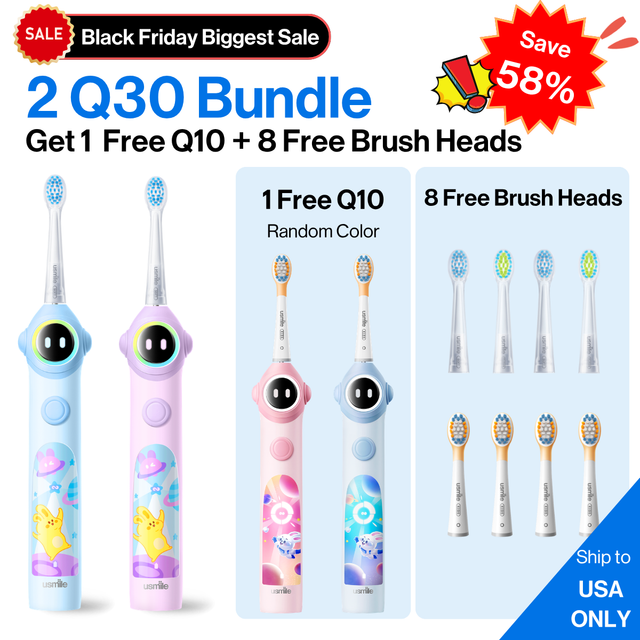
usmile Q30 Kids Electric Toothbrush
A talking brushing coach that helps kids brush better on their own. Safe for ages 3+. Tracks brushing in the app. Try risk-free for 90 days.

Electric Toothbrush
Discover usmile electric toothbrushes with AI guidance, plaque removal, gum protection and smart feedback for adults, kids and first-time users.
Electric ToothbrushDisclaimer
This article is for general oral-health education only and is not a substitute for professional dental diagnosis, advice, or treatment. Consult a licensed dentist or dental hygienist if you experience persistent bleeding gums, tooth pain, or ongoing sensitivity.