








Is Your Toothbrush Expired? How Often You Should Really Change Your Toothbrush Head
Change your toothbrush head every 3 to 4 months, or roughly 180 uses. Unopened refills do not expire in dry packaging, while rechargeable handles last 3-5+ years.

On This Page
Quick Answer
You should change your toothbrush head every 3 to 4 months, or sooner if the bristles look frayed or faded. While unopened brush heads do not expire in a dry box, active bristles lose plaque-removing stiffness after roughly 180 two-minute brushing sessions.
Why the 3-to-4-Month Rule Exists: What Happens to Bristles Between Day 1 and Day 90
If you have ever wondered whether how often should you change your toothbrush head is a genuine health guideline or a clever way to sell more refills, you are not alone. Dental experts interviewed by TIME note that many people stretch a single brush for six months, waiting until their next routine dental cleaning to swap it out.
The American Dental Association (ADA) recommends replacing manual toothbrushes and electric brush heads every 3 to 4 months, primarily because worn bristles lose their mechanical ability to sweep away plaque. Every two-minute brushing session exposes nylon or polybutylene terephthalate (PBT) filaments to water, toothpaste abrasives, and thousands of flexing cycles.
Clinical research shows that this wear happens faster than most people expect, though the exact timeline depends on how hard you brush:
- The 40-day tipping point: A three-month prospective stud; found similar plaque scores at day 40, followed by progressive increases at days 70 and 100 as bristle flaring increased. By the three-month mark, flared brushes were significantly less effective at removing plaque.
- Why wear degree beats the calendar: Clinical research by Rosema et al. (2013) found a statistically significant link (P < 0.0001) between extreme bristle splaying at three months (Plaque Index = 1.98) and worse plaque scores compared with brushes showing no visible wear (Plaque Index = 1.71). Meanwhile, a crossover trial on powered brush heads by Hogan et al. (2007) found that when three-month-old heads kept most of their original shape, plaque reduction (37.1%) stayed close to new heads (38.1%).
In practical terms, 90 days (~180 uses) is your upper safety ceiling, while visible bristle geometry is your real-time cutoff. Once bristles lose stiffness and bend outward, two secondary problems follow:
- Gum and enamel irritation: As Dr. Sonoko Nakasato explains via Cleveland Clinic, frayed bristles force more abrasive scrubbing motions that can scratch delicate gum tissue and contribute to gum recession.
- Damp microbial pockets: Flattened, matted tufts trap water longer and become more porous over time, creating damp hiding spots for oral bacteria and bathroom microbes .
5 Signs You Need to Replace Your Toothbrush Head Before 3 Months
Knowing when to change toothbrush heads comes down to inspecting the bristles rather than uessing from memory. If you notice any of these five signs before day 90, swap the head right away:
1. Bristles Fan Out Past the Brush Base (The "Bird's-Eye Test")
Hold your brush head upright and look straight down at the bristles from above. If the outer tufts splay past the edge of the plastic base—or if the center looks squashed flat—the bristle tips can no longer angle 45 degrees along your gumline.
2. Color Indicator Bristles Have Faded Halfway Down
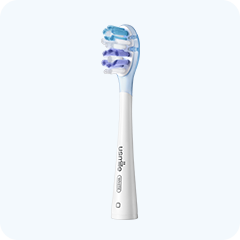
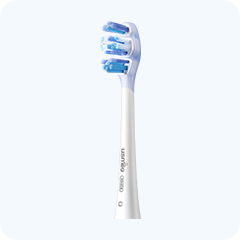
Many electric refills, including usmile Ergonomic Brush Head 2.0 refills, feature dyed indicator filaments that gradually fade from blue or purple toward white with daily friction and water exposure. Once the color fades roughly halfway down the tuft, it is time for a fresh head.
[[Product Card]]

3. Your Teeth Still Feel "Fuzzy" After a Full 2-Minute Brush
Run your tongue across the back of your lower molars or along your front gumline right after brushing. If your teeth still feel slightly slick or coated, softened bristles are sliding over plaque instead of lifting it away.
4. Chalky Residue, Lingering Odor, or Dark Buildup Inside the Shaft
Hardened toothpaste crust at the bristle roots, a sour smell that survives rinsing, or gray-brown buildup inside the hollow connector shaft are clear hygiene red flags (TIME). Choosing usmile replacement brush heads with an island-style bristle layout gives water room to drain between tufts so residue has fewer places to hide.
[[Collection Card]]
5. Post-Illness Recovery, Contamination, or Braces Wear
When deciding when to replace toothbrush head refills early due to health or hardware triggers, use this quick rule of thumb:
When to Swap Immediately vs. When It's Optional:
- Swap immediately: After strep throat, oral infections, flu, or COVID-19; if you are immunocompromised; or if the bristles touched someone else's brush or fell on the bathroom floor.
- Swap every 6–8 weeks: If you wear metal braces, as brackets and archwires fray nylon filaments much faster.
- Optional comfort swap: If you are generally healthy and just recovered from a mild common cold, self-reinfection is unlikely—though changing the head is an easy, low-cost precaution.
Do Toothbrushes Expire in the Box? (Unopened Refills vs. Active Heads vs. Electric Handles)
A common source of confusion around do toothbrushes expire is mixing up sealed shelf life, active brush-head wear, and how often should you change electric toothbrush handles. Each part runs on a completely different clock:
| Component | Typical Lifespan | When to Replace |
|---|---|---|
| Active brush head / manual brush | 3–4 months (6–8 weeks with braces) | Splayed bristles, faded color, or post-strep |
| Unopened replacement brush heads | No set expiration if sealed & dry | Only if packaging is torn or damp |
| Rechargeable electric handle | 3 to 5+ years of daily use | Battery fails to hold charge or motor dies |
Sources: ADA and Delta Dental of New Jersey.
Unlike fluoride toothpaste (which loses active potency roughly two years after manufacture) or antiseptic mouthwash, unopened manual brushes and replacement heads do not expire as long as their packaging stays dry and intact (Delta Dental of New Jersey, Fremaux Dental Care). Stocking up on multi-pack refills for a full year or two is safe and keeps spares ready the moment bristles flare.
As for how long should you use a toothbrush handle lifespan, you never need to throw away a working rechargeable handle every three months. A well-sealed lithium-ion handle routinely lasts several years of daily brushing. To protect battery longevity, avoid leaving battery-powered brushes completely drained in damp drawers for months, and remember that handles requiring fewer annual recharges (such as 90- to 180-day USB-C models) experience less daily port wear than 14-day brushes.
[[Product Card]]
Why Your Brush Head Frayed in 3 Weeks—and How to Make Each Refill Last a Full 90 Days
If your brush head looks crushed after just three or four weeks, the issue is usually technique or moisture—not defective bristles.
Stop the #1 Culprit: Excessive Brushing Pressure
Dental plaque is a soft biofilm, not baked-on grease. Only the rounded tips of the bristles sweep plaque away; pressing hard bends the filaments sideways so the plastic shafts rub against enamel while missing the gumline. Let sonic vibrations do the work with a light, two-finger grip. If children chew on their brush head while walking around, supervise brushing so they do not mash the tufts flat.
Follow the Daily Rinse, Detach, and Air-Dry Routine
After every brushing session, follow three quick steps recommended by dental associations (ADA, usmile brush-head cleaning guide):
- Rinse bristles thoroughly under warm tap water to clear toothpaste and food debris.
- Pop off the brush head briefly to rinse the hollow inner connector and the handle's metal shaft so toothpaste slurry cannot dry into dark buildup inside.
- Store upright in open air, separated from other family members' brushes. Never snap a damp brush head into a closed travel cap or drawer at home, as trapped moisture accelerates bacterial and mold growth.

Skip Boiling, Microwaving, and Dishwashers
Despite viral zero-waste hacks online, the ADA explicitly warns against microwaving or dishwashing toothbrushes, because high heat warps nylon bristles and weakens silicone joints. While soaking a brush head for 5 to 10 minutes in 3% hydrogen peroxide or antibacterial mouthwash can reduce surface bacteria by roughly 85% , sanitizing never restores bent or worn-out bristles.
[[Product Card]]
How to Choose the Right Replacement Brush Head (and Smart Features That Prevent Early Wear)
Picking the right refill design and handle feedback makes hitting the 90-day mark effortless—without getting locked into pricey auto-ship subscriptions.
Cushioned, Cross-Compatible Refills Without Forced Subscriptions
Look for replacement heads with over 90% end-rounded soft bristles to protect gums, a shock-absorbing silicone or air-cushioned back to stop hard plastic from tapping teeth, fading indicator bristles, and open drainage spacing between tufts.
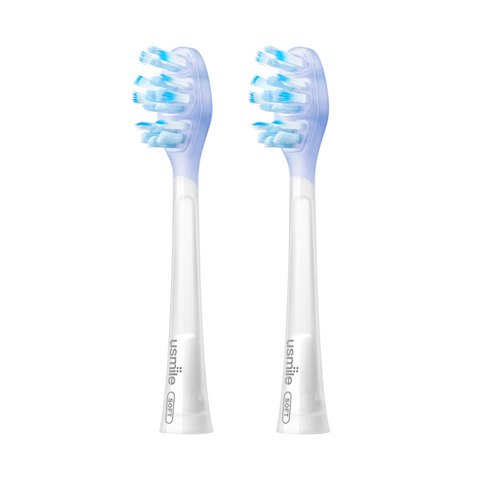
All adult usmile replacement brush heads—including the usmile Ergonomic Brush Head 2.0 (featuring a 4.3 mm ultra-slim profile, flexible 8° silicone joint, 25° biomimetic back for back molars, and island-style drainage) and the Classic Clean Soft Bristle Brush Head 1.0—are cross-compatible across adult usmile handles with zero mandatory refill subscriptions.
Smart Pressure & Visual Guidance That Protect Your Bristles
If you repeatedly flatten bristles early or wonder whether your brush head is still reaching back molars, matching your handle to your brushing habit helps:
| Your Brushing Need | usmile Option | How It Protects Bristles |
|---|---|---|
| Heavy pressure / missed spots | usmile Y20 PRO | AI haptic pressure alert & auto-slowdown |
| Visual plaque verification | usmile D50 OralCam | 405nm QLF scan + flexible silicone joint |
| Simple everyday & travel | usmile P10 S | Air-cushioned head + 180-day USB-C battery |
| Kids who chew bristles | usmile Q30 Kids | Red-light pressure ring + soft small heads |
Note: All app-enabled models work 100% standalone on the handle without requiring a phone at the sink. See the usmile electric toothbrush collection for full model specifications.
[[Product Card]]
- For heavy brushers and distracted adults: The usmile Y20 PRO AI Electric Toothbrush pairs an on-handle Live 3D Oral Map and FocusCare™ bone-conduction voice cues with an AI haptic pressure sensor that automatically reduces intensity when you press too hard, protecting both your gums and your brush head for up to 90 days per USB-C charge.
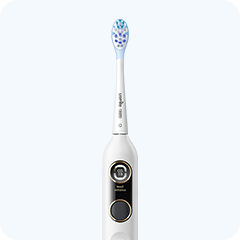
- For visual plaque confirmation: The usmile D50 OralCam Toothbrush integrates six 405nm QLF violet LEDs and a 300K intraoral camera on a 1.65-inch handle screen, making matured plaque fluoresce pink or red so you can spot missed areas along the gumline in real time. Its Snipe Mode automatically adjusts cleaning intensity, while its Ergonomic Brush Head 2.0 uses a flexible silicone joint to cushion excess force. (Note: OralCam fluorescence provides daily brushing feedback only and does not diagnose cavities or periodontal disease.)
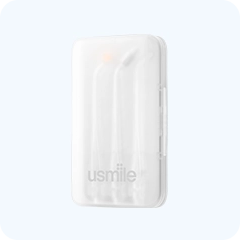
- For straightforward, low-maintenance care: The screenless usmile P10 S Electric Toothbrush combines a 2-minute timer, 30-second quadrant pacing, an IPX8 seamless body, air-cushioned soft brush heads, and up to 180 days of USB-C battery life.
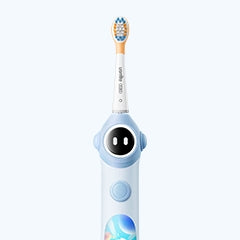
- For kids ages 3–12: The usmile Q30 Kids Electric Toothbrush uses a red-light Smart Light Ring that alerts children when they bite or press too hard, paired with a bone-conduction talking coach and EU RoHS/REACH-tested ultra-soft small brush heads.

Frequently Asked Questions About Toothbrush Head Lifespan
What happens if I don't change my toothbrush head for a year?
After a year, severely splayed bristles lose their ability to reach between teeth and below the gumline, allowing plaque to build up and raising your risk of gingivitis and cavities. Worn, jagged filament tips can also abrade tooth enamel and irritate gum tissue.
If I only brush once a day or alternate between two toothbrushes, can I wait 6 months?
Alternating between two separate brushes lets each head dry thoroughly and cuts mechanical wear in half, which can reasonably extend how long each head stays intact. However, brushing only once a day harms oral health and is not recommended; dentists advise brushing twice daily for two minutes and replacing active heads every 3 to 4 months.
Can two people share one electric toothbrush handle if they use separate brush heads?
Yes—because the handle itself does not enter your mouth, sharing one base with clearly labeled, separate brush heads is generally low-risk as long as you rinse and dry the handle collar between uses. Keep in mind that smart handle displays or app logs will combine both users' brushing data, and you should avoid sharing a handle while either person is sick.
Do UV toothbrush sanitizers make a brush head last longer than 3 months?
No. While a clinical study by Boyapati et al. (2014) shows UV-C toothbrush holders effectively reduce surface bacteria, ultraviolet light cannot straighten bent nylon bristles or restore worn, rounded tips. You still need to replace the head every 3 to 4 months.
What is the pink film on my toothbrush head or base, and should I throw the head away?
That slimy pink residue is usually Serratia marcescens, a common airborne bathroom bacterium (not true mold) that thrives in standing moisture. If you see it on your bristles or inside the hollow head connector, throw the brush head away immediately and scrub and dry the handle collar thoroughly.
How often should you change a child's electric toothbrush head?
Often sooner than every three months. Kids frequently chew on bristles or press too hard while learning, so parents should inspect children's brush heads monthly and replace them as soon as the tufts start to splay.
Can you recycle old electric toothbrush heads—and how should you dispose of an old handle?
Standard curbside recycling bins rarely accept brush heads because they mix plastic, nylon bristles, and tiny metal staples; instead, repurpose old heads for household detail cleaning (like tile grout) or use mail-in oral-care recycling programs. When a rechargeable handle's lithium battery finally dies, take it to a local e-waste or hazardous waste drop-off rather than regular trash.
Are usmile replacement brush heads cross-compatible across different usmile toothbrush handles?
Yes. All adult usmile replacement heads—including Classic Clean Soft Bristle Brush Head 1.0 and Ergonomic Brush Head 2.0—fit across adult usmile sonic handles (P10 S, Y20 PRO, and D50 OralCam), while Q30 Kids brush heads are sized specifically for kids' handles (usmile Brush Head Collection).
Give your current brush head a quick Bird's-Eye Test today. If the bristles are fanning out or faded, stock up on cross-compatible refills in the usmile Replacement Brush Head or explore pressure-guided toothbrushes in the usmile Electric Toothbrush.
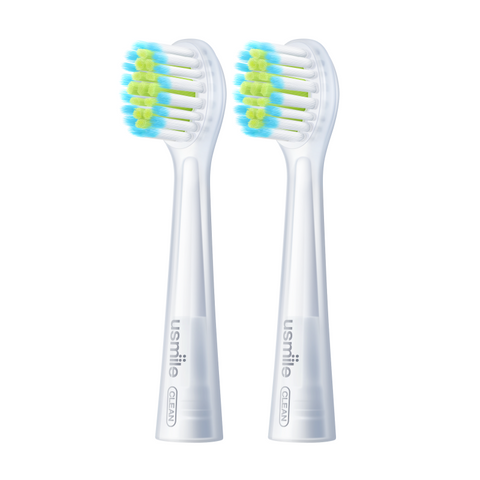
Kids electric toothbrush replacement brush head
Small, soft, and safe. Designed to protect developing gums and teeth.
View product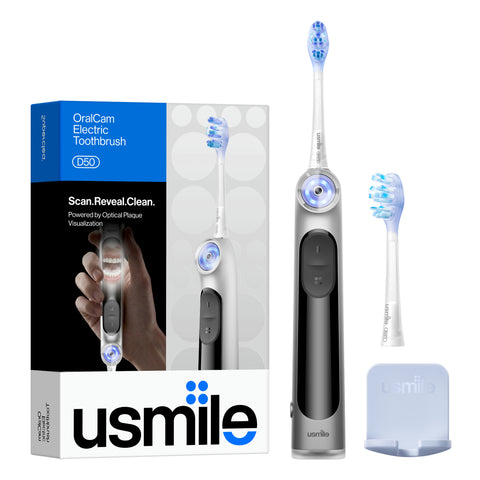

Brush Heads
Shop replacement brush heads for usmile toothbrushes. Find gentle, compatible heads designed for effective daily cleaning and easy 3-month replacement.
Brush HeadsDisclaimer
This article is for general oral-health education only and does not replace professional dental examination, diagnosis, or cleaning. Consult a licensed dentist if you experience persistent gum bleeding, localized tooth pain, or hardened tartar buildup.