


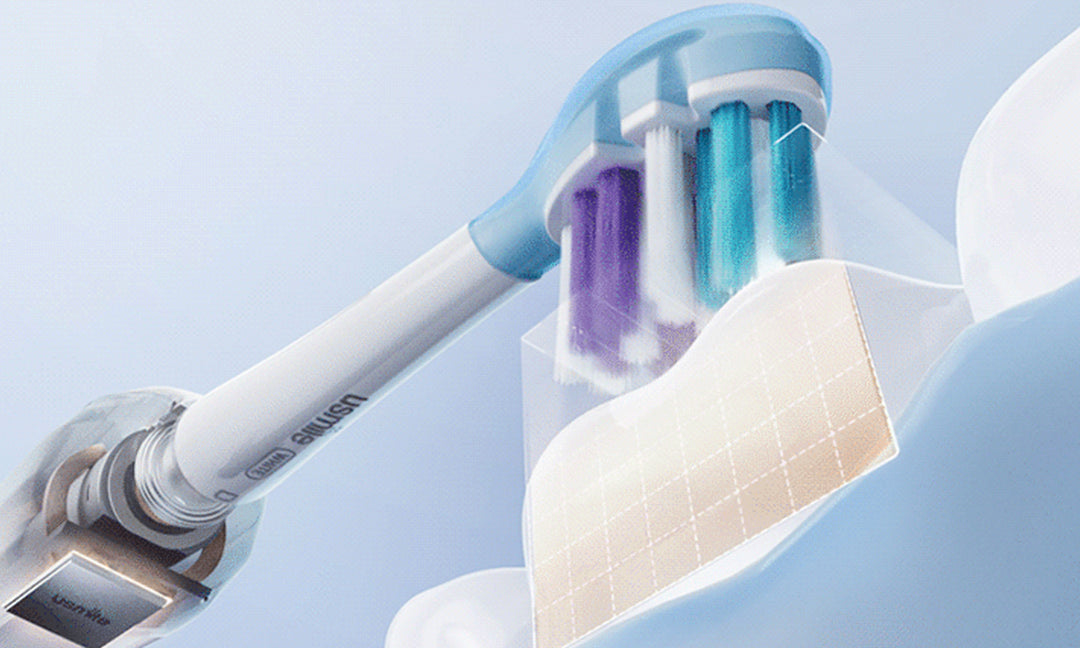
How to Brush Teeth Without Toothpaste: What Actually Works
The toothpaste is gone. The tube ran dry two days into the trip, you forgot to restock, or you just squeezed it for the fourth time and got absolutely nothing. It happens to everyone, and the real question it raises — how to brush teeth without toothpaste, and whether it's even worth doing — is more practical than most people stop to think about, which is whythis emergency brushing guide is worth a quick look.
You don't skip it. A wet toothbrush used for a real two minutes still pulls food particles off surfaces and breaks up the bacterial film sitting on your teeth. That physical scrubbing is the main job brushing actually does. Toothpaste brings fluoride into the equation and gives you that clean, slightly tingly feeling people associate with a proper brush — both of those things genuinely matter. But the bristles were already handling the real mechanical work long before paste ever became part of the picture.
If getting more brushing in your brush routine is something you're thinking about, paste or offersuSmile builds the best of the best tools for smart oral hygiene and is worth a look when you're restocking.
Can You Actually Brush Teeth Without Toothpaste?

Look — the American Dental Association has acknowledged that brushing without toothpaste can remove plaque and food debris from teeth. The widespread use of toothpaste is mostlya matter of how it feels. The foam, the mint, the clean sensation in your mouth afterward. All real. All coming from the paste's flavor and consistency, not from the bacteria that had already occurred before the paste arrived.
Two separate jobs. The brush handles one of them: physical disruption of the bacterial film on teeth. The paste handles the other: fluoride chemistry that supports enamel remineralization. Remove the paste, and the brush still does its job. What's missing is the chemistry.
What the bristle is doing at the moment of contact

Each bristle tip presses into plaque — a thin sticky bacterial layer that accumulates on teeth between brushes and hardens into tartar if it stays long enough. The pressure of the bristle disrupts that attachment. Breaks the plaque film before it can mineralize. This is the whole mechanical point of brushing, and it happens whether there's fluoride paste on the bristles; what affects this process significantly is bristle condition. Worn or splayed bristles have lost surface contact area — they're not making the same clean contact with tooth surfaces they made when they were new. Which is exactly why fresh replacement brush heads make a measurable differenceinhow it is actually removed per session, with or without toothpaste.
The part of the toothpaste actually owns
Fluoride. NIDCR research confirms that fluoride supports remineralization, in which minerals are redeposited into weakened enamel. That's a chemical interaction between fluoride ions and the enamel surface. No brushing motion replicates it. No natural alternative currently in widespread use replicates it.
One night without toothpaste is nothing. A consistent habit of brushing without fluoride is a persistent, invisible erosion of cavities. This is the kind that shows up at a dental exam rather than in how your teeth feel day-to-day.
How to Brush Teeth Without Toothpaste: The Method

Wet the bristles — this isn't optional.
Run the brush under water before you start. Wet bristles flex more at contact with gum tissue, are gentler at the gumline where dry bristle friction can irritate, and carry loosened debris away from the tooth surface rather than just redistributing it. Some people argue dry brushing creates more direct enamel contact and removes more plaque per stroke — that's probably true. It's also rougher. Wet is the practical choice for regular use.
Two full minutes. Set a timer.
Front teeth, back teeth, inside surfaces of both arches, chewing surfaces, gumline on top and bottom, and your tongue. Studies that have actually clocked brushing duration consistently show it's between 45 and 60 seconds, not the two minutes people believe they're doing. Set a phone timer. Without paste assisting, the bristle time you put in is the only cleaning you're getting.
Forty-five seconds across one side of your mouth is not the same thing as two minutes. Without toothpaste, there's no disguising the shortcut.
Rinse — a few times, not once
After brushing, swish and spit two or three times. Whatever the bristles dislodged from tooth surfaces needs to leave the mouth. Without paste foam helping carry debris out, the rinse step matters a bit more than it normally does. A quick single spit isn't the same as a proper rinse.
Floss — more important here, not less

A toothbrush handles roughly 65% of tooth surfaces. The spaces between teeth — the other 35% — are floss or water flosser territory, and toothpaste doesn't help there regardless. For people who skip flossing regularly, a paste-free night is a decent reminder: interdental cleaning is where the most unaddressed room for improvement in most people's oral hygiene routine actually lives.
7 Toothpaste Alternatives That Actually Hold Up

Short-term only. None of these are permanent replacements for fluoride toothpaste — but they cover a night or a few days away from home without causing damage.
|
Alternative |
What It Does |
Its Limitation |
|
Plain Water |
Safest, always available |
No fluoride, won't freshen breath |
|
Mouthwash on Brush |
Antibacterial + fresher breath |
Swishing alone doesn't remove plaque |
|
Diluted Sea Salt |
Antibacterial, boosts saliva |
Abrasive if undiluted — always dissolve first |
|
Baking Soda |
Neutralizes acids, mild abrasion |
Wears enamel if used hard or too often |
|
Coconut Oil |
Antibacterial, antifungal |
No fluoride; 15-min oil pull not practical |
|
Crunchy Vegetables |
Saliva boost, surface contact |
Not a substitute for brushing |
|
Sugar-Free Gum |
ADA-backed saliva production |
No physical cleaning of tooth surfaces |
1. Plain water — less boring than it sounds
Wet brush, two full minutes, proper coverage of every surface. No fluoride, no fresh breath. But plaque gets disrupted, and food debris gets cleared. Three out of four jobs still get done. For a single night, that's a reasonable outcome and much better than skipping the brush entirely.
2. Mouthwash on the brush — underused approach

Swishing mouthwash and calling it brushing is not the same thing — swishing flows around plaque rather than dislodging and butting it, but dipping the toothbrush into a capful of mouthwash and brushing normally? Different story. The bristles handle the mechanical cleaning they always do; the mouthwash adds antibacterialcoverage; and the results are noticeably better than with plain water. If you have mouthwash in the bag, this is the upgrade.
3. Diluted sea salt water — works, with one rule
Half a teaspoon dissolved in a cup of warm water. The dissolved part is not negotiable. Sea salt crystals applied dry to a brush are abrasive — genuinely abrasive in a way that scratches enamel with repea. When dissolved in water, the abrasive risk drops, and you have a mild antibacterial rinse that also stimulates saliva production, which does the bacterial-clearing work. One night, dissolved, brushed gently? Fine. Dry salt on enamel regularly? No.

4. Baking soda — occasionally, not aggressively
Wet the brush, dip it lightly in baking soda, and use light pressure. The slight alkalinity neutralizes acids that bacteria produce on tooth surfaces. Mild abrasiveness lifts surface staining. Used gently and infrequently — a couple of times a week at absolute most when you're between tubes — it's a workable option. Pressed hard daily over the long term, it wears down enamel. Gentle and occasional are the two conditions that make this safe.
5. Coconut oil — practical version only
Antibacterial, antifungal, reasonably tasting. A small amount is used to brush normally — two minutes, all surfaces. The 15-to-2 oil-pulling version has some supporting evidence for reducing bacteria, but that's not a realisticoption for a quick brush before work at 6 am. The brush method is. Use the brush method.
6. Crunchy vegetables — bridge, not substitute
Apples, celery, carrots. Their fiber creates some mechanical contact with tooth surfaces as you chew, and chewing anything substantially boosts saliva flow — saliva that neutralizes acids and clears bacteria. Eating one after lunch, when brushing isn't immediately,gives your mouth better conditions for a couple of hours. Not brushing. But not nothing.
7. Sugar-free gum — ADA-endorsed for a real reason
The ADA backs sugar-free gum specifically for post-meal use because it triggers saliva, which clears food debris, neutralizes acids, and reduces bacterial activity. Gum with sugar feeds those bacteria instead of clearing them, so sugar-free is non-negotiable. Xylitol-based gum has the strongest antibacterial effect specifically. Worth keeping in your bag for situations where brushing isn't possible right after eating.
What Not to Put on Your Toothbrush

Some things circulate online as toothpaste alternatives and cause actual damage:
- Lemon juice and apple cider vinegar — both are acidic enough to dissolve enamel. People use them for DIY whitening. They remove the enamel that makes whitening possible. Enamel doesn't grow back. This one is a hard no.
- Hydrogen peroxide at a dilution above 3% is a mild rinse. At higher concentrations, it damages gum cells and oral tissue. Stick to drugstore-grade or avoid entirely.
- Activated charcoal — abrasive, popular in wellness marketing, and not supported by dental research for meaningful whitening benefit. The gritty texture that makes it feel effective is due to physical abrasion on the enamel with every use.
- Any kind of soap — body soap, hand soap, "tooth soap" — made for external skin use, not for oral mucosa, not for swallowing. The irritation risk is real, and there are better options throughout this list.
- Dry salt crystals directly on the brush — same antibacterial benefit without the abrasion if you dissolve them in water first. Takes 30 seconds. Do that.
Quick way to tell whether a DIY method is crossing a line: if it makes teeth feel sore, withaching or a sensationin the gums, that's not just cleaning intensity. That's tissue damage. Clean and painful aren't the same sensation, but in the moment, they're easy to mix up.
Is Dry Brushing Without Toothpaste Worth Doing?
More effective than its reputation, honestly. Studies measuring plaque removal have found that dry brushing sometimes outperforms wet brushing, specifically because no paste layer sits between the bristle and the tooth. More direct contact. More disruption per stroke. Some periodontists recommend it for certain patients with gum sensitivity issues.
The trade-off is clearly defined: no fluoride. Mechanical cleaning outcome is strong; enamel chemistry support is absent. For a night or a week, that trade-off is fine — your teeth get cleaned, and the fluoride absence is short enough to be meaningless. As a permanent air removal, it removes a meaningful layer of cavity protection that doesn't show up missing until it's been missing long enough to matter.
Natural Ways to Clean Teeth Without Toothpaste

'Natural' gets applied to approaches on both ends of the safety spectrum without distinguishing between them. Lemon is natural. Lemon also strips enamel. The label doesn't tell you whether something specifically ing is safe for you.
What actually holds up: water brushing with proper full-coverage technique, sea salt dissolved in warm water, sugar-free xylitol gum, drinking water after meals to clear food residue and dilute mouth acids, and fibrous vegetables that stimulate saliva and create some mechanical contact during chewing.
What doesn't hold up despite being natural: anything acidic — lemon, vinegar, citrus-based rinses — and anything aggressively abrasive like charcoal or rough herbal powders. Enamel is 2 to 3 millimeters thick at its deepest point. It doesn't regenerate when it wears. Repeated acid or abrasive exposure takes a small amount each time — not day-to-day, but cumulative and permanent.
When to Get Toothpaste Back in the Routine
A night or two on any of these alternatives is genuinely fine. A week is where it starts to stretch. Beyond a week, the absence of fluoride begins to matter — not catastrophically, not immediately, but steadily.
Travel-size fluoride toothpaste is at every gas station convenience store, most pharmacy counters, and usually at hotel front desks if you ask. This is one of the least difficult supply problems to solve.

And when res,cking — the brush condition matters as much as the paste going on it. Bristles that are three or four months old and visibly splayed aren't delivering the same surface contact they were when they were new. Replacing the brush head at the same time you restock the paste solves both variables in one go. An ergonomic toothbrush head with fresh bristles restores the mechanical cleaning the brush is supposed to be delivering — something easy to overlook but noticeable within the first session.
What to Actually Remember From All of This

Running out of toothpaste doesn't mean skipping brushing. The brush handles the physical work — disrupting plaque, clearing debris, and keeping bacterial film from hardening — with or without it. Plain water covers you for a night. Sea salt water, baking soda, mouthwash on the brush, and coconut oil are all reasonable short-term options. The things to avoid are anything acidic or aggressively abrasive, which damage enamel regardless of how natural or 'detox' they're marketed. And the thing to bring back as soon as possible is fluoride toothpaste — not because brushing without it was a catastrophe, but because fluoride is the only part of the routine that actually reinforces enamel chemistry, and that's not a job any alternative on this list can do.
FAQs
What can I use to brush teeth without toothpaste?
A wet toothbrush with plain water is the default — always accessible, no risk, and if used for a full two minutes with proper coverage, it does the mechanical work brushing is supposed to do. If you want to go further than that, diluted sea salt water (dissolved fully in warm water before the brush touches it), mouthwash applied to the brush rather than just swished, or a small amount of baking soda, applied gently, are all reasonable for a night or a few days. Just keep in mind that none of these options provides fluoride, which means they work as short-term bridges only — not as long-term replacements for daily fluoride toothpaste.
Can I take creatine after brushing my teeth?
No dental concern if the creatine is mixed in plain water. If you're mixing it with a sugary or acidic drink — certain fruit juices, some flavored powders — the sensible moveis to move afterward to clear the acid or sugar from your tooth surfaces before it sits there. The creatine compound itself has no relevant interaction with enamel or gum tissue.
Is dry brushing good for your teeth?
Actually stronger at mechanical plaque removal than most people assume — some research shows dry brushing outperforms wet brushing because the bristle makes more direct contact with the plaque film when there's no paste lubricating the surface. What it can't provide is fluoride, which means the enamel chemistry support that toothpaste delivers is absent. Good for a short emergency period. Not a permanent replacement for fluoride, diabetes: Cantoo. Canpeople with diabetes use regular toothpaste?
Most people with diabetes can use regular fluoride toothpaste without issue. What matters more for someone with diabetes is the consistency of the habit — it increases disease risk, which affects saliva quality in some cases. It slows oral tissue healing, which makes maintaining regular brushing and flossing more important than for the general population. If there are concerns about specific ingredients, a dentist can review the options and recommend what fits.
How to clean teeth naturally?
Start with water brushing — full two-minute technique, every surface. Add floss. Drink water after meals; rinsing with water clears loose food particles and helps dilute acid exposure from food. Chew sugar-free gum to increase saliva flow. Eat fibrous vegetables — celery, apples, carrots — that create mechanical surface contact and stimulate saliva during chewing. Skip any DIY approach involving lemon juice, vinegar, or charcoal. Those are natural and still damage enamel.
Can I use my finger to brush?
Last resort, but yes — wrap a clean, damp cloth around your index finger and work it across each tooth surface. A cloth has enough texture to shift surface debris and provides more contact than a bare finger. What it can't do is replicate the precise bristle action of a toothbrush on enamel. Fine for one night with nothing else available. Get a real brush at the next opportunity.
What is a natural alternative to toothpaste?
Water brushing is the safest option with no downsides for short-term use. Baking soda — used with light pressure and infrequently — has mild cleaning properties and helps neutralize mouth acidity. Salt water is antibacterial when fully dissolved. Coconut oil is antifungal and antibacterial when used on a brush rather than just swished. All four are temporary optioprovidese provide fluoride. Is fluoride the one thing none of them can genuinely substitute? Why is fluoride toothpaste recommended for daily use?
Can yellow teeth turn white again?
Depends on what's causing it. Surface staining from coffee, tea, wine, and food responds well to consistent brushing and periodic professional cleaning — that extrinsic layer is removable. Yellowing from within the tooth — aging, tetracycline antibiotics taken during tooth development, enamel thinning that exposes the naturally yellowish dentin beneath — doesn't respond to brushing. That type needs professional whitening treatment or cosmetic dental work to address. Over-the-counter strips and whitening pastesadequately address staining. Anything structural is a dentist conversation.
Sources
- National Institute of Dental and Craniofacial Research (NIDCR) — Tooth Decay: fluoride, enamel strength, brushing twice daily, cavity prevention
- ADA MouthHealthy — Chewing Gum: sugar-free gum stimulates saliva, washes debris, neutralizes mouth acids
- ADA MouthHealthy — Fluoride: role in preventing tooth decay, enamel strengthening, and strengthening daily routine. Oral Health Center — Hacks: Forgot Your Toothpaste — brushing with water, mouthwash, sea salt, sugar-free gum
- WikiHow — Medically reviewed by Cristian Macau, DDS, How to Brush Teeth Without Toothpaste — baking soda, sea salt, water flosser, gum alternatives
- Vancouver DDS (Thurston Oaks Dental) — Can I Brush My Teeth Without Toothpaste? — ADA reference, dry brushing, toothpaste role
- Boulder County Smiles — Out of Toothpaste? 5 Alternatives — baking soda, saltwater, hydrogen peroxide, coconut oil
- Hemet Dental Center — Natural Alternatives to Toothpaste — sea salt, coconut oil, herbal powders, essential oils


Looking for something else?
Best Electric Toothbrush for Teens (2026): Top Picks, Tested and Reviewed
LEARN MORE
Best Electric Toothbrush for Gum Disease (2026): 6 Picks Tested for Real Gum Protection
LEARN MORE
Electric Toothbrush on Plane: The Complete Travel Guide (2026)
LEARN MOREBest Sustainable Electric Toothbrush 2026: 5 Picks Tested for a Greener, Healthier Smile.docx
LEARN MORELooking for something else?
Best Sustainable Electric Toothbrush 2026: 5 Picks Tested for a Greener, Healthier Smile
LEARN MORE
Best Cheap Electric Toothbrush (2026): Top 5 Budget Picks That Actually Work
LEARN MORE
Ultrasonic Toothbrush vs Electric: Which Technology Wins for Your Smile?
LEARN MOREYou may also like
usmile Q30 Kids Electric Toothbrush

usmile Q30 Kids Electric Toothbrush Trio Pack


usmile C30SE Portable Dental Flosser

Further reading
The 5 Toothbrushing Spots Kids Miss Most—and How Parents Can Help
The Back-to-School Brushing Reset: A 14-Day Plan for Kids Ages 3–8
Behind usmile D50 OralCam Toothbrush: From Motion Tracking to Visual Intelligence in Oral Care

