









Plaque vs. Tartar: What’s the Difference and How to Get Rid of Them at Home
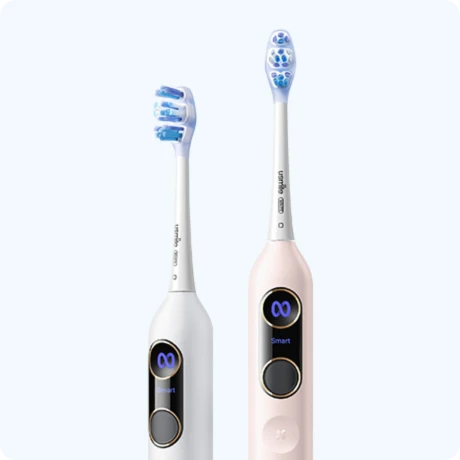
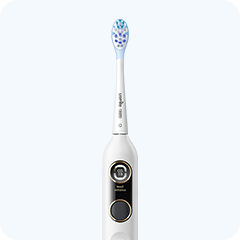
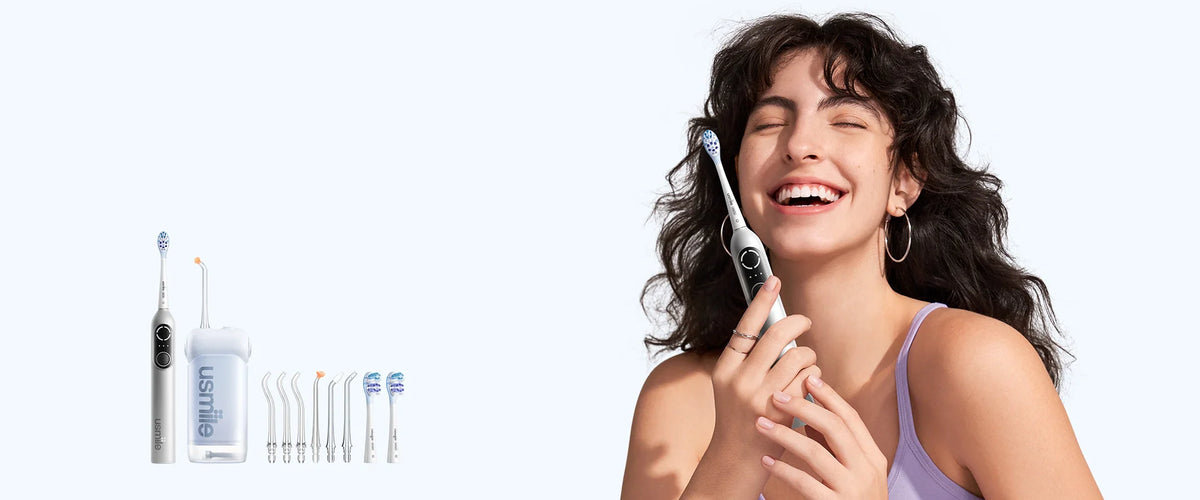
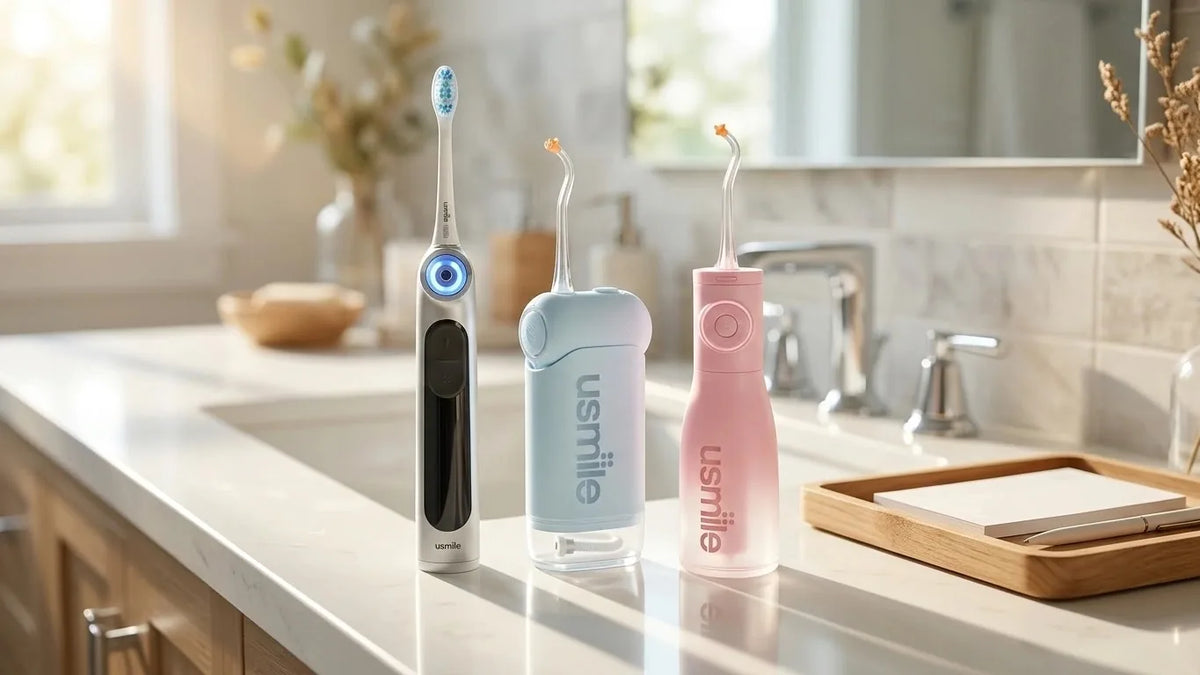
The usmile Y10 PRO electric toothbrush claims 20× more plaque removal than a manual brush. Plaque is a soft, sticky film of bacteria and food debris that constantly forms on your teeth. It often feels fuzzy if not brushed away. You should remove plaque daily, since buildup can lead to cavities and gum inflammation. Electric toothbrushes make this easier: clinical reviews show they remove significantly more plaque (and reduce gingivitis) than manual brushing. For example, our usmile Y10 PRO electric toothbrush and Y20 PRO models use high-speed sonic pulses and smart guidance to reach all tooth surfaces and dislodge plaque effectively.
What is Tartar?
Tartar (also called dental calculus) is what you get when plaque isn’t fully cleaned off. Over time, minerals in your saliva cause hardened plaque to form a crusty deposit on the teeth. Tartar usually appears yellow-brown and can develop above and below the gumline. Unlike plaque, it can’t be brushed away – only a dentist or hygienist can scrape it off. Tartar harbors even more bacteria, which irritate gums and can lead to gum disease and tooth decay if not treated.
Plaque vs. Tartar: Key Differences
The main difference is texture and removability. Plaque is a soft biofilm that you can remove each day with brushing and flossing, whereas tartar is a hard, calcified deposit that resists home cleaning. In other words, plaque builds up quickly and only causes problems if you neglect it; tartar is the end result of long-term neglect. Because you can’t brush off tartar yourself, it tends to cause more serious gum inflammation and enamel erosion over time.
Why It Matters
Both plaque and tartar contain harmful bacteria that attack your teeth and gums. Left unchecked, plaque can erode enamel and cause cavities. Both plaque and tartar can inflame the gums – leading to gingivitis and potentially severe gum disease. Over time, excessive tartar may even lead to receding gums and tooth loss. (Persistent bad breath is often a sign of too much buildup as well.) The takeaway: disrupting plaque daily is vital to prevent these problems.
Prevention & At-Home Cleaning Tips
-
Brush thoroughly twice a day. Use a quality electric toothbrush (for example, the usmile Y10 PRO or Y20 PRO) to sweep away plaque from all tooth surfaces. Brushing for 2 full minutes each session helps remove stubborn plaque before it hardens. Many electric brushes (like these) have built-in timers and pressure sensors to ensure even cleaning without damage.
-
Clean between teeth daily. Floss every day or use a water flosser to flush out plaque from gaps your brush can’t reach. Water flossers like the usmile C10 shoot a targeted stream of water along the gumline. This can dislodge debris and bacterial film effectively. In fact, clinical studies show water flossers remove nearly all plaque in treated areas (up to ~99.9%), and the C10 is tested to eliminate 99.99% of plaque in its water stream. Water flossers are especially useful if you have braces or find traditional floss hard to use.
-
Schedule professional cleanings. Visit your dentist twice a year for check-ups and cleanings. Even with great home care, tiny bits of plaque can hide in hard-to-reach spots. A dental hygienist will scrape away any tartar buildup and polish your teeth, preventing plaque from turning into new calculus between visits.
-
Watch your diet and habits. Limit sugary and starchy snacks, since sugar feeds the plaque-forming bacteria. Also avoid tobacco, which is linked to more rapid tartar buildup. Drinking plenty of water and eating crunchy fruits or vegetables can help rinse your mouth and reduce plaque formation.
By understanding the differences between plaque and tartar, and by following a thorough daily routine (plus regular dental visits), you can keep buildup under control. Using the right tools at home – like the Y10 PRO/Y20 PRO electric toothbrush and C10 water flosser – makes it easier than ever to remove plaque effectively and prevent tartar from forming.


Looking for something else?

How to Make Brushing Teeth Fun for Kids Without Daily Battles
LEARN MORE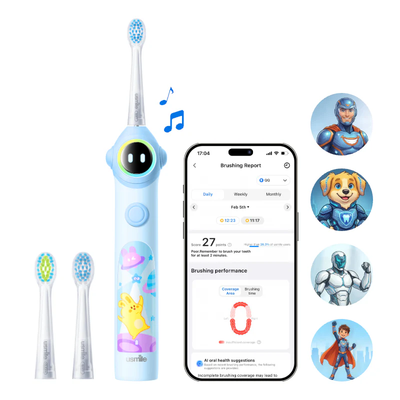
Best Toothbrush for Kids Who Hate Brushing: Parent Guide
LEARN MORE
Best Electric Toothbrush for Kids: What Parents Should Look For
LEARN MORE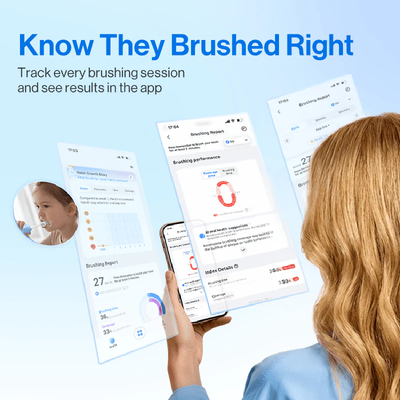
How to Get a Child to Brush Teeth Without Daily Battles
LEARN MORELooking for something else?
Kids Brushing Teeth Routine: A Simple Guide for Parents
LEARN MORE
Child Brushes Teeth But Still Gets Cavities: 12 Hidden Reasons Parents Often Miss
LEARN MORE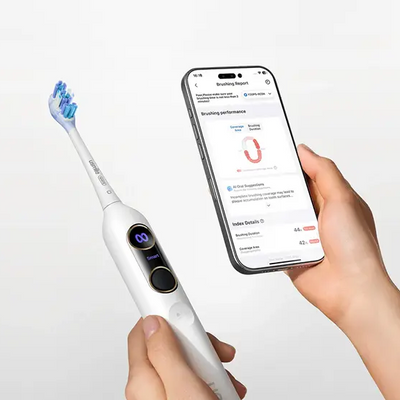
White Spots on Kids' Teeth: Causes, Treatment, and Prevention
LEARN MOREYou may also like
usmile P10 S Electric Toothbrush

usmile Q30 Kids Electric Toothbrush

usmile Y20 PRO Upgraded AI Electric Toothbrush

usmile C30SE Portable Dental Flosser


Further reading
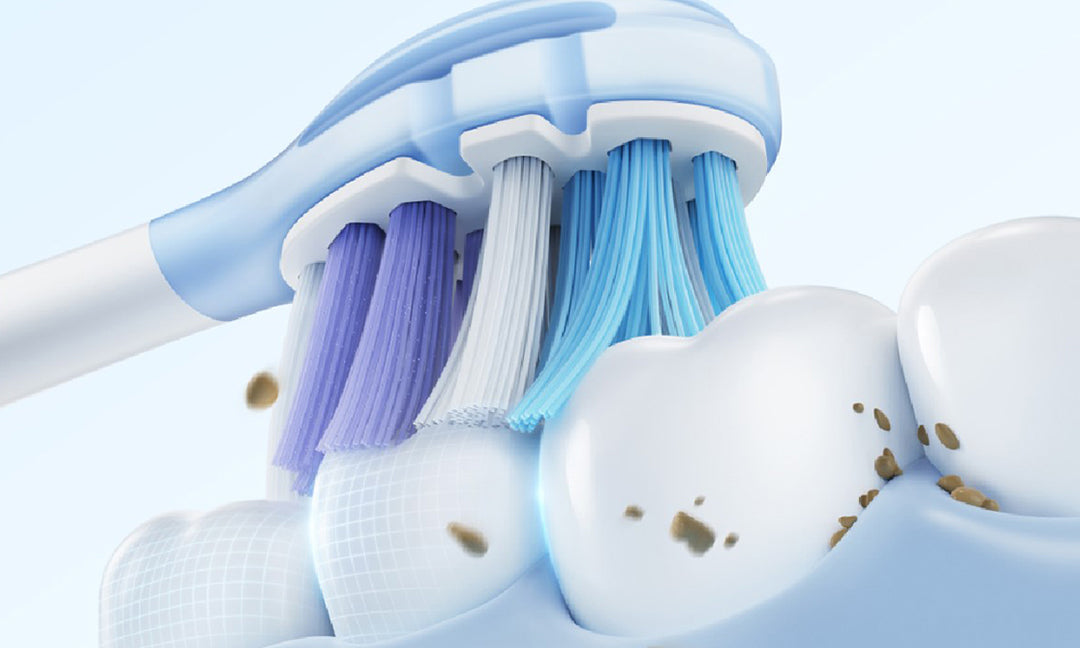
7 Best Electric Toothbrushes of 2026: Tested, Ranked, and Reviewed
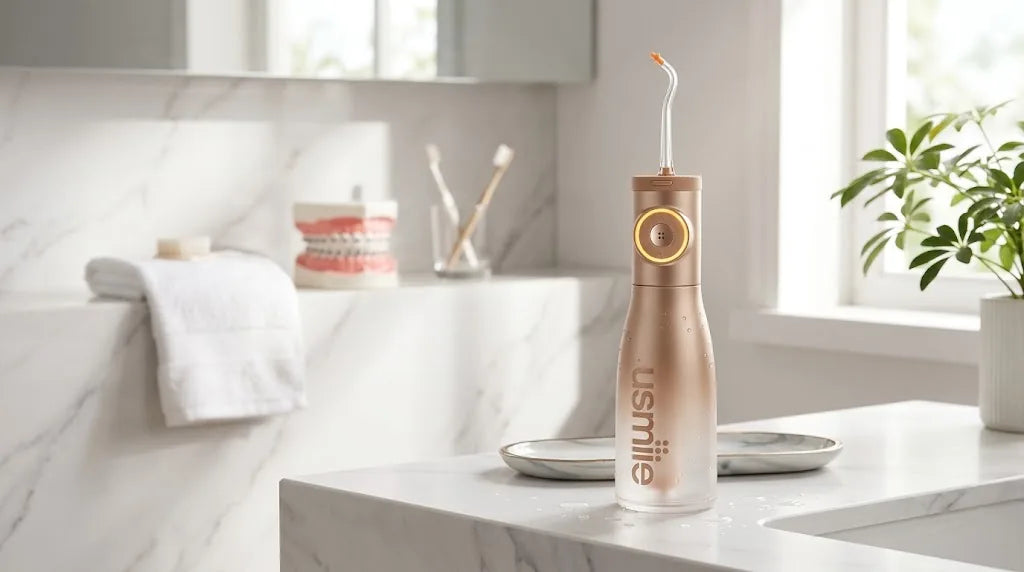
The "Golden Trio" of Braces Care: Why Microbubble Flow, 120-Second Runtime & an S-Shaped Ortho Nozzle Belong Together
Black Friday Oral Care Deals 2026: How to Score the Best Water Flosser and Electric Toothbrush for Your Smile