












Tartar on Teeth: Causes, Removal, and Prevention Tips
Here’s a scenario that plays out in dental offices every single day. You sit down for your cleaning, the hygienist starts scaling, and somewhere around your lower front teeth, she pauses and says — not worried, just completely matter-of-fact — "there’s some buildup here." You brush every night. Maybe you even floss. And yet.
Tartar buildup on teeth doesn't really care how good your intentions are. It forms when plaque is left behind long enough, and once it hardens onto the tooth surface, no regular toothbrush will remove it. That’s just how the chemistry works. The good news is that tartar is predictable. It forms in the same spots, for the same reasons, in people who skip the same steps. Once you understand the pattern, you can actually interrupt it — before the hygienist has to. Pairing your home routine with a smart dental hygiene brand that provides the tools you need day to day makes the whole process much more manageable.
What Is Tartar on Teeth?

Tartar is hardened plaque. That’s the clinical version. Here’s what it looks like in practice.
Your mouth is producing a sticky bacterial film — plaque — basically every hour. It coats teeth, settles between them, and creeps along the gum line. Left alone for just 24 to 72 hours, something happens to that film. Minerals from your saliva begin to be absorbed into it. The plaque stiffens. Calcifies. At that point, it's dental calculus — tartar — and it's physically bonded to your enamel. A toothbrush won’t touch it. Neither will floss. The only safe way to remove it is with a dental hygienist using professional instruments.
That calcification window — 24 to 72 hours — is faster than most people realize.
Where Tartar Usually Shows Up First
The inside edge of the lower front teeth. Right behind the upper back molars. Those two spots are the classic tartar zones, and it’s not a coincidence — they sit directly next to your major salivary glands. More saliva flow means greater mineral exposure, which leads to faster calcification when plaque lingers in those areas.
Tartar also forms below the gum line, where it is invisible and often undetectable without a probe. That’s the type most directly linked to gum disease — and the main reason dentists recommend cleanings even when everything looks fine on the surface.
Plaque vs. Tartar — The Difference That Actually Matters

People confuse these two constantly. They shouldn’t. One you can manage at home. The other? You genuinely can’t.
Plaque Is Soft, and You Can Handle It Yourself
Plaque feels fuzzy. It’s mostly colorless — sometimes pale yellow — and it builds up through the day as oral bacteria multiply and interact with food particles. The thing about plaque is that it actually responds to home care. Brush it consistently, floss between your teeth, and you can break the cycle before it becomes a real problem. The keywords, though, are consistently. Miss a few days in the same spot, and you’ve given plaque exactly what it needs.
Tartar Is a Different Situation Entirely
Once plaque calcifies, the rulebook changes. Tartar is rough, hard, and firmly attached to enamel. You might notice it as a yellowish crust near the gum line or feel it as a gritty surface your tongue keeps finding. The Cleveland Clinic is blunt about this: Tartar on Teeth cannot be removed at home. Trying to chip or scrape it yourself — with a pick, a fingernail, anything — risks permanently scratching enamel and tearing gum tissue. And honestly? It doesn’t even work. A dental cleaning is the only answer.
What Causes Tartar Buildup?

Most people assume tartar is something that happens to people who don't take care of their teeth. The reality is messier than that. It happens to people who brush every day, think they're doing fine, and still end up with a hygienist scraping deposits off their teeth at every visit. Because it's not really about effort — it's about where the plaque is sitting and how long it's been left alone.
Cutting Corners on the Daily Routine
Here's what a typical brushing session actually looks like for most people. Thirty, maybe forty seconds. Front teeth get the most attention because those are the ones you see. The back molars get a few strokes. The gumline — that strip where teeth meet tissue — gets skipped almost entirely because nothing there feels wrong. Then the brush goes back on the counter, and that's considered done.
The problem isn't any single bad session. It's the same patches that get missed every morning and every night without fail. Plaque doesn't need much of an invitation. Leave it in the same spot for long enough — two weeks, sometimes less — and it starts to calcify. Hardens into something that a toothbrush can't touch anymore. And because nothing hurts while this is happening, most people have no idea it's happening until a dentist points it out.
What You Eat Is Doing More Damage Than You Probably Realize
The sugar conversation is straightforward enough — soda, juice, candy, sweetened coffee. Everyone has heard it. Fewer people have heard the part about everything else on their plate.
White bread. Pasta. Crackers. Rice. A bag of chips at your desk in the afternoon. None of that tastes sweet, and none of it registers as a dental concern when you're eating it. But the moment those foods hit saliva and start breaking down, the bacteria in your mouth get exactly what they were waiting for. Starch converts to simple sugars fast. The acid production starts. The plaque cycle kicks off the same way it does after a can of soda — just without the obvious guilt afterward.
What compounds all of this is how often people eat without brushing afterward. Three meals, two snacks, a coffee mid-morning, and something small around 4 pm. That's a lot of fueling cycles for bacteria that are already sitting on your teeth, ready to go. Each one that doesn't get followed by brushing is another round of buildup. Over days and weeks, that adds up to a lot more plaque than most people would guess — even people who genuinely think they're taking decent care of their teeth.
Smoking, Dry Mouth, and a Few Others Worth Knowing
Smokers deal with tartar buildup faster, and the staining runs darker — brown or near-black in many cases. Dry mouth is one of the most common issues that people never connect to their dental visits. Saliva isn't just moisture sitting in your mouth — it's actively rinsing bacteria off surfaces, knocking back acid, and helping enamel recover between brushing sessions. Certain medications dry it up. So does chronic mouth breathing, and plain old dehydration that most people have just gotten used to. Remove that saliva buffer, and plaque builds with a lot less resistance. Braces and crowded teeth add another layer — brackets, wires, and tight contacts create spots a toothbrush genuinely cannot reach, and plaque sitting in those spots hardens completely undisturbed until a hygienist actually gets to it.
What Does Tartar Look and Feel Like?

The Color Range — Yellow, Brown, Gray, or Black
Tartar doesn't come in one color — it picks up stains from whatever you regularly eat and drink. Above the gumline, it usually starts out yellow or tan, then gradually darkens as coffee, tea, wine, and tobacco work their way in over time. Below the gumline, it tends to run darker from the start — the bacteria living in those low-oxygen pockets are a different type, and contact with blood from inflamed gums adds to the discoloration. The longer a deposit sits, the more staining it absorbs. That's why the buildup that's been there for years looks dramatically different from something that formed recently — same substance, just a lot more time to collect color.
Texture and the Signs People Often Miss
The texture is rough. Distinctly different from smooth enamel or soft plaque. Run your tongue along the inside of your lower front teeth — if there’s a crust that doesn’t go away after brushing, that’s a sign.
Other signals aren’t always dramatic. Bad breath that brushing only temporarily fixes. Gums that bleed when you floss, when they didn’t used to. A slightly swollen look to the tissue along the gum edge. None of these individually means disaster. But together, they suggest tartar has been irritating the area long enough to cause consistent inflammation.
Is Tartar on Teeth Serious?
Honestly, it depends on how long you let it stay.
What Tartar Does to Your Gums Over Time
People tend to think of tartar as a cosmetic thing. Yellow buildup, bad look, dentist scrapes it off, done. And on the surface of teeth, that's roughly accurate. The real issue is what happens when tartar builds up at the gumline, specifically.
Plaque sticks to tartar. That's just what it does. So tartar, sitting right where the tooth meets the gum, becomes a surface where bacteria set up camp and stay. The gum tissue right next to it is constantly being hit by that bacterial activity, day after day, and it starts reacting. Swells a little. Gets red. Bleeds when a toothbrush or floss touches it.
Most people see blood and think they've been brushing too aggressively. Back off, use a softer brush. That's almost always the wrong instinct — the bleeding usually means that area needs more cleaning, not less. What it's actually telling you is that gingivitis has started.
Now here's the thing about gingivitis that most people don't know: it's actually still reversible at that point. Get a professional cleaning, commit to a better routine at home, and the gum tissue can fully recover. The window for that easy fix closes the longer it goes unaddressed. Which is why the people who wait until something genuinely hurts tend to have a much longer conversation with the dentist than they expected.
What Happens When You Leave It Alone
Gingivitis that keeps going turns into periodontitis. That’s where the damage becomes harder to undo — bone loss around tooth roots, gum recession, and eventually loose teeth. According to Periodontal Disease data from the CDC, nearly half of US adults over 30 have some form of periodontal disease. Tartar below the gum line is one of the primary drivers. Enamel in contact with it also sits in a more acidic environment, which speeds up cavity formation. Catching tartar early isn’t just about appearances. It’s about avoiding a much more involved treatment down the road.
How Do You Remove Tartar from Teeth?
Professional Dental Cleaning
A dental hygienist uses two main tools: hand scalers, which manually chip away hardened deposits, and ultrasonic scalers, which use high-frequency vibrations to break tartar loose with less physical force. For people on a regular cleaning schedule, this is a routine appointment. For people who’ve skipped several years of cleanings, longer, more involved cleanings are needed.
Scaling and Root Planing for Deeper Buildup
When tartar has moved below the gum line and caused enough damage to create deep pockets, a standard cleaning doesn’t reach it. Scaling and root planing go deeper — clearing deposits from those pockets and smoothing the root surface to reduce how easily bacteria reattach. Your dentist determines whether this is necessary based on pocket depth measurements taken during your exam. It’s not a procedure most people need at every visit. But when it’s needed, nothing else substitutes for it.
Don’t Try to Remove Tartar at Home
Worth saying again. Not with a dental pick ordered online. Not with a toothpick. Not with a fingernail. Tartar is hard, but enamel can be scratched permanently, and gum tissue tears more easily than people expect. Attempts to remove tartar from your own teeth almost always damage the surrounding area and make the situation worse. If you can see or feel it, the right move is: call your dentist.
Can Tartar Break Off While Flossing?

It can. A chunk of harder buildup sometimes dislodges during flossing or while eating something crunchy. What that does not mean is that the area is clean — there’s almost always more underneath, and the rough surface left behind attracts new plaque even faster than smooth enamel does. If a piece comes off — or you feel a sharp, rough spot that wasn’t there before — don’t wait for your next scheduled cleaning. Get it checked sooner.
How to Prevent Tartar Buildup
Brush for the Full Two Minutes — Both Times

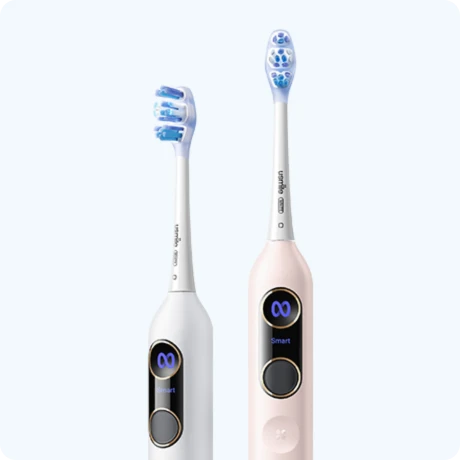
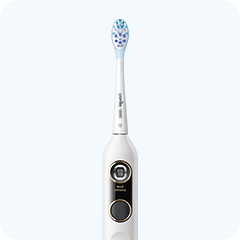
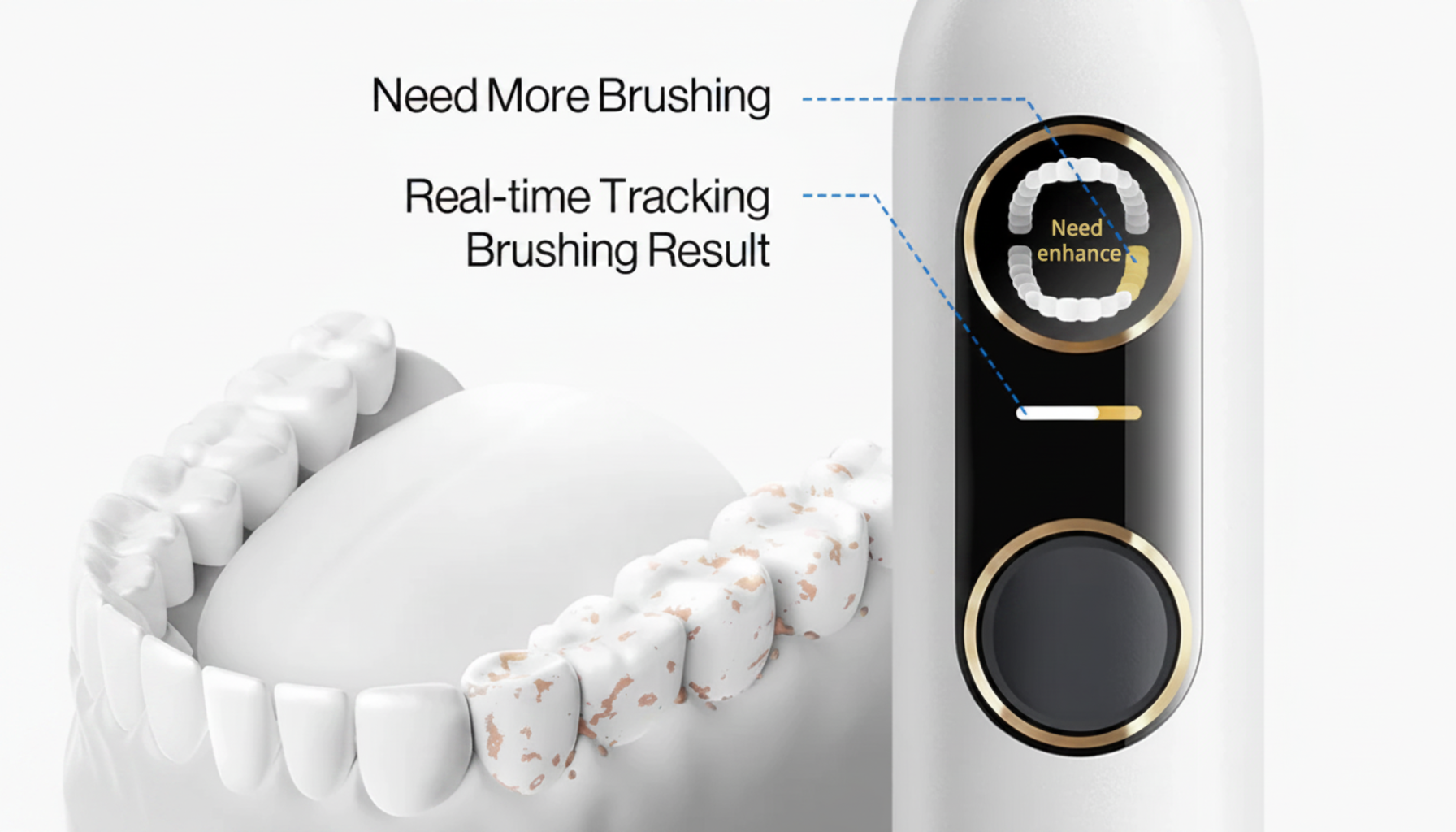
Not ninety seconds. Not once a day. Two minutes, twice. Every day. Fluoride toothpaste, soft bristles, and slow down at the gum line. That’s where most people rush, and it’s the exact spot tartar builds first. An electric toothbrush helps here because the oscillating motion clears more surface area than most people’s manual technique does on its own.
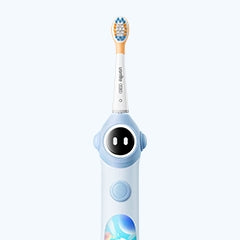
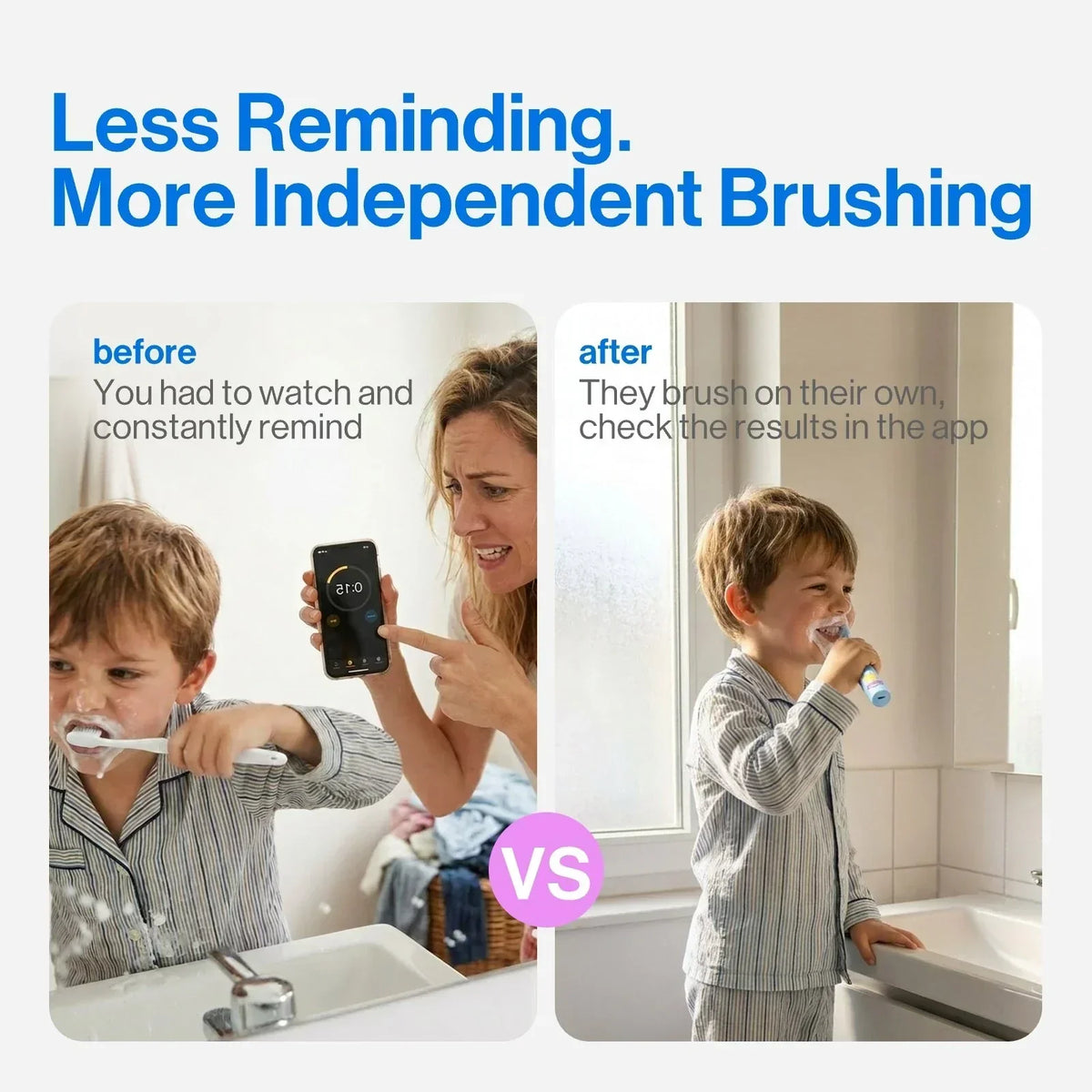
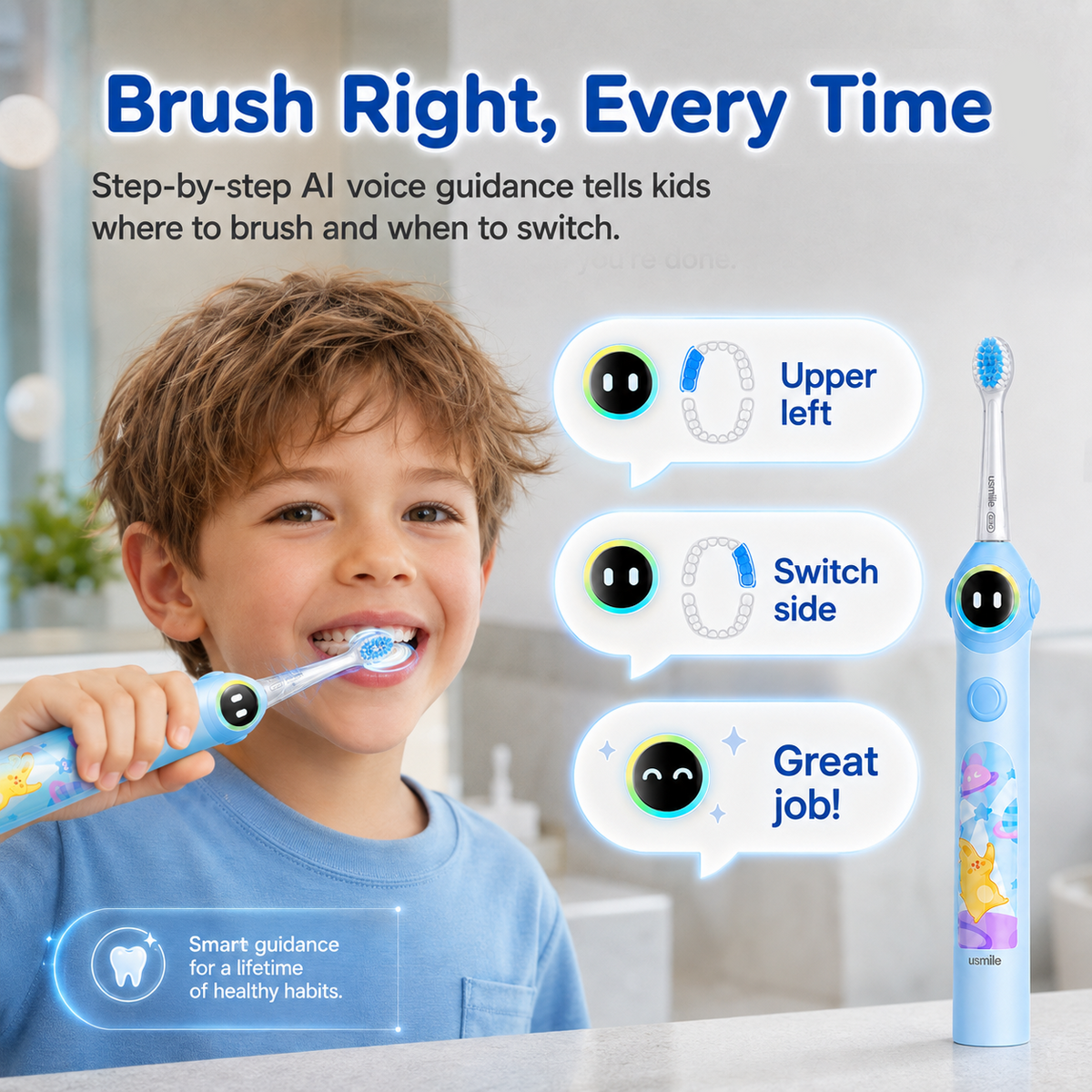
For kids, the challenge is getting them to stick to two minutes without it turning into a nightly argument. A kid's electric toothbrush with a built-in timer — like the uSmile Q30 — takes the guesswork out of it. The brush runs the full time. No negotiating. No cutting it short at 40 seconds and calling it done. Building that habit in childhood does more for long-term tartar prevention than most adults realize.
Floss Every Single Day Without Exception
This one isn’t optional. Flossing removes plaque from between teeth — contact points a brush head never touches. Once a day, every day. And it has to be done properly: wrap around each tooth, go slightly under the gum line, and move along the tooth surface. Just snapping the floss straight through the contact point and pulling out clears almost nothing useful.
Use a Water Flosser as Your Daily Defense

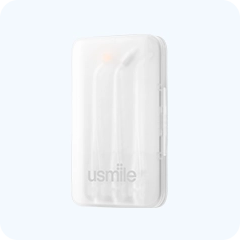
A portable dental water flosser sends a pressurized stream between teeth and along the gum line — the exact zones where tartar forms first. People with braces, bridges, implants, or tight contacts get the most obvious benefit. But it’s genuinely useful for anyone who wants to cover those high-risk areas more thoroughly than floss alone manages. Pair it with brushing and flossing, and you’ve addressed pretty much every accessible surface where plaque can sit and calcify. If you’re comparing models, browsing a dedicated water flosser collection lets you match pressure settings and portability to your actual routine.
Keep Up with Professional Cleanings
Everything above reduces the amount of tartar that forms. It doesn’t eliminate it. Some calcifies no matter how thorough your home routine is — especially in those high-saliva-flow zones near the glands. That’s what professional cleanings handle. Twice a year works for most people. More often, for anyone with a history of gum disease, heavy buildup, dry mouth, or braces.
Which Foods and Habits Make Tartar Worse?
Sugar is the obvious target, and it should be — soda, juice, sweetened coffee, candy. These feed plaque bacteria directly and keep acid production running constantly. Most people are at least somewhat aware of this, even if they don't change their habits around it.
The bigger blind spot is starch. Crackers sitting on your desk. The bread that comes with lunch. Chips in the afternoon. A pasta dinner. These don't feel like dental risks. They don't taste sweet. But bacteria don't taste food — they metabolize it. Starch breaks down into simple sugars in the mouth almost immediately, and the bacterial response is identical to what happens after a can of soda. Same acid. Same plaque. Same buildup.
The habit that ties all of this together and makes it worse is grazing. Eating something every couple of hours without brushing in between keeps bacteria in a constant state of activity. Each snack is another cycle. It adds up faster than most people expect, and it doesn't require a particularly bad diet.
FAQs
Which foods cause tartar buildup on teeth?
No food turns into tartar on its own — what food really does is feed the bacteria responsible for plaque, and plaque that isn't cleared away eventually hardens into tartar. Sugar is the main fuel source, but starchy foods like crackers, bread, pasta, and chips do the same thing once they start breaking down in the mouth. The habit that speeds everything up is snacking often throughout the day without brushing afterward, which keeps bacteria constantly active and plaque constantly forming.
Is tartar something most adults deal with?
To some degree, yes — most adults have at least some tartar buildup, especially if professional cleanings aren't happening on a consistent schedule. How much accumulates varies significantly based on brushing and flossing habits, diet, saliva chemistry, tobacco use, and genetics. Some people are just predisposed to building tartar faster than others, even with a solid home routine. Regular cleanings are what keep it from compounding into a bigger issue.
Is tartar on teeth serious?
Very common — but not something you want to ignore. Left without professional removal, tartar raises your risk of cavities, gum inflammation, gum recession, and bad breath that brushing alone won’t resolve.
How do you get tartar off your teeth?
Only a dentist or dental hygienist can do it safely. They use scaling instruments during a professional cleaning. There is no effective at-home method — not scraping, not any product. Once it’s calcified, it needs a professional.
Is it safe to pick tartar off your teeth?
No. Sharp tools of any kind — dental picks from online stores, toothpicks, fingernails — can scratch enamel permanently and slice through gum tissue. The damage is real and often worse than the tartar itself. See your dentist.
Can tartar break off while flossing?
Yes, occasionally. But one piece doesn’t mean the area is clean. More tartar is almost certainly still present, and the rough surface it leaves behind picks up fresh plaque faster than smooth enamel does. A cleaning is still needed.
Which foods cause tartar?
Foods don’t directly turn into tartar. What they do is feed the bacteria that generate plaque, and plaque that isn’t consistently removed calcifies into tartar. Sugary and starchy foods are the main fuel. Frequent snacking without brushing is the fastest route to accelerating buildup.
Do all adults get tartar?
Most do, to some degree. How much varies by oral hygiene habits, saliva chemistry, diet, tobacco use, and how regularly someone gets professional cleanings. Some people are genetically prone to building it faster than others, even with excellent home care.
Will tartar ever go away without treatment?
No — and this is genuinely important to understand. Tartar that has hardened onto a tooth surface is not coming off without a dental instrument. It won't soften over time. It won't dissolve. It won't dislodge from brushing harder or using a different toothpaste. No home product changes this. Home care can prevent new plaque from hardening in the first place. Removal of what's already there — that only happens at the dentist's.
Is tartar worse than a cavity?
Different problems, but one tends to lead to the other. Tartar creates the environment where cavities become more likely — it gives bacteria a stable surface right at the gumline to work from, which accelerates both decay and gum disease. A cavity is active structural damage to the tooth that needs a filling or more involved treatment. Getting tartar removed consistently through regular cleanings is one of the most practical ways to prevent cavities. Tartar is the setup. The cavity is what happens when that setup runs long enough without interruption.
What does tartar look like on teeth?
Yellow or light brown above the gum line, typically. Darker below it — sometimes gray, sometimes close to black. The texture is hard and rough, the clearest way to distinguish it from soft plaque.
Sources
- Cleveland Clinic – Tartar on Teeth
- American Dental Association – Plaque
- MouthHealthy by ADA – Plaque and Gum Disease
- Colgate – Can You Dissolve Tartar
- Centers for Disease Control and Prevention – Periodontal Disease
- National Institute of Dental and Craniofacial Research – Gum Disease


Looking for something else?
Best Electric Toothbrush for Teens (2026): Top Picks, Tested and Reviewed
LEARN MORE
Best Electric Toothbrush for Gum Disease (2026): 6 Picks Tested for Real Gum Protection
LEARN MORE
Electric Toothbrush on Plane: The Complete Travel Guide (2026)
LEARN MOREBest Sustainable Electric Toothbrush 2026: 5 Picks Tested for a Greener, Healthier Smile.docx
LEARN MORELooking for something else?
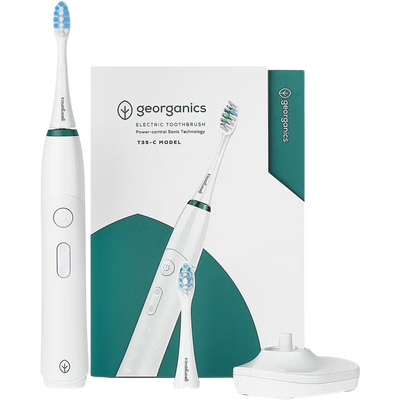
Best Sustainable Electric Toothbrush 2026: 5 Picks Tested for a Greener, Healthier Smile
LEARN MORE
Best Cheap Electric Toothbrush (2026): Top 5 Budget Picks That Actually Work
LEARN MORE
Ultrasonic Toothbrush vs Electric: Which Technology Wins for Your Smile?
LEARN MOREYou may also like
usmile Y20PRO Adults Toothbrush x Q30 Kids Toothbrush
usmile C30 Water Flosser Toiletry Bag Pack
Further reading
The 5 Toothbrushing Spots Kids Miss Most—and How Parents Can Help
The Back-to-School Brushing Reset: A 14-Day Plan for Kids Ages 3–8
Behind usmile D50 OralCam Toothbrush: From Motion Tracking to Visual Intelligence in Oral Care

