











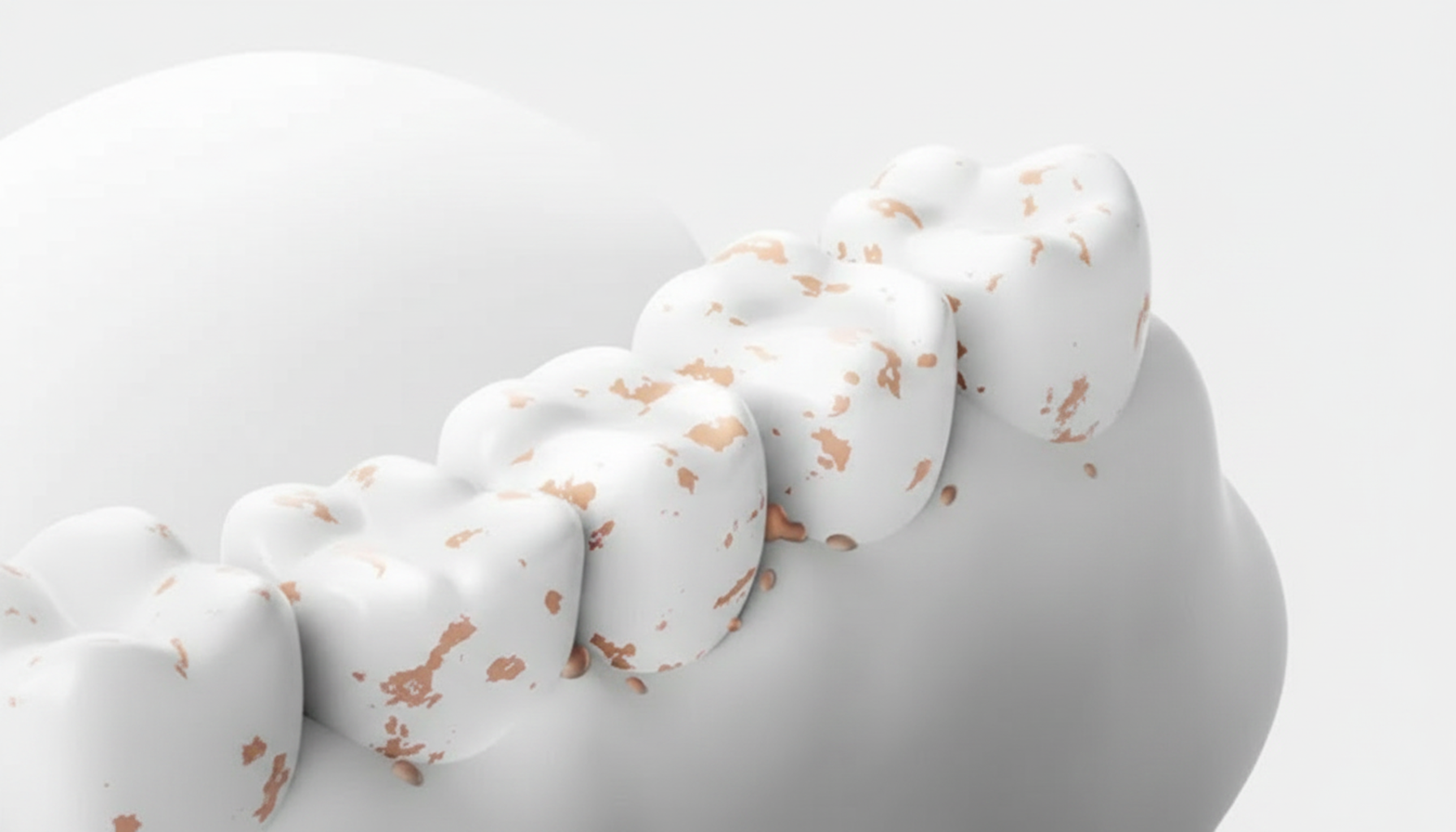
Does Mouth Breathing Cause Cavities? What the Research Says
Mouth breathing and cavities. It doesn’t seem like they’d be related. But dentists notice the connection regularly — in patients who brush consistently, eat reasonably well, and still accumulate decay faster than makes sense. When everything else checks out, how they breathe at night is often the common thread.
Research on whether mouth breathing causes cavities leads back to one mechanism every time: what happens to saliva when air flows through an open mouth for hours.This ADA resource directly links reduced salivary flow to increased dental caries, enamel demineralization, sensitivity, and oral infections. The breathing doesn't drill the holes. What the breathing does to your mouth's natural defense system is what does.
Does Mouth Breathing Cause Cavities?

Not directly. But it strips away the protection that keeps cavities from forming. That’s the distinction.
The Short Answer
Breathing through your mouth — especially for hours every night — dries out the oral environment. Saliva production drops. Bacterial acid goes unneutralized. Plaque sits around longer than it should. The enamel doesn't get the mineral buffer it relies on during sleep. Cavities don't pop up just because you breathed through your mouth one night — they show up because the stuff that's supposed to protect your teeth wasn't doing its job, night after night after night. That's really how mouth breathing ends up causing more cavities over time. It's not some single moment where things go wrong. It's hundreds of nights stacked on top of each other, with your defenses running on empty the whole time.
One Risk Factor, Not the Whole Story
The NIDCR is pretty specific about what must happen for a cavity to form. The bacteria living on your teeth are what createtooth decay — they pump out acids that eat away at your enamel, and those bacteria get fed every single time you eat or drink anything with sugar or starch in it. Dry mouth removes one key defense against that process. But your diet, fluoride exposure, brushing consistency, and how often bacteria get fed still all determine whether cavities actually develop.
What Mouth Breathing Does to the Inside of Your Mouth

Air Plus Open Mouth Equals Rapid Drying
Think about a damp cloth left under a slow fan. Within an hour, it’s dry. That’s roughly equivalent to what open-mouth breathing does to oral tissues overnight — when you’re not swallowing, eating, or drinking anything to reintroduce moisture. Air moves continuously across the gums, tooth surfaces, tongue, and inner cheeks. For eight to ten hours. The moisture that the mouth needs to maintain its chemical balance evaporates faster than it’s replaced. Not slightly faster. Significantly faster.
Saliva Is Not Just Water
This is the piece most people genuinely don’t appreciate. Saliva isn’t passive moisture — it’s an active biological fluid with specific jobs. It rinses food debris between meals. It buffers bacterial acids the second they form. It deposits calcium and phosphate back onto enamel that has taken minor damage during the day. The ADA notes that reduced salivary flow leads to increased dental caries, enamel demineralization, tooth sensitivity, and oral infections. Those aren’t theoretical risks. They’re the predictable results of consistently losing that protection.
The Bacterial Consequence
Without enough saliva, cavity-linked bacteria like Streptococcus mutans operate with less interference. They multiply without the rinsing effect. They produce acids that remain on the enamel without being neutralized. The CDC points out that cavity-causing bacteria get fed every time sugars or starches enter the mouth. Saliva is the check on how damaging that feeding is between meals. Remove the check, and the bacteria run uninterrupted for the hours between your last brush and your first sip of morning water—every single night.
Why the Real Damage Happens While You Sleep

Saliva Is Already Near Zero During Sleep — And Mouth Breathing Makes It Worse
Look — even in people who breathe through their nose, saliva production during sleep drops to somewhere around 10 to 12 percent of daytime levels. That’s the baseline for a healthy nasal breather. For someone with chronic open-mouth breathing, that already-depleted level gets further reduced by airflow moving through the oral cavity for eight, nine, sometimes ten hours straight. No eating. No drinking. No rinsing. Just a dry oral environment, with enamel exposed for most of the night. Night after night.
Signs You’re Probably Sleeping with Your Mouth Open
The morning dry mouth is the clearest tell. But there are others too. Lips that feel cracked or sticky in the morning without an obvious reason. Consistently worse-than-normal bad breath on waking. A scratchy or sore throat that clears within an hour of getting up. A strong urge to drink water in the night or immediately on waking. And if someone in your household has mentioned snoring or open-mouth breathing during sleep, that’s confirmation. A few of these together, consistently, is a pattern worth actually investigating rather than brushing off.
When Something More Serious Is the Cause
Sometimes nighttime mouth breathing is a symptom pointing to an underlying condition rather than just a habit or congestion. The Mayo Clinic flags loud snoring, gasping for air during sleep, and waking up with a dry mouth as classic signs of sleep apnea. What's basically happening is that breathing keeps stopping over and over throughout the night, and the body sort of panics and starts pulling air in through the mouth to make up for it.That’s a medical situation — not something manageable with mouthwash or a new toothbrush. If those symptoms are showing up alongside dental problems that don’t otherwise make sense, a doctor needs to be part of the equation.
What’s Behind the Mouth Breathing in the First Place?
Fix the dental side all you want. If the cause keeps running, the decay keeps returning—different cause, different fix, different specialist.
Nasal Congestion and Allergies
Stuff like hay fever, ongoing sinus infections, allergies to dust or pollen, and that constant stuffy feeling during certain seasons can really do a number on your nose. When your nasal passages stay blocked up for weeks at a time, breathing through your mouth isn't really a choice anymore — it's just what your body has to do to get air. Some folks honestly go months at a stretch breathing through their mouth because their nose just won't clear up. Most common cause on this list. Often, the least directly addressed is when someone is told to “just brush better.”
Deviated Septum
The septum is basically that thin wall running right down the middle of your nose, splitting it into two nostrils. When it tilts off to one side — either because you were born that way or from some old hit to the face you barely remember — one or both sides end up narrow enough that breathing through your nose feels like actual work. A lot of folks honestly live with this for years and never put two and two together. They just figure breathing through the nose has always been kind of a struggle and leave it at that.
Enlarged Tonsils or Adenoids
In children, enlarged tonsils or adenoids physically narrow the airway enough that nasal breathing during sleep becomes hard, so the mouth takes over. Primary driver of nighttime mouth breathing in younger children. Typically, it is treatable once properly identified. And treating it early has consequences not just for breathing but for everything dental that develops during those formative years.
Habits That Stay After the Cause Is Gone
Some people continue to breathe through their mouths long after the original congestion or illness has resolved. The pattern became the default. It won’t reset on its own. Myofunctional therapy, breathing retraining exercises, and sometimes guidance from a specialist are what actually shift it. Not time alone.
Children and Mouth Breathing — Why Catching It Early Changes Everything

Their Teeth Are More Vulnerable Than Adults’

Children's enamel is thinner and still actively mineralizing. A recent cross-sectional study found an association between mouth breathing and a higher prevalence of anterior dental caries in preschool children. Combine that with the reality that most children’s brushing is less thorough than adults’, and with a persistently dry mouth from chronic mouth breathing at night, which pushes the front teeth into a higher-risk zone. The front tooth surfaces take the most direct airflow. They’re typically the first to show decay in children who chronically mouth breathe. An AI electric toothbrush designed for consistent surface coverage helps ensure those exact front surfaces are properly cleaned every time — not just the easier back ones.
Jaw and Facial Structure Develop Around the Breathing Pattern
A 2022 PMC review looked at what happens when mouth breathing isn't dealt with in kids, and the findings weren't great. It can actually mess with how the dental and facial bones develop. See, the jaw, the roof of the mouth, the whole bone structure of the face — that's all still forming during childhood. So when a kid keeps their mouth open for years on end, you can end up with a narrower palate, teeth that get all crowded up, a bite that doesn't sit right, and even a face that grows longer and narrower than it would have otherwise. Once all that growth wraps up, none of this is something you can just undo. That's why catching it early matters so much — waiting around to see how things turn out almost always means worse results in the long run.
What Parents Should Watch For with Mouth Breathing in Children

If your kid is breathing through their mouth at night, there are a few things to keep an eye on over time. The first one is whether their mouth is hanging open every single night when they sleep, not just on the nights when they're stuffed up with a cold. Snoring or that loud, raspy kind of breathing while they sleep is another thing people tend to laugh off as cute, but honestly, it's worth paying attention to. And if your child wakes up most mornings with bad breath or keeps telling you their mouth feels dry, that's usually the biggest tell that their saliva isn't sticking around overnight the way it's supposed to.
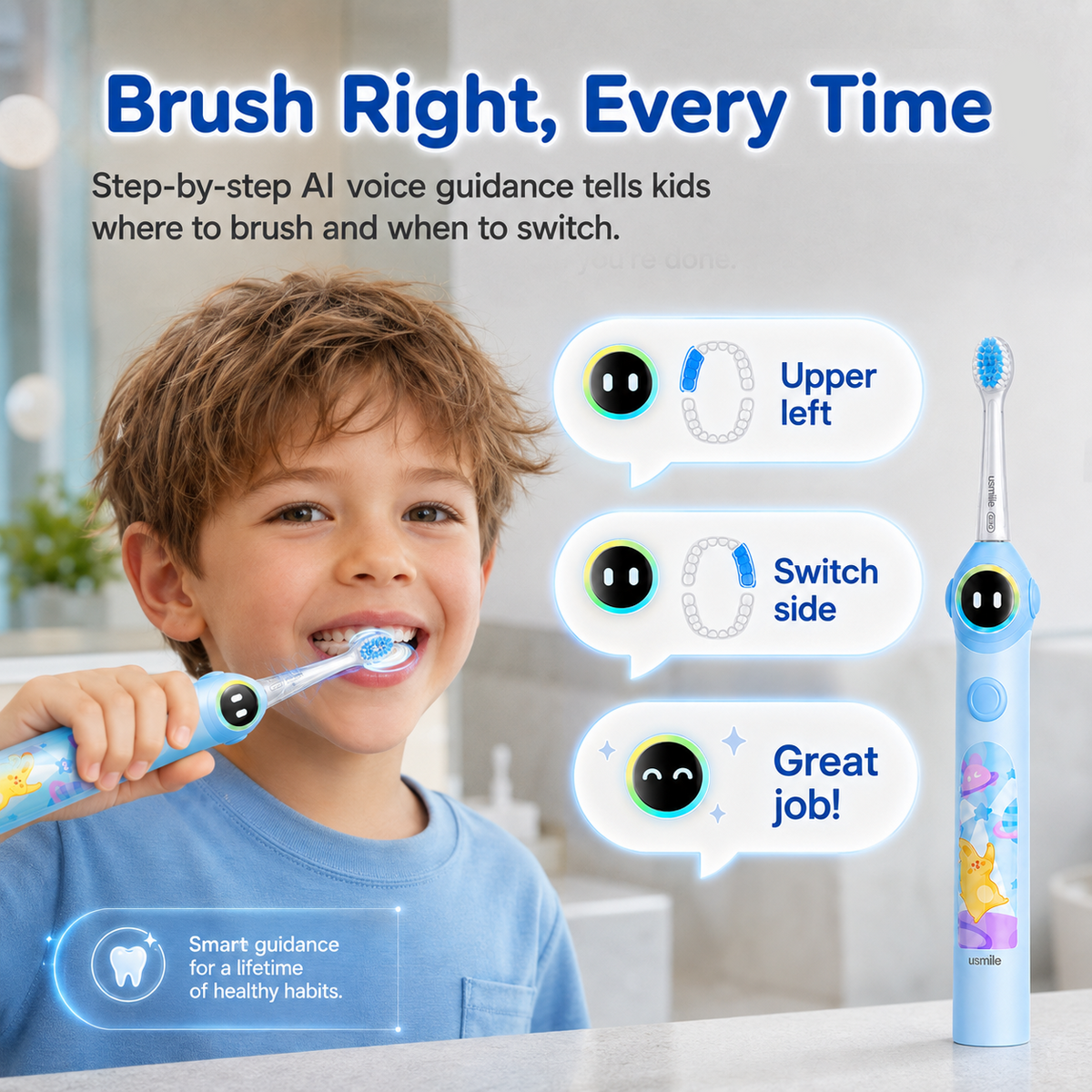
Nasal congestion that never fully clears between illnesses. Multiple cavities, even though brushing habits look fine from the outside. One of these alone is worth mentioning at the next dental or pediatric visit. More than one together — make the appointment specifically about this, rather than raising it as an afterthought at the next routine checkup. A soft electric toothbrush for kids, like the uSmile Q3.0, helps protect those vulnerable teeth with a thorough twice-daily routine while the airway evaluation is underway.
Does Mouth Breathing Cause Bad Breath Too?
Yes — same mechanism, different symptom. Less saliva means odor-producing bacteria and food particles linger longer than they should. Add eight or nine hours of stagnant, dry oral environment from open-mouth sleep, and morning bad breath becomes worse and more consistent than normal. An untreated cavity compounds it. Chronic gum irritation from the dryness adds more on top.
The bad breath and the cavity risk aren’t two separate problems to treat independently. They’re both symptoms of the same dryness. Address the source of the mouth breathing, and both tend to improve together rather than requiring separate solutions.
How to Protect Your Teeth When Mouth Breathing Is Already Happening

Here’s the Honest Version: Start With the Cause
Every oral hygiene step below works better when mouth breathing is also managed. Allergies need an allergist. A structural nasal issue needs an ENT. Enlarged tonsils or adenoids in children require evaluation by a pediatric specialist. Sleep apnea needs a sleep doctor. Getting those conversations started is not optional if you want the dental protection steps to have their full effect. Otherwise, you’re mopping while the tap runs.
Water — Consistently, Before Bed and After Waking
Drinking water regularly throughout the day, before bed, and first thing on waking does more to compensate for reduced saliva than most people realize. It’s not a substitute — but it helps. Specifically avoid anything sugary at night. That’s feeding bacteria that are already operating with less interference from saliva than normal. Sugar-free gum during waking hours helps stimulate saliva production — but offers nothing during the hours when the dryness is most active and the damage most cumulative.
Fluoride Toothpaste and Flossing — Both, Every Day, Not Almost Every Day

Fluoride toothpaste provides the remineralization support that a dry mouth can't consistently supply on its own. Flossing removes food debris from between teeth — exactly where bacteria accumulate and where dry-mouth acidity hits first and hardest. Choosingsmile care essentials that cover both thorough brushing and interdental cleaning gives teeth the full daily coverage they need, especially when saliva is at a consistent disadvantage overnight.
Atoothbrush and water flosser bundle handles both surfaces and the spaces between them in one daily routine — the combination that matters most when chronic dry mouth is part of the picture. So while mouth breathing doesn't drill cavities itself, it does increase your cavity risk by causing chronic dry mouth, which is exactly why the right daily routine matters more for mouth breathers than for almost anyone else.
Ask About Dry Mouth Products Specifically
Alcohol-free mouthwash. Prescription fluoride rinse. Saliva substitutes—dental sealants. Not always necessary for every person — but for people with significant chronic dry mouth from ongoing mouth breathing, these products can meaningfully close the gap between professional cleanings. People with chronic dry mouth often benefit from dental checkups every three to four months rather than every six. Enamel changes can progress quickly when saliva stays below adequate levels for extended stretches.
Can a Dentist Actually Fix Mouth Breathing?

What the Dentist Can Do
Dentists identify early enamel changes, assess gum health, screen for concerns related to bite and jaw development, and apply protective treatments. They also read patterns: which surfaces are decaying, how fast new cavities are appearing, which teeth are affected in sequence. Those patterns often signal when a breathing evaluation is warranted, even before the patient has made that connection themselves. A dentist paying close attention can flag the dental consequences of mouth breathing before anyone has identified it as the cause.
What Needs a Different Door
The mouth breathing itself usually requires more than one specialist. ENT for structural nasal or airway issues. Allergist for congestion-based causes. An orthodontist for bite and jaw development in children. Sleep specialist for suspected apnea. The dentist treats the damage to the teeth. The other specialists treat the causes of the damage. Addressing only one side of that doesn’t fix the other. Both doors need to be opened.
FAQs
Are mouth breathers more likely to get cavities?
Research says yes, consistently. Mouth breathing dries the mouth, reduces saliva’s acid-neutralizing and remineralizing functions, and creates better conditions for bacteria to cause decay. Diet, brushing habits, fluoride exposure, and how often bacteria are fed still influence whether cavities develop — but dry mouth from mouth breathing removes a key layer of protection.
Can a dentist fix mouth breathing?
Dentists treat the dental damage — cavities, enamel wear, gum irritation, and bite changes. The underlying cause of mouth breathing requires a different specialist: ENT for structural issues, an allergist for congestion-related causes, and a sleep specialist for sleep apnea. Both sides of that equation need attention, not just one.
What is the #1 cause of cavities?
Bacteria in dental plaque break down sugars and starches from food and drink, then produce acids that attack tooth enamel. That’s the core process. The NIDCR describes cavity formation as bacterial acid attacks on the hard tooth surface over time. Dry mouth removes one of the main defenses against that — it doesn’t independently create cavities, but it lets them develop with significantly less resistance.
Is it bad to be a mouth breather at night?
Chronic nightly mouth breathing raises cavity risk, causes persistent dry mouth, contributes to bad breath and gum irritation, and may point to sleep apnea. Short-term mouth breathing during a cold is different — temporary and self-resolving. Nightly, chronic, habitual open-mouth breathing is the pattern that needs proper evaluation and attention.
What does a stage 1 cavity look like?
A chalky white spot, a dull patch, or subtle discoloration on the enamel surface. Usually, it is painless at this stage, which is exactly why it gets missed without a dental exam. Catching it here means potentially reversing it with fluoride treatment rather than drilling. That window doesn’t stay open forever.
How to fix mouth breather teeth?
Start with the airway cause: address the nasal or airway issue that’s driving the mouth breathing. From there: fill existing cavities, apply a fluoride treatment to remineralize enamel, get an orthodontic evaluation if bite or jaw development is a concern, and actively manage dry mouth with appropriate products and more frequent professional cleanings.
Will my breath stink if I have a cavity?
A small early cavity on its own probably won’t cause obvious bad breath. But untreated decay, food caught in a cavity, gum inflammation from the dry oral environment, and the bacterial overgrowth that chronic dry mouth encourages — any combination of those makes breath worse and more persistent. It’s rarely one clean cause.
Can you fix damage from mouth breathing?
Some of it, yes. Early enamel demineralization often responds to fluoride treatment and improved oral hygiene. Existing cavities need dental treatment. Jaw or bite development issues in children may require orthodontic care. But fixing the mouth breathing itself — not just managing its dental effects — is what actually stops the damage cycle. Everything else is management without resolution.
Sources
- American Dental Association – Dry Mouth
- National Institute of Dental and Craniofacial Research – Tooth Decay
- Centers for Disease Control and Prevention – Cavities (Tooth Decay)
- Mayo Clinic – Dry Mouth
- Mayo Clinic – Sleep Apnea
- National Library of Medicine / PMC – Mouth Breathing and Dental Caries in Preschool Children
- Colgate – Is Open Mouth Breathing Bad for Your Teeth


Looking for something else?
Best Electric Toothbrush for Teens (2026): Top Picks, Tested and Reviewed
LEARN MORE
Best Electric Toothbrush for Gum Disease (2026): 6 Picks Tested for Real Gum Protection
LEARN MORE
Electric Toothbrush on Plane: The Complete Travel Guide (2026)
LEARN MOREBest Sustainable Electric Toothbrush 2026: 5 Picks Tested for a Greener, Healthier Smile.docx
LEARN MORELooking for something else?
Best Sustainable Electric Toothbrush 2026: 5 Picks Tested for a Greener, Healthier Smile
LEARN MORE
Best Cheap Electric Toothbrush (2026): Top 5 Budget Picks That Actually Work
LEARN MORE
Ultrasonic Toothbrush vs Electric: Which Technology Wins for Your Smile?
LEARN MOREYou may also like

usmile C10 Portable Dental Flosser


usmile Y20 PRO Upgraded AI Electric Toothbrush
usmile Q30 Kids Electric Toothbrush
Further reading
The 5 Toothbrushing Spots Kids Miss Most—and How Parents Can Help
The Back-to-School Brushing Reset: A 14-Day Plan for Kids Ages 3–8
Behind usmile D50 OralCam Toothbrush: From Motion Tracking to Visual Intelligence in Oral Care

