











Baby Teeth X-ray: What It Shows, When Kids Need One, and Why It’s Safe
Nobody warns you about this part. You take your child to a routine dental visit, the dentist says they need an X-ray, and suddenly you’re doing quick mental math about radiation exposure on teeth that are going to fall out in two years anyway.
The answer is better than that math suggests. A baby teeth X-ray isn't about the teeth visible in your child's mouth right now, asthis Colgate guide for parents explains in more detail. It’s about everything happening underneath them that no visual exam can reach. What it finds, when caught early, prevents years of more complicated care down the line.
Do Baby Teeth Actually Need X-Rays?
Depends on the child. Not the schedule, not the age, not how many months it’s been since the last appointment.
A Visual Exam Only Shows the Surface

A quick inventory of what a dental exam can actually see: the surfaces of teeth, how the gums look, and roughly how the bite is developing. What it can’t see: anything between teeth, anything under the gumline, anything developing inside the jawbone. That’s where most pediatric dental problems start. A cavity forming between two back molars is completely invisible during a routine exam until it’s already significant. A permanent tooth coming in at the wrong angle underground? Also invisible.
X-Rays Get Ordered for a Specific Clinical Reason
The American Dental Association doesn’t recommend imaging on a fixed schedule. X-rays should be ordered when there’s a clear reason — suspected decay, permanent teeth developing, injury, pain, swelling, or orthodontic questions. Not because it’s been six months and the chair is open.
“They’re Just Baby Teeth” — The Most Expensive Four Words in Dentistry
Pediatric dentists hear this every week. And with genuine respect to every parent who’s said it, it’s exactly the wrong frame.
Baby Teeth Are Load-Bearing Structures

Baby teeth don’t just sit there filling space. They help children chew properly, shape early speech, and influence facial development. Their most underappreciated job is spatial — they hold physical room in the jaw for the permanent teeth forming beneath them. Lose one too early from decay or injury, and the surrounding teeth shift in. By the time the adult tooth is ready to erupt, the space is gone. Crowding. Misalignment. Orthodontic treatment. That’s the chain of consequences one untreated baby tooth can trigger.
Dental Problems in Baby Teeth Don’t Sit Still

A cavity left alone advances. Eventually, it becomes an abscess. That abscess can cause direct damage to the permanent tooth sitting immediately below it in the jawbone. And here’s a number worth holding onto: dental pain accounts for nearly 2 million missed school days every year in this country. The enamel of baby teeth is thinner and more cavity-prone than adult enamel — they need more attention, not less.
What Can a Baby Tooth X-ray Actually Show?
The list is longer than most parents expect.
Cavities Between Back Teeth

Baby molars press directly against each other. That contact point is where toothbrush bristles physically cannot reach, and it’s where between-tooth decay almost always originates. By the time a cavity at that location is visible during a routine exam, it’s usually large enough to need significant treatment. A bitewing X-ray catches it when it’s still a small, early-stage problem. That’s the whole reason bitewing X-rays exist.
Permanent Teeth Already Forming in the Jaw
Adult teeth are developing in the jawbone right now — in toddlers, not just school-age kids. An X-ray shows exactly where those permanent teeth are, what angle they’re coming in at, and whether there’s adequate space for them to erupt normally. This is how dentists catch an impacted tooth before it becomes a painful emergency, and how early orthodontic planning actually happens before any visible problems surface.
Missing Teeth, Extra Teeth, Eruption Problems
Hypodontia — the absence of certain permanent teeth — affects a meaningful percentage of children and cannot be detected from the outside. Extra teeth that would disrupt normal eruption patterns are equally invisible without imaging. So are teeth forming at angles that guarantee future complications. An X-ray gives the dentist a map of what’s coming so they can plan around it.
Infections, Old Injuries, and Jaw Concerns
Root fractures from a fall that happened months ago. An abscess that hasn’t caused obvious pain yet. A cyst develops below the surface. Bone changes that signal something forming beneath the gumline. All of these can be completely silent in their early stages — no swelling, no tenderness, nothing a parent would catch. Found early on imaging, most are straightforward to address. Found late, several become genuine emergencies.
When Does a Child Actually Need Their First Baby Tooth X-ray?

No single answer — and anyone who gives you one without knowing your child’s specific situation is guessing.
The First Dental Visit Happens Before Any X-Ray
AAPD guidelines place the first dental visit at age one or when the first tooth appears. That appointment is mostly an orientation — checking for early decay, showing parents the correct brushing technique, and establishing care. Most children don’t need imaging at that first visit.
Most Children First Need X-Rays Around Ages 4 to 6
Two things usually trigger the first recommendation: baby teeth beginning to touch (that’s when between-tooth cavities become a real risk) and permanent teeth starting to develop in the jaw. Both generally happen in that 4-to-6 window. Early orthodontic concerns are a third common reason. But the timing depends on the individual child, not the calendar.
Some Children Need Them Earlier Than That
Visible decay in a toddler. Persistent tooth pain. A dental injury from a fall. Unexplained facial swelling. A well-documented high cavity risk. Any of these moves the timeline earlier. Waiting for the average window in those situations is the wrong call.
Are Baby Teeth X-Rays Actually Safe?
Yes. And the numbers are specific enough to make that concrete rather than just reassuring.
The Radiation Amount Is Measurably Small
Four standard bitewing X-rays emit roughly 0.005 millisieverts. The natural background radiation that human bodies absorb from the environment on an ordinary day exceeds that. Digital X-ray systems — which most modern pediatric offices have been using for years — reduce exposure even further, below even the already low film-era levels. The AAPD’s own position states that the radiation from a dental X-ray is less harmful than untreated dental disease. That’s the actual risk tradeoff being made when your child’s dentist recommends imaging.
Dentists Image Only What’s Diagnostically Necessary
Pediatric dentistry operates under a principle called “as low as reasonably achievable” — take only the images needed, in child-appropriate settings, with appropriate equipment. Your child is not being X-rayed because a slot became available in the schedule or because six months have passed.
The Lead Apron Question
Some offices still use protective shielding as standard precaution. Others have updated their protocols as guidance has evolved. Both approaches are reasonable. If you want specifics on what a particular office does, ask before the appointment. No pediatric dental team will make that question feel unwelcome.
How Often Do Children Actually Need Dental X-Rays?
Completely individual. Seriously.
Low-Risk Children May Need Them Rarely
Consistent brushing, low sugar exposure, no cavity history, normal development — that child might go a year or more between X-rays without anything being missed. Nothing about this is automatic or default.
Higher-Risk Children May Need More Frequent Imaging
Frequent cavities, tight contacts between back teeth, crowding concerns, prior dental trauma, active pain, or ongoing orthodontic monitoring can all raise appropriate imaging frequency. Some children benefit from X-rays at every six-month visit. Others go two to three years. The AAPD requires dentists to factor in clinical findings, dental history, developmental stage, and caries risk at each visit rather than defaulting to a preset interval. That’s what individualized care looks like in practice.
Types of Baby Teeth X-Rays — What Each One Does

Each type of baby teeth X-ray answers a different question, which is why dentists don't just take the same image every visit. When a dentist recommends a specific type, there's always a specific reason behind it.
Bitewing X-Rays
Upper and lower back teeth in one image. The workhorse of pediatric dental imaging. Used primarily to find cavities between molars before they’re visible on the surface. Quick, low-exposure, and very precisely aimed at the most common location where decay hides in children’s mouths.
Periapical X-Rays
One tooth from crown to root tip, plus the surrounding bone. Used when there’s pain, a suspected root infection, trauma history, or a concern about what’s happening at the root level. These answer a very specific question about one very specific tooth rather than giving a broad view.
Occlusal X-Rays
Front teeth and jaw development in a wider single image. More commonly used with younger children to evaluate front-tooth positioning, missing or extra teeth, and overall front-jaw development.
Panoramic X-Rays
The complete picture — every tooth, both jaws, developing structures — in one image, with nothing placed inside the mouth. The machine rotates around the child’s head while the child stands still. Used for full orthodontic planning or development overviews. Children generally handle this one more easily than bitewings because nothing goes in their mouths.
What Actually Happens at the Appointment?
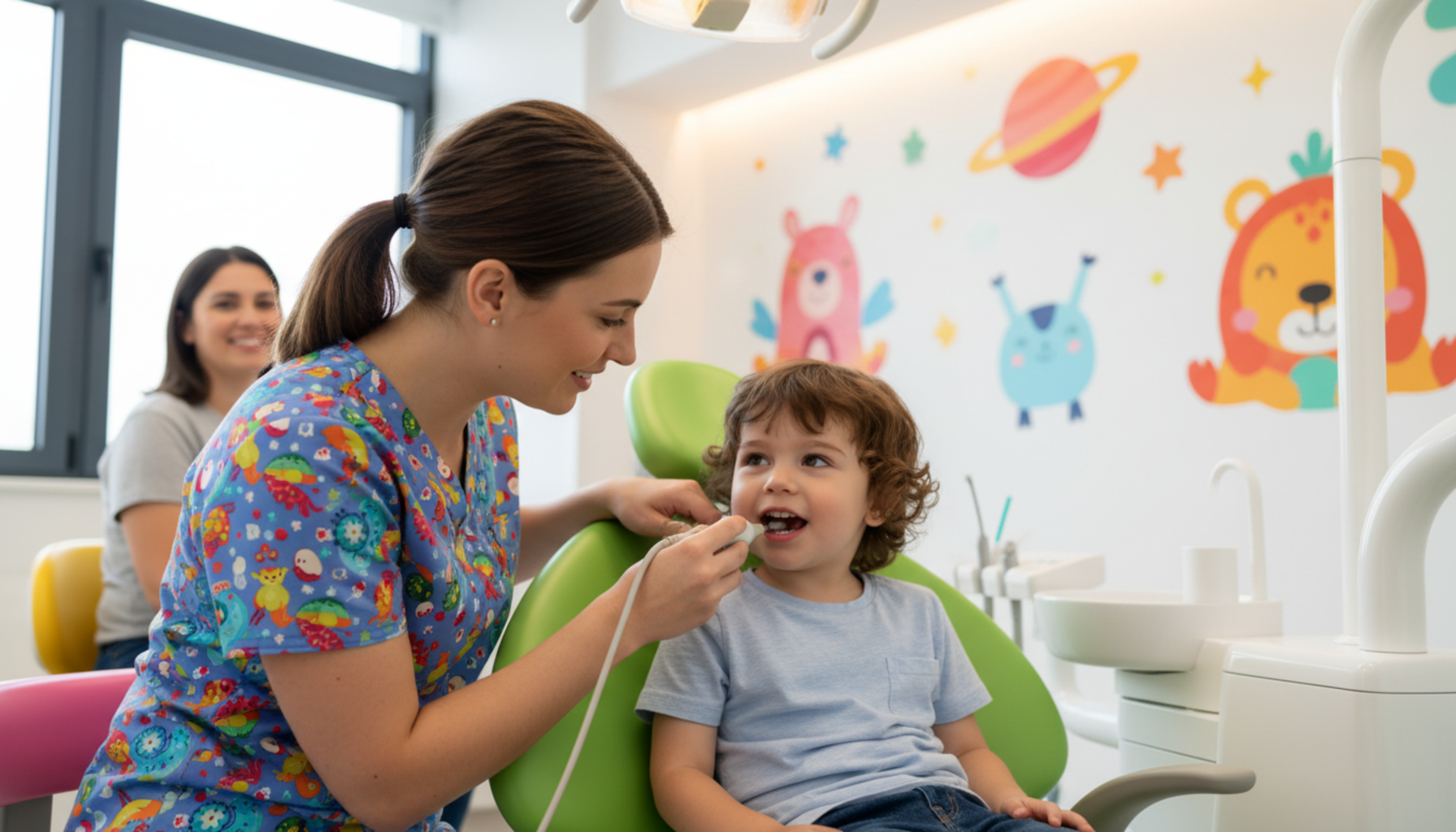
Fast. Tell your child it’s fast, because it is. Bitewing X-rays take seconds per image — a small sensor sits briefly in the mouth, the child holds still, and it's done. Panoramic X-rays mean standing in place while a machine rotates around the outside of the head. Nothing inside the mouth, nothing that hurts. The hardest part of a pediatric dental X-ray for young children is sitting still for about five seconds. Not exaggerating — that is genuinely the main challenge.
What If My Child Already Had X-Rays at Another Office?
Get ahead of this before the appointment. Call the previous office and request a digital transfer of the images — most practices send files electronically, often same-day. Bring them with you rather than waiting to be asked.
If the images are current, clear, and cover what the new dentist needs to evaluate, they can usually be used directly. New X-rays may still be necessary if the previous images are outdated, don’t show the relevant area, are of poor quality, or if your child has had new symptoms since they were taken. That’s not obstinacy. It’s the dentist making sure the diagnostic picture is accurate before making treatment decisions.
How to Keep Baby Teeth Healthy Between X-Rays
X-rays detect. Home care prevents. You want both, but prevention is the one you control.
Two Minutes, Twice a Day

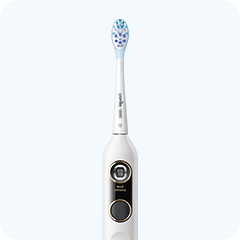
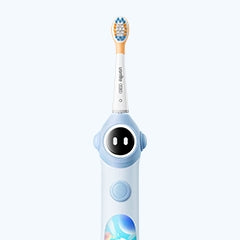
Fluoride toothpaste, twice daily, two minutes each time. Most children need parental help or oversight until around age 7 or 8. A children’s electric toothbrush with a built-in timer and automatic brushing action takes the technique pressure off — children who are still developing motor control still get a thorough clean when the brush handles the motion for them.
Floss Once Teeth Are Touching
The moment two back teeth are adjacent without a visible gap, flossing starts. Not a suggestion — a rule. Between-tooth cavities are exactly what bitewing X-rays are designed to detect. They’re also the things that daily flossing prevents—one minute.
Sugar and Appointments

Decaying bacteria metabolize sugar into acid. Less sugar means less acid, less enamel damage, and fewer cavities — which in turn means fewer reasons for imaging. Biannual checkups catch what slips through between home care sessions. A consistent,professional teeth-cleaning routine at home, paired with regular professional visits, is the most effective combination for preventing the problems that baby teeth X-rays are designed to detect.
The Bottom Line

A baby's teeth X-ray shows what a visual exam cannot: between-tooth cavities, permanent teeth forming beneath the gums, delayed or misaligned eruption, infections, missing teeth, and jaw development. Modern digital X-rays use a vanishingly small amount of radiation and are taken only when a dentist has a clinical reason to need the information. If your child's dentist recommends one, ask what specific concern they're investigating. That's the most useful question you can ask. And keep up the daily brushing — asmart toothbrush for kids makes that routine easier to stick to, which is the most effective way to reduce how often imaging is needed in the first place.
So if you're wondering when a baby's X-ray is truly needed and whether it's safe, the answer is straightforward: only when there's a clear clinical reason, and yes, modern low-dose imaging is considered very safe for children when used appropriately.
FAQs
Q: Why do we need X-rays if my child’s teeth look fine?
Dental problems don’t always announce themselves. Cavities between back teeth, infections at the root level, and permanent teeth forming at the wrong angle are all completely invisible during a visual exam. By the time any of those are noticeable without imaging, they’re usually more advanced. Catching them early is the point.
Baby Teeth X-Rays — What They Show at Each Age
No, and parents are entitled to know this. The ADA specifically discourages fixed-schedule X-ray routines. Imaging should be based on your child's cavity risk, dental history, symptoms, and development at any given visit. A child with consistently good oral hygiene and no history of cavities may go a year or more between X-rays.
Q: Why does my dentist recommend taking different kinds of X-rays?
Because they literally show different things. Bitewings detect between-tooth decay. Periapical images show a complete tooth root and surrounding bone. Occlusal X-rays reveal front jaw development. Panoramic X-rays give a full-mouth overview. Recommending a specific type means the dentist is matching the tool to exactly what they need to know.
Q: I’m worried about radiation exposure. Are dental X-rays safe?
Specific numbers help here. Four bitewing X-rays emit approximately 0.005 millisieverts — less than the natural background radiation a person absorbs from the environment in a single average day. Digital X-ray systems reduce that further. The AAPD’s own position is that X-ray radiation is less harmful than leaving dental disease untreated. That’s the real comparison.
Q: My child had X-rays at another dental office 8 months ago — can’t you use those?
First step: call the previous office before your appointment and request a digital transfer. Most send files electronically the same day. If those images are current, clear, and cover what the dentist needs, they can usually be used directly. New ones may be needed if the images are outdated, cover the wrong area, are low-quality, or new symptoms have appeared since they were taken.
Q: At what age should a child get their first dental X-ray?
Somewhere between 4 and 6 for most children, but that’s a guideline, not a rule. The actual trigger is usually when back teeth start touching, and between-tooth decay becomes a risk, or when permanent teeth start developing. Some children need imaging earlier — toddlers with visible decay, tooth pain, or dental injury don’t wait for the average.
Q: Can X-rays show adult teeth under baby teeth?
That’s actually one of the most valuable things they do. A baby tooth X-ray shows exactly where permanent teeth are forming, at what angle, and whether there’s room for them to erupt normally — information that drives early orthodontic planning and allows dentists to catch an impacted tooth before it erupts into a painful, complicated problem.
Q: Do baby teeth X-rays hurt?
Not even close. The sensor in the mouth for a bitewing X-ray can feel slightly awkward for a few seconds, but there’s no pain involved at any point in the process. Pediatric dental teams work specifically with children and know how to make the whole thing fast and non-threatening. For panoramic X-rays, nothing goes inside the mouth at all.
Sources
- American Dental Association, X-Rays and Radiographs — Oral Health Topics
- American Academy of Pediatric Dentistry, Best Practices on Prescribing Dental Radiographs
- American Academy of Pediatric Dentistry, Policy on First Dental Visit (Age One Dental Visit)
- Colgate Oral Health, An X-Ray of Baby Teeth: When, What, and How
- Sweet Tooth Pediatric Dentistry, Dental X-Rays: The Whole Tooth
- Briarcliff Children’s Dentistry, At What Age Should a Child Get Their First Dental X-Ray?
- Centers for Disease Control and Prevention, Children’s Oral Health


Looking for something else?
Best Electric Toothbrush for Teens (2026): Top Picks, Tested and Reviewed
LEARN MORE
Best Electric Toothbrush for Gum Disease (2026): 6 Picks Tested for Real Gum Protection
LEARN MORE
Electric Toothbrush on Plane: The Complete Travel Guide (2026)
LEARN MOREBest Sustainable Electric Toothbrush 2026: 5 Picks Tested for a Greener, Healthier Smile.docx
LEARN MORELooking for something else?
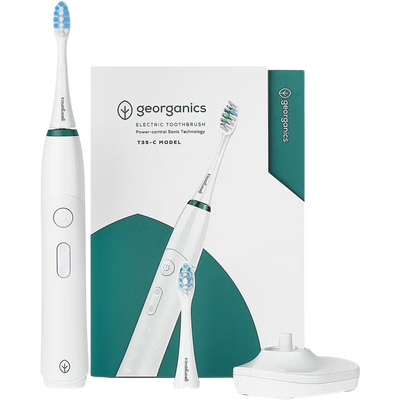
Best Sustainable Electric Toothbrush 2026: 5 Picks Tested for a Greener, Healthier Smile
LEARN MORE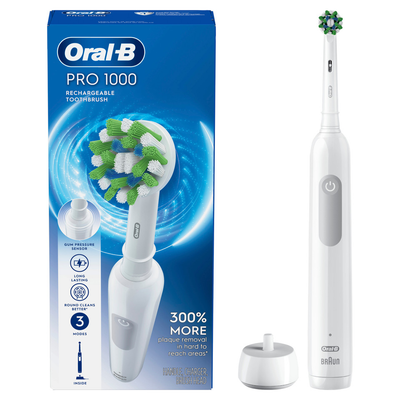
Best Cheap Electric Toothbrush (2026): Top 5 Budget Picks That Actually Work
LEARN MORE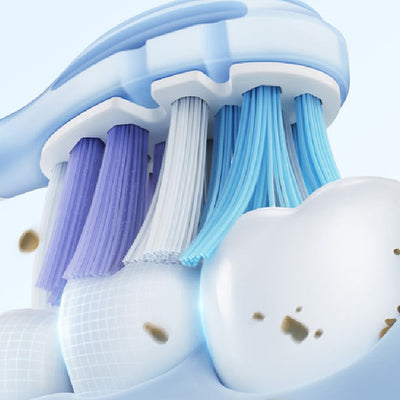
Ultrasonic Toothbrush vs Electric: Which Technology Wins for Your Smile?
LEARN MOREYou may also like

usmile Y20PRO Adults Toothbrush x Q30 Kids Toothbrush


usmile C30 Water Flosser Toiletry Bag Pack


Further reading
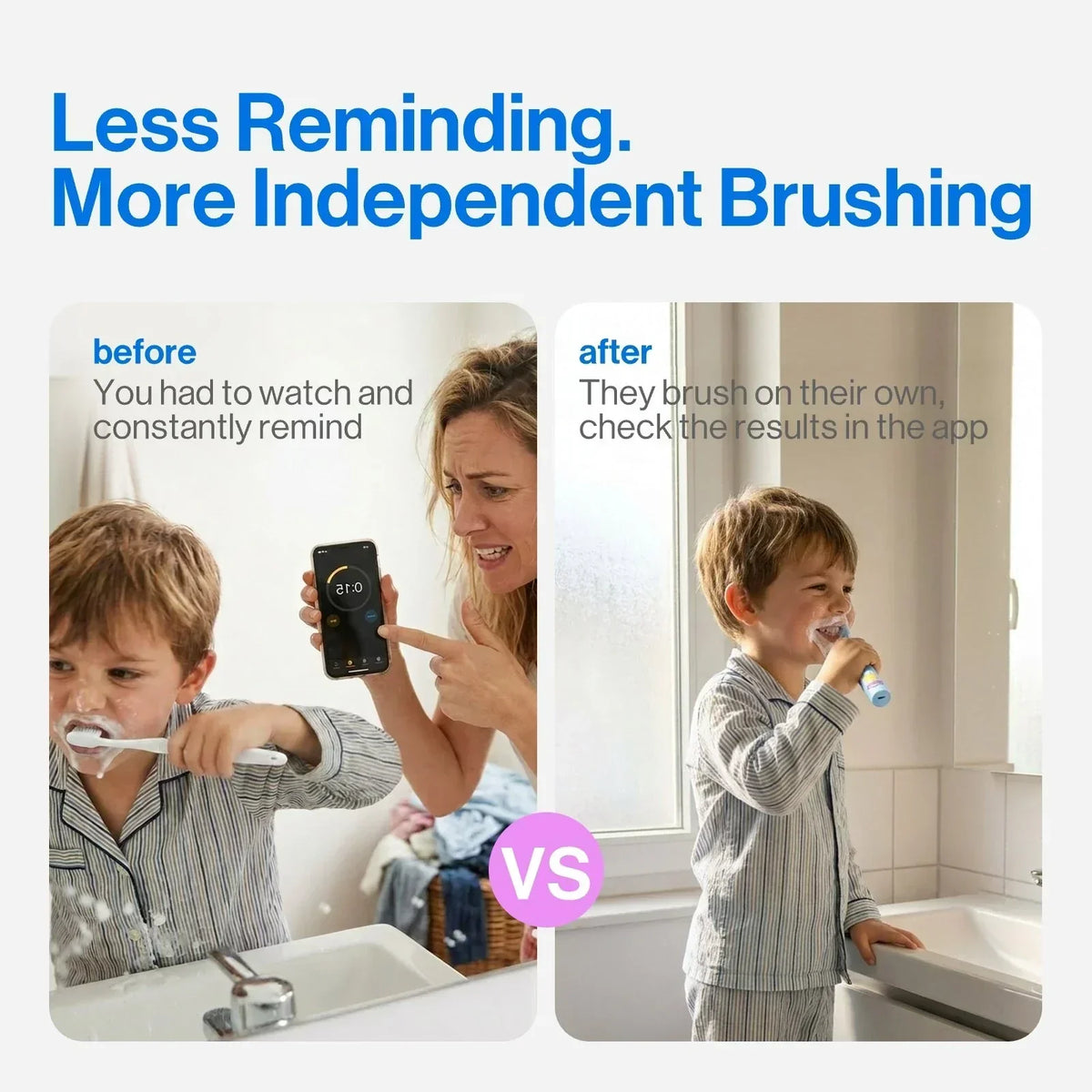
The 5 Toothbrushing Spots Kids Miss Most—and How Parents Can Help
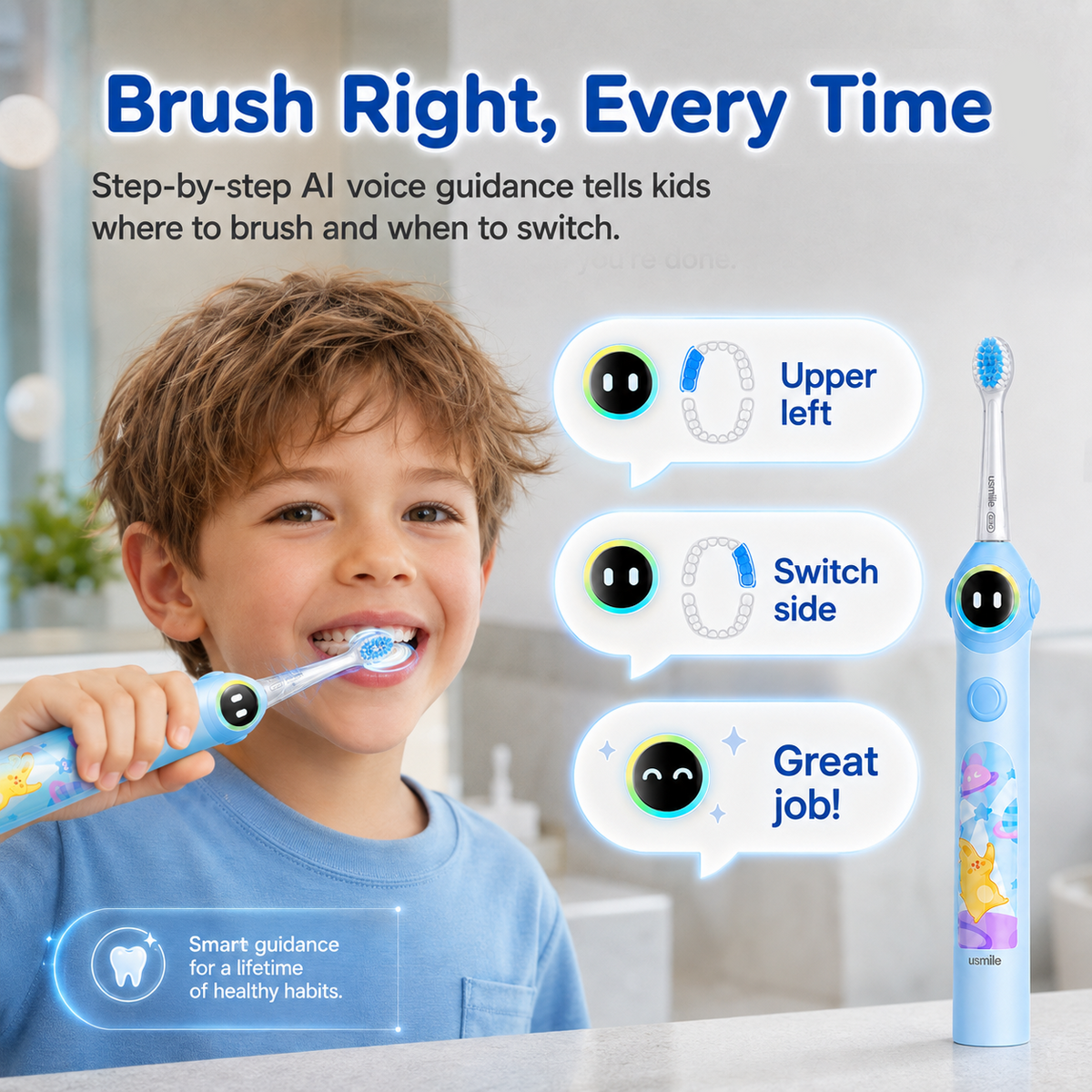
The Back-to-School Brushing Reset: A 14-Day Plan for Kids Ages 3–8
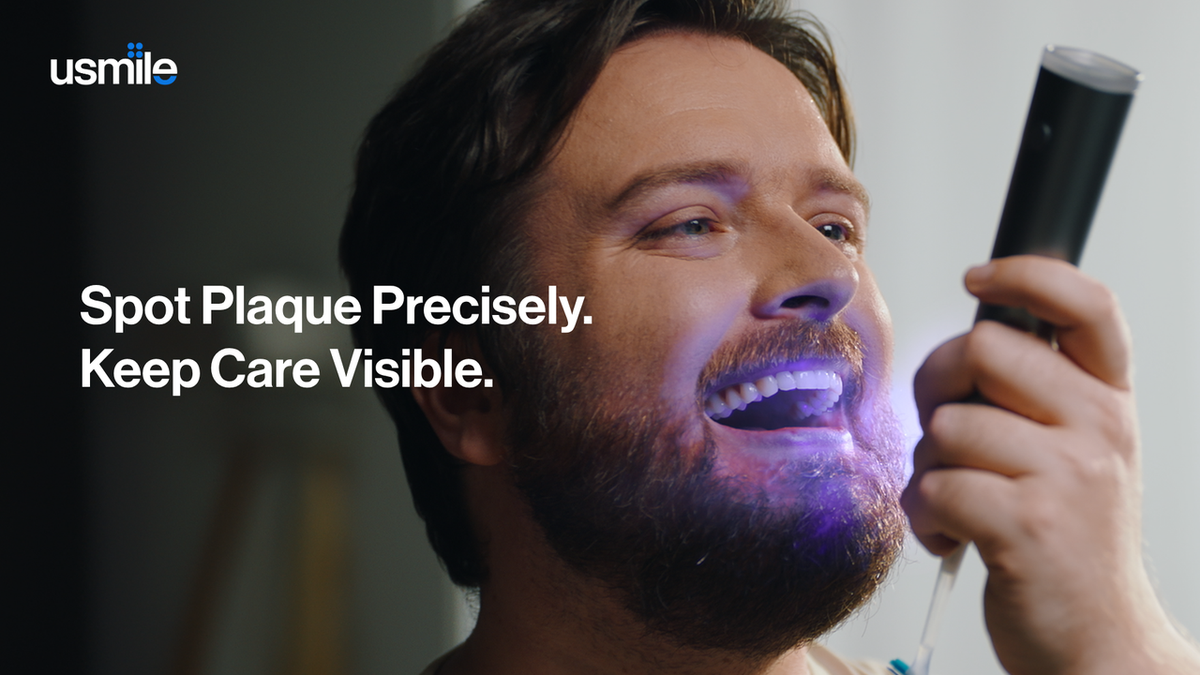
Behind usmile D50 OralCam Toothbrush: From Motion Tracking to Visual Intelligence in Oral Care

