How long until a tooth infection kills you?
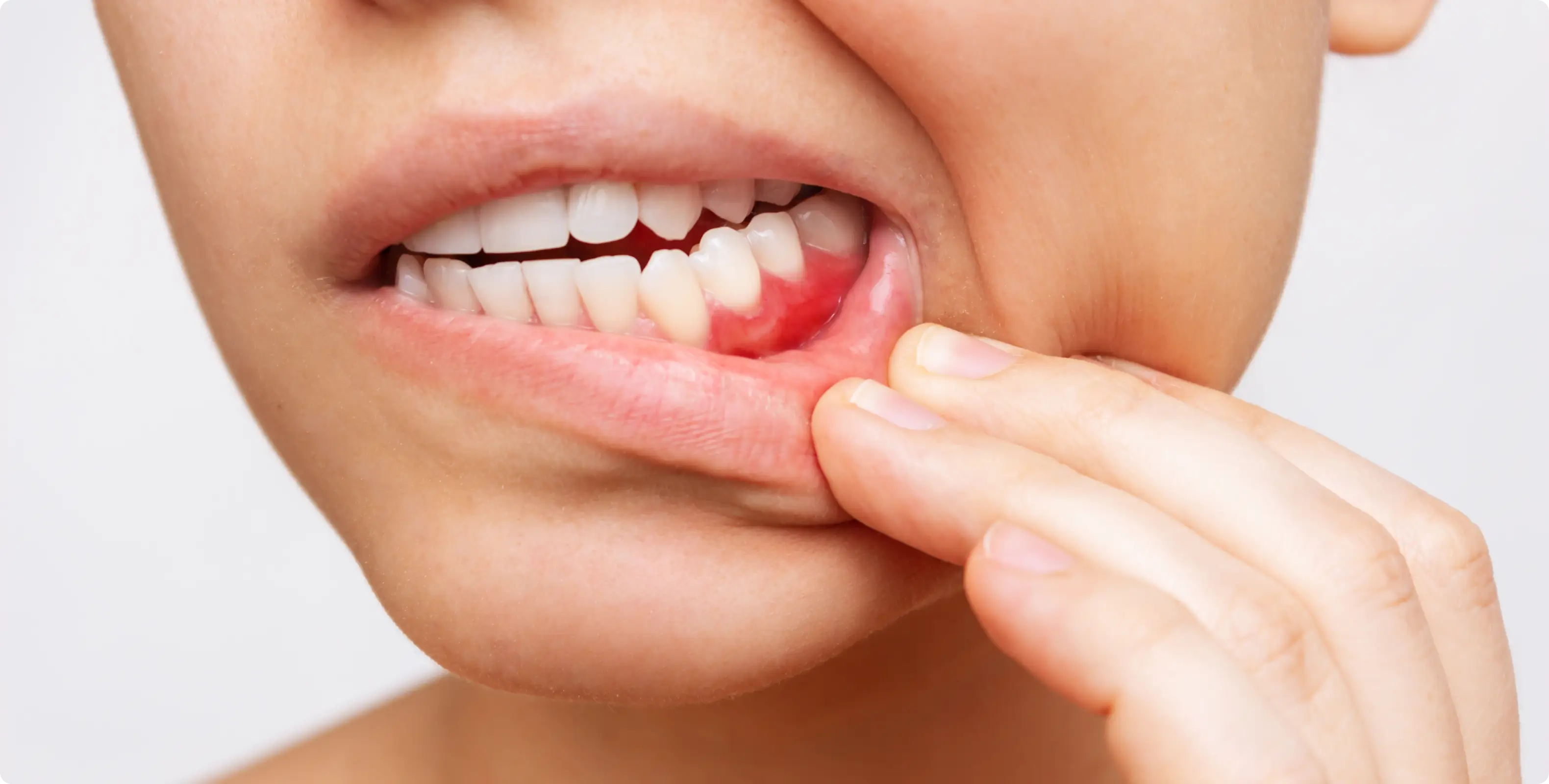
A tooth infection isn’t just about pain — if left untreated, it can become dangerous. Many people wonder, “How long until a tooth infection kills you?” While that sounds alarming, it’s an important question. The answer depends on the severity of the infection, how fast it spreads, and your overall health.
In rare but serious cases, a dental abscess (a pocket of pus caused by bacterial infection) can spread beyond the tooth to your jaw, neck, or even bloodstream. This can lead to sepsis, a potentially life-threatening condition, in as little as a few days if left untreated.
How a Tooth Infection Spreads
When bacteria invade the pulp inside your tooth, the body reacts with inflammation. Without dental treatment, the infection can:
-
Spread to surrounding tissue – swelling in your face, gums, and jaw.
-
Enter the bloodstream – causing fever, chills, and fatigue.
-
Affect vital organs – in extreme cases, impacting the heart, lungs, or brain.
The timeline can vary:
-
Mild localized infection – may remain in the tooth for weeks, but pain will worsen.
-
Severe untreated infection – can spread in 48–72 hours.
Warning Signs That Require Immediate Care
If you notice any of these symptoms, seek emergency dental or medical help:
-
Severe, throbbing toothache
-
Swelling in the face or jaw
-
Fever or chills
-
Difficulty breathing or swallowing
-
Swollen lymph nodes in the neck
Treatment Options
A dentist may recommend:
-
Drainage of the abscess
-
Root canal therapy to save the tooth
-
Extraction if the tooth can’t be saved
-
Antibiotics to stop the spread
Prevention Is the Best Protection
The good news? Most tooth infections are preventable with consistent oral care. This means:
-
Brushing twice a day – Using an electric toothbrush like the usmile Y series ensures a deeper clean and removes more plaque than manual brushing.
-
Daily flossing or water flossing – A water flosser is especially helpful for reaching deep between teeth and along the gumline, where bacteria often hide.
-
Regular dental check-ups – Catch small cavities or gum issues before they turn into bigger problems.
Key Takeaway
A tooth infection can go from uncomfortable to dangerous faster than many people realize — sometimes within days. Early treatment is essential, and prevention is the safest strategy. With proper tools like an electric toothbrush and water flosser, you can keep bacteria under control and protect your long-term oral health.


Looking for something else?
Best Electric Toothbrush for Gum Disease (2026): 6 Picks Tested for Real Gum Protection
LEARN MORE
Electric Toothbrush on Plane: The Complete Travel Guide (2026)
LEARN MOREBest Sustainable Electric Toothbrush 2026: 5 Picks Tested for a Greener, Healthier Smile.docx
LEARN MORE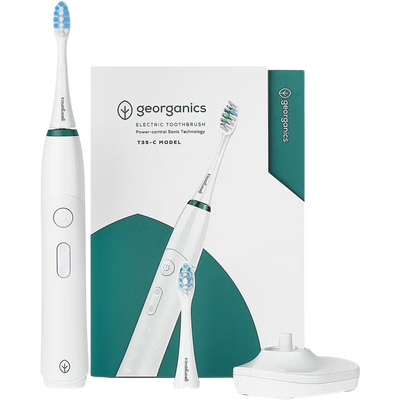
Best Sustainable Electric Toothbrush 2026: 5 Picks Tested for a Greener, Healthier Smile
LEARN MORELooking for something else?
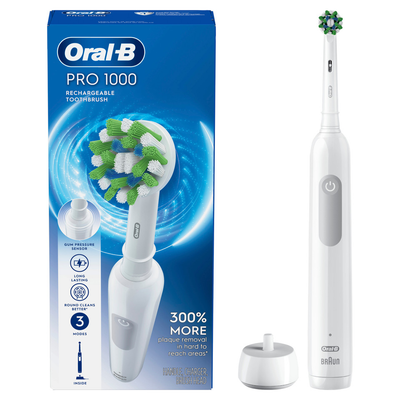
Best Cheap Electric Toothbrush (2026): Top 5 Budget Picks That Actually Work
LEARN MORE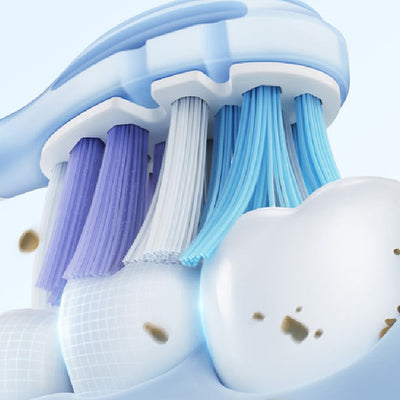
Ultrasonic Toothbrush vs Electric: Which Technology Wins for Your Smile?
LEARN MORE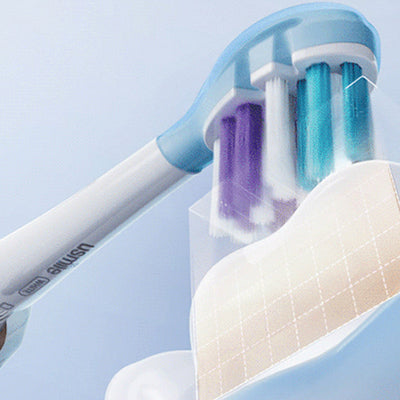
Best Electric Toothbrush for Sensitive Teeth (2026) — 5 Tested
LEARN MOREYou may also like
usmile Y20 PRO Upgraded AI Electric Toothbrush
usmile P10 S Electric Toothbrush

usmile Q30 Kids Electric Toothbrush

usmile C30SE Portable Dental Flosser

usmile Q30 Kids Electric Toothbrush Trio Pack

Further reading
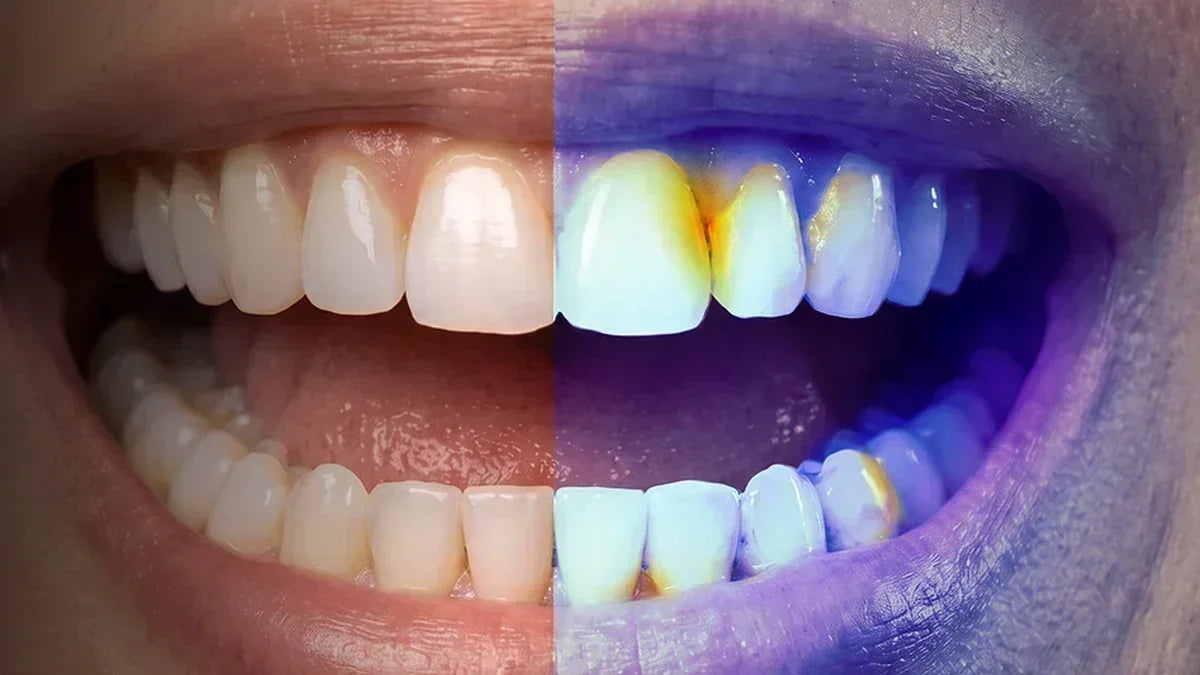
Plaque, Stains, or Food Debris? How to Interpret What a Toothbrush Camera Shows
The 5 Toothbrushing Spots Kids Miss Most—and How Parents Can Help
The Back-to-School Brushing Reset: A 14-Day Plan for Kids Ages 3–8