Toddler Breath Smells? Causes, Fixes, and When to Worry
Most parents notice it eventually. You lean in for a kiss, and there it is, that strong sour edge on your kid's breath that wasn't there yesterday. The reason is usually nothing big. It could be a skipped brushing. It could be food jammed between two back molars. It could be a nap with the mouth wide open for an hour. Other times, though, toddler breath smells bad because of a sinus issue, a cavity, or even a raisin pushed up a nostril at some point that morning. This article covers every cause, the home fixes that actually move the needle, what to skip, and the moments to call your dentist or pediatrician.
Is It Normal for a Toddler's Breath to Smell?
Common, yeah. Whether it's normal depends. There's a real difference between the kind of breath that hits you in the morning before your kid has had any water, which is just the way mouths work overnight regardless of age, and the kind that's still going strong at two in the afternoon after a full brushing session. The second kind has a medical name, halitosis, which honestly just means bad breath that doesn't go away on its own, and toddlers absolutely can get it. They get it for most of the same reasons adults do, except a three-year-old has only loosely figured out what a toothbrush is for. So the cause is usually something small.
Occasional vs. the Kind That Won't Quit

Some smell after lunch, fine. After a long nap, it's also fine. Garlic on the breath at bedtime, that's just how garlic works—different story when the smell sticks around, no matter what. You brushed at 8 am. They drank water. You even got the tongue. And by 10 a,m you can still smell it from the kitchen counter. That's when something is feeding the problem from underneath. It could be a cavity. Could be allergies. It could be food stuck somewhere you wouldn't think to check. The cause is almost always findable, just not with brushing alone.
Why Toddlers Get Hit Harder
Brushing technique. That's most of it. Toddlers smear toothpaste on everything except their teeth; they chew through the bristles; they skip the back molars completely; they have no concept of the tongue as a separate thing that needs cleaning; and if you blink for a second, they've swallowed half the toothpaste. On top of all that, you've got mouth breathing during cold and allergy season (which feels like ten months a year in our house), constant snacking, and the well-documented toddler refusal to drink water unless someone physically hands them a cup. Their immune system is also still developing, which doesn't help.
Common Reasons Toddler Breath Smells Bad
These are listed roughly from most common to least common. In my experience, three or four of the top reasons cover almost every case parents I know have actually run into. The bottom ones come up rarely, but they're worth knowing about because when the standard fixes aren't working, you want a checklist of what to rule out next.
1. Poor Oral Hygiene and Plaque Buildup

Bad brushing causes more toddler bad breath than every other reason on this list combined. Here's the chain reaction. Food gets left behind on teeth and the tongue after every meal and snack. The bacteria living in the mouth feed on those leftovers. Their byproducts are sulfur-based compounds, and sulfur is what your nose actually picks up when you catch a whiff of stale breath. The whole cycle takes hours, not days, which is why even one missed brushing can be detectable by the next morning. Leave it longer, and the film hardens into plaque, which a normal toothbrush can no longer fully scrape off and tends to inflame the gums in the process. Pediatric dentists tell parents this part over and over: until your kid is roughly seven, you should be the one doing the brushing, not standing nearby, cheering them on. Hand control just isn't developed enough yet for them to do a thorough job on their own.
2. Food Stuck Between Their Teeth
Raisins. Worst offender by a wide margin. They look healthy, they're parent-friendly, they pack right between the molars where no toothbrush is ever reaching them, and then they just sit there and slowly do their thing. Crackers do almost the same. So do those squeeze-pouch yogurts, fruit leather, and pretty much anything sticky that pretends to be a fruit. The fix isn't banning anything;it's flossing. Those little disposable plastic flossers with the handles work much better than string floss for tiny mouths because string floss in a toddler's mouth is, uh, an experience. The animal-shaped ones at most drugstores work fine.
3. Tooth Decay or Cavities

A cavity is basically a small structural breakdown in a tooth that creates a tiny pocket where food gets trapped, and bacteria do their thing in a place a toothbrush can't physically reach anymore. So even with great hygiene, a kid with one or two of these can have surprisingly strong breath. Pull out a flashlight. Look at the molars in actual light, not bathroom shadow. Watch for chalky white patches, brown specks, anything that looks like a tiny crater on the chewing surface. A kid suddenly refusing to chew on one side is another quieter signal. Baby teeth genuinely matter, way more than most people realize, so this isn't one to put off because they fall out anyway. The cavity often spreads to the permanent tooth waiting underneath.
4. Dry Mouth
Saliva does a lot. More than people realize. It rinses food off teeth, helps neutralize acid, and keeps the bacterial population from getting out of hand, so anything that dries the mouth out lets that population grow much faster than usual. Toddlers can end up with dry mouth from not drinking enough water during the day, from certain allergy meds, from a pacifier they don't put down, or from breathing through their mouth at night while they sleep. Water is the first move. Offer it after snacks too, not only at meals.
5. Mouth Breathing and Sleeping With the Mouth Open

Toddler morning breath gets weirdly intense sometimes, and the usual cause is mouth breathing during sleep. Saliva production naturally slows at night anyway. Add an open mouth on top of that, and whatever moisture is left dries up quickly. The bacteria already in the mouth get six or seven undisturbed hours to multiply, which is exactly the recipe for a strong morning smell. Most kids sleep with their mouths at least partly open here and there. That's not a problem by itself. What you want to flag to the pediatrician is when it's happening every single night, week after week, even when your kid doesn't have a cold. Allergies are a common driver. So are large adenoids or tonsils. So is a deviated septum. All of those can be addressed once they've been identified.
6. Sinus Infections, Allergies, and Postnasal Drip
Most parents don't think of this one on their own. When a toddler is congested, mucus drips down the back of the throat all day and pools on the tongue, where bacteria absolutely love it and go to work on it like it's a buffet. That produces bad breath that brushing won't fix, because the source isn't in the mouth at all. It's coming from the nose. Runny nose, persistent cough, sore throat, low-grade fever, along with the smell? Probably a sinus thing, not a dental one.
7. Infected Tonsils or Tonsil Stones

The easiest way to check this is to wait until your kid is laughing or yawning, then use your phone's flashlight to take a quick look at the back of their throat. You want to see two pink lumps, roughly equal in size, on either side, with a fairly smooth surface. Anything that looks red and swollen, anything with white spots, anything with small holes that have debris stuck inside, that's pointing toward infection. There's also a condition called tonsil stones, which mostly affects kids with larger-than-average tonsils. The stones are small clumps of calcified gunk that get trapped in the pockets of the tonsil tissue, and they smell horrible. Much worse than the regular bad breath we've been talking about. If you suspect either thing, especially when combined with a sore throat or trouble swallowing, that's a pediatrician visit, not something to wait out.
8. Something Stuck Up the Nose
I know how this sounds. Toddlers will absolutely shove a raisin, a bead, a tiny LEGO, or basically anything small enough to fit, right up their nose, and then forget all about it. A foreign object stuck up there causes sudden, very strong breath, often coming from one side of the nose specifically, sometimes with discharge from that nostril. Please do not try to dig it out yourself with tweezers. Tweezers usually push the objecthigher, making it harder for the doctor to fix it. Urgent care or your pediatrician's office has the right curved tool for this and gets it out in maybe 30 seconds.
9. Strong-Smelling Foods

Food gets blamed less often than it should be. Pungent stuff like garlic, raw onion, certain aged cheeses, fish, anything heavy on spice, all contain compounds that don't just hang around the mouth waiting to be brushed away. They get absorbed into the bloodstream during digestion, travel through the body, and come out through the lungs every time your kid exhales. That keeps going for hours after the meal. So if dinner involved garlic at 6 pm, you're still smelling garlic on your toddler's breath at bedtime. Brushing doesn't really change this part. You mostly just have to wait it out.
10. Health Conditions That Aren't About the Mouth
A small fraction of cases trace back to something bigger happening systemically. Things like acid reflux, certain metabolic disorders, and kidney or liver problems. I'm putting this at the bottom of the list because, statistically, these cases are rare and rarely present with bad breath on their own. There are usually other symptoms that come first, like stomach issues, weight changes, fatigue, things you'd already be paying attention to as a parent. So if you've genuinely worked through every other cause on this list and the smell is still there, mention it to your pediatrician and let them broaden the search from there. Please don't jump to this category first. The odds favor a simpler explanation almost every time.
How to Get Rid of Bad Breath in Toddlers
Plan of attack. Start at the top and work down. Most parents won't need to get past number four before the smell improves.
Brush Twice a Day for Two Full Minutes
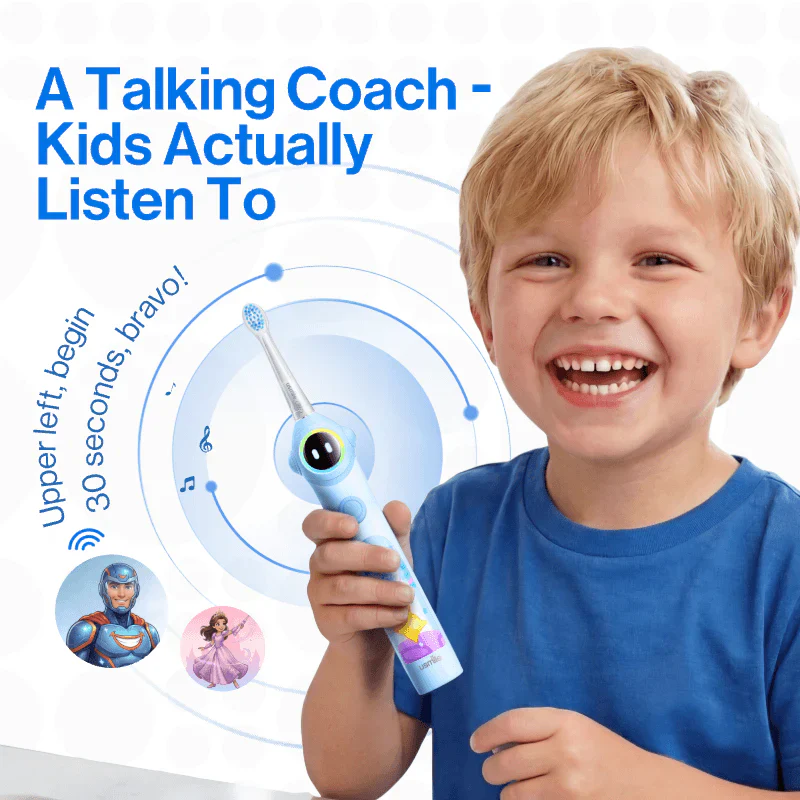
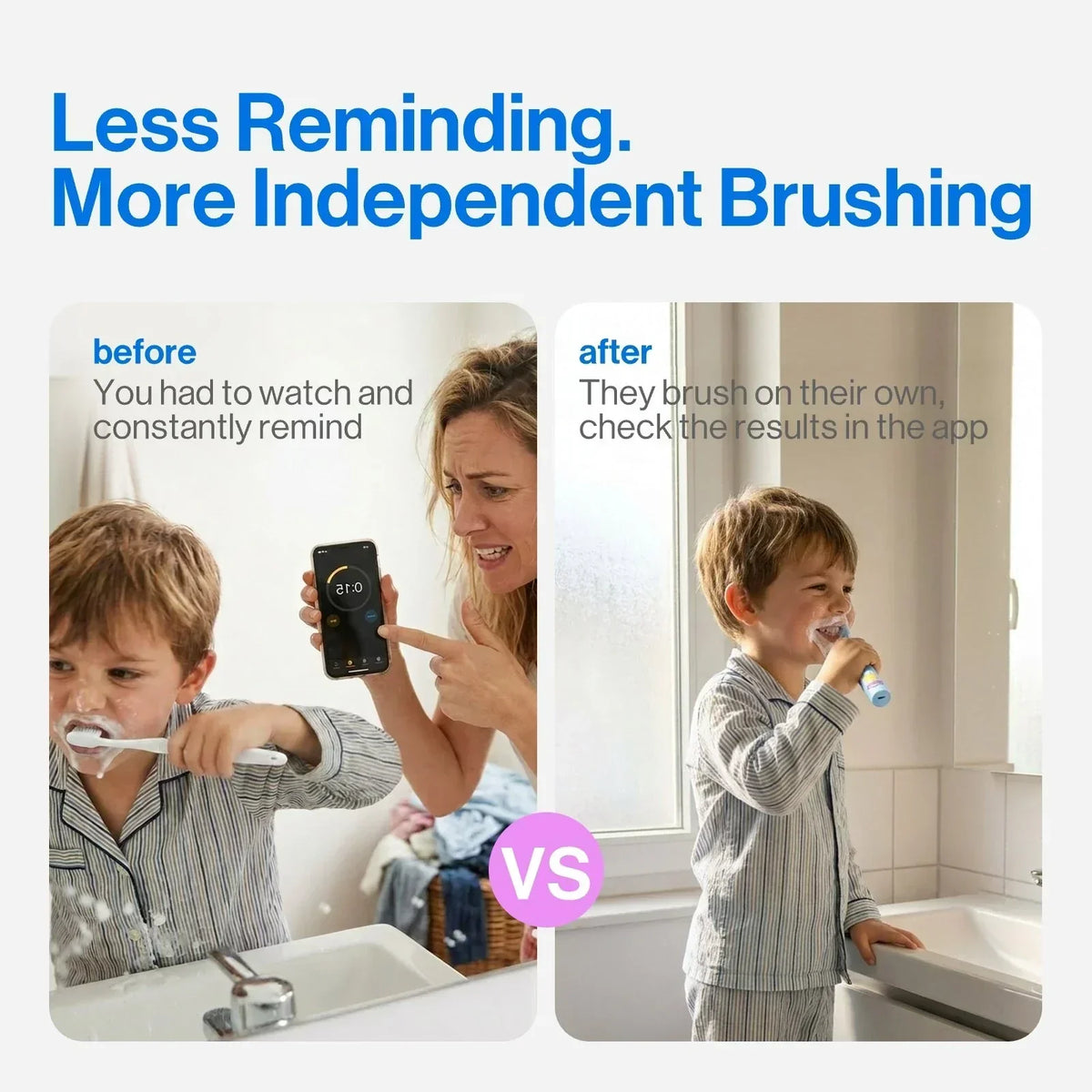
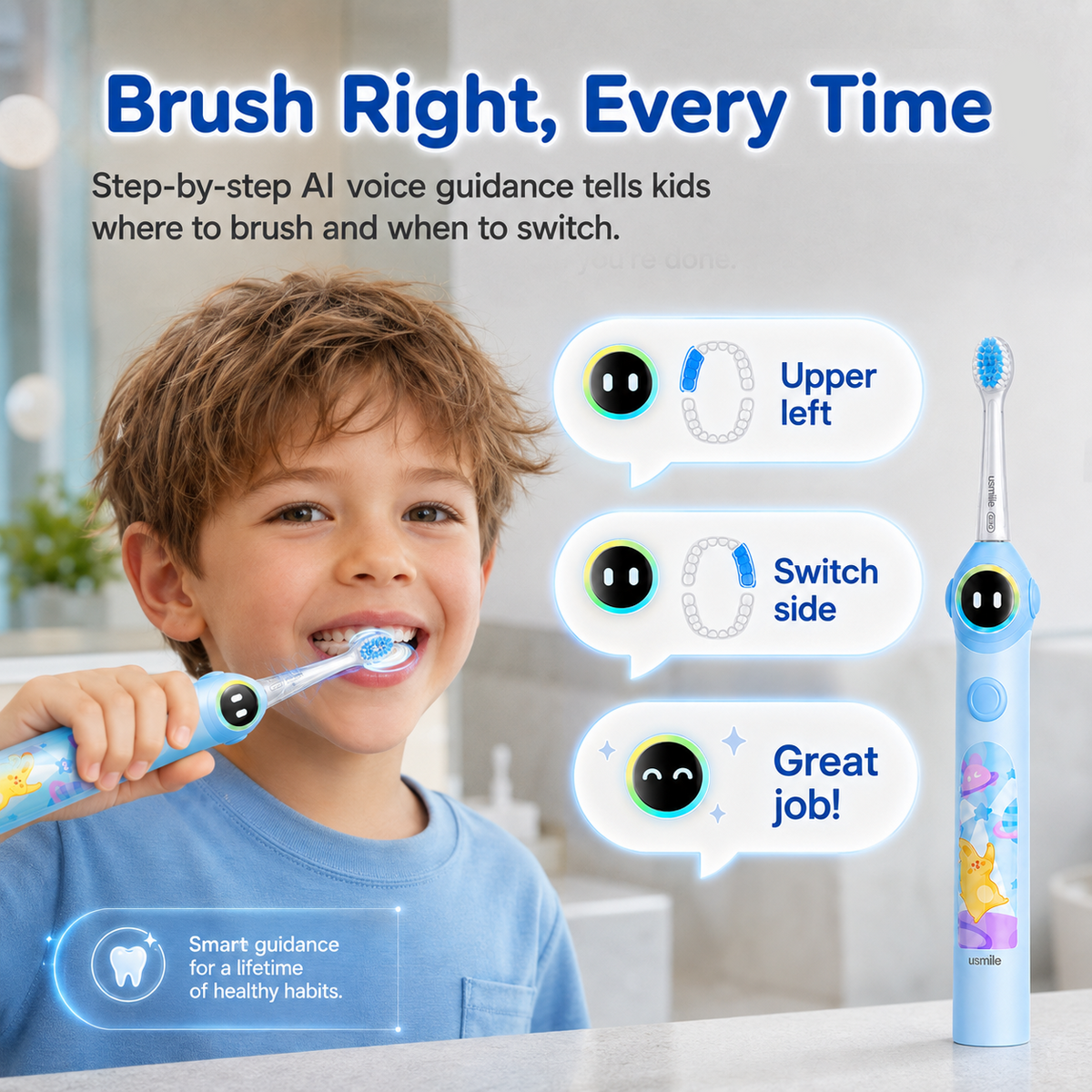
Morning. Night. Daily, no exceptions, even when you're tired and the kid is melting down, and bedtime is already 40 minutes past where it should have been. Two minutes feels long to a three-year-old, so it helps to put on a song they like or use a sand timer they can watch. Soft bristles. Small brush head. Hit every surface, including the awkward inside of the front teeth and the back chewing surfaces of the molars, where stuff actually collects. A lot of families find that the brushing battle just disappears once they switch to a kid-sized electric brush, because the brush does most of the cleaning, and the kid mostly just needs to keep it moving around their mouth for 2 minutes.

If you're looking for a place to start, ourkid-friendly electric toothbrushes are designed for small hands and small mouths: soft bristles, a smaller head, and a built-in two-minute timer so the nagging isn't on you anymore.
Get the Toothpaste Amount Right
This trips up a lot of parents, mostly because the toothpaste tube doesn't think to mention it. Under three years old: a smear, about the size of a grain of rice, no more. From three to six: pea-sized blob. The AAPD and ADA both back those numbers, and the amounts are deliberately small because young kids swallow more toothpaste than they spit out, especially the strawberry-flavored stuff that, let's be real, tastes like dessert. Start teaching the spit-and-rinse thing the moment your kid can. Could be three. Could be five. There's no universal timeline, and it isn't worth stressing about.
Don't Skip the Tongue
Most of the odor-causing bacteria aren't actually on the teeth; they're on the tongue, which is the one thing almost every parent forgets to clean and is also the step with the biggest, most specific payoff for breath. Look at your kid's tongue under decent light. Whitish coating means there's something to clean off. A few gentle passes from back to front with the brush, no scrubbing, is enough. You can also get those soft little tongue scrapers made for kids if it works better as a separate step.
Start Flossing the Day Teeth Touch
The day any two of your toddler's teeth start touching is the day to start flossing. Food has a hiding spot now. Once a day works fine, ideally as part of the bedtime routine right before brushing. Skip string floss for now. The little disposable flossers with handles are way easier to use in a small mouth that won't stay open, and most kids tolerate them just fine after a few tries. If they want to try one themselves while you do the actual flossing, let them. It usually helps with the resistance.
Water Throughout the Day

Water does a surprising amount of work in this whole equation. It physically rinses food residue off the teeth, helps keep the mouth moist enough for saliva to do its own cleaning, and leaves no sugar behind for bacteria to feed on. So a cup of water after a snack isn't just about hydration, it's actually cleaning. Keep one accessible. A small cup or water bottle in reach during the day works. Hand it to your kid after every snack, not just at mealtimes. And one quick note on sippy cups. If your toddler is past two and still using one regularly, this is a fine moment to phase it out. Open cups and straw cups are a better choice because sippy cups hold sweet liquid right up against the front teeth for much longer than is ideal.
Easy on the Sticky and Sugary Stuff
Sugar feeds the bacteria. The bacteria are what make the smell—prettyshort-chain. The frustrating part is that the worst snacks for breath aren't even the ones a parent would normally flag as bad. Cookies and ice cream aren't great, sure. But the bigger culprits in most households are the snacks marketed as healthy. Gummy vitamins are basically chewy candy with a vitamin label slapped on. Fruit leather sticks to teeth for hours.
Sweetened yogurt is loaded with added sugar that most parents don't notice on the label. Juice boxes are concentrated sugar with a splash of fruit flavor. Those wheat crackers turn into a paste the moment they hit saliva, and that paste sits in the back molars until the next brushing. None of this has to come off the menu. Just shift the timing. Save them for mealtimes, not between-meal grazing, and follow with water. Apples, carrots, cucumber, and celery sticks are honestly the unsung heroes here because the chewing itself scrapes the teeth as your kid eats.
Swap Out the Toothbrush
Frayed bristles don't do much. Three to four months is the standard replacement window, sooner if your toddler has been sick, because a cold or stomach bug can leave a brush full of enough leftover germs to reinfect a kid right as they're starting to feel better, which feels deeply unfair, but there you go. When the replacement comes around, the bigger upgrade for some families is the brush itself, not just the head.

Going with a gentle toothbrush designed for small mouths,with a smaller head, soft vibrations, and a built-in two-minute timer, takes most of the parent effort out of the daily routine. Kids tend actually to want to brush when the tool feels like theirs.
What Not to Use for Toddler Bad Breath
Before you go down a Pinterest rabbit hole at midnight, a few hard nos.
Adult Mouthwash Is a No

Most adult rinses contain alcohol, high concentrations of fluoride, or essential oils that aren't safe for a toddler to swallow. And toddlers will absolutely swallow them. Kid-specific rinses exist, but they should only be part of your routine on your dentist's recommendation, not because you saw a video about them on TikTok.
Skip the DIY Stuff
Baking soda scrubs. Lemon juice rinses. Apple cider vinegar. Hydrogen peroxide. Essential oils are dabbed on the tongue. All of these float around online as natural miracle cures, and none of them belong in a young child's mouth. Baby tooth enamel is significantly thinner than adult enamel, which means acidic foods and drinks like lemon and vinegar can wear it down surprisingly quickly. Essential oils can also be toxic even in small amounts when swallowed. Stick with what pediatric dental groups actually recommend: brushing, flossing, and water.
Don't Just Mask It
A breath mint or spray buys you ten minutes. In the meantime, whatever's actually causing the smell, whether that's a cavity, a sinus issue, or a bead jammed up a nostril, is still happening and probably getting worse. With kids, covering the symptom is the wrong move. Always find the cause first.
When Should Parents Be Concerned About a Toddler's Bad Breath?
Bookmark this section. If anything in here matches what's happening at your house, the time for home fixes is over, and it's time to call somebody.
It Just Won't Go Away
You've been brushing twice a day, flossing, cleaning your tongue, swishing with water all day, doing every single step in this article religiously for a solid week, and the smell is still right there, mocking you. That's the signal. Book a dentist visit. Something else is going on, and home steps won't crack it on their own.
Tooth Pain or Visible Damage
Brown spots, chalky white patches, swollen gums, bleeding when you brush, refusing to chew on one side, and complaints that something hurts. Any of those points to a cavity or gum problem that needs a dentist's eyes on it now, not next month. Catching this early is the difference between a quick filling and something much bigger and more expensive later on.
Fever or Sore Throat in the Mix
Bad breath plus a fever above 100.4°F or a real sore throat usually points to an infection. Strep, tonsillitis, viral throat stuff, that whole family of things. This is a same-day pediatrician call, especially if your toddler is also pulling at their ears or refusing food they normally love.
One Side of the Nose Smells
Worth saying twice. A sudden, strong, one-sided nasal odor in a toddler is the classic sign of a foreign object up there. Don't try to fish it out at home, especially not with tweezers. Urgent care or the pediatrician handles it fast with the right tool, usually without your kid even being upset about it.
Stomach or Eating Issues Show Up Too
Vomiting after meals, excessive burping, refusing to eat their usual foods without thinking, and slow weight gain. When bad breath shows up alongside any of those, tell your pediatrician about everything at the same time, not as separate visits. Reflux and other gut issues can definitely cause halitosis in toddlers, and your doctor needs the full picture to connect the dots properly.
How a Dentist or Doctor Can Help
If you've done the home stuff and it isn't working, here's roughly what bringing in a professional looks like.
Pediatric Dental Exam
A pediatric dentist will check for plaque buildup, hidden cavities, gum irritation, tongue coating, abscesses, and signs of chronic mouth breathing. The visit itself is short and almost always less stressful than parents expect. Most pediatric offices now are designed to feel more like a playroom than a clinic, with TVs on the ceiling and toys built into the chairs, which is honestly a huge upgrade from what dental visits looked like in the 90s. They'll also coach you on brushing technique if brushing has been a battle at home.
Professional Cleaning
Even with a solid home routine, some plaque hardens into tartar that only a cleaning can remove. Tartar holds onto bacteria and contributes directly to the smell. Every six months is the standard, starting around age one or whenever the first tooth appears, whichever comes first.
Medical Workup
If the mouth checks out clean but the breath still smells, your pediatrician is next. They'll look up the nose, check the throat and ears, ask about allergies, and maybe swab for strep depending on what's going on. Sometimes that visit ends with a referral to an ENT specialist if the tonsils or adenoids appear to be a factor. Once a doctor is involved, the diagnosis tends to come together pretty fast.
Building a Better Daily Routine

Once your kid is in the clear, the real long-term win is just consistency. Small habits stacked daily. Two minutes of brushing, morning and night. A quick swipe across the tongue. Floss before bed. Water is within reach during the day. Some families I know swear by a brushing chart on the fridge with stickers. Others rely on a playlist of two-minute songs to bookend brushing. Whatever sticks with your kid is what works. And if you'd rather not spend an hour comparing twelve different kid toothbrushes online at midnight, going with a trusted smart oral hygiene brand saves a fair amount of decision fatigue.
Final Thoughts
Toddler bad breath sounds way worse than it usually is. Nine times out of ten, the answer is a small tweak somewhere in the daily routine, whether that's a better brushing technique, more consistent flossing, more water during the day, or fewer sticky snacks between meals. Stick with the changes for a week or two, and the smell usually clears on its own.
When it doesn't clear, that's not on you. It just means something specific is going on that needs a trained eye. A pediatric dentist can spot a cavity or hidden plaque before it turns into something bigger. A pediatrician can rule out infections, allergies, reflux, or whatever else might be at play. Either way, you've got a plan, you know what to look for, and your kid will be back to that absurdly sweet toddler breath soon enough.
FAQs
How do you get rid of bad breath in toddlers?
Start with the routine basics. Brush twice a day for two minutes. Gently clean the tongue—Floss between any two teeth that touch. Push water throughout the day, not only at meals. Cut back on sticky and sugary snacks between meals. Replace toothbrushes every three to four months. If you've done all of that consistently for about a week and the smell is still going, that's when it makes sense to book a dental visit.
When should I be concerned about my toddler's bad breath?
Be concerned if the smell sticks around for several days, doesn't improve with better hygiene, suddenly gets stronger out of nowhere, or shows up alongside tooth pain, fever, swollen tonsils, nasal discharge, or one-sided nose odor. Any of those is a call to your dentist or pediatrician, not a wait-and-see.
Why would a toddler's breath smell?
Top causes are missed brushing, food caught between teeth, tooth decay, dry mouth, mouth breathing, sinus infections, infected tonsils, strong-smelling foods, and, more often than parents would guess, something physically stuck up the nose. Acid reflux and a handful of other health conditions are less common but possible.
How to stop a baby's breath from smelling?
Before any teeth come in, wipe baby's gums gently with a clean, damp washcloth after feedings to clear milk residue. The moment that first tooth pokes through, start brushing it twice a day with a rice-grain-sized smear of fluoride toothpaste—no bottles of milk or juice at bedtime. And book the first dental visit by your child's first birthday or within six months of the first tooth, whichever happens first.
Why does my 4-year-old's mouth smell bad?
Same reasons as a toddler, just with more independence in the daily routine. At four, your kid should be brushing twice daily with a pea-sized amount of fluoride toothpaste, flossing between any two teeth that touch, and still getting help with technique from you. If the smell is sticking around, check the back molars, peek at the tongue, and look for visible cavities. Persistent halitosis at age four earns a dental visit.
Which vitamin deficiency causes mouth odor?
Deficiencies aren't usually the main driver of bad breath, but a couple can contribute. Vitamin C deficiency can cause bleeding in the gums and foul-smelling breath. Some B-vitamin shortfalls can cause mouth sores or tongue inflammation. Don't start handing out supplements based on a guess, though. Talk to your pediatrician first.
What foods cause a toddler's bad breath?
Garlic, onions, strong cheeses, fish, heavy spices, sugary snacks, juice, sticky candies, and protein-heavy meals. Most of these cause short-term bad breath that fades on its own within a few hours after the food is digested.
What kills bad breath naturally?
For toddlers, the safest natural moves are brushing, flossing, gently cleaning the tongue, drinking water throughout the day, easing back on sugary snacks, and adding crunchy raw fruits and vegetables to the daily rotation. Skip adult mouthwash and any internet-recommended remedies unless your dentist has actually signed off on them.
Can dry mouth cause bad breath in toddlers?
Yes, and it's seriously underrated as a cause. Saliva is the body's natural mouth rinse, so when there isn't enough of it, whether from mouth breathing, dehydration, or some medications, bacteria multiply quickly, and the breath turns foul. Offering more water during the day, plus addressing chronic mouth breathing, usually clears it up within a week or two.
Sources
- American Dental Association (ADA): Healthy Habits for Babies and Kids
- American Academy of Pediatric Dentistry (AAPD): Parent FAQ on Toddler Oral Care
- American Academy of Pediatric Dentistry (AAPD): Fluoride Therapy Best Practice Guidelines
- Mayo Clinic: Bad Breath – Symptoms and Causes
- Mayo Clinic: Bad Breath – Diagnosis and Treatment
- Cleveland Clinic: Halitosis (Bad Breath) Causes and Treatment
- American Dental Association (ADA): Toothbrushes – Oral Health Topics
- MouthHealthy by ADA: Baby Teeth Care Guide


Looking for something else?
Best Electric Toothbrush for Gum Disease (2026): 6 Picks Tested for Real Gum Protection
LEARN MORE
Electric Toothbrush on Plane: The Complete Travel Guide (2026)
LEARN MOREBest Sustainable Electric Toothbrush 2026: 5 Picks Tested for a Greener, Healthier Smile.docx
LEARN MORE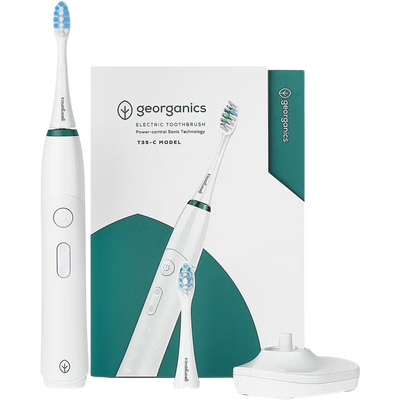
Best Sustainable Electric Toothbrush 2026: 5 Picks Tested for a Greener, Healthier Smile
LEARN MORELooking for something else?
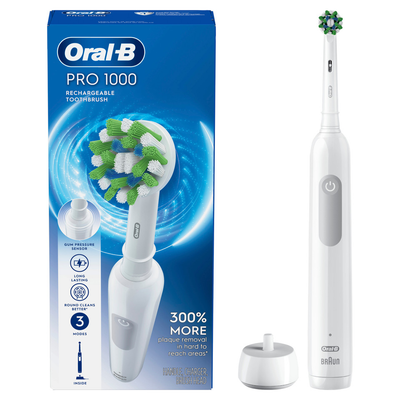
Best Cheap Electric Toothbrush (2026): Top 5 Budget Picks That Actually Work
LEARN MORE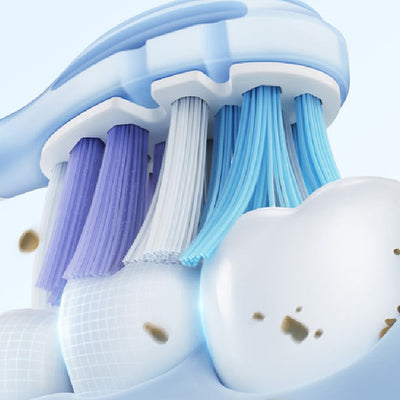
Ultrasonic Toothbrush vs Electric: Which Technology Wins for Your Smile?
LEARN MORE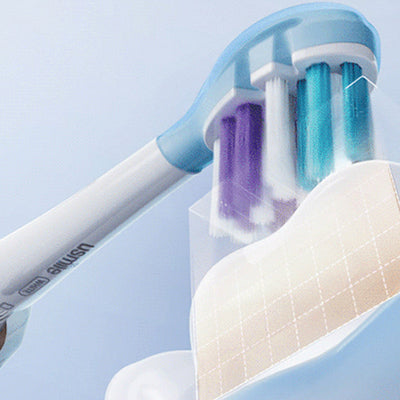
Best Electric Toothbrush for Sensitive Teeth (2026) — 5 Tested
LEARN MOREYou may also like
usmile Q30 Kids Electric Toothbrush Trio Pack
usmile Y20PRO Adults Toothbrush x Q30 Kids Toothbrush
Further reading
Plaque, Stains, or Food Debris? How to Interpret What a Toothbrush Camera Shows
The 5 Toothbrushing Spots Kids Miss Most—and How Parents Can Help
The Back-to-School Brushing Reset: A 14-Day Plan for Kids Ages 3–8