


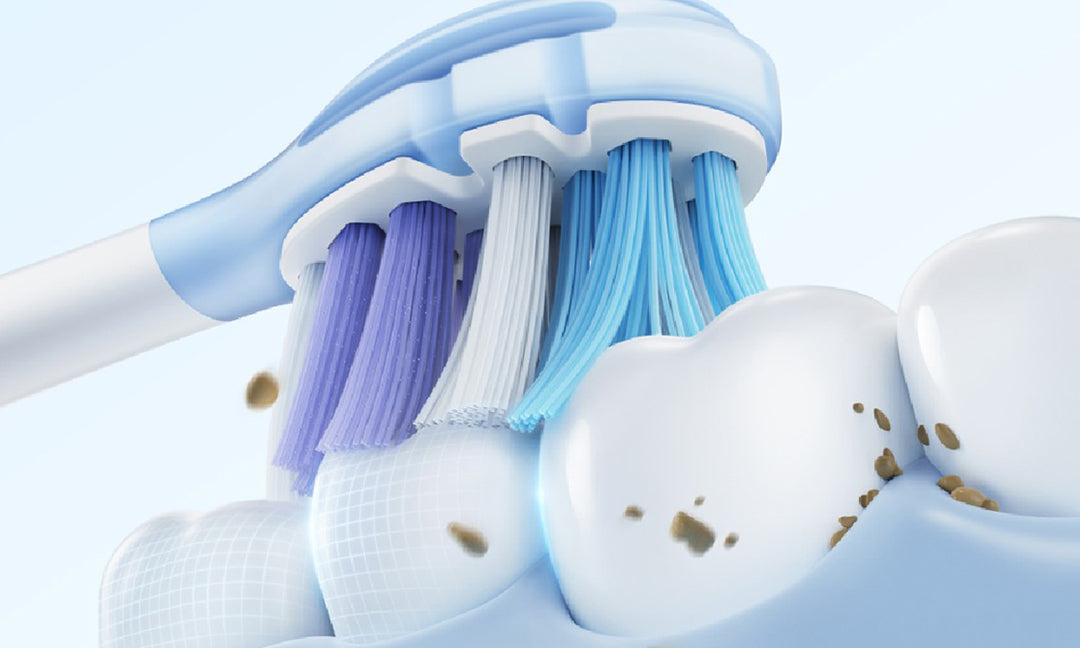
Soft or Medium Toothbrush — Which One Is Actually Safer for Your Teeth?
Nobody really thinks about toothbrush bristles. You stand in the dental aisle, grab something that looks fine, and toss it in the cart. Done. Most of us have been doing exactly that for years. But here's the thing — that one detail on the packaging, as oneclinical comparison points out, quietly affects what happens to your gums and enamel every single morning and night. Get it wrong for long enough, and your dentist starts pointing at spots you’d rather not discuss. If you’ve been defaulting to medium because it “feels like it cleans better,” this is worth reading. And whether you brush with a basic drugstore manual or something from a smart dental hygiene brand with actual tech behind it, bristle firmness is still the starting point of a healthy brushing routine.
Quick Answer: Soft or Medium Toothbrush?
What's better, a soft or medium toothbrush? For most people, a soft toothbrush wins almost every time. It cleans plaque just as well as medium does under real conditions, and it does so without chipping away at your gumline or grinding down your enamel year after year. Medium bristles feel more aggressive — but that sensation isn’t cleaning. It’s friction. Those aren’t the same thing.
Soft Toothbrush Is Better for Most People

Here’s what people miss about soft bristles: the whole point is that they flex. They’re not supposed to feel rigid. That flexibility lets the tips dip slightly below the gumline — exactly where plaque parks itself and where early gum disease quietly gets started. A stiff bristle can’t do that. It just scrubs the surface and calls it a day. Dentists have been recommending soft bristles for decades, not because it’s the conservative choice, but because it’s the effective one.
Medium Bristles Feel Thorough. They’re Often Not.
The scrubby feeling of a medium toothbrush is easy to mistake for deep cleaning. But your brain is reading the friction, not the outcome. What’s actually happening is that stiffer bristles are pressing against tissue that can’t defend itself the way harder surfaces can. Enamel thins. Gums creep back. Not all at once — slowly, over months and years, until one day your dentist asks how long you’ve been using a firm brush and the answer is embarrassingly long.
Technique Is Doing More Work Than the Bristle
Two people can use the same medium toothbrush and get completely different results — one fine, one slowly wrecking their gumline — just based on pressure and angle. That tells you something. The brush isn’t the variable. The technique is. Two minutes, 45 degrees to the gumline, gentle strokes. Get that right, and a soft toothbrush will outperform a medium one every time.
Soft vs Medium Toothbrush: Main Differences

Let’s get into specifics.
Bristle Firmness
Press a soft toothbrush against your palm. The bristles give way, spread a little, and bounce back. Try it with a medium brush — there’s clear resistance. Now imagine that same resistance pressed against the edge of your gum twice a day for three years. Soft bristles wrap around the contour of your teeth. Medium ones push against it. For most people who have no idea how hard they’re actually pressing, that difference matters a lot more than they think.
Plaque Removal
Both soft and medium toothbrushes can remove plaque. That’s not really up for debate. A study comparing the two found that medium bristles had a slight edge in plaque reduction under controlled conditions — but "controlled conditions"means a trained researcher watching your every stroke. That’s not Tuesday morning before coffee. At home, technique drifts, pressure varies, and the “medium bristles clean better” advantage essentially disappears. What remains is the elevated risk.
Gum Safety

This is the real dividing line. Soft bristles leave your gum tissue alone. Medium bristles, used daily with typical home pressure, can steadily push the gumline back. You won’t see it happening — gum recession is one of those problems that announces itself only after it’s already happened. And once it’s there, getting that tissue back usually means a gum graft, not a gentler toothbrush. Prevention is so much simpler.
Enamel Protection
Enamel is irreplaceable. Your body builds it once, and that’s it. Medium bristles with even moderate daily pressure wear it down at the cervical margin — that narrow band near the gumline where it’s already thinnest. Pair a soft brush with a low-abrasive fluoride toothpaste, and you get solid enamel protection day after day. That’s genuinely hard to beat.
Why Dental Professionals Recommend Soft Toothbrushes
This isn’t a new thing. Dentists and hygienists have been pointing patients toward soft-bristled toothbrushes for a long time — not out of excessive caution, but because of what they have actually seen in patients’ mouths over the years.
Soft Bristles Protect the Gumline
Your gumline is softer and more vulnerable than most people appreciate. There’s no enamel protecting it. The tissue sits right against the tooth root, and it doesn’t regenerate well once it’s damaged. A soft brush at the right angle removes plaque along that margin without cutting into it. Medium or firm bristles,when used with the same motion, can slowly carve tiny notches into the root surface and push the gum away. That process is quiet, painless for a while, and then suddenly very much not.
Better Choice for People With Sensitive Teeth

Cold water that makes you flinch. Sweet food that registers as pain rather than taste. If that’s familiar, your enamel is probably thinner than average, or your roots are partially exposed. Using medium bristles in that situation is like pressing on something that already hurts and expecting it to improve. Drop down to soft — or even extra-soft — and most people find brushing becomes comfortable enough to actually do properly.
Soft Doesn’t Mean Weak
Plaque isn’t cement. It’s a soft bacterial layer that sticks loosely to tooth surfaces and releases with light contact. You do not need to scrub it. You need to reach it, and you need to do that consistently. A soft toothbrush hitting every surface correctly, twice a day for two minutes, removes plaque just as thoroughly as anything stiffer — minus the collateral damage to tissue that can’t grow back.
ADA Guidance Backs Soft Bristles

The American Dental Association recommends soft-bristled toothbrushes as the standard for daily oral care. They also recognize that angled or multi-level bristle designs help you reach tricky spots without needing harder bristles to do it. The ADA Seal of Acceptance is worth paying attention to when you’re choosing a brush — it means the product has been independently reviewed and actually tested, not just marketed at you.
When an Extra-Soft Toothbrush Makes More Sense
Regular soft bristles are the right call for most people. But there are situations where dropping to extra-soft is genuinely the smarter move.
Tender or Bleeding Gums

If your gums bleed when you brush, look a bit swollen, or just feel sore after, that tissue is already inflamed. Adding friction with regular soft or medium bristles can slow recovery or make things worse. Extra-soft bristles let you keep brushing — which you absolutely still need to do — while letting the tissue settle. That said, if your gums are bleeding regularly, get that checked. A brush change helps, but it doesn’t address whatever’s causing the problem.
Diagnosed Gum Disease or Active Recession
If a periodontist has mentioned gingivitis, periodontitis, or recession, there’s a reason they’re watching that tissue closely. Extra-soft is almost always what they’ll recommend — clean around the gumline without adding more trauma to what’s already there. Consistent, gentle cleaning wins over aggressive cleaning every single time in these situations.
Right After a Dental Procedure
After a crown, an extraction, implant placement, or a deep cleaning, your mouth needs breathing room. An extra-soft brush keeps things clean around treated areas without pulling at stitches, irritating fresh tissue, or disrupting whatever’s healing underneath. Your dentist’s post-care instructions are always the final word here — follow those over any general advice, including this.
Manual vs Electric Toothbrush: Does Bristle Firmness Still Matter?
Yes — though the way firmness plays out is a bit different when the brush is powered.
Electric Toothbrushes Come With Soft Heads for a Reason

Sonic and oscillating toothbrushes move incredibly fast. That movement creates cleaning action all on its own — you don’t need stiff bristles to supplement it. If anything, adding medium or hard bristles to that kind of high-frequency motion would significantly raise the risk of enamel and gum damage. Manufacturers use soft heads because the motion does the work. The bristle just needs to be in the right place.
A Pressure Sensor Is a Game Changer

It’s not intentional — it’s just a habit that develops without any feedback. A pressure sensor on an electric toothbrush closes that loop. Press too hard and the brush tells you immediately, either by pulsing, slowing down, or lighting up. Over time, that feedback rewires the habit. An AI-powered electric toothbrush for pressure control goes further — adaptive brushing intelligence that adjusts in real time and helps protect both enamel and gums without you having to think about it.
Use What You’ll Actually Use Consistently
An expensive electric toothbrush sitting on a shelf beats nothing, but only just. The real question is what you’ll pick up twice a day, every day, and actually use correctly. If a manual brush with soft bristles gets the job done for you, there’s genuinely no compelling reason to switch. If you brush fast, press hard, or your dentist keeps flagging the same trouble spots, then yes — a quality electric option with soft heads and a pressure sensor is worth it.
How to Get the Most Out of a Soft Toothbrush
The right brush only works if you’re using it well. Here’s what actually matters.
Two Minutes Is Not Negotiable

Surveys consistently show people think they brush for two minutes when they actually average under a minute. The two-minute standard exists because that’s roughly how long it takes to give every tooth surface proper attention. Less than that and you’re leaving entire sections untouched. Use a timer, get a brush with a built-in pacemaker, or count in your head — however you get there, get there.
The 45-Degree Angle Changes Everything.
Tilt the bristles toward your gumline, not flat against your teeth. That angle is the whole reason soft bristles work — it gets the tips right below the gum line, where bacteria accumulate, and gum disease actually begins. Holding the brush parallel to your teeth and scrubbing straight across looks thorough, but mostly cleans the middle of the tooth and skips the part that needs the most attention.
Short Strokes, Not Long Sweeps
Long horizontal motions along the gumline are among the top causes of cervical wear that dentists see. It looks like you’re covering ground, but the sawing motion cuts into gum tissue over time and creates those characteristic notches at the base of teeth. Small circles or short back-and-forth strokes on individual teeth. That’s all you need. You’re guiding the brush, not powering through a job.
Cover the Spots People Habitually Skip
The inside surfaces of your lower front teeth. The very back of your rear molars. The inner faces of your upper teeth. These areas get missed in almost every rushed brushing session. Take an extra ten seconds to target them specifically. And a gentle pass across the tongue does more for breath freshness than most people expect.
Replace It Before It Looks Worn Out

Three to four months is the guideline, but wear pattern matters more than calendar dates. If your bristles start fanning outward before the three-month mark, you’re pressing too hard, and the brush is telling you so. A frayed brush also cleans poorly — the tips lose their shape and stop reaching where they should. The same applies to replacement heads on electric toothbrushes — a worn-out head defeats the purpose of a good motor.
Brushing Habits That Quietly Damage Your Mouth
Pressing Hard Because It Feels More Thorough

Look, this is the one that catches the most people. The firm, scratchy sensation of a hard brushing session gets read by your brain as productive. But what’s happening physically is just abrasion — bristles dragging across enamel and gum tissue with more force than necessary. Plaque comes off with a light touch. There is nothing to be gained from the extra pressure. If you find yourself instinctively pushing hard, consciously loosen your grip. That alone changes things.
The Side-to-Side Scrub Along the Gumline
This is probably the most common wrong technique out there. The horizontal scrubbing motion at the gum margin feels intuitive — you’re covering the tooth, you’re moving fast, it seems fine. But when done repeatedly over months and years, it creates a wedge-shaped pattern at the base of the teeth called an abfraction. The damage is structural and cumulative, and it doesn’t reverse itself. Small controlled strokes near the gumline. Not sweeping motions.
Hanging On to a Brush Way Past Its Prime
The bristles look a bit fanned out, but hey, it’s still sort of a toothbrush. Except a frayed brush doesn’t reach where it needs to — the tips have lost their geometry and slide across surfaces instead of getting into them. You’re going through the motions but not actually cleaning. And again, if yours is frayed early, that’s not bad luck. That’s pressure feedback.
Using a Toothbrush on Skin to Clear Blackheads
This comes up more often than you’d think. The reasoning makes sense on the surface — soft bristles, gentle scrub, exfoliation. But toothbrush bristles are too coarse for facial skin, especially in acne-prone areas. Scrubbing pores spreads bacteria rather than clearing them, and it disrupts the skin barrier enough to worsen inflammation. Dermatologists are consistent on this: anything physically abrasive on acne-prone skin tends to backfire. If blackheads are a genuine concern, that’s a conversation to have with a dermatologist, not a dental aisle problem.
Bottom Line: Soft Bristles Are the Smarter Daily Choice
The soft-versus-medium debate isn’t really close once you look past what each one feels like in your hand. Medium bristles may scrub harder, but scrubbing harder isn’t the goal. The goal is to remove plaque without damaging the tissues that protect your teeth. Soft bristles do that. Medium bristles do it too — but they pose a risk that quietly stacks up over years of daily use.
Sensitive teeth, gum recession, crowns, braces, or any ongoing gum issue? Soft or extra-soft, no question. Feeling like soft bristles aren’t pulling their weight? The answer is almost always angle and time, not bristle stiffness. Fix the technique before reaching for a firmer brush.
And if you’re genuinely unsure what’s right for your specific mouth, bring it up at your next cleaning. Your dentist and hygienist see the evidence of your brushing habits on your teeth every visit. They’re the most useful resource you have — use them.
FAQs
Is it better to use a medium or soft toothbrush?
Soft is better for most people. It removes plaque just as effectively as medium under real conditions. It carries significantly less risk of wearing down enamel or pushing back gum tissue, particularly for anyone who doesn’t have a textbook-perfect brushing technique (which is most of us).
Should I get a new toothbrush after norovirus?
It’s a reasonable call, yeah. After a stomach illness, your brush may have been exposed to contaminated droplets, especially if it was stored close to other brushes. Replacing it after recovery is cheap and simple. If you’re immunocompromised or have had a cold sore, it’s less of a “maybe” and more of a definite yes.
What toothbrush is best for zirconia crowns?
Soft or extra-soft. Zirconia is tough, but the gumline around a crown isn’t. The margin where the crown meets the tissue is sensitive to abrasion and requires gentle care to remain healthy over the long term. Your dentist’s post-placement instructions are the real guide here — follow those first.
Can I use a toothbrush to get rid of blackheads?
No, and it’s likely to make things worse. Toothbrush bristles are too stiff for facial skin, can transfer bacteria across pores, and irritate inflamed areas. Dermatologists consistently advise against scrubbing acne-prone skin with anything abrasive. Use a gentle cleanser and talk to a dermatologist if it’s a persistent problem.
Which brush is best for teeth?
A soft-bristled toothbrush with a small enough head to reach your back molars. Manual or electric, both work. The ADA Seal of Acceptance is a reliable indicator that the product has been independently tested rather than just marketed well.
What is the best type of toothbrush to use?
Whichever one you’ll actually use correctly, twice a day, for two minutes. Soft bristles and a comfortable handle are the starting point. Electric toothbrushes with pressure sensors are genuinely useful for people who tend to press hard without realizing it.
Can a soft toothbrush remove plaque?
Completely. Plaque is a loosely attached bacterial film — it doesn’t take force to clear it. A soft toothbrush at the right angle, brushing for two minutes twice a day, removes plaque from every surface just as thoroughly as anything stiffer. And it does that without the damage that comes with medium or hard bristles over time.
Sources
- MouthHealthy (ADA) – Toothbrushes
- American Dental Association – Brushing Your Teeth
- Lane DDS – Should You Use a Soft, Medium, or Hard Toothbrush?
- Colgate Oral Health – Soft vs. Hard Toothbrush: Which One Should You Use?
- Penn Dental Family Practice – Soft vs. Hard Toothbrush: Which Is Better?
- Arboretum Dentist – Soft, Medium, or Hard Bristle Toothbrush – Which One Should I Use
- PubMed Central (NCBI) – Comparative Efficacy of Medium and Soft Toothbrushes in Plaque Removal and Gingivitis Control
- American Academy of Dermatology – Acne: Tips for Managing


Looking for something else?
Best Electric Toothbrush for Teens (2026): Top Picks, Tested and Reviewed
LEARN MORE
Best Electric Toothbrush for Gum Disease (2026): 6 Picks Tested for Real Gum Protection
LEARN MORE
Electric Toothbrush on Plane: The Complete Travel Guide (2026)
LEARN MOREBest Sustainable Electric Toothbrush 2026: 5 Picks Tested for a Greener, Healthier Smile.docx
LEARN MORELooking for something else?
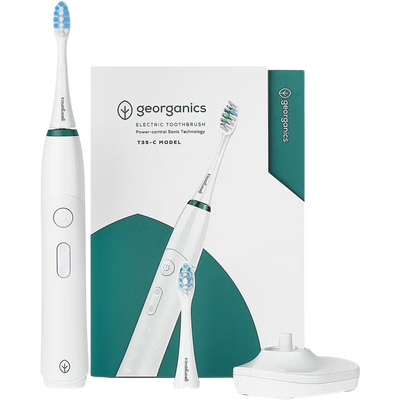
Best Sustainable Electric Toothbrush 2026: 5 Picks Tested for a Greener, Healthier Smile
LEARN MORE
Best Cheap Electric Toothbrush (2026): Top 5 Budget Picks That Actually Work
LEARN MORE
Ultrasonic Toothbrush vs Electric: Which Technology Wins for Your Smile?
LEARN MOREYou may also like

usmile Q30 Kids Electric Toothbrush

usmile Q30 Kids Electric Toothbrush Trio Pack


usmile C30SE Portable Dental Flosser
usmile Y20PRO Adults Toothbrush x Q30 Kids Toothbrush
Further reading
The 5 Toothbrushing Spots Kids Miss Most—and How Parents Can Help
The Back-to-School Brushing Reset: A 14-Day Plan for Kids Ages 3–8
Behind usmile D50 OralCam Toothbrush: From Motion Tracking to Visual Intelligence in Oral Care

