How Long Does Gingivitis Last?
Your dentist said “gingivitis” at your last cleaning, and now you’re wondering how serious that actually is. Or your gums have been bleeding for a few weeks, and you’ve finally decided to look it up. Either way — you’re in the right place, and the answer is more encouraging than you’d expect.
Gingivitis is the one stage of gum disease that’s still fully reversible. The catch is that “reversible” has an expiration date. Leave it long enough, and it becomes something permanent. Act now, and you could have healthy gums in two weeks. Here’s how that timeline actually works.
How Long Does Gingivitis Last?

|
7–14 days for mild gingivitis with better brushing + daily flossing |
2–4 weeks for moderate cases, which often need a professional cleaning |
Months for severe or long-ignored cases requiring deep cleaning |
Mild gingivitis
A bit of redness, occasional bleeding when brushing — and you caught it early. Good. Step up your brushing technique, floss every single day, and most people see real improvement within 7–14 days. Not seven days of trying whenever you remember. Seven days of actually doing it every day. That distinction is the whole game with mild gingivitis.
Moderate gingivitis

More bleeding, visibly puffy gums, maybe some persistent tenderness. Two to four weeks is realistic here — but only if you also get a professional cleaning. Once tartar has formed, home care alone improves things at the surface but doesn’t clear what’s sitting below the gumline. The cleaning isn’t optional at this stage.
Long-standing or more severe cases

If this has been going on for months and you’ve kept delaying the dentist, healing takes longer. Symptoms may barely budge until professional treatment, and even then, recovery plays out over weeks rather than days. Still fixable. Just slower, and closer to the point where it stops being fixable at all.
What Is Gingivitis?

The earliest stage of gum disease
Plaque — the soft bacterial film that reforms on teeth all day, regardless of how carefully you brush — builds up at the gumline when cleaning is inconsistent. Your body registers the bacterial intrusion and sends inflammation. Gums swell, redden, and bleed when disturbed. That’s it. That’s gingivitis.
What matters right now: the bone is still intact. The connective tissue holding your teeth hasn’t been touched. This is the stage where full reversal is still on the table. Don’t wait until the next time it comes up at a cleaning.
Common symptoms
- Gums bleed when you brush or floss — sometimes without much pressure
- Redness or darkening along the gumline, often more obvious toward the back
- Tenderness or slight puffiness around the gum margin
- Bad breath that keeps coming back even after brushing
|
“Gingivitis itself isn’t contagious — but the bacteria that cause it can spread through saliva. Kissing or sharing utensils with someone who has active gingivitis does expose you to those bacteria, especially if your own oral hygiene is already borderline.” — Cleveland Clinic — on gingivitis transmission |
What Affects How Long Gingivitis Lasts?

How early you catch it
Someone who notices bleeding after two weeks and immediately adjusts their routine is dealing with soft plaque. Brushable. Flossable. Clears in days. Someone who’s had persistent bleeding for four months is dealing with calcified tartar on the root surface that no toothbrush on earth removes. Different materials, entirely different timelines. Catching it early isn’t just about speed — it’s about whether home care is even capable of handling it.
Whether tartar has formed
Plaque that isn’t cleared within 24–72 hours starts hardening. Once calcified, no brush removes it — electric, manual, expensive, basic, none of them. A dental scaler does. If tartar is sitting at or below your gumline, home care will reduce irritation around it, but can’t eliminate the source. Professional cleaning is the prerequisite, not the upgrade.
Your daily oral hygiene
The gumline is where gingivitis starts. Not the middle of the tooth. Not the biting surface. The 1–2mm strip where tooth meets gum. Most people brush everywhere except there. Angling the brush 45 degrees toward the gum, working it along that margin — that’s the move. And flossing isn’t optional when you’re trying to heal. Between the teeth is where the bacterial problem begins and where the brush never reaches.
Health and lifestyle factors
- Smoking — cuts blood flow to gum tissue, slows healing, and suppresses the bleeding response. So gingivitis in smokers often looks milder on the surface than it actually is. The warning system is quieter.
- Diabetes compromises the immune response to the bacteria driving gum inflammation. Healing consistently takes longer in people managing blood sugar issues.
- Dry mouth — from medications, mouth breathing, or just not drinking enough water. Saliva is a natural antibacterial defense. Without enough of it, the bacterial environment improves.
- Immune function generally — stress, poor sleep, certain medications — all extend the time it takes for the tissue to recover.
How Long Does Gingivitis Take to Heal After Treatment?

After better home care
For genuinely mild gingivitis — caught before tartar formed, gums just beginning to show signs — two weeks of proper twice-daily brushing and daily flossing usually produces visible change. Bleeding drops off first. Redness and puffiness take a little longer. Most mild cases look close to normal at the four-week mark, assuming the routine is actually held.
One thing people get wrong: “better brushing” isn’t harder brushing. Pressing harder doesn’t move more plaque — it just irritates tissue that’s already inflamed. Softer pressure, better angle, more time at the gumline.
After a professional cleaning
The cleaning removes the calcified material that was keeping the inflammation running. Once that’s gone, the gum tissue actually has a chance to close up and heal. Most people notice a real difference within a week of their appointment. The cleaning does the heavy lifting; everything you do at home afterward keeps it from restarting.
If deep cleaning is needed
Scaling and root planing go deeper than a standard cleaning — tartar is removed from inside gum pockets, and root surfaces are smoothed to make bacterial adhesion harder. Recovery is a bit more involved: gums may be tender for two or three days, and full improvement takes two to four weeks. Your dentist will follow up to check how things are healing, since the depth of recovery varies by how advanced the case was.
|
The part most guides skip Gingivitis can restart within a week of clearing up. Bacteria rebuild fast. Getting rid of it once is not a permanent solution — it’s a clean slate that requires ongoing maintenance. |
How to Treat Gingivitis and Speed Up Healing

Brush your teeth properly
Twice a day, soft-bristled brush, focused on the gumline — not just the visible tooth surface. A soft-bristled electric toothbrush for gum care removes more plaque at the gumline than the manual technique for most people, and it makes maintaining the 45-degree angle easier. Two minutes minimum. Set a timer once, and you’ll realize how short your usual brush is.
Floss or clean between teeth daily
Plaque sits between teeth where no brush bristle reaches. This is where gingivitis starts. Flossing once a day — not “when I remember” — is non-negotiable if you’re trying to heal. If string flossing is the step you reliably skip, a water flosser for inflamed gums reaches the same spaces with less hassle and works well for people with sensitive gum tissue.
Get professionally cleaned
If tartar is already present, home care can improve the area around it, but can’t remove it. Professional cleaning removes what’s already calcified and provides your gum tissue with a clean environment to heal in. For many people, this is the step that finally makes the bleeding stop after weeks of trying at home.
Use mouthwash if recommended
Antiseptic mouthwash — chlorhexidine or alcohol-free antibacterial formulas — can reach bacterial deposits in corners and crevices that brushing misses. Avoid alcohol-based versions: they dry out your mouth, which ironically creates a better environment for the bacteria you’re fighting. Not everyone needs this step, but for more persistent cases, it adds a useful layer.
Stay consistent
Gingivitis heals unevenly if your routine is uneven. Three good days followed by skipping flossing for four days means the bacteria get a recovery window every week. The routine needs to hold even after symptoms start to improve — especially then, because the temptation to slack off returns just as things start to feel normal again.
Signs Your Gingivitis Is Healing

Less bleeding
This is the first thing to improve, and it’s the most encouraging signal. Around day eight to twelve of consistent care, most people notice the sink isn’t pink anymore after brushing. Flossing stops triggering a blood wipe on the tissue. The reduction is gradual, not overnight, but it’s steady if the routine holds.
Less redness and swelling
The dark red or purple color along the gumline starts shifting toward a normal pink. Puffiness along the gum margin settles. This takes slightly longer than the bleeding to resolve, usually closer to two to three weeks into consistent care.
Better gum texture
Healthy gum tissue has a slightly stippled, matte texture — almost like orange peel. Inflamed gums look smooth and shiny from the swelling. As healing progresses, the texture starts shifting back. Most people don’t notice this on their own, but your dentist uses it as a clinical indicator that gum health is returning.
Fresher breath
Gingivitis bacteria produce sulfur compounds — the source of the persistent bad breath that mouthwash only temporarily covers. As bacterial load drops through consistent cleaning, the underlying odor source reduces. If your breath improves without changing anything else in your routine, it’s a good sign the gum infection is clearing.
|
✓ |
Brushing and flossing trigger noticeably less bleeding |
|
✓ |
Gum color shifts from dark red or purple toward pink |
|
✓ |
Puffiness and swelling along the gumline settle down |
|
✓ |
Gum tissue feels firmer, less like you’re pressing on a bruise |
|
✓ |
Morning breath improves without changing anything else |
|
✓ |
Gum texture looks stippled rather than smooth and shiny |
When Gingivitis Does Not Go Away

When tartar is still present
This is the most common reason home care stalls out. Someone brushes twice a day, flosses every night, uses mouthwash, and, six weeks later, still has red, bleeding gums. The routine is fine. What’s sitting below their gum line is tartar that calcified before the improved routine started. Home care can’t reach it. A hygienist can.
When symptoms keep coming back
If gingivitis clears up and then returns within a few weeks, the most likely cause is incomplete plaque control — missing a specific area consistently or rushing through brushing, leaving a pocket uncleaned. Sometimes the cause is a habit (mouth breathing, for instance) that continually dries out the gum tissue. Worth discussing with a dentist to identify the pattern.
When it may no longer be just gingivitis
Gingivitis, left untreated long enough, progresses to periodontitis, in which the inflammation begins to destroy the bone and connective tissue supporting the teeth. At that point, the calculus: it’s no longer “how long does gingivitis last” but “how do I manage chronic gum disease.” Bone loss doesn’t reverse. The window where gingivitis is still 100% fixable is open now. It doesn’t stay open indefinitely.
|
Once it becomes periodontitis Bone loss doesn’t reverse. Tissue that’s been destroyed doesn’t grow back on its own. You can stop it from progressing. You can’t undo it. The window where gingivitis is completely reversible closes quietly — often without much warning. |
When to See a Dentist

Bleeding that does not improve
Two to three weeks of consistent brushing and flossing with no reduction in bleeding is a clear signal that tartar is involved. Book a cleaning. Don’t extend the home care experiment another month, hoping for a different result.
Swelling, pain, or bad breath that persists
Persistent swelling after two or three weeks of good home care, or pain that doesn’t settle, suggests the infection is deeper than standard gingivitis or that something else is contributing. Persistent bad breath despite brushing and rinsing points to ongoing bacterial activity that’s not responding to home treatment.
Loose teeth or gum recession
Either of these indicates the situation has likely progressed beyond gingivitis. Loose teeth suggest bone loss. Gum recession — where teeth look longer than they used to — indicates that tissue has already receded. These warrant an appointment this week, not one at a convenient time.
Signs you may need scaling and root planing

If your dentist measures gum pockets at 4mm or deeper, or finds significant tartar below the gumline, they’ll likely recommend scaling and root planing rather than a standard cleaning. This is a more extensive procedure performed under local anesthesia. According to the Cleveland Clinic, it’s one of the most effective interventions to prevent gum disease from progressing to permanent bone loss. People tend to build it up in their heads as something worse than it actually is.
Final Takeaway
Most cases resolve within 1 to 4 weeks with consistent home care, or faster with professional treatment. The variable that matters most isn’t severity — it’s how long you wait. Gingivitis caught early is a two-week fix. Gingivitis, ignored for months, becomes a multi-appointment process. Ignored long enough, it becomes something you manage rather than something you cure. Building a solid daily gum health habits routine is the only mechanism that reverses it — and the only thing that keeps it from coming back.
- Gingivitis can improve within 1–2 weeks with consistent brushing and flossing
- More stubborn cases may take 2–4 weeks, especially if tartar is present
- Professional cleaning often speeds recovery significantly
- Left untreated, gingivitis progresses to periodontitis, which is not reversible
Frequently Asked Questions
How to tell if gingivitis is healing?
Watch the bleeding first. It drops off before anything else — usually within 7–12 days of consistent care. After that, redness fades, puffiness settles, and the gum texture shifts from smooth and shiny back toward a slightly stippled, matte look. If you’re three weeks in and none of that is happening, you probably have tartar that needs professional removal.
Can gingivitis go away permanently?
It can stay away permanently — but only with a routine that’s also permanent. Bacteria reform plaque within hours of cleaning. Skip flossing for a week during a busy stretch, and early inflammation can restart. Clearing gingivitis is not a one-time fix. It’s a clean slate that requires ongoing maintenance.
What is the fastest way to get rid of gingivitis?
Book a professional cleaning this week and start the home routine the same day. The cleaning removes the tartar that’s making home care ineffective. Brushing twice daily, flossing every night, and an antiseptic rinse handle what forms afterward. Run both tracks simultaneously, and mild-to-moderate cases typically clear within two to four weeks.
What is the #1 cause of gingivitis?
Plaque that isn’t consistently removed from the gumline. That’s it. Everything else — smoking, diabetes, dry mouth, certain medications — makes the situation worse or slows healing, but the core cause is always plaque buildup where bacteria can irritate gum tissue.
What calms gum inflammation?
Removing the plaque causing it, which means brushing the gumline properly and flossing every day. An antiseptic rinse can reduce bacterial load in hard-to-reach areas. Salt water rinses may temporarily soothe inflamed tissue, but don’t address the underlying cause. Professional cleaning is the most effective single intervention when tartar is involved.
What should you not do with gingivitis?
- Stop flossing because your gums bleed — this makes it worse, not better
- Use hard-bristle toothbrushes or brush aggressively — damages gum tissue
- Rely on mouthwash alone — it doesn’t remove plaque
- Smoke — restricts blood flow and suppresses healing
- Ignore it and hope it resolves on its own — it won’t
Can I treat gingivitis at home?
Yes, if it’s mild and caught early. Proper brushing technique twice a day, daily flossing, and an antiseptic rinse will typically clear mild gingivitis within 1–2 weeks. The catch: “proper” brushing means a 45-degree angle, two full minutes, and a focus on the gumline. If there’s already tartar below the gumline, home care can help, but it won’t fully resolve it without a professional cleaning.
When should I see a dentist for gingivitis?
If bleeding hasn’t improved after two to three weeks of genuinely consistent brushing and flossing, book an appointment. Same for any loose teeth, gum recession, persistent bad breath that doesn’t shift with brushing, or pain. Don’t wait until your next scheduled checkup if any of those are happening — that’s a sign it’s already progressed beyond what home care can handle.


Looking for something else?
Best Electric Toothbrush for Gum Disease (2026): 6 Picks Tested for Real Gum Protection
LEARN MORE
Electric Toothbrush on Plane: The Complete Travel Guide (2026)
LEARN MOREBest Sustainable Electric Toothbrush 2026: 5 Picks Tested for a Greener, Healthier Smile.docx
LEARN MORE
Best Sustainable Electric Toothbrush 2026: 5 Picks Tested for a Greener, Healthier Smile
LEARN MORELooking for something else?
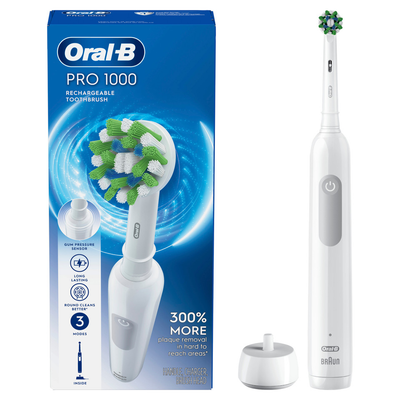
Best Cheap Electric Toothbrush (2026): Top 5 Budget Picks That Actually Work
LEARN MORE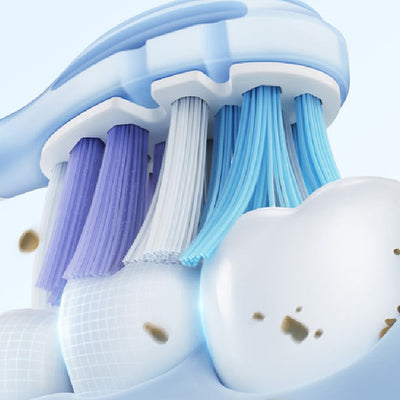
Ultrasonic Toothbrush vs Electric: Which Technology Wins for Your Smile?
LEARN MORE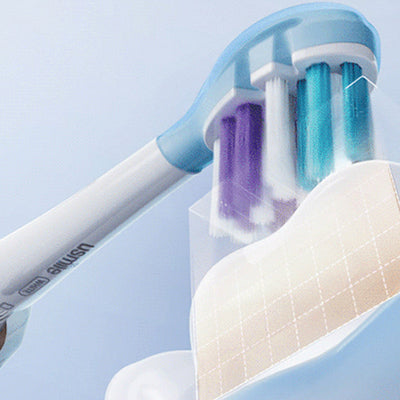
Best Electric Toothbrush for Sensitive Teeth (2026) — 5 Tested
LEARN MOREYou may also like
usmile Q30 Kids Electric Toothbrush Trio Pack


usmile Y20PRO Adults Toothbrush x Q30 Kids Toothbrush


Further reading
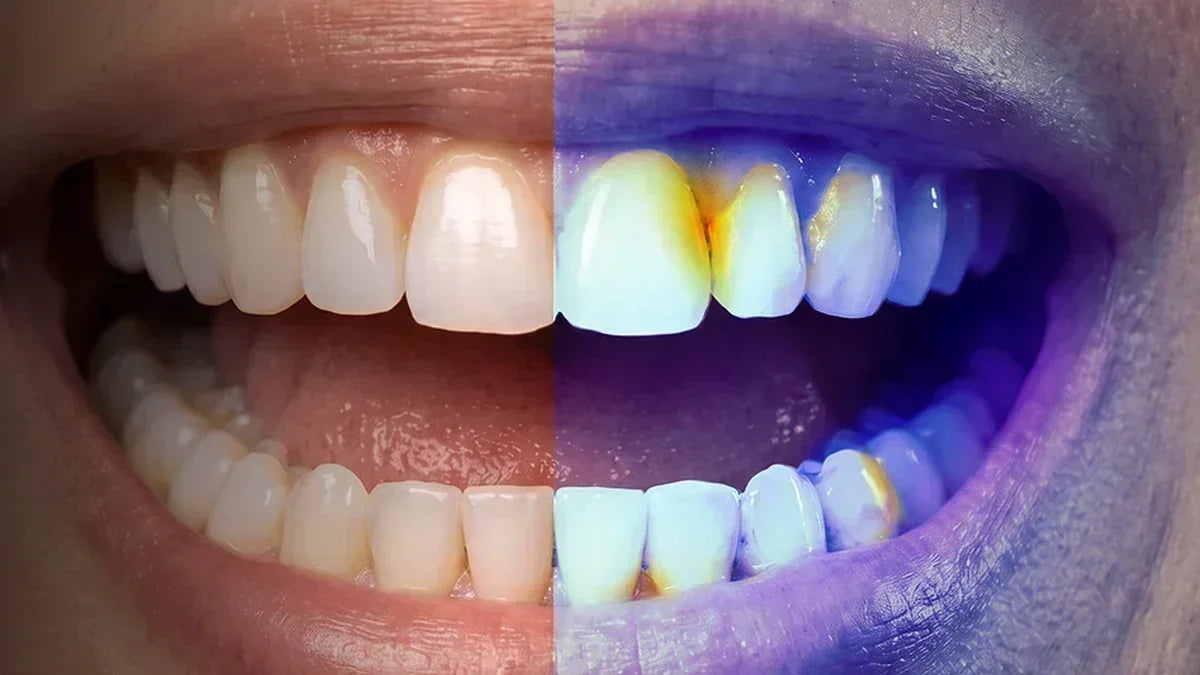
Plaque, Stains, or Food Debris? How to Interpret What a Toothbrush Camera Shows
The 5 Toothbrushing Spots Kids Miss Most—and How Parents Can Help
The Back-to-School Brushing Reset: A 14-Day Plan for Kids Ages 3–8