



What Happens If You Swallow a Tooth? Here’s the Real Answer
A tooth goes missing mid-meal. One second it was wiggly, the next it’s just… gone. Nobody’s sure if it landed on the floor or went somewhere else entirely. If it went down, that first panicked breath is completely understandable. Take a second.
Swallowing a tooth sounds alarming. Usually it isn’t. Colgate's guidance on what happens if you swallow a tooth confirms that most small swallowed objects are harmless and pass through the digestive system naturally, asthis Colgate article explains in more detail. Whether that fully applies here depends on what kind of tooth it was and how it came out. If you’re reading this because it happened, here’s what you actually need to know.
Is Swallowing a Tooth Dangerous?
Most Baby Teeth Pass Without Any Problem

Baby teeth are small, smooth, and by the time they fall out, their roots have often been dissolving for months. They move through the digestive tract exactly like any other small blunt object. No sharp edges. No mass large enough to block anything. For a child who swallowed a loose baby tooth at dinner and is now calm, breathing normally, and not complaining about anything — that’s a monitor-at-home situation. Not an emergency room one.
When the Answer Changes
A loose baby tooth that fell out on its own? Usually fine. An adult tooth, a broken fragment, a crown, or any tooth that came out during a fall or collision? Different calculation entirely. Not always urgent — but enough to call a dentist or doctor rather than just sitting back and watching.
What Happens Inside the Body
The Route Through the Digestive System
Esophagus. Stomach. Small intestine. Large intestine. Out. That’s the route — the same one food takes. For a small, smooth baby tooth, the whole trip takes roughly 24 to 72 hours. Some sources suggest up to 3 to 5 days in certain individuals. The stomach doesn’t fully dissolvethe tooth; stomach acid may soften the surface a bit. What actually matters is size and shape.You only pasted one sentence — there's no "swallowed ne at dinner" phrase in what you sent. Could you paste the exact sentence with the typo so I can fix it?
Don’t Induce Vomiting
Multiple dental and medical sources agree on this one point. Do not make the child vomit. It won’t bring the tooth back, and it causes real distress — especially in a child who’s already upset and confused about what just happened. If there’s no choking, no breathing problem, and the child is calm, monitor. That’s it.
Baby Tooth vs. Adult Tooth — Two Completely Different Situations

Swallowed Baby Tooth
Small. Smooth. Already partially root-resorbed by the time it came out naturally. The odds of a loose baby tooth causing any digestive problem are genuinely low. A child who swallowed ne at dinner, has no symptoms, and is breathing and swallowing normally — that’s a wait-and-watch situation. Not a dash to urgent care.
Swallowed Adult Tooth
Adult teeth are larger. A heavier comesout if one comes out because of decay, gum disease, or trauma; the situation around it stillneeds assessment, even when the tooth itself passes harmlessly. Surrounding gums, jaw, and neighboring teeth may all have been affected. A dental visit matters even when there’s no tooth to recover.
After a Sports Injury or Fall
A tooth knocked loose by a collision often leaves injured gums behind—and Gums, lips, and nearby teeth. Don’t assume that because the tooth passed, nothing else needs attention. The injury that caused the tooth to come out is often the bigger concern. A dental exam is worthwhile.
How Long Does It Take to Pass a Swallowed Tooth?
24 to 72 hours for most small swallowed objects. Healthier Together cites studies suggesting up to 3 to 5 days in some cases. Digestion speed and diet both factor in. Parents don’t need to search the stool for it unless a doctor specifically asks. If the child has no symptoms, the tooth passing completely unnoticed is the most typical outcome. Not finding it doesn’t mean anything went wrong.
Warning Signs After Swallowing a Tooth

Most swallowed teeth produce zero symptoms at all. But this section is worth reading carefully because some of its content is time-sensitive.
Choking or Breathing Trouble — This Is an Emergency
Sudden coughing at the exact moment the tooth disappeared, along with any difficulty breathing or signs of distress, should be treated as an emergency right away. Difficulty breathing. Wheezing. Repeated gagging that won’t stop. Blue lips. Visible appeared immediately when the tooth went missing. These signs point to a tooth that may have entered the airway rather than the digestive system. The Royal Children’s Hospital Melbourne classifies a foreign object in the airway as a medical emergency. Don’t wait to see if it settles. Call emergency services now.
Throat, Chest, or Swallowing
The child can’t control their drooling. Pain or tightness in the chest or neck. Trouble swallowing when trying to drink. Unable to swallow normally. These suggest the tooth may be stuck in the esophagus rather than m—urgent—rough—urgent medical attention—not a watch-and-wait approach.
Stomach Symptoms in the Following Days
Persistent vomiting. Severe stomach pain. Fever that develops after the incident. Blood in vomit or stool. These are rare with a smooth baby tooth — less rare with a broken fragment, jagged crown piece, or swallowed adult tooth. Any of these within the days following a swallowed tooth should prompt a call to the doctor. Promptly.
What to Do Right After a Child Swallows a Tooth
Check Breathing First — Everything Else Comes After

Is the child speaking? Breathing without difficulty? Calm? A child who can talk normally within seconds of swallowing something is almost certainly not experiencing an airway emergency. The tooth went to the stomach. Not the lungs. Start there, because if breathing is fine, the rest of the response changes completely.
Offer a Little Water
A few small sips — if swallowing is visibly easy and normal. This helps clear the throat and settles the child down. Only if swallowing looks and feels fine. If there’s any hesitation, pain, or difficulty swallowing, skip this and call a medical provider instead.
Watch for Symptoms Over the Next Few Days

No pain. No vomiting. No fever. No blood. No trouble swallowing. When none of those show up, your kid's body is just handling the tooth like it would handle any tiny thing that gets swallowed — no extra steps needed from you. Carry on with regular meals as nothing happened, and book that follow-up with the pediatric dentist down the road if the tooth came out from a knock to the face, had decay going on, or fell out way before its time. The daily basics still matter most here. Brushing morning and night with agentle kids toothbrush sized right for little mouths really does pay off over time — strong baby teeth are far less likely to wiggle loose from cavities, sore gums, or normal wear.
Swallowed a Crown, Fragment, or Dental Restoration?
Not all swallowed dental objects are baby teeth. Adults swallow dental work more often than most people would guess.
Small Smooth Pieces Usually Move Through Fine
A dental crown that pops off a tooth. A small filling piece. A polished fragment of enamel. These typically pass through the digestive system without incident. Same process, same timeline, same outcome as any small blunt swallowed object.
Sharp or Jagged Pieces Are a Different Story
Broken enamel from a cracked tooth. A jagged crown piece. A sharp fragment from an injured adult tooth. These carry a higher risk of cutting soft tissue during transit. Rare — but monitor for it. Persistent stomach pain, blood in stool, or ongoing vomiting after swallowing a broken piece should prompt a call to the doctor rather than waiting.
Whatever Broke Off Still Needs Dental Care
The piece that swallowed may pass harmlessly. But the tooth it came from is now exposed — vulnerable to bacteria, sensitivity, and further damage. Call a dentist to schedule a repair or replacement. Ask what to do in the meantime to protect the exposed surface and manage any discomfort while you wait.
Should You Pull a Loose Baby Tooth to Prevent This?
No. Good instinct, wrong solution. Pulling a tooth before it’s ready increases the risk of pain, bleeding, and damage to the developing permanent tooth underneath. Baby teeth hold space for what’s coming in behind them — removing them early disrupts that. Gentle wiggling is absolutely fine. Forcing the tooth out is not. If a tooth has been loose for a while and swallowing feels like a real concern, a pediatric dentist can check whether it’s ready and help it come out safely — rather than a forced extraction at home.
How to Prevent a Child From Swallowing a Loose Tooth

Talk to your kid about what a wiggly tooth actually means — a new one is just getting ready to come in. Have them give you a heads up the second a tooth feels really loose, especially right before mealtime. When a tooth is hanging on by a thread, sticking to softer foods cuts down on the odds of it popping out mid-bite — and same goes for skipping any rough play until it's actually out. Those regular dentist visits help out a lot too. Your dentist can usually tell which baby teeth are ready to go and give you a heads up on what's coming next. And don't sleep on the daily stuff either — that's where most of the work happens. Keep up with a solidoral care routine, brush twice a day, and you'll keep their gums in shape and stop teeth from getting loose too early from decay or some sneaky infection.

Keeping replacement brush heads fresh on schedule ensures the tools are actually cleaning effectively — worn-down bristles miss plaque in exactly the places where early decay starts.
When to Call a Doctor or Dentist
Call emergency services right away if you notice: choking, trouble breathing, lips turning blue, or your child not being able to speak normally.
Head to a doctor or urgent care if there's: trouble swallowing, drooling, pain in the neck or chest, severe stomach pain, vomiting that won't stop, a fever, or any blood showing up in vomit or stool.

Dentist: swallowed adult tooth, broken fragment or crown, tooth knocked out by injury, bleeding gums, exposed tooth, pain at the tooth site, or tooth that came out too early.
And one more situation that belongs in this section: swelling near a tooth, pus, severe persistent toothache, a bad taste, or facial swelling are signs of a dental abscess. Both the NHS and Mayo Clinic are explicit about this — a dental abscess will not go away on its own. Pain sometimes decreases if the nerve dies, but the infection continues spreading. Professional dental treatment is not optional here. Using a smart electric toothbrush and a Portable Water Flosser consistently as part of your daily routine keeps gum tissue and enamel strong — the most practical way to reduce the conditions that lead to infections and decay that can lead to unexpected tooth loss.
FAQs
What should you do if you swallow a tooth?
The first thing to check is whether your child is breathing and swallowing normally. If everything seems fine on that front, give them a few sips of water and just keep an eye on them over the next couple of days. Call a doctor if anything off shows up — choking, chest or neck pain, vomiting that won't stop, fever, blood, or trouble swallowing. And reach out to a dentist if it was an adult tooth, a broken piece, or a tooth that came out due to injury or decay.
Will stomach acid dissolve a swallowed tooth?
Stomach acid might soften the outer surface a bit, but teeth are dense and mineralized — they don't actually dissolve all the way in the stomach. Baby teeth with roots that have already partly worn down might show a little more surface change, but the bulk of the tooth stays intact through the trip. The body handles the rest. The tooth doesn't just vanish in there.
Is it okay if I swallowed a piece of my tooth?
A small, smooth piece usually passes through without causing any trouble. A jagged or sharp broken fragment, on the other hand, has a slightly higher chance of nicking soft tissue on the way through. Either way, the broken tooth itself still needs a trip to the dentist — the swallowed piece might pass with no issues, but the part that's still in the mouth is left exposed and starts breaking down from there.
Will a swallowed tooth come out whole?
It may come out whole, partly changed by stomach acid, or pass entirely unnoticed. Most parents will find it completely normal when the child has no symptoms. Whether it comes out whole or not is far less important than whether any warning symptoms develop in the days following.
How long does it take for a swallowed tooth to pass?
Most small swallowed objects pass within 24 to 72 hours. Some cases take up to 3 to 5 days, depending on digestion and diet — no need to look for it in stool unless a doctor specifically asks. If no symptoms develop, the tooth passing unnoticed is the expected and most common outcome.
What is the 3 3 3 rule for tooth infection?
This phrase is really just a way to talk about handling the pain at home — it's not actually treating the infection itself. A dental abscess won't clear up on its own, no matter how well you manage the pain. It needs proper dental care: antibiotics, drainage, or fixing the tooth directly. Easing the pain only covers up the symptom. The infection underneath just keeps getting worse.
Can a tooth survive stomach acid?
Not for putting it back. Once a permanent tooth has been swallowed, there's no way to replant it after it's gone through the digestive system. If a permanent tooth gets knocked out and hasn't been swallowed yet, getting to a dentist within 30 to 60 minutes — and keeping the tooth moist in milk or saline along the way — gives the best shot at saving it. Once it's gone down, though, that window is closed for good.
What does tooth rot smell like?
A sour, foul, or distinctly rotten smell from a specific tooth area or gum. Sometimes metallic. Almost always paired with a persistent bad taste. The smell consistentlycomes from one spot in the mouth; it may be active decay, trapped food, or an early infection — worth investigating with a dentist rather than waiting to see if it clears.
Can your body fight off a tooth infection by itself?
No. A dental abscess will not resolve without treatment. Both the NHS and Mayo Clinic are direct on this. Pain may temporarily ease if the nerve inside the tooth dies — but the bacterial infection doesn’t stop. Suppose the t spreads to the surrounding tissue, the jaw, and in serious cases, the neck or bloodstream. Don’t wait for the pain to settle. See a dentist promptly.
Sources
- NHS – Swallowed Object
- Royal Children’s Hospital Melbourne – Swallowed Objects
- HealthyChildren.org — American Academy of Pediatrics – Knocked-Out Teeth
- NHS – Dental Abscess
- Mayo Clinic – Dental Abscess
- Colgate – Is Swallowing a Tooth Dangerous
- Lonestar Kids Dentistry – What Happens If You Swallow a Tooth


Looking for something else?
Best Electric Toothbrush for Teens (2026): Top Picks, Tested and Reviewed
LEARN MORE
Best Electric Toothbrush for Gum Disease (2026): 6 Picks Tested for Real Gum Protection
LEARN MORE
Electric Toothbrush on Plane: The Complete Travel Guide (2026)
LEARN MOREBest Sustainable Electric Toothbrush 2026: 5 Picks Tested for a Greener, Healthier Smile.docx
LEARN MORELooking for something else?
Best Sustainable Electric Toothbrush 2026: 5 Picks Tested for a Greener, Healthier Smile
LEARN MORE
Best Cheap Electric Toothbrush (2026): Top 5 Budget Picks That Actually Work
LEARN MORE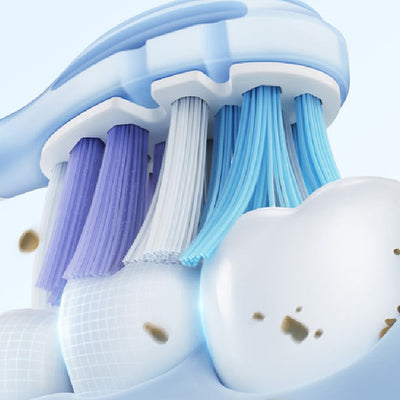
Ultrasonic Toothbrush vs Electric: Which Technology Wins for Your Smile?
LEARN MOREYou may also like

usmile Q30 Kids Electric Toothbrush Trio Pack


usmile C30SE Portable Dental Flosser
usmile Y20PRO Adults Toothbrush x Q30 Kids Toothbrush
Further reading
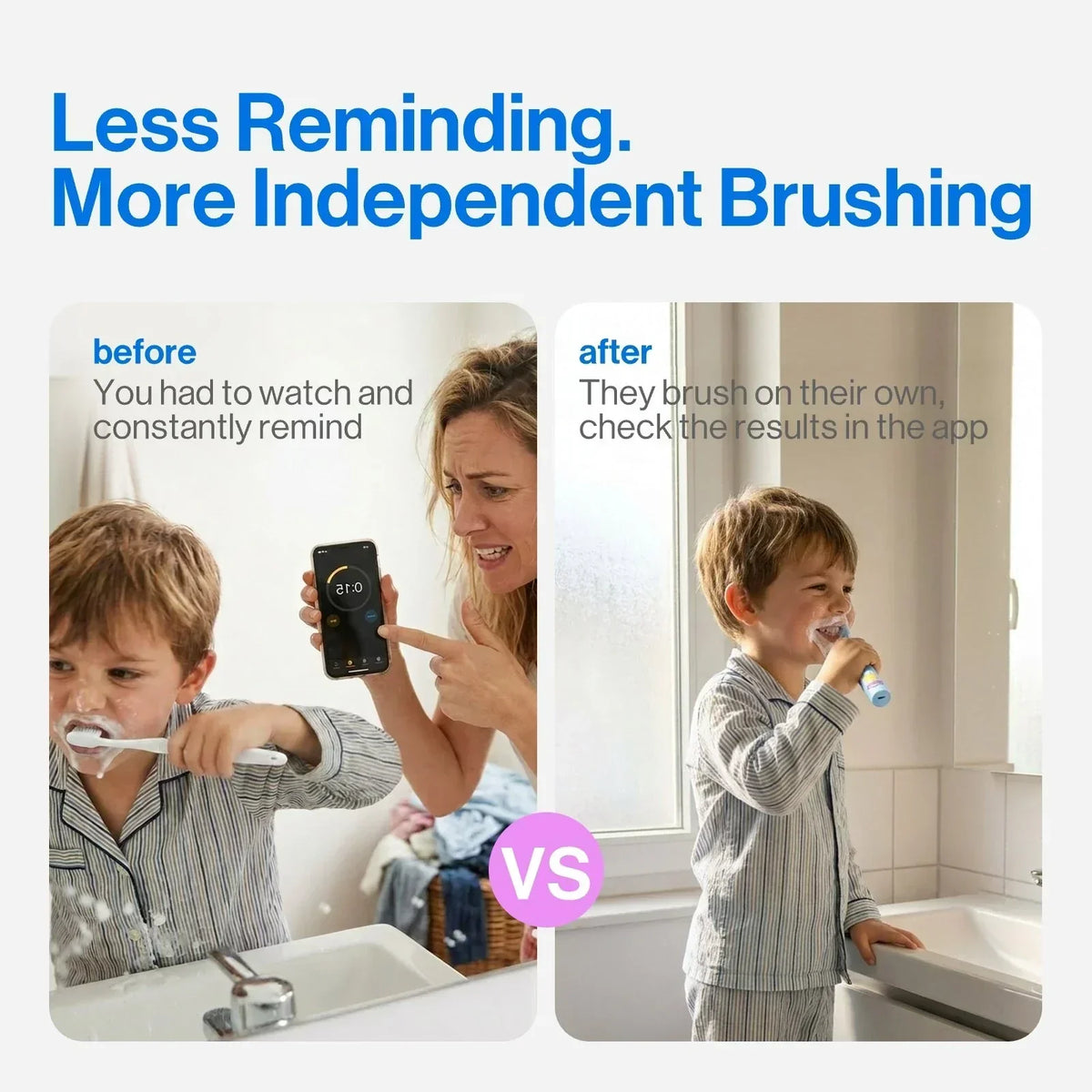
The 5 Toothbrushing Spots Kids Miss Most—and How Parents Can Help
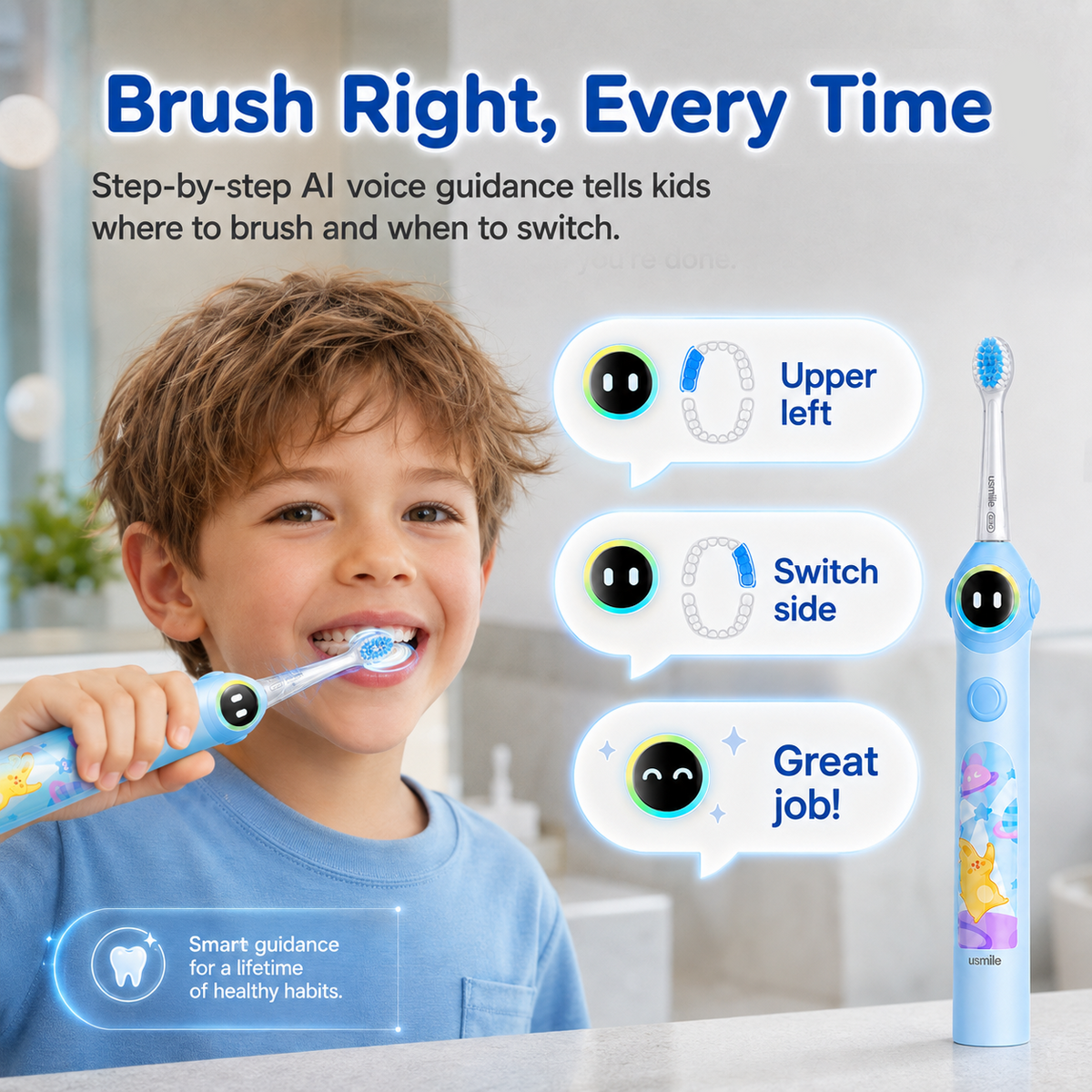
The Back-to-School Brushing Reset: A 14-Day Plan for Kids Ages 3–8
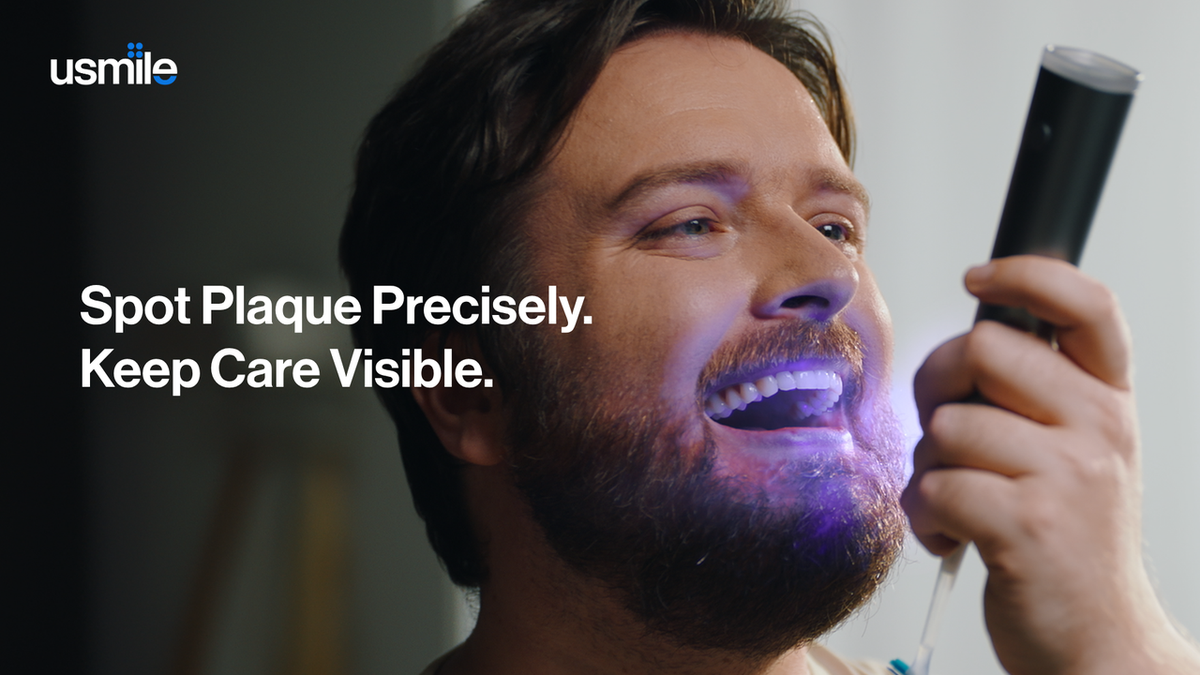
Behind usmile D50 OralCam Toothbrush: From Motion Tracking to Visual Intelligence in Oral Care

