


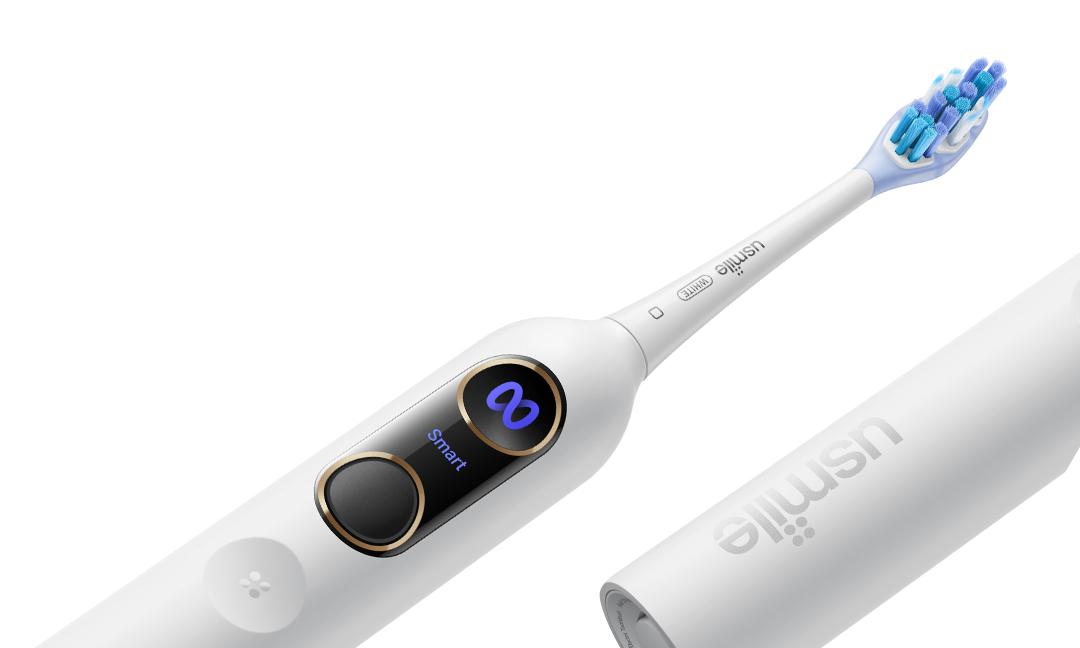
Tongue Scraper vs Toothbrush: Which Is Better for Cleaning Your Tongue?
Run your tongue across the roof of your mouth right after you wake. That fuzzy layer you feel? It's a build-up of bacteria, dead cells, and leftovers from last night's dinner that your brush skipped, and it's usually what's behind your morning breath and that whitish, pasty tongue in the mirror. No wonder the tongue scraper vs toothbrush argument never really dies down. Folks just want a straight answer on which one leaves a tongue properly clean. Here's mine after years of writing about oral care: a toothbrush will do in a pinch, but a scraper tends to clear the coating in a stroke or two. This guide covers how each tool holds up in the tongue scraper vs toothbrush comparison, what the research genuinely says, how to beat that gag reflex, and where tongue cleaning fits into a sanedaily oral hygiene routine. It supports brushing and flossing, never swaps them out, much like a well-built smart oral care routine only works when every tool pulls its weight.
Why Cleaning Your Tongue Matters

Hardly anyone gives the tongue a second look, and that's exactly the problem. It isn't smooth like you'd guess. It's rough, ridged, almost shag-carpet-like up close, and all those little grooves trap debris that brushing your teeth glides straight past.
The Tongue Holds Bacteria and Dead Cells

Get up close, and you'll spot hundreds of tiny bumps, the papillae, blanketing the surface. Wedged between them sit food particles, bacteria, and dead cells. Let that mixture linger, and it thickens into a coating that flattens your taste and leaves your mouth feeling stale by lunchtime.
A handful of things gather there more than you'd ever guess:
-
Bacteria, which love the warm, damp little crevices
-
Dead cells the tongue sheds on its own
-
Food debris that gets pushed toward the back as you chew
-
That whitish layer some folks call coated or white tongue
Tongue Bacteria Can Affect Your Breath
Here's the part most folks don't see coming. Way at the back of your tongue, certain bacteria feed on protein and kick out smelly sulfur compounds as they go. Those volatile sulfur compounds are what's driving most run-of-the-mill bad breath, the kind that laughs off a mint ten minutes later. Cleaning your tongue does help reduce bad breath, no argument, but it won't get to the bottom of every cause. Colgate's oral care team notes that the odor falls even further once you pair tongue cleaning with a rinse.
And breath isn't the full story anyway. Gum disease, a dry mouth, cavities, acid reflux, and even a touch of sinus trouble can all chip in. So when the smell won't quit no matter what you throw at it, that's your sign to phone the dentist, not to go at your tongue harder.
Tongue Scraper vs Toothbrush: A Quick Comparison

Need the tongue scraper vs. the toothbrush gist before the detail? A toothbrush is built for teeth and gums. A tongue scraper is built for the flat, ridged top of the tongue. Both can clean your tongue, but the tongue scraper tends to lift more of that coating in a single pass. The toothbrush is more convenient since it's already in your hand. They simply chase the job from different angles.
|
Factor
|
Tongue Scraper
|
Toothbrush
|
|
Best at
|
Lifting tongue coating
|
Cleaning teeth and gums
|
|
Coating removal
|
More even, fewer passes
|
Works on light buildup
|
|
Bad breath support
|
Strong for surface odor
|
Helpful, less thorough
|
|
Gag reflex
|
Possible if too far back
|
Usually gentler
|
|
Convenience
|
One more thing to store
|
Already in your hand
|
|
Materials
|
Plastic, stainless steel, copper
|
Soft-bristled head
|
Tongue Scraper

Picture a little curved squeegee, except it's sized for your mouth. You pull it back to front, once, and that's really it. The muck lifts off your tongue and comes away with it. The edge is broad and flat, so it grabs a decent patch each time you drag it. Most folks who fight morning breath, or keep catching a coated tongue when they smile in the mirror, say they notice things feel different after a few days, not some long wait.
Toothbrush

Your toothbrush is the steady all-rounder. It rules the teeth and gums, and sure, it'll brush your tongue as well. The thing is, a toothbrush wasn't really made for this. The bristles are there to get into the tight spots between your teeth, not to slide over something as soft as your tongue. So they tend to leave bits of the coating behind. Slip on a fresh replacement brush head, and it'll still handle light buildup just fine. That's especially true if reaching for a scraper feels like a bit much for you.
Which One Wins?
Honestly? It all comes down to what you're cleaning. Teeth and gums, that's the toothbrush's turf, no contest. Tongue coating and that surface odor, well, the scraper tends to edge ahead there. For your everyday oral health, I recommend running both and being done with it. Which one you lean on more is really a matter of personal preference and, let's be real, how easily your gag reflex kicks off.
What Does the Research Say About Tongue Scraping?

Weigh it all up, and the research nudges you toward scraping for odor, though nobody's pretending it's a magic wand. The studies are on the small side. Still, they keep arriving at the same spot: a scraper clears away more of whatever's causing bad breath than running a brush over your tongue ever manages.
Scrapers Cut Odor Compounds More
One trial keeps getting cited, and rightly so. Researchers writing in the Journal of Periodontology put the two tools head-to-head. They found that the tongue scraper removed around 75% of volatile sulfur compounds, while the toothbrush removed around 45%. Each one stripped the coating. The scraper simply did more to kill off the smell.
A few other reviews echo the same thing:
-
In one study Healthline points to, scrapers cleared about 30% more sulfur compounds than a soft-bristled toothbrush did. That's one data point, though. Results shift from person to person, and the long-term research here is still thin.
-
UPMC cites numbers closer to 75% efficacy for scraping, compared to 40% for a toothbrush.
-
The benefit is short-lived, though, so showing up daily beats one heroic session.
Helpful, but Limited
The flags here are the smooth, even cadence and the tidy parallel "or X, or Y, or Z" closer. Breaking it harder and flattening it.
So yes. Tongue cleaning has earned its spot in oral care. The long-term evidence is thinner, and that gap is worth keeping in mind before you go all in. Scraping is like flossing. Useful, but not the main event. Brushing still does the heavy lifting. Flossing matters. And the dental check-ups catch the big stuff while it's still small.
Benefits of Using a Tongue Scraper

What we like about a scraper is its focus, one job, done cleanly. Here's where it genuinely earns a spot in your oral hygiene routine, marketing fluff aside.
It May Help Reduce Bad Breath
That coating is where the smelly bacteria sit, so once you scrape it away, your morning breath usually isn't half as bad. Now, if you're cleaning every single day and your breath is still off, what's going on? Don't just scrape harder and hope. That's really a "go see your dentist" kind of thing.
It Clears Tongue Coating
Notice a white film on your brush that only smears when you move it around? This is the tool that handles it. A scraper peels that debris off the surface, leaving your mouth feeling cleaner. The one caveat: ease off long before your tongue feels raw.
It May Sharpen Your Sense of Taste
Clear that gunk off, and a good number of people swear food tastes a little sharper afterward, mostly because there's less junk wedged between the taste buds getting in the way. I say a good number on purpose, since it really does swing from one person to the next, and drinking enough water through the day pulls its weight here too.
It's Quick and Low Cost
Honestly, this part sells itself. Scraping takes under a minute and fits right after you brush your teeth. Pick metal over plastic, and the thing lasts for years, so the handful of dollars upfront barely registers.
Benefits of Brushing Your Tongue With a Toothbrush
Don't go dismissing the plain old toothbrush, though. For heaps of people, brushing the tongue gets it done, and it certainly trumps leaving the tongue out entirely.
It's Convenient

Look, you're brushing twice a day anyway. Just run the brush over your tongue while you're there, and it costs you nothing extra. Nothing new to buy, nothing else to remember. Got one of those smart brushes like theAI electric toothbrush? Even better, it'll flag the spots you keep skipping, and your tongue stops being the thing that always slips your mind.
It Handles Light Coating

Just a little buildup? Honestly, a soft-bristled toothbrush handles that fine. Don't press hard. Start right at the back of your tongue, pull forward to the tip, wiggle it side to side a touch, then rinse your mouth out. If you've got anergonomic toothbrush head shaped to your mouth, even easier, those gentle sweeps just feel more natural. And that's pretty much the whole thing.
It Suits Sensitive Users
The flags are the smooth, "so it makes a gentler starting point," closer and the even cadence. Flattening and breaking it.
Some people never warm to a scraper. Too harsh. Or it triggers the gag reflex on contact. A toothbrush is softer, and you can steer it without thinking. Easier place to start if all this is new.
How Do You Use a Tongue Scraper Correctly?

Honestly, it's easier than it sounds. After a try or two, it takes you all of a few seconds, and it doesn't hurt one bit. The main thing is, don't go pressing hard—soft touch, one slow drag, done.
Step-by-Step Tongue Scraping Routine
-
Brush and floss first, like you normally would.
-
Hold the scraper under the tap for a sec to rinse it.
-
Pop in front of the mirror and stick out your tongue.
-
Sit it near the back, just not so far that your gag reflex goes off.
-
Now drag it forward, nice and slow, down to the tip of your tongue.
-
Rinse it between each go, or you're just smearing the gunk around.
-
A couple more passes, two or three, until your tongue feels clean.
-
Swish some water over it, rinse the scraper, and leave it out to dry somewhere clean.
How Much Pressure Should You Use?
Light, and that's basically it. You're peeling off a thin film here, not sanding a plank. The instant your tongue bleeds, burns, or aches, you've gone too hard, so ease right off. The whole thing should feel gentle, never like a chore you're being punished with.
How to Avoid Gagging
Plenty of people skip scraping entirely over the gag reflex. It doesn't have to go that way. A few small tweaks keep it in check:
-
Start in the middle of the tongue, nowhere near the very back.
-
Push farther back over a few days, not all at once.
-
Breathe through your nose as you scrape.
-
Short, easy strokes, nothing forceful.
How to Brush Your Tongue With a Toothbrush
No scraper in the bathroom drawer? Your brush has you covered. Keep it light, keep it simple, and you're set.
Simple Tongue Brushing Method
-
Grab a soft-bristled toothbrush, not a stiff one.
-
Once your teeth are done, lightly brush your tongue.
-
Begin near the middle if your gag reflex is touchy.
-
Sweep toward the tip of your tongue, then rinse your mouth.
What to Avoid
A couple of small slip-ups can turn a good habit into a sore tongue:
-
Don't scrub hard or press the bristles down.
-
Skip the worn, frayed brush head. It does more harm than good.
-
And don't kid yourself that tongue brushing replaces flossing or brushing your teeth.
Should You Use Both a Tongue Scraper and a Toothbrush?
For most of us, the answer's yes. Each tool works on a different patch, so running them together gets you the cleanest mouth without really stretching out your morning.
Best Daily Order
-
Floss or clean between your teeth first.
-
Brush your teeth with a fluoride toothpaste.
-
Clean your tongue, scraper, or soft toothbrush, your call.
-
Rinse the tool and leave it to dry.
When Using Both Makes Sense

The flags are the smooth "you'll clear out... that hides where..." construction and the tidy "take it as a sign to" closer. Breaking it up. On mornings when the breath is stubborn, or the coating's easy to spot, use both. Add a toothbrush-and-water-flosser bundle to your routine. It reaches the gunk a brush or scraper leaves behind. Mouth feeling sore? Ease off the pressure. Or scrape less often.
Risks and Negatives of Tongue Scraping
Scraping sits firmly in low-risk territory, just not zero-risk. A little common sense keeps you well on the safe side.
Possible Side Effects
-
Setting off the gag reflex
-
A sore tongue from leaning on it too hard
-
Tiny cuts if the scraper has a rough edge
-
Irritation or a little bleeding from overdoing it
When to Be Careful
Steer clear of scraping over sores, cuts, or ulcers, and never share a scraper with anyone; that's just inviting trouble. Worth knowing too, UCLA Health warns that overdoing tongue cleaning can unsettle the helpful microbes living up there, so gentle and steady beats aggressive every single time. Bin damaged plastic scrapers and rinse the tool clean after each use.
It's Not a Cure-All
Scraping shifts buildup and can keep your breath fresh for a stretch. That's the honest limit of what it does. Bad breath that drags on, genuine pain, or a coating that simply won't shift are all flags pointing toward your dentist, not toward a rougher scrub.
Who Should Consider a Tongue Scraper?
A scraper isn't essential for everyone. That said, for certain people, it earns its keep almost overnight.
Good Candidates
-
Anyone dealing with a coated or white tongue
-
People who hate that morning breath feeling
-
Those who feel a toothbrush never quite cleans the tongue
-
Anyone chasing that just-cleaned mouth feeling
Who May Prefer a Toothbrush
-
People with a strong gag reflex
-
Anyone with a sensitive tongue
-
Folks who would rather not juggle another gadget
-
People with only a light bit of buildup
Final Takeaway

So, where does all this leave you? The toothbrush stays non-negotiable for your teeth and gums, and it'll handle your tongue fine when there's nothing else around. The tongue scraper, though, generally does a cleaner job of removing tongue coating and surface odor. When deciding between a tongue scraper vs. a toothbrush, the evidence points to a dull but reliable approach: use both, keep your touch light, and stop while you're ahead rather than overdoing it. For anything beyond routine cleaning, your dentist's guidance should take the lead. One last thing. If bad breath, a white coating, soreness, or any odd change to your tongue refuses to go away, book a dental visit instead of scraping harder and hoping. It's a tiny habit, but the payoff is real.
FAQs
Do tongue scrapers work better than toothbrushes?
When it comes to tongue coating and odor, yeah, the scraper usually wins. The studies back this up, too; they remove more volatile sulfur compounds than brushing the tongue does, with one trial clocking in around 75% reduction versus 45% for a toothbrush. But don't write off the brush. It still beats cleaning nothing at all, and it's exactly what your teeth and gums need. Less either-or, really, and more about grabbing the right tool for each job.
Do dentists recommend tongue scraping?
A good many do, particularly for folks dealing with a coated tongue or breath that just won't quit. Some will hand you a proper scraper, others are totally fine with a soft toothbrush; it varies. What they suggest usually depends on your symptoms and how touchy your gag reflex is. Honestly, the simplest thing is to ask at your next cleaning, since they can actually look in there and see what's going on.
Can I tongue scrape with a toothbrush?
Sure, you can run a toothbrush over your tongue, though strictly speaking, that's tongue brushing, not scraping. It'll shift light buildup, and it's miles better than skipping the step entirely. A dedicated scraper with that wide, flat edge tends to lift the coating more evenly and in fewer passes. Think of the brush as the handy everyday option and the scraper as the thorough one. Either way, doing something beats doing nothing.
Should I tongue scrape every night?
Once or twice a day works for most people, usually right after you've brushed, so a nightly scrape is perfectly fine. If your tongue ends up sore or raw, just dial it back, fewer times, or a softer touch. Sticking with it matters more than scraping hard, partly because that fresh-breath benefit wears off as the day goes on and you eat and drink. Slow and steady takes this one.
What are the negatives of tongue scraping?
Mostly it's gagging, a sore tongue, the odd small cut, or a bit of bleeding if you bear down too hard or use a scraper with rough edges. Push it too far, and you can also throw off the helpful microbes living on your tongue, which is a small risk in its own right. The good news is that the fix is easy. A smooth scraper, a light hand, and gentle back-to-front strokes keep the trouble pretty much at zero.
Will my breath stink if I don't brush my tongue?
Not always, but it tips the odds against you. Bad breath has many causes, and a buildup of bacteria and dead skin cells on the tongue is one of the most common. Let that coating sit undisturbed, and it starts releasing smelly sulfur compounds. Cleaning your tongue helps keep your breath fresher, especially first thing in the morning.
What is the correct way to clean your tongue?
Stick out your tongue, set the scraper or soft brush near the back, and ease it forward toward the tip of your tongue. Rinse the tool between passes and repeat a few times until the surface feels clean. Use light pressure and stop the second it hurts. Finish by rinsing your mouth with water. That is the whole drill, no special technique needed.
Is a metal or plastic tongue scraper better?
Metal scrapers, stainless steel or copper, usually last longer, resist bacteria better, and wipe clean in seconds. Plastic is cheaper but more porous and scratches easily, so it can harbor bacteria over time and needs to be swapped out more often. For something you put in your mouth every single day, metal is the more durable, more hygienic pick, and the price difference pays for itself.
Does cleaning my tongue really improve my sense of taste?
It can, for some people. Clearing the coating frees up the taste buds so that flavors may come through a touch sharper. The effect is mild, and it varies from person to person, so do not expect fireworks. Hydration and your overall oral health matter here, too. Treat a cleaner tongue as one helpful piece of the puzzle rather than a guaranteed taste upgrade.
Sources
- Journal of Periodontology, Tongue-cleaning methods: a comparative clinical trial employing a toothbrush and a tongue scraper (2004)
- Colgate, Tongue Brush Vs. Toothbrush: Which Is Better?
- UPMC HealthBeat, Do You Need to Use a Tongue Scraper? (2023)
- Healthline, Tongue Scraping: Benefits, Risks, and How to Do It
- Cleveland Clinic, Does Tongue Scraping Actually Work, and Should I Be Doing It? (2021)
- UCLA Health, Brushing Your Tongue Could Have Adverse Health Effects
- Dr. Tung's, Tongue Cleaning: To Scrape or to Brush? (2025)


Looking for something else?
Best Electric Toothbrush for Gum Disease (2026): 6 Picks Tested for Real Gum Protection
LEARN MORE
Electric Toothbrush on Plane: The Complete Travel Guide (2026)
LEARN MORE
Liquid error (snippets/recommend-article line 11): invalid url input
Best Sustainable Electric Toothbrush 2026: 5 Picks Tested for a Greener, Healthier Smile.docx
LEARN MORE
Best Sustainable Electric Toothbrush 2026: 5 Picks Tested for a Greener, Healthier Smile
LEARN MORELooking for something else?
Best Cheap Electric Toothbrush (2026): Top 5 Budget Picks That Actually Work
LEARN MORE
Ultrasonic Toothbrush vs Electric: Which Technology Wins for Your Smile?
LEARN MORE
Best Electric Toothbrush for Sensitive Teeth (2026) — 5 Tested
LEARN MOREYou may also like
usmile Q30 Kids Electric Toothbrush
$83.99
$111.99
usmile Q30 Kids Electric Toothbrush Trio Pack
$226.76
$396.12
usmile C30SE Portable Dental Flosser
$64.26
$69.86
usmile Y20PRO Adults Toothbrush x Q30 Kids Toothbrush
$251.99
$327.53
Further reading
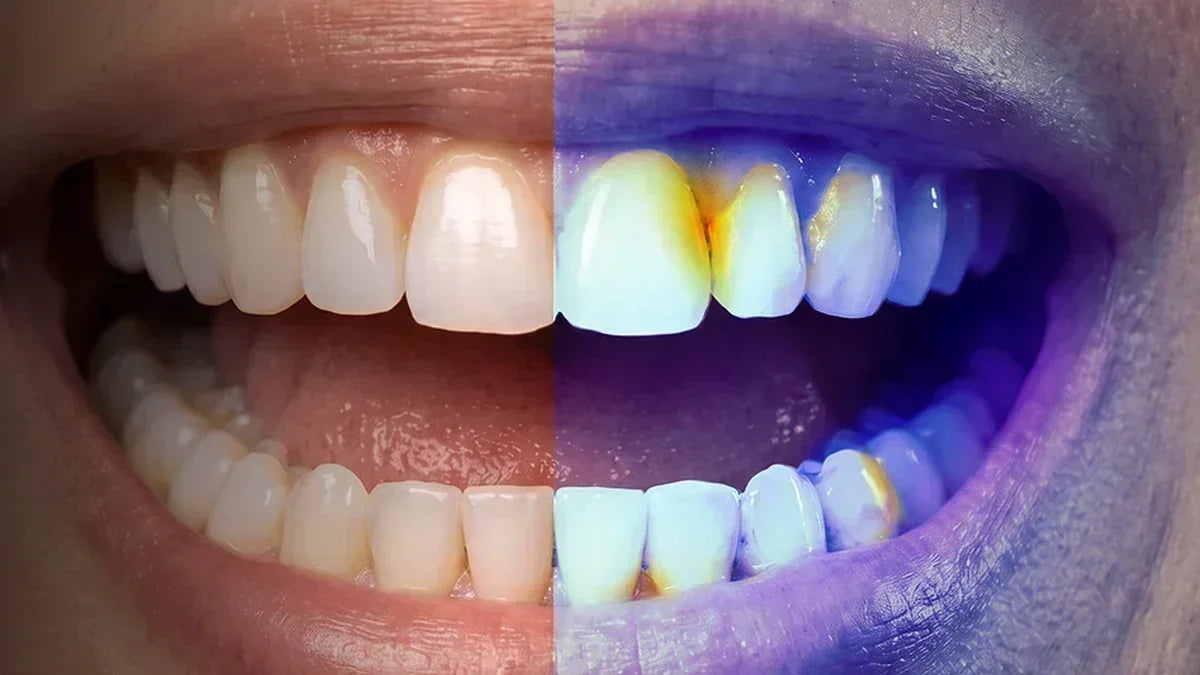
Plaque, Stains, or Food Debris? How to Interpret What a Toothbrush Camera Shows
Quick answer: A toothbrush camera can help locate and compare areas that deserve attention. A color, glow, or enlarged image alone cannot identify plaque, stain, food debris, tartar, decay, or a c...
The 5 Toothbrushing Spots Kids Miss Most—and How Parents Can Help
Your child brushed for two full minutes. The timer ended, the toothpaste foamed and the toothbrush looked busy. But did every tooth actually get attention? For many children ages 3–8, the challenge...
The Back-to-School Brushing Reset: A 14-Day Plan for Kids Ages 3–8
September changes the rhythm of a household. Wake-up times move earlier, breakfasts become faster, after-school activities return and bedtime can feel compressed. In that transition, children may ...
Behind usmile D50 OralCam Toothbrush: From Motion Tracking to Visual Intelligence in Oral Care
After six years of development, the oral-care company has combined fluorescence imaging, tooth-level recognition, motion sensing and on-device computing into a technology platform designed to show...
