


How Often Should You Change Your Electric Toothbrush Head?
Most people hold on to a brush head way longer than they should. The handle's fine, the brush is spinning, it's getting pushed to next week's to-do list.
By the time it gets changed, they've been cleaning with a suboptimal tool for months.
Three months is the answer. That's the guideline from dentists, and it's backed by research. But it's not always that clean-cut — sometimes a head needs to go sooner, and sometimes it tells you before the timer does. A solid oral care routine depends on tools that actually work. This guide covers when to replace, what signals to watch for, what happens when you skip it, and how to make a fresh head last the full three months.
Why Replacing the Brush Head Actually Matters

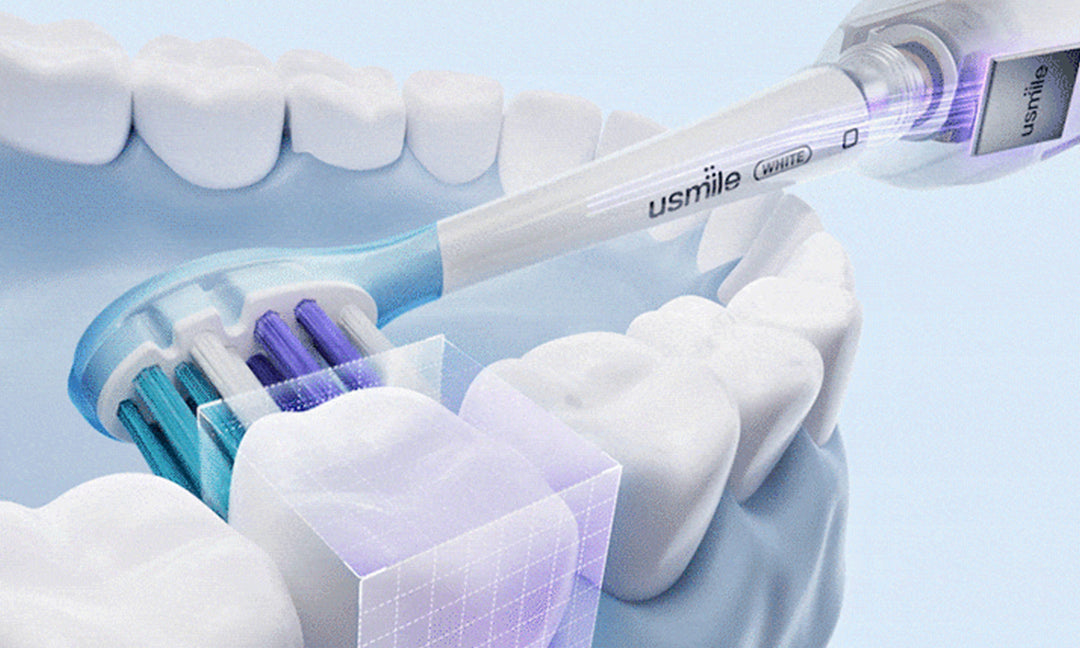
Bristles are engineered. Specific angles, specific textures, all designed to make proper contact with tooth surfaces and the gum line. When that holds up, the brush cleans efficiently. When it doesn't — the angles go, the shape goes — you're basically just moving something back and forth over your teeth.
Worn bristles are also rougher than people expect. Instead of controlled, intentional contact, you're getting irregular pressure against gum tissue. Less effective at cleaning. More irritating to the gums. Both at once.
|
What the ADA Says About Brush Replacement Both manual and electric toothbrushes can clean effectively when used with proper technique. The ADA recommends replacing brush heads (or full manual brushes) every 3 to 4 months — sooner if bristles show wear. Technique and consistency matter most. |
Good electric toothbrushes are built to last years. The head is the part that wears out — and a worn head quietly undercuts everything the motor does.
How Often to Change Your Electric Toothbrush Head

Every three months. Not arbitrary — there's research behind it. A study in the Journal of Clinical Dentistry (Conforti et al., 2003) measured cleaning performance over time and found a measurable, real drop after about three months of normal use. The motor still runs. The head still moves. The actual plaque removal just gets worse.
Twelve weeks is too vague. Mark the calendar when you open a new head. Set a phone reminder. Pair it with a seasonal change. The method doesn't matter — what matters is not waiting until the bristles look genuinely destroyed.
How often depends on your situation:
|
Situation |
Replace Every |
Why |
|
Standard use — brushing twice a day |
Every 3 months |
Normal bristle wear rate |
|
Brushing 3+ times daily |
Every 6–8 weeks |
Faster friction, faster wear |
|
Wearing braces |
Every 6–8 weeks |
Brackets shred bristles faster |
|
After any contagious illness |
Immediately |
Bacteria/virus risk in damp bristles |
|
Post gum disease treatment |
Right after treatment ends |
Hygiene reset; protect healing tissue |
|
Indicator bristles are fully faded |
Immediately |
The head is telling you — listen |
Signs It's Time — Don't Just Watch the Calendar

Sometimes the head is done before three months are up. The signals are readable if you know where to look.
|
"Your teeth should feel smooth and clean right after brushing. If that feeling is gone — and your technique hasn't changed — the brush head is usually why." |
|
Sign |
What It Means |
What to Do |
|
Frayed or splayed bristles |
Lost structure; cleaning is compromised |
Replace now, no exceptions |
|
Faded indicator bristles |
Built-in lifespan signal triggered |
Replace — the head is done |
|
Teeth feel less clean after brushing |
Reduced plaque removal effectiveness |
Replace and check the technique, too |
|
Visible debris stuck in bristles |
Hygiene issue: bristles are compromised |
Replace immediately |
|
Gum irritation during brushing |
Worn bristles pressing at the wrong angles |
Replace; also ease up on pressure |
The easiest one to catch: faded indicator bristles. Many replacement heads ship with colored bristles that visibly fade as the head wears. When the color is gone, that's the product telling you directly. Don't ignore it.
What Wears a Brush Head Out Faster?

Pressure. That's the main one. Electric toothbrushes don't need it — the oscillation or sonic action does the cleaning. Pressing harder doesn't clean better. It just destroys the bristles faster and puts unnecessary force on enamel and gum tissue.
Frequency matters too. Brushing three times a day, spending extra time on stubborn spots, or cleaning around braces all create faster wear. Those situations call for six to eight weeks instead of three months.
Storage plays a smaller role — but a head that's always damp and never dries properly between uses won't last as long or stay as clean. Open air, upright, after every session.
|
Replacement Head Costs — Factor These In First Some brands use proprietary heads priced at $30–$45 per pack. You'll need a new one every 3–4 months. That's up to $180 per person per year, just for replacement heads. Calculate the annual head cost before committing to a brand — it matters more than the upfront handle price. |
What Happens If You Skip the Replacement?
The cleaning gets quietly worse. That's the core issue.
Old bristles lose structural integrity. They can't sweep plaque off tooth surfaces the way a fresh head does. You can have perfect technique and brush twice every day — and still get weaker results than a fresh head with average technique. The tool matters.
Gum irritation is the other side. Damaged, uneven bristles press against gum tissue at the wrong angles. For people with sensitive gums, this shows up as tenderness during brushing that doesn't improve if you keep using the same worn head.
New Brush Head or New Handle — How to Tell
Almost always, it's just the head. The handle is designed to last years — that's the whole economics of the rechargeable system.
If replacing the head doesn't fix the problem — the cleaning doesn't improve, the movement feels off, the battery won't hold a charge — that's when the handle needs attention.
|
⚡ Replace the Head When... |
□ Check the Handle When... |
|
✔ Bristles are frayed or splayed outward |
✔ Charging fails or takes much longer |
|
✔ Indicator bristles have fully faded |
✔ Movement feels weak with a fresh head |
|
✔ Teeth feel less clean than they used to |
✔ Motor sound or speed has changed |
|
✔ You've had any contagious illness |
✔ Device won't hold a charge at all |
|
✔ It's been 3+ months of normal use |
✔ Head replaced, but cleaning is still poor |
How to Make a Brush Head Last the Full Three Months
Light pressure. Let the motor do the work — that's what it's there for. You're guiding the brush, not scrubbing with it.
Rinse the head thoroughly after every session. Toothpaste residue sitting in the bristles between uses breaks them down faster than brushing does.
Store upright in open air. Wet head in a sealed cabinet = damp bristles, slower drying, faster bacterial growth. Open and upright, every time. And don't share heads — every person gets their own.
How to Actually Remember to Change It
Most people don't forget on purpose. They just don't have a system.
Phone reminder set for three months from the date you open a new account. Takes 15 seconds. Solves this permanently. Some handles include display reminders or app alerts for a more passive approach. And keeping a spare head in the drawer helps — when a replacement is already there, you're far more likely actually to swap it.
|
Key Reminders Before You Replace → Both electric and manual heads need replacing every 3–4 months. → Frayed bristles and faded indicator colors are your clearest signals. → Braces, illness, and heavy use all shorten the timeline. → Soft bristles are the right call for most people — dentists recommend them consistently. → No brush — electric or manual — replaces daily flossing or water flossing. |
Special Situations That Change the Timeline

After Being Sick
Flu, strep, bad cold, norovirus — swap the head immediately after recovery. Viruses and bacteria survive in damp bristle environments, and reintroducing them to a recovering mouth isn't worth the risk. Replacement heads cost very little. Don't overthink it.
Braces and Active Dental Work
Metal brackets are rough on bristles. Wear accelerates significantly — plan on replacing every six to 8 weeks during orthodontic treatment. Same logic after gum disease treatment: fresh bristles help avoid reintroducing bacteria into healing tissue.
Silicone or Specialty Heads
Some brands use silicone bristles that resist bacterial growth better than nylon. They may feel cleaner longer. But the mechanical parts of the head still wear out over time — follow the manufacturer's specific guidance and don't assume they last indefinitely.
Choosing the Right Replacement Head

Match the brand first — heads are almost always brand-specific, often model-specific within a brand too. Beyond compatibility, soft bristles are the right choice for most people. Dentists consistently recommend them: effective at removing plaque without being harsh on enamel or gum tissue. If you want a well-designed option built for comfort and thorough cleaning, the ergonomic toothbrush head is worth a look before defaulting to whatever's on the shelf.
|
The Best Toothbrush Is the One You Use Correctly "The best toothbrush is the one you use consistently, correctly, and gently — twice a day, every day." Brush type is secondary to technique and regularity. A worn head with perfect technique still cleans worse than a fresh head with decent technique. |
Storage and Hygiene — The Short Version

After every use: rinse, shake off excess water, store upright in open air. That's really the whole routine.
|
Do This |
Avoid This |
|
Store upright, head exposed to open air |
Sealed travel caps for everyday use |
|
Rinse the head thoroughly after every use |
Sharing heads between family members |
|
Let it air dry fully between sessions |
Storing head-down or flat on the counter |
|
Keep spares in original packaging |
Loose spare heads in open drawers |
|
One head per person — always |
Ignoring faded indicator bristles |
Spare heads waiting to be used should stay in original packaging in a dry drawer — not loose, where they collect dust. The overnight charging question: most handles handle this fine, but your model's manual gives a definitive answer in 30 seconds.
FAQs
How do I know when to replace my electric toothbrush head?
Frayed or bent bristles. Faded indicator colors. That feeling after brushing where your teeth just don't feel right — a bit gritty, not quite smooth. Any of those is enough. You don't have to wait for three months if the head is clearly past its point.
Should I change my toothbrush after norovirus?
Yes, replace it — and don't wait. Norovirus is highly contagious and survives on surfaces. A brush head that's been in your mouth during illness is worth swapping out regardless of where you are in the replacement cycle—cheap insurance.
What happens if you don't replace an electric toothbrush head?
Plaque removal drops. Worn bristles can't make proper contact with tooth surfaces — so over time, tartar buildup increases, cavity risk goes up, and gum irritation can develop. The handle works fine. The cleaning outcome gets quietly worse.
Is it safe to leave a toothbrush charging overnight?
Generally, yes — most modern handles have built-in overcharge protection. For your specific model, the manual is the definitive source. Some manufacturers recommend fully draining the battery once a month to maintain long-term battery health.
What is the most hygienic way to store an electric toothbrush?
Rinse after every use, shake off excess water, and store upright in open air; sealed covers and closed cabinets trap moisture, which is ideal for bacterial growth. Open and upright wins every time.
Why do electric toothbrushes have two-pin plugs?
Bathroom safety regulation. The two-pin 'shaving socket' design is a standard for high-moisture environments — it reduces the risk of electrical accidents near water. You'll find these sockets specifically in bathrooms across the US and UK.
How should I store extra electric toothbrush heads?
Original packaging, dry drawer, until you need them. This keeps the bristles protected and the head clean before first use. Once you open and install a head, it lives on the toothbrush upright in open air.
What happens if you leave a device plugged in after it's 100% charged?
Most modern devices regulate current flow — no immediate danger. Over the long term, though, keeping lithium-ion batteries constantly on a charger for months or years can slowly reduce their overall capacity. Some brands suggest a monthly full-drain cycle to offset this. Check your manual for the specific guidance.
Sources:
- Philips Sonicare:How Often Should I Replace My Sonicare Brush Head? — Official manufacturer replacement guidance and indicator bristle explanation.
- Oral-B:How Often Should I Change My Toothbrush Head? — Dentist-backed brand guidance on replacement frequency and indicator bristle technology.
- American Dental Association (ADA):Toothbrushes — Replacement, Care and Technique — ADA clinical guidelines on replacement frequency, bristle selection, and proper storage hygiene.
- Conforti NJ et al. (2003) — Journal of Clinical Dentistry:Three Months' Clinical Wear on Toothbrush Efficacy — Research measuring cleaning effectiveness drop after three months of use across two independent studies.
- Cleveland Clinic:Should You Replace Your Toothbrush After Being Sick? — Dentist-backed guidance on post-illness brush head replacement and hygiene risk reduction.
- Healthline:How Often Should You Change Your Toothbrush? — Plain-language breakdown of bristle wear, fraying timelines, and signs that a replacement is overdue.
- JADA / American Dental Association:Toothbrush Care, Cleaning and Replacement — Published ADA patient guidance on the full replacement cycle, bacterial contamination, and storage hygiene.
- GoodRx:How Often Should You Change Your Toothbrush? — Evidence-referenced overview of the 3-to-4-month rule, warning signs of an overused brush, and post-travel replacement guidance.


Looking for something else?
Best Electric Toothbrush for Teens (2026): Top Picks, Tested and Reviewed
LEARN MORE
Best Electric Toothbrush for Gum Disease (2026): 6 Picks Tested for Real Gum Protection
LEARN MORE
Electric Toothbrush on Plane: The Complete Travel Guide (2026)
LEARN MOREBest Sustainable Electric Toothbrush 2026: 5 Picks Tested for a Greener, Healthier Smile.docx
LEARN MORELooking for something else?
Best Sustainable Electric Toothbrush 2026: 5 Picks Tested for a Greener, Healthier Smile
LEARN MORE
Best Cheap Electric Toothbrush (2026): Top 5 Budget Picks That Actually Work
LEARN MORE
Ultrasonic Toothbrush vs Electric: Which Technology Wins for Your Smile?
LEARN MOREYou may also like
usmile C30SE Portable Dental Flosser


usmile Y20PRO Adults Toothbrush x Q30 Kids Toothbrush


Further reading
The 5 Toothbrushing Spots Kids Miss Most—and How Parents Can Help
The Back-to-School Brushing Reset: A 14-Day Plan for Kids Ages 3–8
Behind usmile D50 OralCam Toothbrush: From Motion Tracking to Visual Intelligence in Oral Care

