


Can an Electric Toothbrush Help Prevent Cavities in Kids? What Parents Should Know
Parents shopping for a children’s electric toothbrush often encounter a wall of promises: more power, more modes, more entertainment and more technology. The practical question is simpler: can an electric toothbrush actually help prevent cavities?
It can support the habits that lower cavity risk—but no toothbrush prevents cavities by itself. Daily fluoride toothpaste, complete twice-daily brushing, thoughtful food and drink habits, and regular dental care all work together. The best children’s toothbrush is therefore not the one with the longest feature list. It is the one that helps a child clean gently, reach more surfaces and repeat the routine consistently.
What the evidence-based routine still requires
The American Dental Association recommends brushing twice a day for two minutes with fluoride toothpaste. For ages 3–6, parents should use a pea-sized amount and supervise brushing. The American Academy of Pediatric Dentistry also emphasizes that young children do not yet have the ability to brush effectively without help.
An electric toothbrush can make the physical motion easier and provide structure, but it cannot compensate for skipped sessions, an untouched back molar or toothpaste used incorrectly. Think of the brush as a guide within the routine, not the entire routine.
Four features that matter more than novelty
-
A child-sized head and soft bristles
Children need a brush that can reach small mouths and back teeth comfortably. Soft bristles support gentle contact along tooth surfaces and the gumline. A brush that feels too large, harsh or intimidating is less likely to be used well, no matter how advanced it appears.
-
Guidance that teaches coverage—not only time
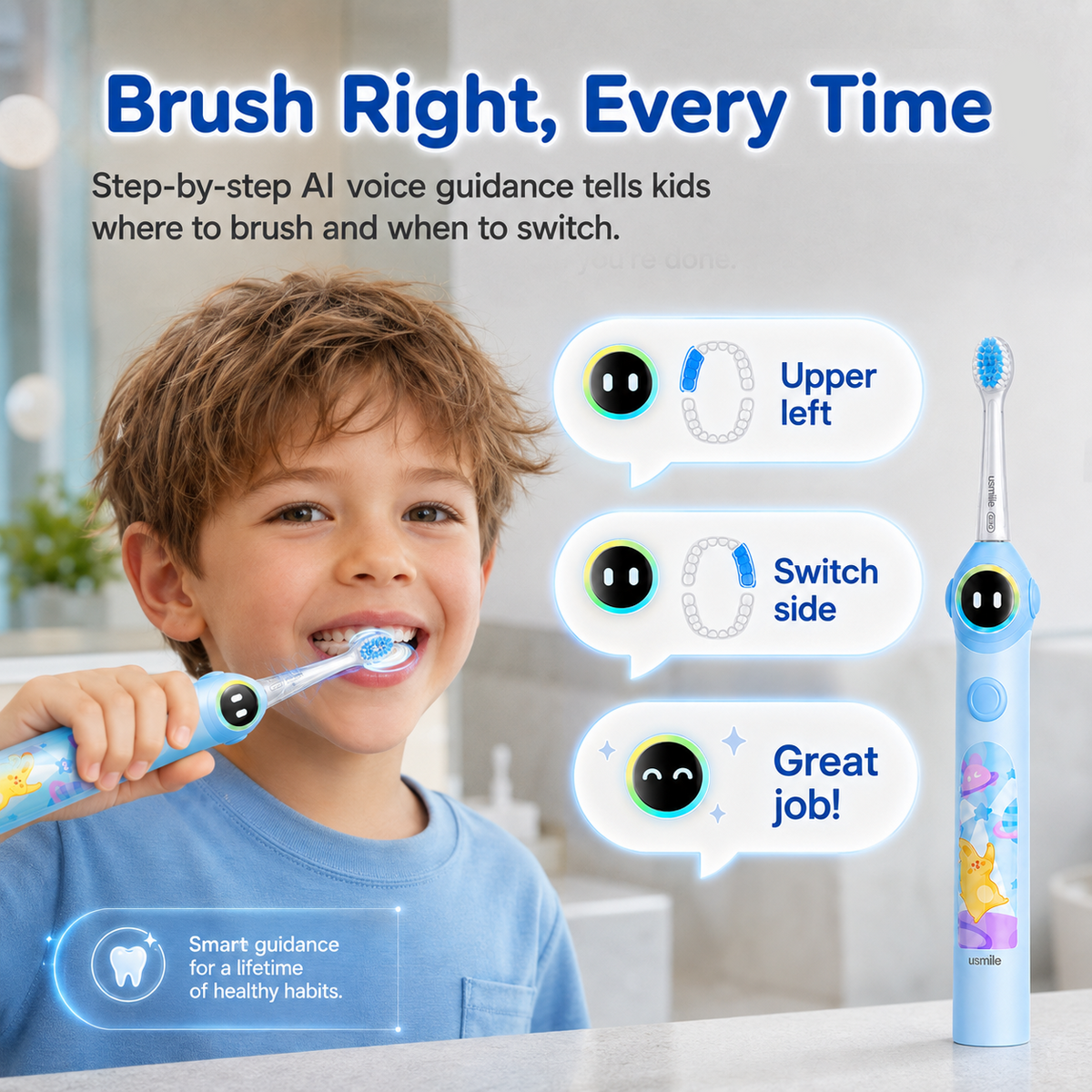
A two-minute timer answers one question: how long did brushing last? It does not answer another: where did the brush go? For children who keep returning to the front teeth, step-by-step voice guidance and missed-zone reminders can be more useful than another countdown. The aim is to build a repeatable mental map of the mouth.
-
Feedback a parent can use calmly
Parents want reassurance without supervising every second. An app report can help show brushing consistency and possible missed zones after the session. The most useful feedback is simple and actionable: it should help a family know what to practice next, not turn a normal routine into a score-driven source of anxiety.
-
An experience the child will accept
Sound, vibration, brush-head size and the tone of guidance all affect whether a child will cooperate. Introduce an electric brush gradually. Let the child hold it, hear it and touch it to the front teeth before expecting a full session. If your child has sensory sensitivities or special health needs, ask their dental professional for help choosing and introducing a brush.
How Q30 fits into a cavity-prevention routine
The usmile Q30 Kids Electric Toothbrush was developed for children ages 3–8 who are learning to brush more independently but still need structure. Voice guidance helps lead the session, missed-zone reminders encourage broader coverage, soft bristles support gentle brushing, and app reports help parents follow the routine without hovering.
Q30 has received professional endorsement from general dentist Dr. Dena Constandelis. That professional support is valuable, but it should be understood correctly: Q30 supports daily oral-care habits and does not diagnose cavities, guarantee cavity prevention or replace individualized advice and regular dental visits.
What an electric toothbrush cannot do
No toothbrush can assess a child’s personal cavity risk, place sealants, apply professional fluoride treatment or evaluate pain and visible changes. It also cannot clean between teeth that touch unless floss or another dentist-recommended interdental method is used. Parents should be cautious of any product that promises complete protection in seconds or suggests that professional care is unnecessary.
The right standard is not whether a brush looks futuristic. It is whether it supports the fundamentals more reliably: two minutes, twice daily, appropriate fluoride toothpaste, gentle contact and better coverage. A useful tool makes proven care easier to carry out; it does not rewrite what proven care requires.
A quick parent checklist before buying
-
Is the brush clearly designed for your child’s age and mouth size?
-
Are the bristles soft and comfortable?
-
Does the guidance help with coverage as well as time?
-
Can your child understand and tolerate the experience?
-
Does the parent feedback lead to a simple next action?
-
Will replacement heads be easy to obtain?
If the answer to those questions is yes, an electric toothbrush can be a useful part of cavity prevention because it makes the right routine easier to complete. The goal is not to automate parenting or turn brushing into a medical procedure. It is to give a developing child clearer support for a small habit that protects daily life.
The bottom line
An electric toothbrush helps most when it solves a real behavior problem: rushing, repeating one area, using too much pressure or needing constant reminders. Pair it with fluoride toothpaste, twice-daily brushing, parent supervision appropriate to the child’s skill level and regular dental care. That combination—not a single feature—is what gives little teeth big protection


Looking for something else?
Best Electric Toothbrush for Gum Disease (2026): 6 Picks Tested for Real Gum Protection
LEARN MORE
Electric Toothbrush on Plane: The Complete Travel Guide (2026)
LEARN MORE
Liquid error (snippets/recommend-article line 11): invalid url input
Best Sustainable Electric Toothbrush 2026: 5 Picks Tested for a Greener, Healthier Smile.docx
LEARN MORE
Best Sustainable Electric Toothbrush 2026: 5 Picks Tested for a Greener, Healthier Smile
LEARN MORELooking for something else?
Best Cheap Electric Toothbrush (2026): Top 5 Budget Picks That Actually Work
LEARN MORE
Ultrasonic Toothbrush vs Electric: Which Technology Wins for Your Smile?
LEARN MORE
Best Electric Toothbrush for Sensitive Teeth (2026) — 5 Tested
LEARN MOREYou may also like

usmile P10 S Electric Toothbrush
$55.99
$69.99

usmile Q30 Kids Electric Toothbrush
$83.99
$111.99

usmile C30SE Portable Dental Flosser
$64.26
$69.86

usmile Q30 Kids Electric Toothbrush Trio Pack
$226.76
$396.12
Further reading
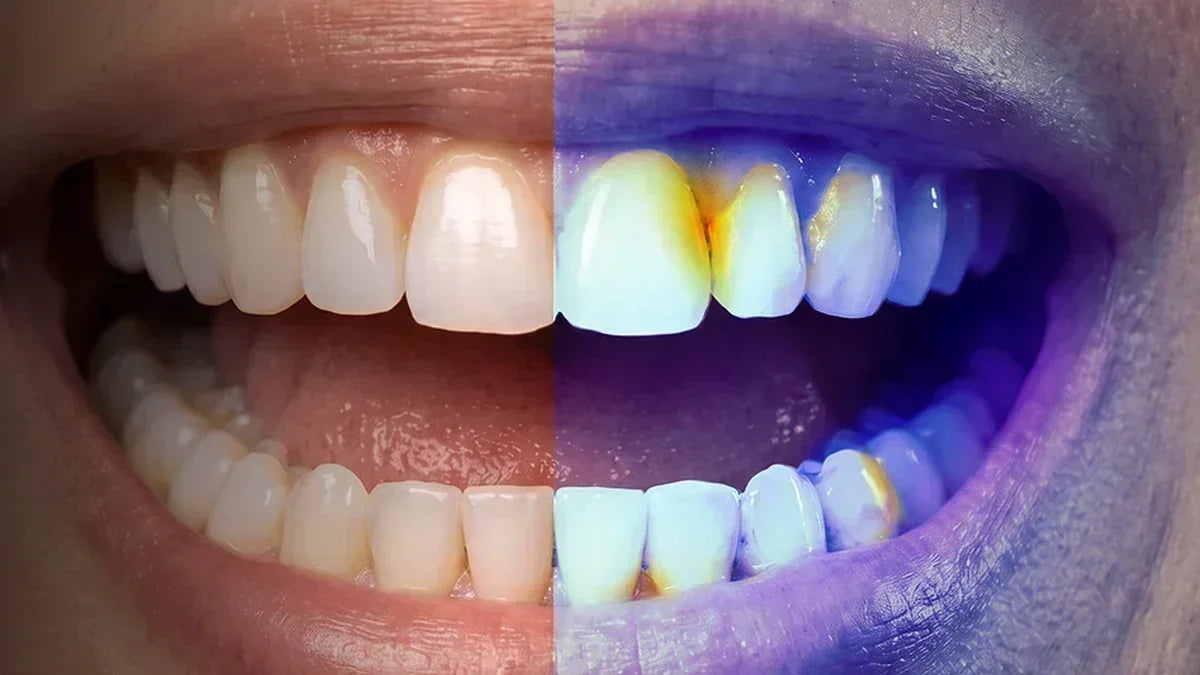
Plaque, Stains, or Food Debris? How to Interpret What a Toothbrush Camera Shows
Quick answer: A toothbrush camera can help locate and compare areas that deserve attention. A color, glow, or enlarged image alone cannot identify plaque, stain, food debris, tartar, decay, or a c...
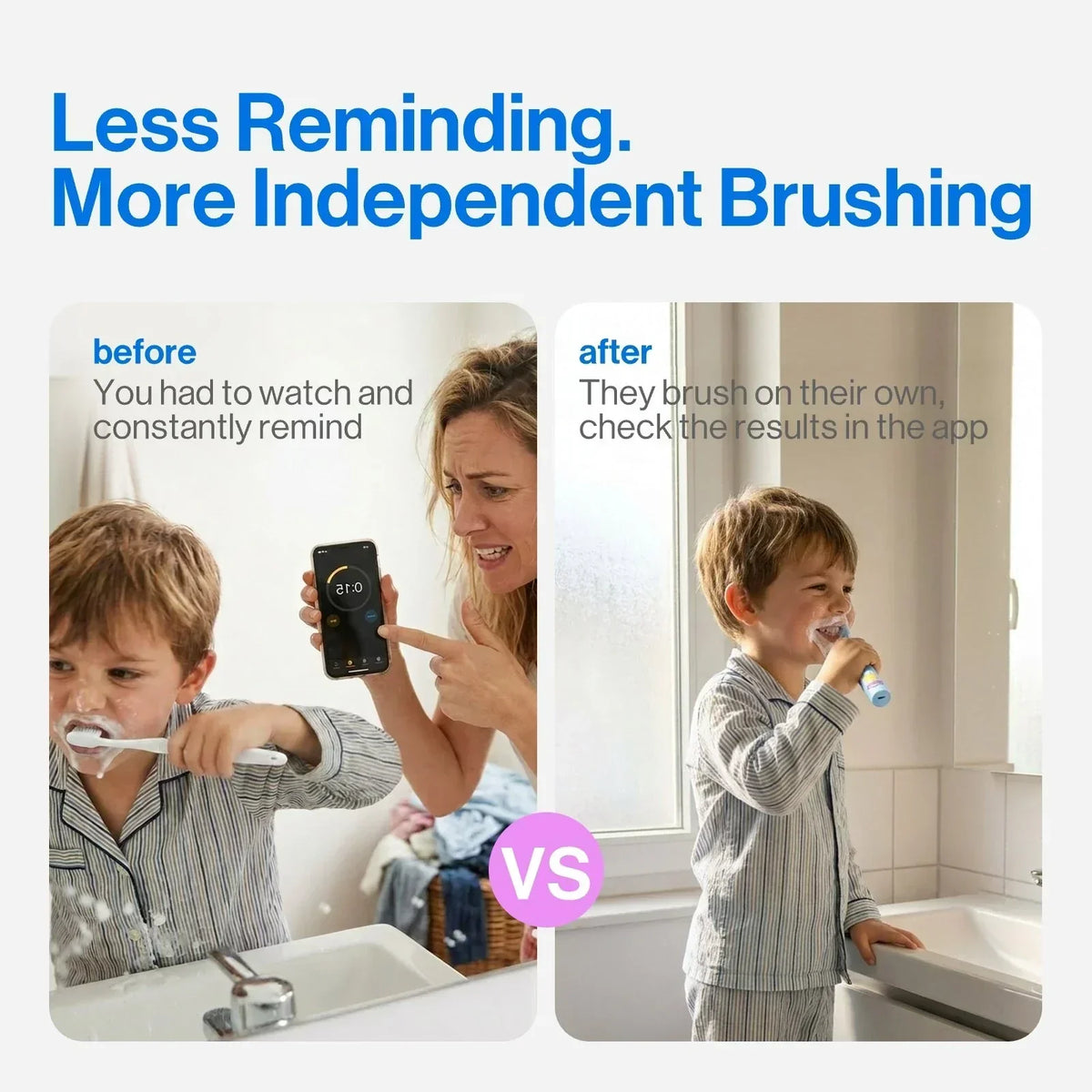
The 5 Toothbrushing Spots Kids Miss Most—and How Parents Can Help
Your child brushed for two full minutes. The timer ended, the toothpaste foamed and the toothbrush looked busy. But did every tooth actually get attention? For many children ages 3–8, the challenge...
The Back-to-School Brushing Reset: A 14-Day Plan for Kids Ages 3–8
September changes the rhythm of a household. Wake-up times move earlier, breakfasts become faster, after-school activities return and bedtime can feel compressed. In that transition, children may ...
Behind usmile D50 OralCam Toothbrush: From Motion Tracking to Visual Intelligence in Oral Care
After six years of development, the oral-care company has combined fluorescence imaging, tooth-level recognition, motion sensing and on-device computing into a technology platform designed to show...
