


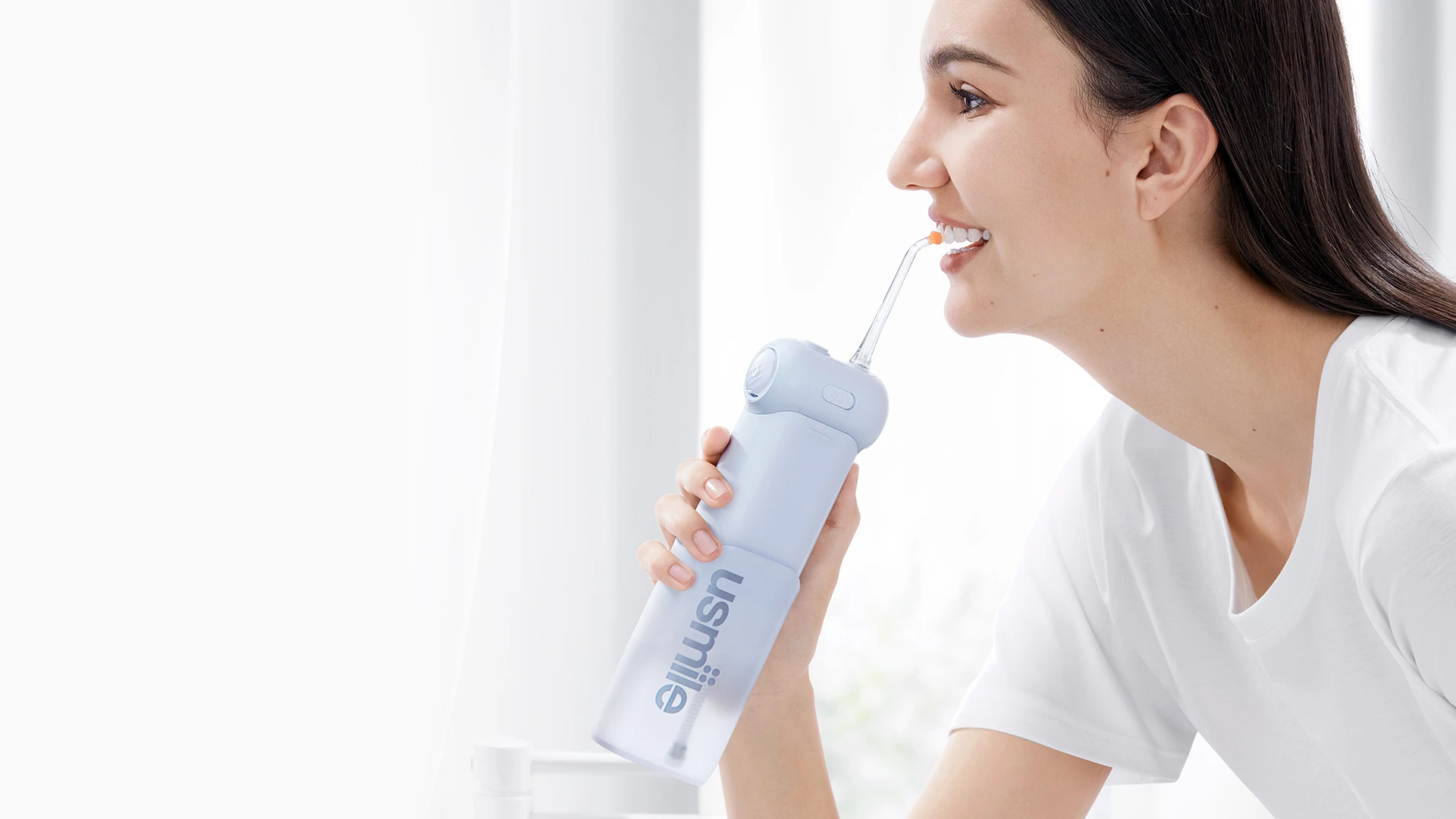
Mouthwash Before or After Brushing: Which Is Best?
Nobody taught you the right order. You learned it by watching someone else in a bathroom, copied it, and haven't questioned it since. Most adults are running on a dental routine they assembled somewhere between age 7 and age 15 — and the mouthwash timing part, specifically, is rarely correct.
Which matters more than it sounds like it should, and specifically for one reason: fluoride. The protective film your toothpaste leaves on your teeth after brushing is still actively working for several minutes afterward, and rinsing with anything — mouthwash, water, doesn't matter — cuts that process short before it's had time to do much. That's the core of this whole debate. If you're looking to rethink your whole setup while you're at it, uSmile offers genuinely solid advanced oral care solutions worth exploring. But let's settle the mouthwash question first.
Quick Answer: Mouthwash Before or After Brushing?

Ask three different dental authorities about whether torinse before or after brushing, and you get three different answers — which is annoying but also kind of honest, because the research genuinely hasn't produced a clean consensus on this.
The ADA calls it personal preference. The NHS says to skip rinsing altogether right after brushing, including mouthwash. Mayo Clinic recommends using it after brushing and flossing. None of them is being reckless. They're just weighing different priorities.
So what should most people actually do? Floss, brush with fluoride toothpaste, spit without rinsing, and use mouthwash later — after lunch, after a snack, somewhere in the middle of the day when it's not competing with toothpaste fluoride. That's the sequence that causes the least interference between your products and gets the most out of both.
The Type of Mouthwash You're Using Changes the Whole Answer
A fluoride rinse used right after brushing isn't giving you double protection. Your toothpaste's fluoride concentration is already higher — the mouthwash fluoride is just competing with residue from something that was already doing a better job. An antibacterial formula used before brushing, though? That can actually loosen surface bacteria, so your toothbrush has less to fight through: two different mechanisms, two different ideal timings.
Whatever the label on your specific product says — follow that. And if you're on a prescription rinse, none of this article applies to that product's timing. Your dentist's instructions override general guidance, including this.
Why Rinsing Right After Brushing Is a Problem

This is the part most people have never heard explained. It takes about 30 seconds to understand, and it changes the way you brush forever.
Your toothpaste keeps working after you spit — unless you rinse
After brushing, there's a thin layer of concentrated fluoride sitting on your enamel. Not rinsed away — still there. Still active. It's absorbed into the tooth surface over the next few minutes, strengthening it, doing the main job fluoride is supposed to do.
Rinse that off — with mouthwash, with water, with a handful of tap water you cup automatically because you've done it every morning since you were nine — and you wash that film away before it's finished. The NHS is direct about this. Spit after brushing. Don't rinse. The fluoride needs to stay.
The frustrating part is that so many people brush really carefully — for a full two minutes, covering all the surfaces — and then immediately wash away a meaningful chunk of what they just built up. The brushing was perfect. The rinse undid part of it.
Mouthwash is still worth using — just not at that moment
This isn't an argument against rinsing. Good therapeutic mouthwashes reach places a toothbrush can't — the pockets along the gumline, the tight gaps between the back teeth, and the back of the tongue. The ADA recognizes real benefits for plaque reduction and gum support from the right rinse used at the right time. Those benefits are genuine.
Cosmetic rinses are a separate product for a separate purpose. They freshen breath. They don't meaningfully protect against gum disease or tooth decay. Using one and expecting cavity protection is like drinking orange juice for the vitamin C and expecting it to fix a broken bone — wrong tool for the job.
The Oral Hygiene Order That Makes the Most Sense

No rigid universal law here — but there's a sequence that logically extracts the most out of each step without any step working against another.
Floss first — seriously, before you brush
Most people who floss at all do it after brushing. The problem with that: anything the floss dislodges — food particles, loosened plaque, whatever was wedged between your back molars — stays in your mouth with nothing left in the routine to clear it out. Floss before brushing, and the next step mops everything up. Logical, right?
The NHS supports flossing before brushing. So does most clinical guidance, when you dig past the vague general advice. And honestly, even 60 or 90 seconds of real flossing changes what your toothbrush is dealing with on the next pass.
Brush your teeth twice a day — both times properly.

Two minutes. Not roughly two minutes — actually two minutes. Cover every surface of every tooth, not just the ones you can see easily in the mirror. And if you have any doubt about whether you're genuinely hitting the two-minute mark, you probably aren't. Most people stop somewhere around 45 seconds without realizing it. An electric toothbrush with a built-in timer removes the guesswork completely, and the cleaning consistency tends to be noticeably better, too — especially along the gumline, where plaque does most of its damage.
One more thing on brushing: light pressure. A toothbrush isn't a scrubbing brush. Pressing hard doesn't clean better. It wears down enamel and pushes gum tissue back over time. Let the bristles work at a comfortable pressure — that's what they're designed for.
Spit. Walk away. Don't rinse.
Spit the foam. That's the whole step. No water, no mouthwash, no quick swish because it feels weird to have toothpaste residue in your mouth. That residue is the fluoride. Leave it there.
It takes about three or four days to stop automatically reaching for the tap. After that, it becomes the new normal. Your teeth are better off for it from the first night.
Mouthwash gets its own time slot — not this one.

After lunch works for most people; your morning toothpaste fluoride has long since been absorbed by then; your breath might need freshening midday anyway; and a midday rinse gives you another antibacterial pass during the stretch of the day when brushing isn't realistic. If your rinse is fluoride-based, skip food and drink for 30 minutes after. That instruction is on the label for a good reason — the fluoride needs time to be absorbed.
When Mouthwash Before Brushing Is the Smarter Move
Pre-brush rinsing isn't the right answer for everyone. For certain people and certain products, it's actually more sensible.
It gives your toothbrush an easier surface to work with

Swishing before brushing breaks down surface bacteria and loosens debris before any mechanical cleaning starts. Your toothbrush isn't starting on a fully loaded surface — it's finishing a job the mouthwash began. If your dentist mentions plaque buildup at nearly every appointment, experimenting with mouthwash first is a legitimate adjustment to try.
It solves the post-brush rinse habit without requiring willpower.
Some people rinse after brushing automatically. They'll do it tonight, even if they read this entire article this morning. If that's you — and there's no judgment here, it's just a deeply ingrained reflex — flipping the order removes the problem entirely. Mouthwash first, then brush. Toothpaste is the last thing your teeth touch. No fluoride gets rinsed off because nothing comes after it.
Some products are specifically designed for pre-brush use
Certain rinses — prescription formulas especially — are formulated to be used before brushing. The timing in those instructions isn't arbitrary. The active ingredient in those products behaves differently depending on what's already on the tooth surface, and the manufacturer's guidance is based on that chemistry. Follow the label. Every time.
When Mouthwash After Brushing Is the Right Call

Post-brushing mouthwash isn't automatically wrong. Context determines whether it makes sense.
Your dentist told you to. That ends the discussion for your situation. A dental professional who has examined your mouth, reviewed your x-rays, and knows your history is giving you specific guidance — not general guidance. Their recommendation is more precise and more reliable than anything a general article can offer. Follow it.
Prescription rinses are a separate category entirely. Chlorhexidine and similar clinical-strength formulas typically work better on a freshly cleaned surface — meaning that after brushing is the mechanically correct timing for those products. The ADA notes these should be used exactly as directed. Exact amount. Exact frequency. Exact timing. No improvising.
If post-brushing mouthwash is genuinely your preference and you won't change it, wait. Give your toothpaste 20 to 30 minutes of contact time first. Not always possible on a rushed morning, but it's a workable compromise — your fluoride gets a reasonable window before anything washes it off.
Types of Mouthwash and What the Timing Means for Each
Not all mouthwash is the same product. The type you use should shape when you use it.
|
Type |
Main Benefit |
When to Use It |
|
Fluoride Mouthwash |
Strengthens enamel, helps prevent cavities |
Not right after brushing — use post-lunch or at a separate time |
|
Antibacterial / Antiseptic |
Reduces plaque-causing bacteria, supports gum health |
After brushing/flossing, unless your dentist says otherwise |
|
Alcohol-Free Mouthwash |
Gentler on dry mouth and sensitive gum tissue |
Flexible — just follow the label, no major timing restrictions |
|
Cosmetic Mouthwash |
Short-term breath freshening only |
Anytime — but don't expect cavity or gum protection from this one |
|
Prescription Rinse |
Treats specific clinical conditions |
Exactly as your dentist said. No improvising. |
When you're standing in the oral care aisle comparing five bottles that look roughly identical, the ADA Seal of Acceptance is a useful shortcut. It means the product was independently tested — not just marketed with impressive-sounding claims on the packaging.
Mouthwash Timing Mistakes That Are Surprisingly Common and Surprisingly Harmful
Swishing instead of brushing
People do this when they're rushed. Mouthwash cannot remove plaque. Plaque is a sticky bacterial film, and liquid flows around it rather than through it — no amount of swishing disrupts it the way a toothbrush does. Brushing scrapes. Flossing pulls. Mouthwash handles what's left after those. You can't reverse that order and get the same result. There's no version of this where mouthwash alone is sufficient.
Rinsing with plain water right after brushing
People treat this as harmless. It's not — not for fluoride. Water washes away the fluoride film just as effectively as mouthwash does. The NHS specifically calls this out. That quick handful of tap water you cup after brushing, the one you don't even think about doing? It's diluting the protective benefit of your toothpaste. Every morning, for probably decades, many people have been brushing carefully and then automatically rinsing away part of the benefit. Spit. Don't rinse—even water.
Eating or drinking too soon after a fluoride rinse
The 30-minute restriction isn't excessive caution. Fluoride mouthwash leaves a film on the enamel that takes time to be absorbed before anything can remove it. A cup of coffee, a glass of water — anything consumed in that window physically rinses the fluoride off before the absorption completes. The label says 30 minutes because that's how long the chemistry takes. Respect it.
Using antiseptic mouthwash constantly without asking a dentist
More does not mean more protected. Using a strong antiseptic rinse four or five times a day without guidance disrupts the natural bacterial balance your mouth depends on and can irritate the mucosa over time. If you need that frequency to manage persistent bad breath or discomfort, that's a symptom of something else going on — not a problem that more mouthwash will fix.
Is Daily Mouthwash Safe for Most People?

For the majority of adults, using the right formula and following the label, yes. Over-the-counter rinses are designed for regular daily use. If you develop dry mouth or irritation after starting a new rinse, that's a signal — the formula might not suit your mouth's chemistry, or you're using more than the label suggests.
Children under 6 shouldn't use it. The risk is too high at that age. Adults with chronic dry mouth, active gum disease, recurring mouth ulcers, cardiovascular conditions, or who are pregnant should check with their dentist before committing to daily mouthwash use. That's not a lengthy bureaucratic process — one question at your next appointment covers it.
About the Cardiologist Mouthwash Warning — What's Actually Being Said
The headlines on this were more alarming than the underlying research. Here's what the studies actually found and what to reasonably do with that information.
What the research actually shows
Certain bacteria in the mouth convert dietary nitrates into nitrite, which the body eventually converts into nitric oxide — a compound that relaxes blood vessels and influences blood pressure regulation. Some research, including a study published in Free Radical Biology and Medicine, investigated whether frequent use of a strong antiseptic mouthwash might reduce the number of those bacteria. Several findings showed associations — not causation — between heavy use of antiseptic mouthwash and elevated blood pressure readings among some study participants.
Association. Not proven cause and effect. Specific to antiseptic rinses used frequently, not cosmetic mouthwash, not for occasional use. No major health authority has issued a broad warning against the use of all mouthwash based on this research.
The reasonable response
If you have high blood pressure, a heart condition, or you're using antiseptic mouthwash more than twice a day, mention it at your next appointment with your doctor or dentist. A single conversation. They can assess your specific situation and tell you whether your product and frequency warrant any adjustment. That's the proportionate response — not switching to nothing, not ignoring the research entirely.
A Daily Routine That's Realistic Enough Actually to Stick With

The best oral care routine is the one you'll follow every day without having to think about it. This one is simple enough to last.
Morning
- Start with floss before the toothbrush — this loosens debris so brushing can clear it out properly, not the other way around.
- Brush for the full two minutes using fluoride toothpaste, hitting the gumline and the back molars without rushing.
- Spit the foam out and stop there. Don't rinse with water, and skip the mouthwash for now — you want that fluoride sitting on your teeth.
Midday
- Rinse with mouthwash after lunch — this is the ideal slot for most products.
- Fluoride rinse? No food or drink for 30 minutes afterward. That's the tradeoff.
Before bed
- Floss again — this session matters more than the morning one, because plaque has been accumulating since you woke up.
- Brush again for two minutes. Night brushing is arguably more important than morning brushing — saliva slows overnight,t and plaque gets a longer window to do damage without it.
- Spit and go to sleep with fluoride on your teeth. No rinsing.

One thing that makes flossing significantly easier — especially if string floss is something you skip more often than not — is a water flosser. A toothbrush and water flosser bundleincludes a high-quality electric toothbrush and a water flosser in a single purchase. Most people who try water flossing actually stick with it in a way they never quite managed with string. Worth trying if the flossing step is where your routine falls apart.
The Bottom Line

Mouthwash timing matters — but it's not complicated once you understand the fluoride issue at the center of it. So, should you use mouthwash before or after brushing? For most people, the simple answer is brush first, then mouthwash later — ideally at a separate time of day so you're not rinsing away the fluoride your toothpaste just left behind. Use mouthwash at a separate time from brushing, protect the fluoride your toothpaste leaves behind, match your rinse type to what your mouth actually needs, and follow your dentist's specific instructions if they've given you any.
And honestly, the question about mouthwash is a refinement. The foundation is still the basics: brushing twice, flossing daily, limiting sugar intake, and showing up for cleanings. Get those right consistently, and you're doing more for your long-term dental health than any perfect mouthwash timing could add on its own.
FAQs
What is the correct order of oral hygiene?
Floss first to clear out what's between your teeth, then brush with fluoride toothpaste for two minutes, then spit without rinsing immediately after. Use mouthwash at a completely separate time — after lunch is the most practical option for most people. If your dentist has given you a specific sequence for your situation, follow that rather than general guides like this.
Why do you have to wait 30 minutes after using mouthwash?
This specifically applies to fluoride mouthwashes. After you rinse, fluoride sits on your tooth enamel and slowly absorbs into the surface — that process takes time, and eating or drinking during that window washes the fluoride off before it finishes. The 30-minute window is printed on the label because the chemistry genuinely needs that long. Cosmetic or non-fluoride rinses don't usually carry the same restriction, but the label will say either way.
Why do cardiologists warn against mouthwash?
The concern is narrower than the headlines made it sound. Some research found associations — not proven causes — between frequent use of antiseptic mouthwash and elevated blood pressure among certain participants. The theory involves antiseptic rinses that potentially reduce oral bacteria that help produce nitric oxide, which plays a role in blood vessel function. It's specific to heavily used antiseptic rinses, not all mouthwashes, and not to occasional use. If cardiovascular health is a concern for you, raise it with your doctor or dentist — a brief conversation about your specific product is all it takes.
What is the proper way to use mouthwash?
Measure out the amount on the label — don't just pour whatever feels right. Swish for 30 to 60 seconds, making sure it reaches between your teeth and around the back of your mouth. Spit it out fully. Don't swallow any of it, especially if it contains alcohol or fluoride. If it's fluoride mouthwash, avoid eating or drinking for 30 minutes afterward. That's the complete process.
What is the golden rule for oral hygiene?
Brush twice a day with fluoride toothpaste. Floss once a day — and actually do it, not just when you remember. Don't rinse immediately after brushing. Cut back on sugar and acidic drinks. See your dentist at least twice a year. Those five habits cover the vast majority of what protects teeth and gums over a lifetime. Most adult dental problems trace back to consistently skipping at least one of them.
Can I kiss my partner if they have cavities?
Cavities themselves don't spread the way a cold or flu does. But the main bacteria responsible for tooth decay — Streptococcus mutans — can be transmitted through saliva, and kissing is one route it can take. It doesn't mean avoid kissing someone with cavities. It means both people benefit from good oral hygiene habits, such as getting cavities treated rather than leaving them untreated and not sharing toothbrushes. The risk is real but manageable.
Why do dentists say not to rinse after brushing?
Because toothpaste leaves a thin fluoride coating on enamel when you finish brushing, rinsing removes it before it can absorb properly. The NHS is explicit about this. Even rinsing with plain water right after brushing dilutes the fluoride benefit. The advice is to spit out the excess paste and leave the rest where it is. Feels strange at first if you've been rinsing for decades. Takes a few days to adjust. Your teeth are better off for it immediately.
What is the 7-4 rule for teeth?
It refers to developmental milestones in children's dental care. Around age 4, most children have their full set of primary teeth, and brushing habits and supervision become important. Around age 7 is typically when orthodontists recommend a first assessment of how the permanent teeth and jaw are coming in. These are rough guidelines, not rigid cutoffs — your child's dentist will adjust based on what they actually see at each visit, not just age.
Is it safe to use mouthwash every day?
Yes, for most adults, assuming the right formula and the right frequency as stated on the label. Match the product to what your mouth actually needs: fluoride for cavity protection, antibacterial for gum support, alcohol-free for sensitivity or dry mouth. If you have dry mouth, active gum disease, pregnancy, cardiovascular conditions, or take medications that affect saliva, get input from your dentist before committing to daily mouthwash. One question at your next appointment is usually all it takes.
Sources
- NHS – Oral Health Team, How to Keep Your Teeth Clean — NHS guidance on fluoride toothpaste, no-rinse advice after brushing, and mouthwash timing
- American Dental Association (ADA) – MouthHealthy Editorial Team, Mouthwash (Mouthrinse) — types, ADA Seal guidance, therapeutic vs cosmetic mouthwash classification
- Mayo Clinic – Staff Physicians, Oral Health: A Window to Your Overall Health — brushing, flossing, and hygiene routine recommendations for adults
- Listerine Clinical Team, When to Brush, Floss, and Use Mouthwash — 3-step oral care routine, gingivitis prevention, mouthwash timing guidance
- Colgate Oral Health Center – Reviewed by dental professionals, Should You Use Mouthwash Before or After Brushing? — ADA, NHS, and Mayo Clinic synthesis
- Luker Dental, Greeley – Clinical team, Can You Use Mouthwash Before Brushing? — mouthwash types, order comparison, patient-facing guidance
- River Rock Family Dental – Editorial team, Brushing, Flossing, and Mouthwash – Which Order Is Right? — sequence rationale, daily safety, FAQ
- Free Radical Biology and Medicine – Kapil V, et al., Inorganic nitrate and blood pressure research — nitric oxide pathway, antiseptic mouthwash findings


Looking for something else?
Best Electric Toothbrush for Teens (2026): Top Picks, Tested and Reviewed
LEARN MORE
Best Electric Toothbrush for Gum Disease (2026): 6 Picks Tested for Real Gum Protection
LEARN MORE
Electric Toothbrush on Plane: The Complete Travel Guide (2026)
LEARN MOREBest Sustainable Electric Toothbrush 2026: 5 Picks Tested for a Greener, Healthier Smile.docx
LEARN MORELooking for something else?
Best Sustainable Electric Toothbrush 2026: 5 Picks Tested for a Greener, Healthier Smile
LEARN MORE
Best Cheap Electric Toothbrush (2026): Top 5 Budget Picks That Actually Work
LEARN MORE
Ultrasonic Toothbrush vs Electric: Which Technology Wins for Your Smile?
LEARN MOREYou may also like
usmile C30SE Portable Dental Flosser

usmile Y20PRO Adults Toothbrush x Q30 Kids Toothbrush


Further reading
The 5 Toothbrushing Spots Kids Miss Most—and How Parents Can Help
The Back-to-School Brushing Reset: A 14-Day Plan for Kids Ages 3–8
Behind usmile D50 OralCam Toothbrush: From Motion Tracking to Visual Intelligence in Oral Care

