




Is It Bad to Brush Your Teeth After Eating? Most People Get This Wrong
Nobody really tells you this one, and that's the annoying part. Your dentist probably ran through the usual stuff — brush twice a day, don't skip the floss, see you in six months — and that was pretty much it. So here you are, brushing right after meals like a normal, responsible adult, no second thoughts about it.
But here's where it gets weird. Depending on what you just ate, going at your teeth too soon can grind down your enamel faster than leaving it alone would. Doesn't happen every single time, but it happens enough thatthis question genuinely has a real answer, not one of those wishy-washy "well, it depends" replies that send you back to square one.
It really comes down to two things — what you just ate, and how long you sat on it before grabbing the brush. Nail those two, and everything else kind of sorts itself out. Here's what you actually need to know.
Is It Actually Bad to Brush After Eating?

Sometimes yes, and not in a vague theoretical way — in a way that compounds over years without any obvious signal. Other times it’s exactly the right move. The difference comes down to one factor almost nobody thinks about when they reach for their toothbrush.
After Most Regular Meals — Just Go Ahead and Brush
Pasta. Rice. A turkey sandwich. Grilled chicken. Soup. Anything that doesn’t leave that sharp or sour aftertaste. After meals like those, brushing within about 30 minutes is not only harmless — it’s exactly what you should be doing. Bacteria in your mouth start breaking leftover food particles into acid almost immediately after you stop chewing. Getting a toothbrush in there before 30 minutes is up cuts that process off early. No debate, no waiting. Just brush.
Eat Something Acidic, and the Whole Script Flips
Morning orange juice. A Coke at lunch. Citrus fruit. Sour candy. Sports drinks. These leave your tooth enamel temporarily softened — not permanently, not visibly, but genuinely. You can’t feel it happening. There’s no signal. But your enamel is meaningfully more vulnerable in the window after you consume them.
Brush during that window, and you’re not cleaning your teeth. You’re rubbing an abrasive tool across a surface that’s already been knocked off balance. Dentists at Columbia University’s College of Dental Medicine have said this plainly: hold off on brushing after anything acidic. The enamel loss from ignoring this doesn’t happen overnight — it’s quiet, slow, and most people find out about it in a dentist’s chair years later.
Here’s What’s Actually Happening in Your Mouth After You Eat
Understanding this is what makes the timing rule click — it stops feeling like one more rule and starts feeling obvious.
Every Single Meal Makes Your Mouth More Acidic

Every single meal, for everyone — spinach salad, oatmeal, cheeseburger, it doesn't matter — your mouth's pH drops after eating, without exception. The bacteria already sitting on your teeth feed on leftover food particles and produce acid as a byproduct (and that means any food, not just the sugary stuff). With a non-acidic meal, it’s mild and manageable. Add citrus or soda on top, and the acid load climbs significantly — both from the food itself and from bacterial activity on top of it.
It’s not a scare story. It’s just what’s happening in there.
Saliva Is Working on It — But It Can’t Be Rushed
People underestimate saliva more than almost anything else in oral health. After you eat, it starts neutralizing acid and pushing minerals back into the enamel surface — a process called remineralization — almost immediately. That’s why teeth survive decades of daily eating without just dissolving. But saliva moves at its own pace. Roughly 30 minutes after a regular meal. Up to 60 minutes after something highly acidic.
Two things speed it along. Water, which directly dilutes the acid load. Sugar-free gum — which tells the salivary glands to produce more, faster. Both are worth having on hand during that wait.
How Long Should You Actually Wait Before Brushing?
After Non-Acidic Meals — 30 Minutes Is Plenty
If nothing in your meal was acidic, 30 minutes is the target. By then, saliva has done enough work, and your mouth has stabilized. So it's not bad to brush your teeth after eating a non-acidic meal, as long as you give it about half an hour first. Brushing after that point is safe, effective, and exactly what you should be doing. Clock it if you need to — 30 minutes goes by faster than you’d expect.
After Acidic Food or Drink — The Full Hour
OJ. Soda. Lemonade. Grapefruit. Energy drinks—sour candy. For any of these, the Mayo Clinic recommends waiting a full 60 minutes before picking up a toothbrush. Not “around an hour.” Sixty minutes, because that’s what enamel actually needs to harden back up after acid contact. Rinse your mouth with water the moment you finish eating. Set a timer if it helps. Then brush.
Which Foods Need Extra Caution?

Not all meals create the same level of risk. Knowing the real culprits is more useful than memorizing a long list.
Citrus Fruits — Worth Eating, Worth Handling Right
Oranges, lemons, limes, grapefruit — eat them, they’re legitimately good for you. But citric acid is genuinely tough on enamel in that first hour after eating, and that goes for anything citrus-derived too: OJ, lemonade, citrus marinades, fruit-based dressings. The fruit isn’t the problem. Brushing 12 minutes after eating is. Rinse with water right away, wait before you brush — that adjustment takes three seconds and handles most of the risk.
Sodas and Sour Candy — These Are in a Category of Their Own
Both hit your teeth with acid and sugar simultaneously. Acid softens the enamel surface. Bacteria use the sugar to generate even more acid on top of that. The damage window stretches well past when you finish the can or bag — it doesn’t stop when you stop eating—full 60-minute wait, every time, no exceptions. Rinse immediately with water. People who brush within 15 minutes of drinking soda every single day are eroding their enamel on a quiet, predictable schedule. Go figure.
Starchy Snacks Stick Around Longer Than You’d Expect
Chips, crackers, white bread, dried fruit — not acidic, but they wedge between teeth and convert to sugar fast once they start breaking down. A toothbrush often can’t reach them properly anyway. Using a portable dental water flosser after these snacks makes more practical sense than rushing to brush — water pressure clears debris from tight spots without any abrasive friction against enamel that’s still processing a sugar load.
Before or After Breakfast — Which Is Actually Better?

This one comes up constantly: should you brush your teeth before or after breakfast? The answer actually surprises most people.
Brushing Before Breakfast Has the Stronger Case
Here’s what’s happening while you sleep: saliva production drops significantly — sometimes close to nothing. Bacteria spend five to eight hours multiplying on your teeth with almost no opposition. By the time your alarm goes off, there’s a real layer of overnight buildup there, and those bacteria are ready to act the moment food shows up. Brushing before breakfast clears it all out, and deposits fluoride before your first meal ever interferes with it.
Many dentists genuinely prefer this approach. It also removes the post-breakfast timing question entirely — which, honestly, is not a small thing.
Brushing After Breakfast Is Fine — If You Follow the Timing
Eggs and toast with coffee, no juice — 30 minutes works. Orange juice, grapefruit, or a smoothie in the mix — push it to 60. Can’t wait at all? Rinse well with water right after eating and brush whenever you actually can. That’s far better than brushing right after an acidic breakfast every single morning and slowly wearing down the enamel without realizing it.
What to Do While You’re Waiting to Brush

The gap between eating and brushing doesn’t have to be a waste of time.
Drink Water — This One Is Genuinely Simple
One glass of water after a meal flushes loose food particles off tooth surfaces, dilutes whatever acid your meal left behind, and gives saliva a running start on the neutralization process. Most people don’t think of this as a dental habit. It is. After every meal, especially acidic ones,drink water first, right away. That’s the whole habit.
Chew Sugar-Free Gum
Specifically, one with xylitol toward the top of the ingredients list. Chewing triggers increased saliva production, which accelerates both acid clearance and enamel remineralization. It’s not a brushing substitute and was never meant to be — it’s a tool for the gap between eating and when brushing is actually safe. Dentists recommend it for exactly this purpose, and it genuinely works.
Use a Water Flosser
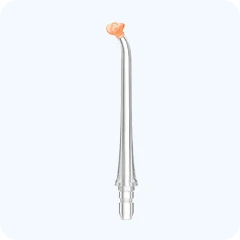
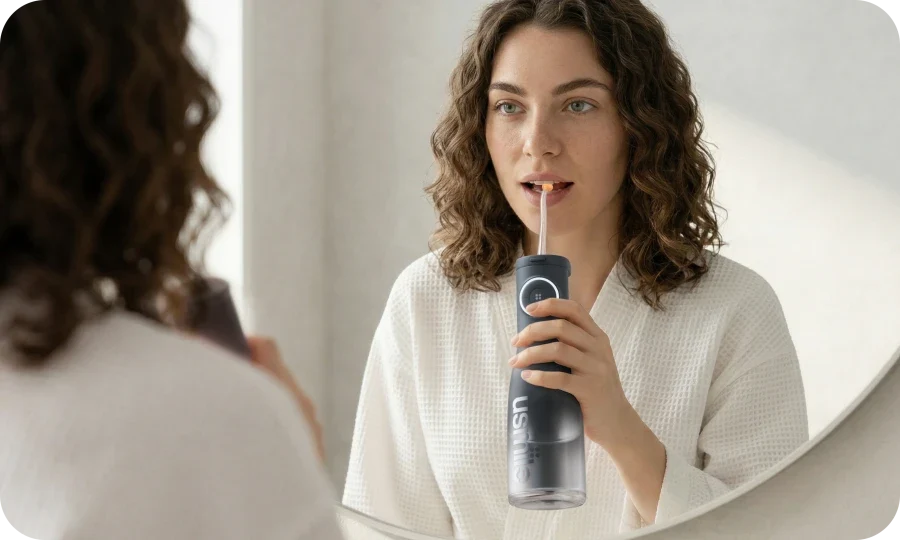
A water flosser sends a precise stream between teeth and along the gumline — no abrasive contact with enamel, which means it’s safe to use right after eating, even when brushing still needs to wait. After anything sticky or fibrous, it clears what a toothbrush misses without pressing against enamel that’s mid-recovery. Start with this, then brush once the clock has run.
What Does a Good Daily Brushing Routine Look Like?

Two Minutes, Twice a Day — The Part Most People Skip
Two minutes. Fluoride toothpaste. Twice a day. That’s the ADA standard, and it’s based on what it actually takes to remove plaque from all tooth surfaces effectively. Most people brush for 45 to 50 seconds total and call it done. It’s not done. A simple fix: four sections, 30 seconds each — upper right, upper left, lower right, lower left. Do that twice a day and you’re genuinely ahead of most people.
Hard Bristles Are a Myth — Stop Using Them
They clean no better than soft bristles. They wear enamel down. They push gums back over time. There’s no dental research supporting a hard toothbrush and plenty of evidence against it. Soft bristles clean just as effectively with a fraction of the wear. And if switching to an electric toothbrush has been sitting on your mental to-do list, stop putting it off — the motion is automatic, pressure is controlled, and the timer keeps you honest. The difference in day-to-day cleaning consistency is well-documented and real.
Floss Every Day — One Minute, No Getting Around It
Brushing handles three surfaces of each tooth. The two surfaces where teeth touch each other — that’s entirely on flossing or water flossing, and that’s where gum disease tends to start. Most people skip this part consistently. One minute a day is what it takes. If you’re using a water flosser as your main interdental cleaner, that works — just actually cover all the teeth, not just the easy front ones.
Signs Your Current Habit Might Already Be Causing Damage

None of these is catastrophic on its own. But each one is your mouth trying to flag something:
- Teeth are noticeably more sensitive to cold, heat, or sweets than they were a year ago
- Gums that bleed when you brush — consistently, not just when you press too hard once
- Gumline that’s visibly lower on your teeth than it was a few years back
- Enamel near the gumline looks thinner, almost glassy, or different in color from before
- Bristles on a new toothbrush are going flat and frayed well before the 3-month mark
Caught early, most of these are manageable. Left alone, they’re not — and enamel doesn’t grow back.
When to Actually See a Dentist
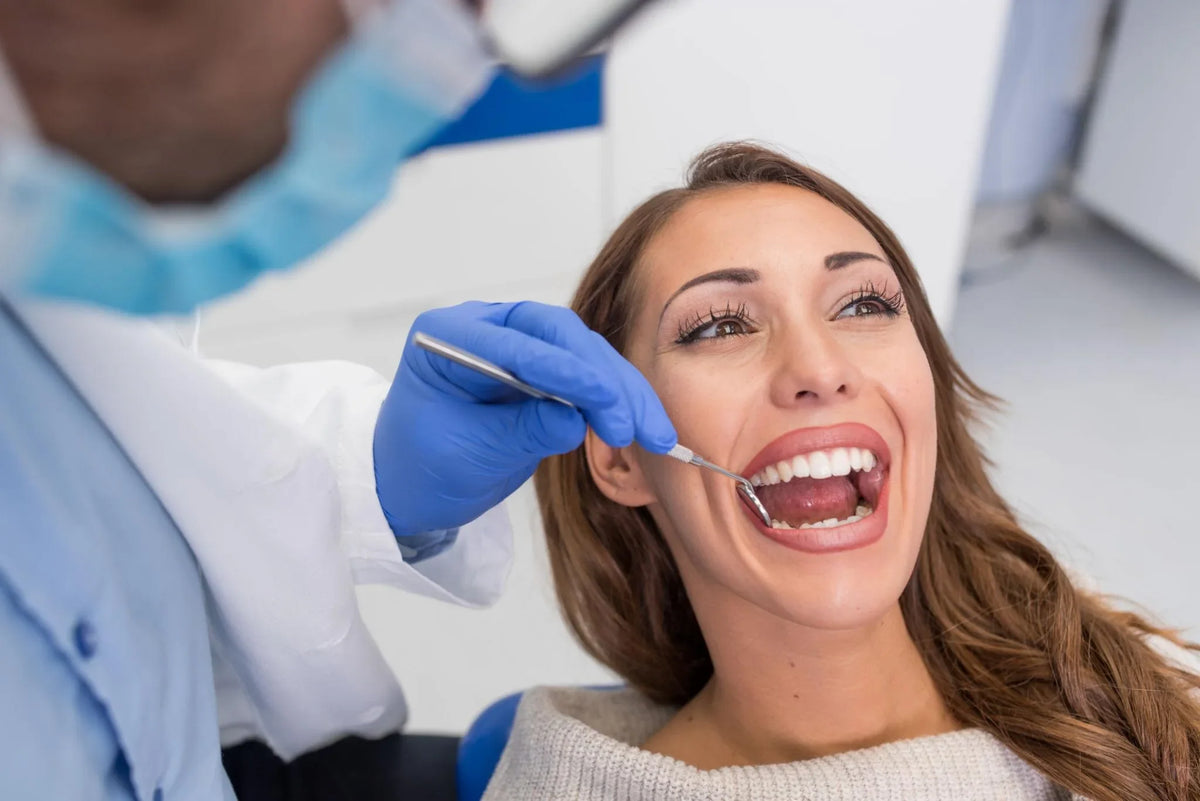
There’s a version of this where changing the habit fixes things. And then there’s a version where sensitivity keeps climbing, gums keep receding, enamel keeps changing — and that version isn’t a brushing technique problem. It’s a clinical one. People dealing with acid reflux, dry mouth, braces, or recurring cavities need advice that’s specific to their situation, not general guidelines from the internet. That’s genuinely what dentists are for.
The Bottom Line
Wait about thirty minutes after a regular meal, and closer to sixty after anything acidic, sipping water in between to help things settle. Use a soft-bristled brush for a full two minutes, twice a day, and don't skip the floss. And of course, keep up with your regular dentist visits.That’s the whole routine — not complicated, just specific.
As a smart dental hygiene brand, usmile builds every product around this kind of thinking — practical oral care tools for people with real schedules who want to actually do this right, not just feel like they are.
FAQs
Q: Is it good to brush your teeth immediately after eating?
After a regular, non-acidic meal — yes, within 30 minutes is smart. After anything acidic, like citrus fruit, juice, soda, or sour candy — no. Wait the full 60 minutes. Brushing too soon after acidic food doesn’t clean enamel; it abrades a surface that’s already been weakened by acid exposure. That’s the distinction that actually matters here.
Q: Can I take creatine after brushing my teeth?
Yes, no problem at all. Plain creatine dissolved in water isn’t something you need to time around brushing. If you’re mixing it into a sugary or acidic drink — a flavored sports mix, for example — rinse your mouth with water after finishing it. Brushing timing is about acid and sugar exposure, not the supplement itself.
Q: Can yellow teeth turn white again?
Depends on why they’re yellow. Surface stains from coffee, tea, red wine, or certain foods often respond well to better brushing habits and a professional cleaning. Yellowing caused by enamel thinning, aging, or medication is a different problem entirely — that usually needs professional whitening treatment to see any real improvement.
Q: How fast should you brush teeth after eating?
Non-acidic meal — 30 minutes. Acidic food or drink — 60 minutes. Rinse with water right after eating either way. That waiting time isn’t wasted; it’s when your saliva is actively repairing enamel. Use it.
Q: What are the signs of over-brushing?
Watch for teeth that have gotten progressively more sensitive to temperature or sweets. Gums that bleed consistently when you brush — not just once. Gumline that appears to be migrating lower on your teeth. Enamel near the gumline that looks thinner or almost see-through. Bristles are collapsing and fraying well before the three-month mark. Switching to a soft-bristled brush and easing up on pressure fixes most of it.
Q: Which fruit is called nature's toothbrush?
Apples. Their dense, fibrous texture performs mild mechanical scrubbing on the tooth surface as you chew, triggeringincreased saliva production. A genuinely solid snack choice for your teeth — though nobody should be using that as an excuse to skip actual brushing.
Q: When is the best time to brush your teeth?
Before breakfast and right before bed. Those two sessions matter most — and the bedtime brush is honestly the more critical of the two. Skip it, and you leave plaque active for six or more hours in a low-saliva overnight environment where bacteria have almost nothing working against them. That’s the brush most people are most casual about, and it’s the worst one to skip.
Q: What are the signs of unhealthy gums?
Firm and pale pink — that’s healthy. Red, puffy, or tender gums that bleed when you brush aren’t. Neither is gum tissue visibly pulling back from the teeth, nor is there bad breath that doesn’t respond to brushing. Loose teeth are a late-stage sign—any combination of those warrants a dental appointment, not a wait-and-see approach.
Sources
- Mayo Clinic, Dental care: Brushing and flossing
- American Dental Association, Brushing Your Teeth (MouthHealthy)
- Columbia University Irving Medical Center, You May Be Brushing Your Teeth Wrong
- ADA News, Brushing Before or After Breakfast
- Centers for Disease Control and Prevention, Oral Health: Prevention and Control
- National Institute of Dental and Craniofacial Research, Tooth Decay


Looking for something else?
Best Cheap Electric Toothbrush (2026): Top 5 Budget Picks That Actually Work
LEARN MORE
Ultrasonic Toothbrush vs Electric: Which Technology Wins for Your Smile?
LEARN MORE
Best Electric Toothbrush for Sensitive Teeth (2026) — 5 Tested
LEARN MORE
Does an Electric Toothbrush Have a Lithium Battery
LEARN MORELooking for something else?
How to Make Brushing Teeth Fun for Kids Without Daily Battles
LEARN MORE
Best Toothbrush for Kids Who Hate Brushing: Parent Guide
LEARN MORE
Best Electric Toothbrush for Kids: What Parents Should Look For
LEARN MOREYou may also like
usmile C30 Cordless Water Flosser – Portable Oral Irrigator
usmile Y20 PRO Upgraded AI Electric Toothbrush

usmile P10 S Electric Toothbrush

usmile Q30 Kids Electric Toothbrush

usmile C30SE Portable Dental Flosser

usmile Q30 Kids Electric Toothbrush Trio Pack
Further reading
Halloween Candy Before Bed: A Kid-Friendly Cleanup Routine to Protect Kids' Teeth
I Thought My Water Flosser Made My Teeth Gaps Bigger—Here’s What May Actually Be Happening
Why Teeth Look More Spaced Out After Water Flossing