





How Much Do Braces Cost? Real U.S. Prices, Insurance Math, and Hidden Fees Explained
Dental insurance usually caps braces coverage at $1,000 to $3,000 for life. Calculate real out-of-pocket braces costs using HSA, FSA, and 0% plans.

On This Page
Most U.S. patients pay $3,000 to $10,000+ for braces, with typical metal or ceramic plans landing between $5,000 and $7,500 before insurance—depending on the type of braces, where you live, and how complex your bite is. Orthodontic insurance usually trims $1,000 to $3,000 through a one-time lifetime cap, not an unlimited discount.
Most cost guides stop at that first sticker number. To budget without surprises, it helps to track the 3-Number Rule: your itemized quote, your real out-of-pocket total after insurance or tax-free savings, and your ongoing costs for retainers, repairs, and daily enamel care.
[[Collection Card]]
Average Cost of Braces by Type (Metal, Ceramic, Gold, Aligners, and Lingual)
The type of braces you pick is usually the fastest way to move your braces cost up or down. Across recent U.S. dental fee surveys, full orthodontic treatment averages anywhere from roughly $5,000 to over $9,200 depending on the system. Here is what most clinics quote before insurance:
| Braces Type | Typical U.S. Range (Before Insurance) | Best Clinical & Budget Fit |
|---|---|---|
| Traditional Metal | $3,000–$7,500 | Most affordable; handles complex bites |
| Ceramic (Clear) | $4,000–$8,500 | Less noticeable; popular with adults |
| Gold-Plated Metal | $4,500–$8,500 | Nickel sensitivity; warm-toned look |
| Clear Aligners | $3,500–$8,500 | Removable; best for mild–moderate cases |
| Lingual (Behind Teeth) | $8,000–$13,000 | Fully hidden; highest lab/skill fee |
Keep in mind that these are nationwide ranges—where you live and how much movement your teeth need will nudge your personal quote up or down (we break those factors down next). First, here is why each option sits in its price bracket when you sit down with an orthodontic specialist:
- Traditional metal braces cost the least because stainless-steel brackets are tough, widely made, and work reliably on everything from mild crowding to major bite issues.
- Ceramic braces usually run $500 to $1,500 more than metal. The tooth-colored brackets cost more to make and take extra care to place and remove cleanly.
- Clear aligners (like Invisalign) often cost about the same as metal or ceramic braces for full treatment, though shorter plans for minor shifting can sit near the lower end.
- Lingual braces are custom-made to sit behind your teeth, out of sight. Because they require specialized training and longer checkups, they carry the highest price tag.
- Self-ligating and 3D-printed brackets (such as Damon or LightForce) use built-in clips or custom digital designs; most offices quote them around $4,500 to $8,500+ depending on whether you pick metal or clear.

Gold Braces vs. Standard Metal Braces
Gold-plated braces typically cost $700 to $1,500 more than standard stainless-steel braces, putting most U.S. quotes around $4,500 to $8,500 before insurance. Matching gold-plated wires usually add another $200 to $400.
They are not solid gold—just stainless-steel or nickel-free brackets finished with a thin layer of 24-karat gold plating. Because they move teeth the exact same way as silver metal braces, they will not speed up your timeline. They make the most sense for two groups: people with a nickel allergy (the gold layer keeps steel off sensitive gums) and anyone who prefers a warm-toned look over silver. Insurance covers them at the same rate as regular braces, so you pay the gold upgrade yourself.
A Practical Budget Tip: Ceramic on Top, Metal on Bottom
Want a lower-profile smile without paying full ceramic prices? Many U.S. patients put tooth-colored ceramic brackets on their visible top teeth and sturdy metal brackets on the bottom. That mix often adds just $200 to $500 instead of $1,000+, and it prevents your top front teeth from rubbing against harder lower ceramic brackets.
Kids vs. Adults: How Age and Case Complexity Shape Your Quote
Once you have a rough idea of appliance prices, the next big question is why two people getting the exact same metal braces can walk out with quotes thousands of dollars apart. Age, bite complexity, and location explain most of that gap.

Braces Costs for Kids and Teens
For kids and teens, full U.S. braces plans usually run $3,000 to $7,000 before insurance (recent national surveys average $4,685 to $6,500 for children). Because young jaws are still growing, teeth tend to shift more easily and often finish slightly faster than adult cases.
Timing can also shape your total family budget. Specialists recommend a quick first checkup around age 7 so you know early whether your child needs one phase or two:
- Phase 1 (early care, ages 7–10): Uses expanders or partial braces to guide jaw growth and make room for incoming adult teeth (often $1,500–$3,500).
- Comprehensive braces (ages 10–14): Full braces once most adult teeth are in, usually lasting 12 to 24 months.
Early Phase 1 care can prevent crowded or stuck teeth later, but always ask your orthodontist if two phases are truly necessary—paying for Phase 1 and Phase 2 separately usually costs more overall than waiting for a single comprehensive plan.
Cost of Braces for Adults (And Why It Often Runs Higher)
Roughly one in three orthodontic patients today is an adult, and the cost of braces for adults commonly lands around $4,000 to $8,500+ before insurance (recent national data averages $4,800 to $7,135). Three simple reasons drive that higher bill:
- Denser jawbones: Adult bone shifts more slowly than growing bone, so treatment often stretches to 18–24+ months.
- Discreet choices: Adults are much more likely to pick ceramic brackets, clear aligners, or lingual braces over standard metal.
- Fewer insurance perks: Many workplace dental plans only cover braces for dependents under age 18 or 19.
It is completely normal to pause before spending $5,000+ as an adult and ask if it is worth it. Looking beyond appearance helps: straighter teeth are easier to brush and floss cleanly, and fixing an uneven bite can cut down on premature enamel wear and jaw strain down the road.
Four Core Factors That Move Any Orthodontic Quote
Even for the exact same type of braces, four practical factors push your final quote up or down:
- Where you live: Local rent, lab fees, and staff pay make a huge difference across the U.S. Recent national cost data shows average traditional metal braces quotes ranging from $4,767 in Indiana to $8,350 in Nevada, and big coastal cities routinely run $1,000+ higher than nearby suburbs or smaller towns.
- How complex your bite is: Closing a small front gap takes far less work than fixing a severe crossbite, deep overbite, or impacted tooth.
- How long treatment takes: A 12-month alignment plan needs far fewer office visits and wire changes than a 30-month bite overhaul.
- Who treats you: Board-certified orthodontists complete two to three extra years of full-time specialty training after dental school. Their fees can sit slightly above a general dentist's quote, but their experience often prevents costly detours on tricky bites.
[[Product Card]]
How Much Are Braces With Insurance, Medicaid, and Tax-Advantaged Accounts?
That brings us to Number 2 of the 3-Number Rule: figuring out what you will actually pay out of pocket, not just what the brochure promises.
How Dental Insurance Actually Calculates Your Out-of-Pocket Cost
When checking how much are braces with insurance, do not stop at the headline "50% orthodontic coverage." Almost every U.S. dental plan pairs that 50% with a one-time lifetime cap—usually $1,000 to $3,000 per person. Unlike your annual cleaning allowance, this orthodontic cap never resets each January. Once it is used, it is gone for life.
Here is how the math really plays out on a $6,000 quote with 50% coverage and a $1,500 lifetime cap:
- 50% of $6,000 sounds like $3,000 off—but your insurer stops paying the moment it hits the $1,500 cap.
- Your actual out-of-pocket bill is $4,500 ($6,000 minus $1,500), not $3,000.
- Monthly payouts, not one check: Insurers usually send that $1,500 to your clinic in small monthly or quarterly installments over treatment—and only while your plan stays active.
| Coverage / Funding Option | How It Helps | Main Fine-Print Catch |
|---|---|---|
| PPO Dental Plan | Network discount + 50% up to cap | $1,000–$3,000 lifetime cap; often kids-only |
| DHMO Dental Plan | Fixed copays; lower monthly premiums | Strict in-network clinic list |
| HSA / FSA Accounts | Pay with tax-free dollars (~20%–35% savings) | Annual cap; FSA funds expire yearly |
Real-World Breakdown: How a $6,000 Braces Quote Drops to $3,510 Out-of-Pocket
Seeing a $6,000 quote at your consultation can cause instant sticker shock—but stacking dental insurance with a pre-tax Flexible Spending Account (FSA) cuts the real cost by more than 40%. Here is how a typical 24-month U.S. payment waterfall works in practice:

- Clinic Sticker Price ($6,000): Comprehensive 24-month metal braces plan, diagnostic X-rays, and your first set of retainers.
- After Insurance Lifetime Cap (-$1,500): 50% orthodontic coverage hits the policy's $1,500 lifetime maximum, leaving a $4,500 patient balance.
- After Pre-Tax FSA Savings (-$990): Paying the remaining $4,500 with pre-tax FSA funds across two plan years (at a 22% federal/FICA tax bracket) saves roughly $990 in taxes.
- Final Real Out-of-Pocket Cost: $3,510 (roughly $146/month over 24 months)—cutting the original quote by 41.5% without sacrificing clinical care.
No orthodontic coverage through work? Pause before buying a standalone supplemental orthodontic plan on your own. Paying $40 to $50 a month during a 6- to 12-month waiting period can easily eat up $500 to $600 in premiums before benefits even start—leaving barely any real savings against a $1,000 to $1,500 cap.
Before your brackets go on, check four quick rules with your insurer:
- Age limits: Make sure adults (19+) are actually covered, not just dependent children.
- Waiting periods: Many individual plans make you wait 6–12 months before covering braces.
- Already-started treatment: Most policies refuse to cover braces bonded before your start date.
- Changing jobs mid-treatment: If you switch employers and drop your old plan while braces are still on, remaining monthly insurance payouts usually stop—leaving you to cover the rest.
Medicaid and CHIP Coverage for Braces
Under federal Medicaid pediatric dental rules, every state must cover braces for eligible kids and teens (typically under age 18 or 21, depending on the state) when treatment is medically necessary. Severe bite or jaw problems that interfere with chewing, speaking, or health can qualify for full coverage, while mild crowding for appearance alone does not.
For adults, federal law does not require states to cover braces under Medicaid. Adult approval is rare and generally limited to severe trauma or reconstructive jaw care in a handful of states.
Using HSA, FSA, and IRS Medical Deductions
Health Savings Accounts (HSAs) and Flexible Spending Accounts (FSAs) let you pay eligible braces expenses with pre-tax income—essentially giving you an instant discount equal to your tax bracket. Because most FSAs have annual "use-it-or-lose-it" deadlines, line up your down payment and monthly drafts with your plan year.
If you pay large medically necessary orthodontic bills out of pocket without insurance reimbursement, IRS medical expense rules allow a tax deduction only if you itemize on your return—and only for the part of your total annual medical and dental spending above 7.5% of your Adjusted Gross Income (AGI). A tax preparer can confirm whether you qualify.
Hidden Braces Expenses Most Quotes Don't Highlight (And How to Audit Your Estimate)
Even after you nail down your insurance math, a few extra bills can sneak up before, during, or after treatment. Knowing what belongs inside a standard quote—and what gets billed separately—is Number 3 of the 3-Number Rule.

What a Standard Orthodontic Quote Usually Includes
Braces cost several thousand dollars because you are paying for one to two and a half years of hands-on clinical care, not just metal brackets. A solid all-inclusive quote normally covers initial X-rays and 3D scans, bonding day, 15 to 25+ routine adjustment visits, bracket removal and polishing, and often your first set of retainers.
Four Lifecycle Expenses That Catch Patients Off Guard
- Pre-treatment dental work and extractions: Your general dentist has to fix cavities or gum inflammation before braces go on. If crowding requires an oral surgeon to pull teeth first, separate extraction bills can add several hundred dollars to $2,000+.
- Broken brackets and emergency visits: Some all-inclusive offices fix occasional mishaps for free, while others charge $25 to $100 per broken bracket, loose molar band, or snapped wire after a couple of free repairs.
- Retainers and lifelong replacements: Teeth naturally try to drift back without lifelong retention. If your first set isn't included—or if a retainer gets lost, cracked, or chewed by the family dog—replacements add up fast:
| Retainer Type | Typical Replacement Cost (Per Arch) | Expected Lifespan |
|---|---|---|
| Clear Plastic (Essix) | $100–$300 | 1–3 years |
| Hawley (Acrylic + Wire) | $150–$350 | 5–10 years |
| Bonded Permanent Wire | $250–$600 | Several years+ |
Skipping retainers is the most expensive mistake in orthodontics: relapse routinely sends adults back for a full second round of braces years later.
- Preventable enamel damage during treatment: Brackets trap plaque right against your teeth and block saliva from rinsing acids away, leaving chalky white spot lesions (early enamel demineralization) that can start forming in as little as a month. In clinical exams, white spot lesions show up in 38% of patients at 6 months and 46% at 12 months, and a broader review of 14 studies found nearly half (45.8%) developed new spots during fixed treatment. Treating stubborn spots or cavities afterward—with resin infiltration, bonding, or fillings—adds surprise dental bills right when you thought you were done paying.

5-Question Orthodontic Quote Audit Checklist
Bring these five quick questions to every consultation before signing anything:
- All-inclusive scope: Does this quote cover initial 3D scans, X-rays, every routine visit, and removal?
- Retainer policy: Is my first set of top and bottom retainers included, and what do replacements or wire repairs cost?
- Repairs and delays: Are broken brackets free to fix, and will I pay extra monthly fees if my treatment runs longer than estimated?
- Insurance and job changes: Are you in-network with my plan, and what happens to my balance if I change jobs mid-treatment?
- Payment terms: How much do I save by paying in full versus using your 0% in-house monthly plan?
Practical Ways to Lower Your Out-of-Pocket Cost of Orthodontics
Even if insurance covers little or nothing, a few smart moves can cut your cost of orthodontics significantly:
- Get 2–3 free consultations: Most AAO member orthodontists offer free or low-cost first exams. Quotes for the exact same bite regularly vary by $1,000+ within one city, so shopping around pays off fast.
- Pick true 0% in-house financing over deferred-interest cards: Most clinics let you split your balance into interest-free monthly payments over 12 to 24+ months. If you look at a healthcare credit card instead, check the fine print: many use deferred interest, meaning if even a small balance remains after the promo window, high retroactive interest can hit your entire original bill.
- Ask about stackable clinic discounts: Paying upfront by cash or check often takes 3%–10% off. Many offices also offer sibling discounts or lower rates for midday off-peak appointments.
- Check university dental and orthodontic schools: Accredited dental schools offer care from orthodontic residents supervised closely by faculty—typically 30% to 50% cheaper than private clinics. The trade-off is longer visits and less flexible scheduling.
- Look into nonprofit programs for kids: Programs like AAO's Gifted Smiles and Smiles Change Lives match qualifying lower-income kids and teens (ages 7–18) who keep up good oral hygiene with donated orthodontic care (Smiles Change Lives charges a $30 non-refundable application fee and a $650 program fee if accepted; waitlists vary by area).
- Be careful with mail-order aligners: Direct-to-consumer kits look cheaper upfront because they skip in-person exams and X-rays. Shifting teeth without a doctor checking your roots and bite can cause problems that cost far more to fix later.
Protecting Your Orthodontic Investment: Daily Habits That Prevent Extra Bills
Once your braces are on, your daily routine is what keeps your treatment on schedule—and protects your budget from broken brackets, extra appointments, and post-braces dental repairs.
- Eat smart to keep brackets intact: Skip hard, crunchy, and sticky foods—ice, popcorn kernels, hard nuts, and chewy candy—that snap brackets or bend wires. Cut crisp apples, carrots, and crusty bread into bite-sized pieces, and cut back on frequent sugary or acidic drinks that eat away at enamel around bracket edges.
- Rinse with water and keep cleanings on the calendar: A quick swish of plain water after meals helps wash away acids and supports natural saliva protection. Stick to professional cleanings every six months (or every three to four months if your dentist advises it) so plaque never hardens into tartar around wires.
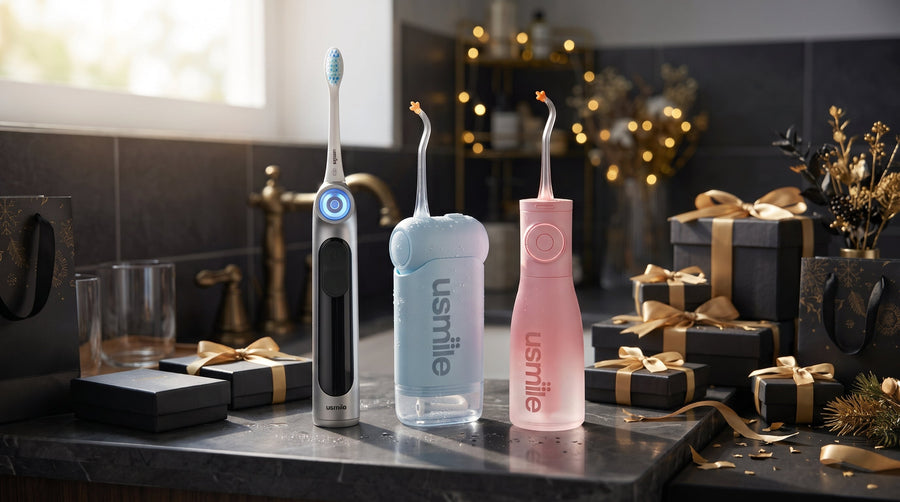
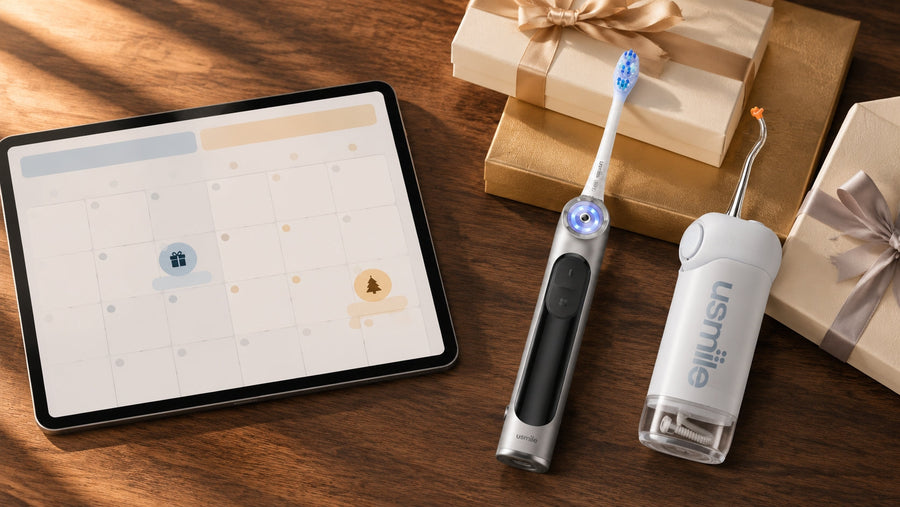
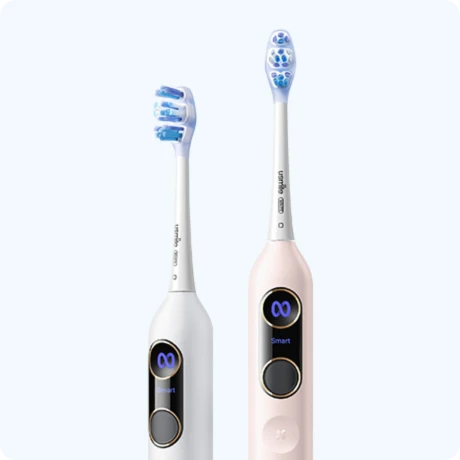
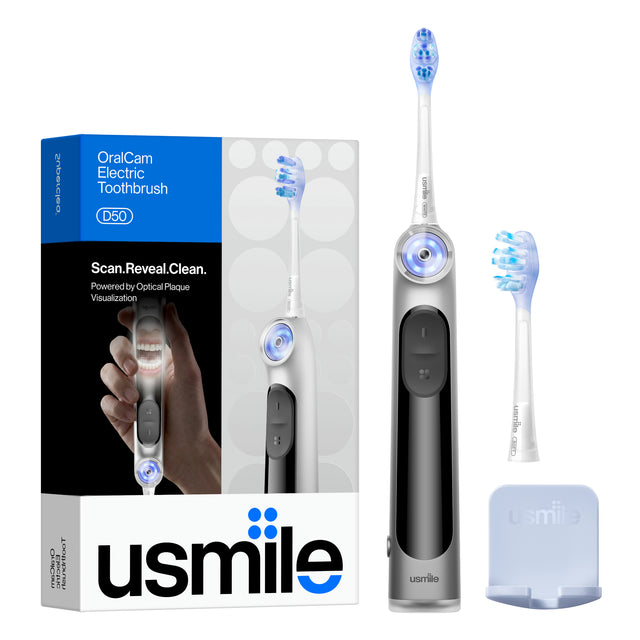
- Keep brackets, wires, and retainers genuinely clean: Regular brushing alone easily misses sticky plaque tucked under archwires and around bracket wings. Pairing a gentle, soft-bristled sonic brush—like an option from the usmile Electric Toothbrush, designed around soft-bristle sonic brushing—with a cordless orthodontic water flosser makes nightly care fast enough that you actually stick with it.

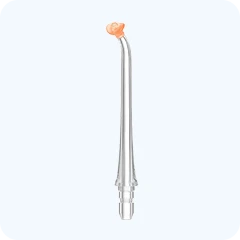
Most standard cordless flossers hold only 150 mL of water—giving you roughly 35 to 45 seconds of spray before the tank runs dry, which forces you to stop mid-routine and refill just to finish a full set of upper and lower brackets. In side-by-side daily routines, the usmile C50 Portable Dental Flosser solves that bottleneck with a 300 mL removable tank that delivers up to 120 seconds of uninterrupted flow—enough to flush all 24 brackets, under-wire food traps, and hard-to-reach back molars in a single pass. Its 10 adjustable pressure levels (30–120 PSI) let you dial down to a gentle pulse on sore wire-tightening days, while the S-shaped slim-bristle orthodontic nozzle sweeps plaque directly around bracket edges—bringing together the water flosser features for braces that remain just as practical for cleaning behind bonded permanent retainers years after your braces come off.
[[Product Card]]
Good home tools make daily braces care much easier, though they work best alongside—not instead of—waxed floss with threaders and your regular dental and orthodontic checkups.
Frequently Asked Questions About Braces Cost
Can you get braces on just your top or bottom teeth to save money?
Sometimes, yes—single-arch braces typically cost $1,500 to $3,500, roughly half the price of a full set. However, orthodontists only approve top-only or bottom-only treatment for minor cosmetic alignment, because shifting one arch without adjusting the opposing teeth can throw off your bite alignment and cause uneven jaw wear.
How much are braces per month with a payment plan?
Most U.S. patients pay $100 to $300 per month over 18 to 24 months with a 0% in-house orthodontic payment plan. Your exact monthly payment depends on your upfront down payment (typically $0 to $2,000), your insurance lifetime benefit credit, and whether you apply pre-tax HSA or FSA funds at the start of treatment.
Are braces cheaper at a general dentist than an orthodontist?
General dentists occasionally quote $300 to $800 less than orthodontists for mild cases, especially with clear aligners. However, board-certified orthodontists complete two to three additional years of full-time residency training focused exclusively on complex tooth movement—which often prevents costly mid-treatment delays or bite-correction revisions.
Do you have to pay extra if your braces stay on longer than estimated?
Usually no, provided you sign an all-inclusive flat-fee contract and attend your scheduled checkups. Most comprehensive U.S. quotes absorb minor biological delays at no extra charge, though clinics may bill $100 to $250 per month in continuation fees if treatment drags on due to repeated missed appointments or frequently broken brackets.
Is it cheaper to get Invisalign or metal braces?
Traditional metal braces ($3,000–$7,500) are generally cheaper than full Invisalign plans ($3,500–$8,500) for moderate-to-severe bite correction. While short aligner packages for minor front-tooth crowding can sometimes match metal prices, clear aligners carry potential extra costs—such as $100 to $300 replacement fees for lost trays or additional refinement charges if teeth track off schedule.
Can you pay for braces with two dental insurance plans?
Yes, if both your primary and secondary policies include orthodontic coverage and allow Coordination of Benefits (COB). When dual coverage applies, your secondary insurer may pay a portion of the remaining balance up to its own lifetime orthodontic cap—just be sure to request a written pre-treatment estimate before bonding day to confirm how both plans coordinate.
Getting an honest answer to how much do braces cost starts with booking two or three itemized consultations so you can compare all-inclusive quotes, lifetime insurance caps, and 0% payment plans side by side. Once your plan is set, protecting your brackets and enamel with a steady daily routine—like pairing a gentle brush from the usmile Electric Toothbrush with the usmile C50 Portable Dental Flosser—helps keep your smile healthy and your total budget on track.
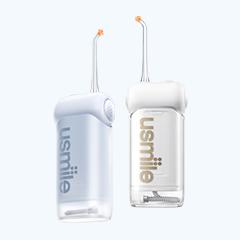
Portable Water Flossers & Oral Irrigators
From an easy first clean to ultra-portable power and pro-level control, find the water flosser built for your routine.
Water FlosserDisclaimer
This article is for general educational and informational purposes only. Orthodontic cost ranges represent typical U.S. estimates and vary by clinic, region, and clinical complexity. Nothing in this guide constitutes individualized orthodontic, medical, insurance, or tax advice; always consult a licensed orthodontist, your insurance provider, and a qualified tax professional regarding your specific situation.