


Gums Swollen After Flossing: Causes, Relief, and When to See a Dentist
Swollen gums after flossing are probably the most frustrating thing that can happen when you're trying to improve your oral care, and even trusted resources likeColgate's oral health guide note how common this reaction is. You push yourself to build the habit. You floss three nights in a row — maybe even a whole week straight — and your gums look worse than when you started. Puffy. Sore. Bleeding when you barely touch them. So naturally, the first thought is that flossing is the problem and you should stop.
That instinct is wrong, and it costs people months of progress every time they follow it. The swelling wasn't actually caused by the floss. Whatever was happening in those gums was already there — quietly building up — long before the floss ever reached it. That discomfort you're feeling isn't damage; it's the first real contact with a problem that's been sitting there unnoticed.
Here’s what’s actually going on in most cases: that swelling usually means the flossing is working. Plaque that’s been sitting undisturbed between your teeth and along the gum line is getting disrupted. Tissue that was already quietly inflamed is reacting to contact it hasn’t felt in a while. Short-term uncomfortable. But it’s the beginning of things getting better, not worse. Sticking with a reliable oral care brand that gives you the right tools makes the adjustment period shorter and the daily habit far easier to maintain.
Why Are Your Gums Swollen After Flossing?

Most of the time, four things cause this. The plaque is being disturbed for the first time in too long. Gum tissue already inflamed by gingivitis is reacting to stimulation. Technique that’s physically too rough. Or something stuck below the gum margin.
And if it’s one of the first two? That’s the flossing working.
When It’s Probably Fine
First week or two back to flossing regularly. Mild puffiness. Tender spots. Maybe some bleeding that catches you off guard. That’s expected — and it’s actually normal. Those gums weren’t starting from a healthy baseline when you picked up the floss. The tissue was already inflamed from plaque that had been sitting undisturbed. The flossing disturbs that. The gums react. Most people see real, noticeable improvement within 10 to 14 days with consistent, gentle care.
When Something Else Is Going On
Throbbing pain that won’t ease between sessions. Swelling only around one tooth rather than spread across the gum line. A sour taste that keeps returning. Visible pus or a small bump on the gum. Fever. Swelling moving toward the jaw or cheek. None of that is an adjustment. Those are your body flagging something specific, and waiting it out at home isn’t the right call for any of them.
Is It Normal for Gums to Swell After Flossing?
Sometimes. Depends entirely on what’s causing it.
The Adjustment Period — What Nobody Explains Well
Here’s the thing nobody really explains: when flossing hasn’t been consistent, plaque builds up. Between teeth. Along the gum edge. Just under it, where you can’t see it happening in real time. That bacterial film keeps the surrounding tissue in a constant low-level inflammatory state — quietly, all the time, before you ever touch the floss. So by the time you restart, the gums are already inflamed. The floss goes in, disturbs plaque, physically stimulates the tissue, and makes the existing inflammation more noticeable. What you’re feeling isn’t new damage. It’s the healing process starting.
When Adjustment Ends, and Something Else Begins
Two weeks in. Consistent, gentle daily flossing. And the swelling is still there, maybe even getting worse. That’s not an adjustment. Swelling concentrated around a single tooth,rather thanspreading generally, is also a flag. So is pain between sessions that doesn’t ease off, or anything accompanied by a bad taste or discomfort that disrupts sleep or eating. Those signals point somewhere else — somewhere worth investigating properly.

Common Causes of Swollen Gums After Flossing
Plaque Buildup Along the Gum Line
Plaque doesn't take days off. Every single morning you wake up with a fresh coat of it forming across every tooth surface — that's just biology doing its thing. The issue is what happens in the spots that never get touched. Those tight gaps between teeth, that thin strip right where the gum meets the tooth — plaque packs in there and stays. Days turn into weeks, and that tissue just sits there getting more and more aggravated by what's pressed against it.
So you finally floss after a long break, and your gums bleed like you've done something wrong. They swell. They hurt more than seems reasonable for something as simple as running floss between your teeth. A lot of people stop right there and assume flossing is irritating their gums. That's backward. The gums were already a mess — flossing just made contact with the damage for the first time. Stick with it for a week or two, and the whole thing calms down on its own.
Gingivitis and Early Gum Disease
Most people find out they have gingivitis the same way — they spit after brushing and notice blood. Maybe the gums look a little thick and red around the edges. Maybe flossing stings suddenly in spots it never used to. None of it feels dramatic enough to call the dentist about, so it gets ignored.
But that bleeding isn't coming from nowhere. The NIDCR is pretty clear that Periodontal gum disease is an actual infection — bacteria getting into the tissue that holds your teeth in place, driven by plaque that has built up because brushing and flossing weren't consistent enough. When flossing into those already-infected gums causes pain and swelling, the floss isn't creating a new problem. It's touching one that was already there and getting worse. The only way through it is to keep flossing. The same habit that feels like it's making things worse right now is the exact thing that fixes it.
Flossing Technique That’s Too Rough

There are a few rough habits to watch out for: snapping the floss down into place, sawing it back and forth across the gum line, or forcing it through a tight contact point with too much pressure. Each of those tears delicate gum tissue, and the swelling that follows feels sharp and immediate — very different from the dull background ache of gums simply adjusting, which is why proper flossing technique matters so much in preventing this kind of irritation. The tell: pain hits the exact moment floss contacts a specific spot, and it happens every single session in the same place. That’s a technique injury. Not gum disease. Not infection. Just the wrong motion, repeated.
Food Physically Trapped Below the Gum
Popcorn hulls are the most talked-about offender, but thin meat fibers, fruit seeds, and small fragments of hard food can all slide under the gum margin and sit there continuously irritating the tissue. Flossing can dislodge them. It can also push them further if done carelessly. Swelling that appears right after a specific meal and is concentrated in a single spot is worth investigating here before assuming anything more serious.
Dental Work and Tight Contact Points
Crowns, bridges, braces, and areas where two teeth press unusually close together — these all create spots where flossing is harder than it should be. Floss that catches on a rough restoration edge, or has to be forced through a genuinely tight space, drags across and irritates the same patch of gum tissue every single session. Small repeated trauma in the same location adds up faster than most people realize.
Can Flossing Too Hard Actually Damage Your Gums?

Yes. And more commonly than people admit — partly because the instinct that “harder equals cleaner” feels logical even when it’s exactly wrong.
Signs the Technique Is Too Aggressive
Sharp pain the moment the floss contacts the gum. Bleeding from the same specific spot in every session — not just the first few times, but consistently, regardless of how long you’ve been flossing. Visible red marks or cuts on the gum tissue afterward. Swelling that appears immediately rather than building gradually over a day. Technique injuries — not disease signs.
The Right Way to Floss — C-Shape Method
Slide the floss between two teeth. Don’t snap it in. Once it’s positioned, curve it around one tooth in a C-shape and slide it up and down along the tooth surface, dipping just slightly below the gum margin. Not deep — just enough to reach the edge. Then reposition it around the neighboring tooth and repeat. Fresh section of floss for each pair of teeth. Controlled slide. Not a saw. Not a snap. Firm but never forced. If this is news to you, ask your hygienist to demonstrate at your next visit — more people need that than would ever say so.
Swollen Gum Around One Tooth After Flossing
When swelling is limited to one specific area — not spread, not general, just one tooth — the cause is almost always localized.
Trapped Food or Local Irritation
Usually, it’s food. One piece of debris was caught under the gum margin. Rinse thoroughly with warm water and give it 24 to 48 hours of gentle care. If it settles, that’s almost certainly all it was.
Abscess, Infection, or Underlying Decay
Swelling around one tooth. Throbbing pain — especially the kind that pulses with your heartbeat. A bad taste that keeps coming back even after brushing. A visible bump or pus on the gum. Fever. That’s a completely different situation. Those are signs of infection, not irritation. Information from the Mayo Clinic makes it clear that gum infections can spread if left untreated. An abscess won’t resolve on its own with home care. Call your dentist. Sooner is meaningfully better than later when the issue is near the tooth roots.
How Long Do Swollen Gums Last After Flossing?

Minor irritation from one session? Twenty-four to forty-eight hours, usually. Restarting a routine after months or years away? Mild tenderness and some puffiness for up to two weeks — but improving each day, not plateauing or worsening.
Getting worse instead of better. No change after a week. Pain that travels with the swelling, or a bump, a persistent taste, or bleeding that won’t settle. Those are reasons to call your dentist rather than wait another few days to see what happens.
How to Soothe Swollen Gums at Home
Rinse with Warm Salt Water
Half a teaspoon of table salt in a warm glass of water. Rinse gently for 30 seconds, 2 or 3 times a day. Sounds almost too simple — but it consistently helps more than people expect. A salt rinse reduces oral bacteria and helps inflamed tissue settle down without introducing anything harsh. It won’t resolve an active infection. But for general gum irritation and the kind of early inflammation that shows up when you restart flossing, it’s one of the most reliably useful things you can do at home.
Apply a Cold Compress
Cold pack wrapped in a thin cloth. Against the outside of the cheek. Ten minutes at a time — not continuous. Don’t put ice directly on skin. Cold reduces blood flow to the area, eases swelling, and dulls immediate discomfort. Most useful when flossing has caused a sharp, localized reaction in a specific spot rather than general tenderness along the gum line.
Switch to a Gentler Flossing Tool

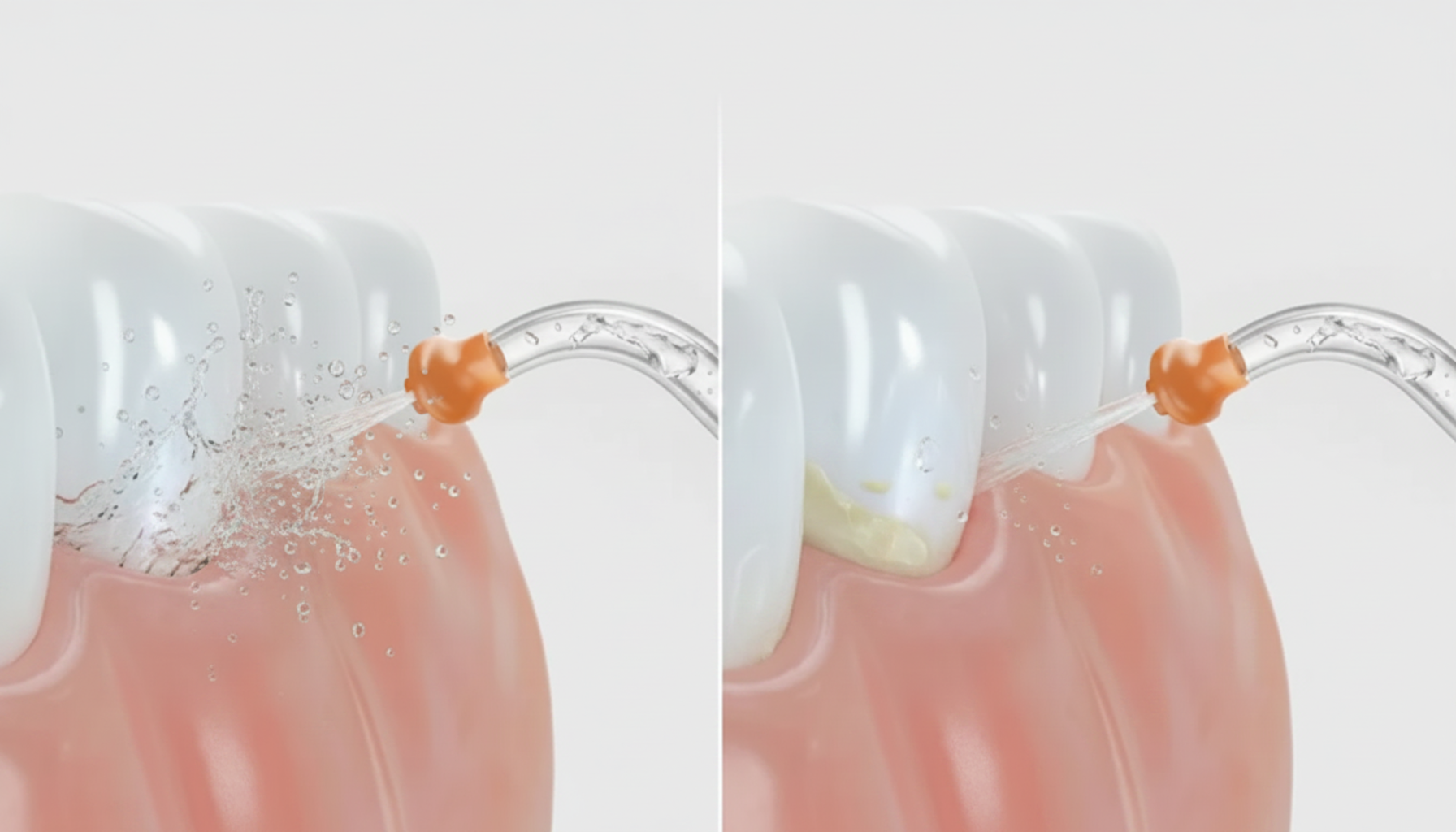
Does string floss consistently leave gums sore, even with good technique? Options exist. Waxed floss glides between teeth with less drag than unwaxed. A gentle water flosser uses a pressurized stream of water to clean between teeth and along the gum line without direct contact with the tissue. For people with inflamed or sensitive gums, that difference in contact pressure is real and noticeable — same cleaning result, significantly less trauma during the sessions when gums are struggling.
Keep Flossing — With Less Force
Stopping is the instinct. Almost always the wrong move. When flossing stops, plaque rebuilds in exactly the spots that were finally being cleared, keeping the inflammatory cycle going and often worsening swelling over the following weeks. Back off the pressure — not the daily frequency. One careful, gentle session every day gives gum tissue what it actually needs to start healing rather than staying stuck.
Should You Use Water Flossers for Swollen Gums?

For many people, especially when gums are already inflamed, a water flosser can be a genuinely better option — not as a compromise, but as the more practical choice while things settle down. Water flossers work well for people whose gums are currently sore, who have orthodontic hardware or bridgework that makes string floss awkward to use correctly, or who can’t quite maintain the C-shape technique consistently at the gum margin. The cleaning occurs without direct contact with the tissue, which is significantly less irritating when the gums are already struggling.
The ADA recognizes water flossers as legitimate interdental cleaning tools alongside string floss, picks, and brushes. They’re not a full substitute for string floss in every situation — especially tight contacts. But the more practical question is: which tool will you use correctly every single day? Comparing cordless water flossers by pressure setting and design helps narrow it down, and your dentist can confirm which combination actually suits your gum situation.
How to Prevent Gum Swelling After Flossing
Floss Once a Day — Every Day, Not Most Days
Plaque starts calcifying into tartar within 24 to 72 hours. That’s the window. Miss it consistently in the same spot, and soft plaque becomes hardened tartar that brushing and flossing can no longer remove — only a professional cleaning can. Daily flossing with the C-shape method keeps that window from closing in the first place.
Brush Twice — Angle Toward the Gum Line

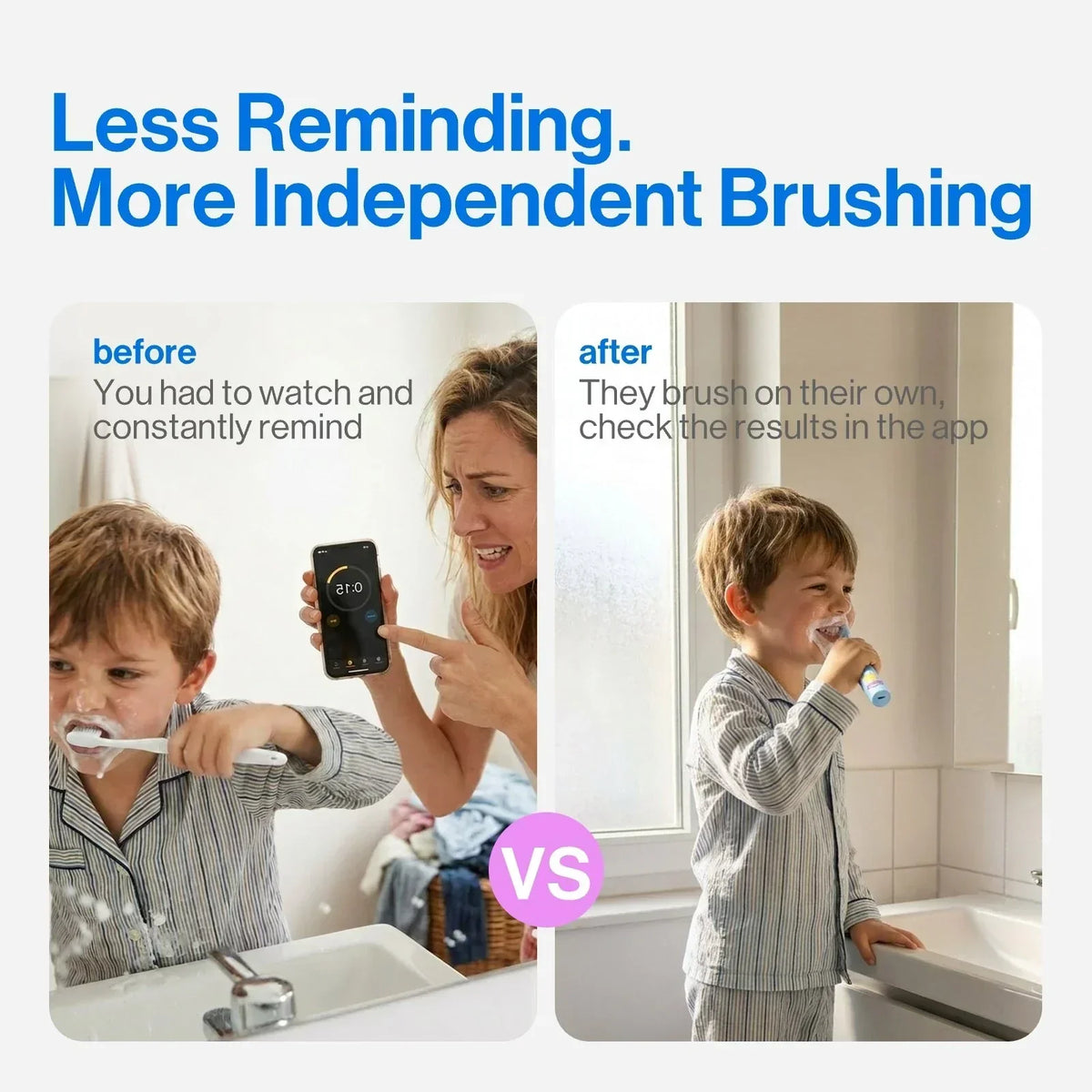
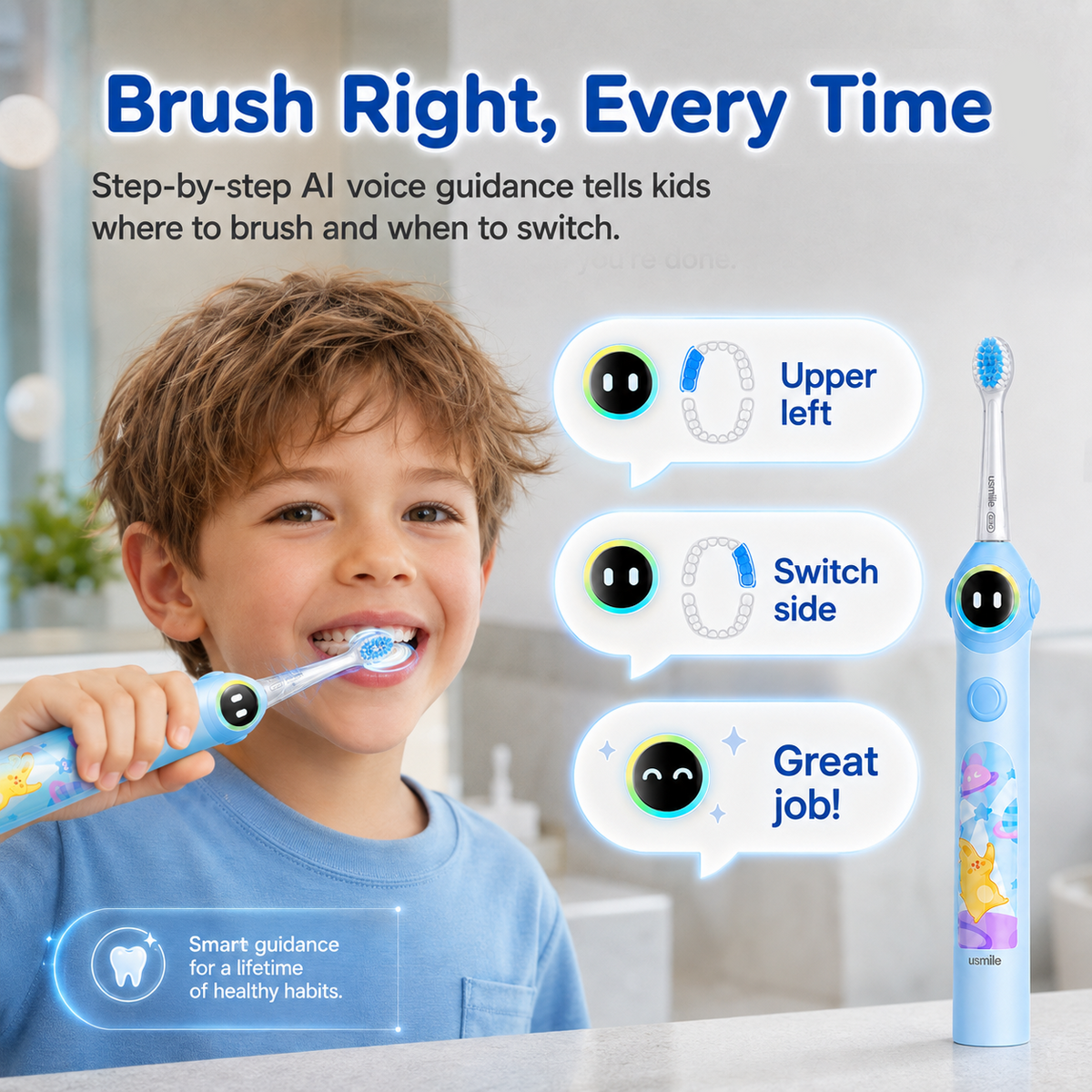
Flossing handles between the teeth. Brushing handles the surfaces. And the gum line — specifically the angle where bristles need to dip slightly under the edge of the gum — is where most people rush or miss without realizing it. Tilt the brush head toward the gum edge rather than scrubbing parallel to the tooth. For families with children, getting this right from the start prevents many problems later. An electric toothbrush for kids with a head sized for smaller mouths and a built-in two-minute timer — like the uSmile Q30 — eliminates the argument about time and teaches the right routine before gum problems ever develop.
Keep Up with Professional Cleanings
Brushing and flossing keep plaque from hardening. They don’t stop tartar forming in some spots, regardless, especially along the gum margin and in the shallow pockets below it. Professional cleanings remove what home care simply can’t. Twice a year works for most people. If gum inflammation keeps recurring or tartar builds up quickly, more frequent visits are often the most practical solution available rather than trying to manage it all at home.
Small Lifestyle Changes That Compound Over Time
Tobacco of any kind — smoked, chewed, vaped — slows the gum healing response and amplifies inflammation. The tissue just doesn’t recover the way it should when tobacco is regularly involved. Alcohol-based mouthwashes used daily dry out and irritate gum tissue that’s already working hard. Staying hydrated keeps saliva rinsing bacteria between brushing sessions. Vitamin C deficiency shows up in the gums specifically — bleeding, swelling, tissue that heals too slowly. None of these is a dramatic overhaul. But they accumulate in a way that either allows gum tissue to respond to good care, or keeps it fighting against the environment it’s stuck in.
When to See a Dentist for Swollen Gums After Flossing

Warning Signs That Warrant a Call
The swelling is getting worse after a week, not better. Throbbing pain that pulses between sessions. A visible bump, pus, or fluid on the gum. A sour or bad taste that brushing doesn’t clear. Fever alongside gum pain. Swelling moving toward the jaw, cheek, or neck. Teeth that feel even slightly looser than they did. Gums are visibly pulling back from the tooth surface. Any one of those is reason enough to make an appointment. Several together means sooner, not at your next scheduled visit.
What the Dentist Will Actually Check
Pocket depth measurements with a small probe around each tooth. X-rays for bone loss or hidden infection below the gum line—questions about brushing and flossing habits, frequency, and any recent changes to your routine. From there, treatment depends on the findings: professional cleaning for mild buildup; scaling and root planing for deeper tartar deposits below the gum line; antibiotics for active infection; or a referral to a periodontist when the situation is beyond the scope of general dentistry.
The Real Reason Early Treatment Matters
Gingivitis reverses. That's the good news. Periodontitis — the stage after, where bone loss around tooth roots begins — does not. Once structural damage starts, the goal shifts from healing to long-term management. That's why something as small as gums swollen after flossing that don't improve within a couple of weeks is worth getting checked early — it's often the first sign of gingivitis, and catching it at that stage is the difference between reversing the issue and managing it for life. That’s a meaningful difference in what treatment looks like, how long it takes, and what it costs. Gums that have been consistently swollen after flossing for weeks without any improvement aren’t a situation to keep managing at home. Get it evaluated. Early is always simpler. Full stop.
FAQs
Why are my gums swollen after flossing?
Usually one of four things: existing gum inflammation being disturbed, plaque getting dislodged for the first time in a while, a flossing technique that’s too aggressive, or food stuck under the gum margin. For most people, getting back into a regular flossing routine after a gap is temporary—it clears up within a couple of weeks of consistent, gentle daily care.
Is it normal for gums to swell after flossing?
Yes — in the first week or two of a new flossing habit. Mild puffiness and minor bleeding during that adjustment window are expected. Swelling that persists past two weeks, gets worse over time, or comes with real pain, pus, or fever is a different story. That version needs to be looked at.
How long do swollen gums last after flossing?
Single-session irritation: 24 to 48 hours for most people. A restarted flossing routine: up to two weeks of mild soreness, improving each day. Anything lasting longer than that, staying flat without improving, or getting worse at any point — stop waiting and make a dental appointment.
Should I stop flossing if my gums are swollen?
Rarely the right call. Stopping lets plaque rebuild in exactly the spots that were finally getting cleared, which keeps gum inflammation going or makes it worse. Lighter pressure, possibly a gentler tool, same daily frequency — unless a dentist specifically tells you to take a break.
Why are my gums swollen around one tooth after flossing?
Trapped food is the most common and least serious cause. A rough edge on a crown or filling that catches the floss every time is another. But if there’s throbbing pain, pus, a bad taste, or any fever alongside the localized swelling — that’s an active infection, not simple irritation, and it needs dental attention quickly.
Can flossing too hard damage gums?
Yes — and more commonly than most people would admit. Snapping floss into the gum line or sawing back and forth causes micro-tears in delicate tissue and triggers swelling that feels sharp and immediate—c-shape method, controlled slide, firm but not forced. If one spot bleeds every single session, ask your hygienist to walk you through the technique at your next visit — more people need that demonstration than would ever bring it up.
Can water flossers help swollen gums?
They genuinely can, especially during an inflamed period when string floss is causing discomfort. No dragging contact on the tissue means less trauma with each session. Match the pressure setting to your comfort level and ask your dentist whether it’s the right fit for your specific gum situation before committing to it as your main tool.
When should I see a dentist for swollen gums?
Swelling lasting more than a week, getting worse, spreading toward the face or neck, or coming with throbbing pain, pus, fever, loose teeth, or a persistent bad taste. Gingivitis is reversible. Leave it long enough, and the treatment gets considerably more complicated than it needed to be.
Sources
- National Institute of Dental and Craniofacial Research – Periodontal (Gum) Disease
- Mayo Clinic – Gingivitis
- American Dental Association – Flossing
- MouthHealthy by ADA – How to Floss Your Teeth
- Cleveland Clinic – Swollen Gums
- Centers for Disease Control and Prevention – Periodontal Disease
- Colgate – What to Do About Gum Swelling


Looking for something else?
Best Electric Toothbrush for Teens (2026): Top Picks, Tested and Reviewed
LEARN MORE
Best Electric Toothbrush for Gum Disease (2026): 6 Picks Tested for Real Gum Protection
LEARN MORE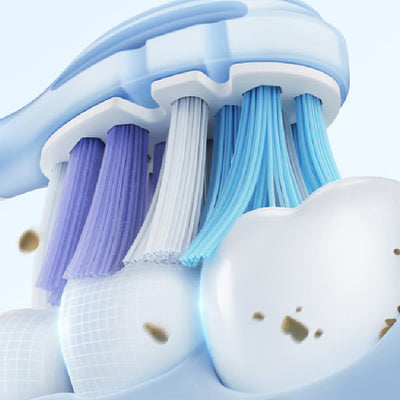
Electric Toothbrush on Plane: The Complete Travel Guide (2026)
LEARN MOREBest Sustainable Electric Toothbrush 2026: 5 Picks Tested for a Greener, Healthier Smile.docx
LEARN MORELooking for something else?
Best Sustainable Electric Toothbrush 2026: 5 Picks Tested for a Greener, Healthier Smile
LEARN MORE
Best Cheap Electric Toothbrush (2026): Top 5 Budget Picks That Actually Work
LEARN MORE
Ultrasonic Toothbrush vs Electric: Which Technology Wins for Your Smile?
LEARN MOREYou may also like
usmile C30 Cordless Water Flosser – Portable Oral Irrigator

usmile Y20 PRO Upgraded AI Electric Toothbrush


usmile Q30 Kids Electric Toothbrush

usmile Q30 Kids Electric Toothbrush Trio Pack

Further reading
The 5 Toothbrushing Spots Kids Miss Most—and How Parents Can Help
The Back-to-School Brushing Reset: A 14-Day Plan for Kids Ages 3–8
Behind usmile D50 OralCam Toothbrush: From Motion Tracking to Visual Intelligence in Oral Care

